Introduction – Company Background
GuangXin Industrial Co., Ltd. is a specialized manufacturer dedicated to the development and production of high-quality insoles.
With a strong foundation in material science and footwear ergonomics, we serve as a trusted partner for global brands seeking reliable insole solutions that combine comfort, functionality, and design.
With years of experience in insole production and OEM/ODM services, GuangXin has successfully supported a wide range of clients across various industries—including sportswear, health & wellness, orthopedic care, and daily footwear.
From initial prototyping to mass production, we provide comprehensive support tailored to each client’s market and application needs.
At GuangXin, we are committed to quality, innovation, and sustainable development. Every insole we produce reflects our dedication to precision craftsmanship, forward-thinking design, and ESG-driven practices.
By integrating eco-friendly materials, clean production processes, and responsible sourcing, we help our partners meet both market demand and environmental goals.
Core Strengths in Insole Manufacturing
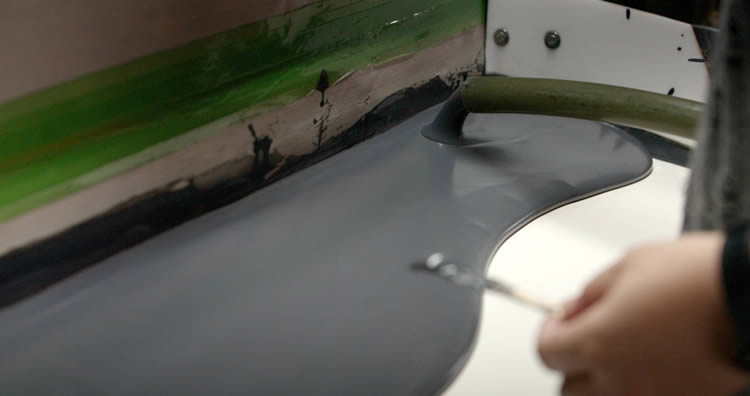
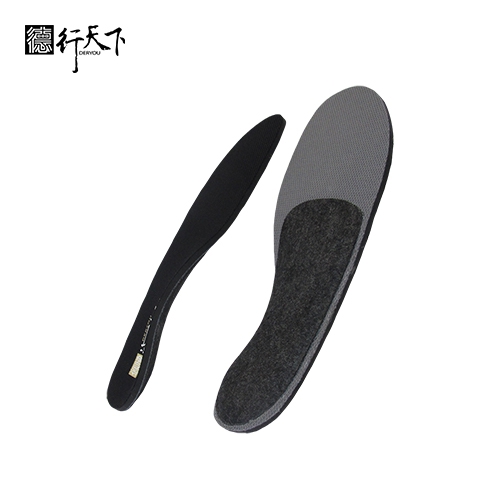
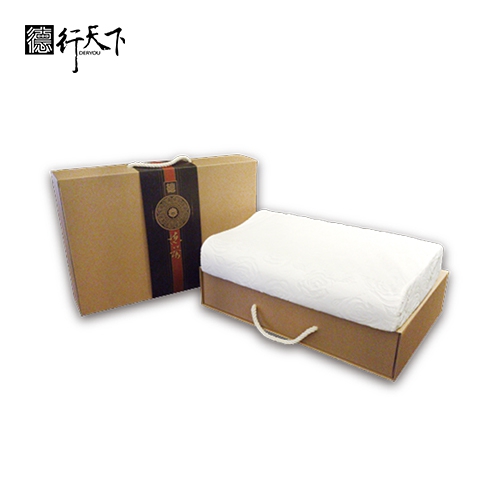
At GuangXin Industrial, our core strength lies in our deep expertise and versatility in insole and pillow manufacturing. We specialize in working with a wide range of materials, including PU (polyurethane), natural latex, and advanced graphene composites, to develop insoles and pillows that meet diverse performance, comfort, and health-support needs.
Whether it's cushioning, support, breathability, or antibacterial function, we tailor material selection to the exact requirements of each project-whether for foot wellness or ergonomic sleep products.
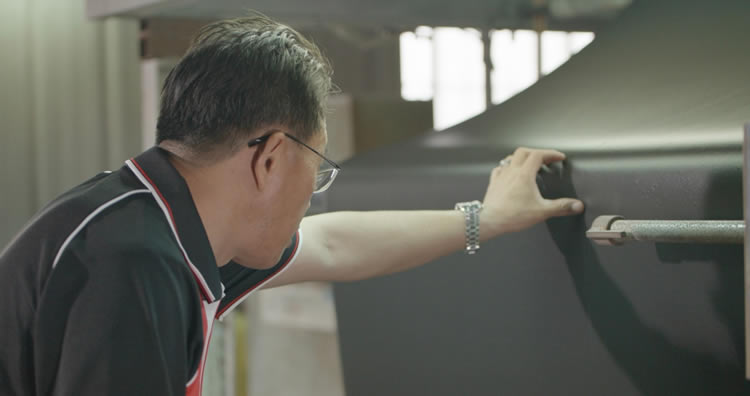
We provide end-to-end manufacturing capabilities under one roof—covering every stage from material sourcing and foaming, to precision molding, lamination, cutting, sewing, and strict quality control. This full-process control not only ensures product consistency and durability, but also allows for faster lead times and better customization flexibility.
With our flexible production capacity, we accommodate both small batch custom orders and high-volume mass production with equal efficiency. Whether you're a startup launching your first insole or pillow line, or a global brand scaling up to meet market demand, GuangXin is equipped to deliver reliable OEM/ODM solutions that grow with your business.
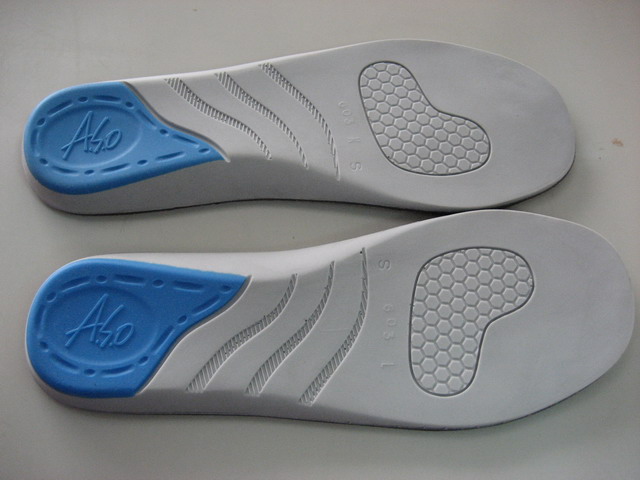
Customization & OEM/ODM Flexibility
GuangXin offers exceptional flexibility in customization and OEM/ODM services, empowering our partners to create insole products that truly align with their brand identity and target market. We develop insoles tailored to specific foot shapes, end-user needs, and regional market preferences, ensuring optimal fit and functionality.
Our team supports comprehensive branding solutions, including logo printing, custom packaging, and product integration support for marketing campaigns. Whether you're launching a new product line or upgrading an existing one, we help your vision come to life with attention to detail and consistent brand presentation.
With fast prototyping services and efficient lead times, GuangXin helps reduce your time-to-market and respond quickly to evolving trends or seasonal demands. From concept to final production, we offer agile support that keeps you ahead of the competition.
Quality Assurance & Certifications
Quality is at the heart of everything we do. GuangXin implements a rigorous quality control system at every stage of production—ensuring that each insole meets the highest standards of consistency, comfort, and durability.
We provide a variety of in-house and third-party testing options, including antibacterial performance, odor control, durability testing, and eco-safety verification, to meet the specific needs of our clients and markets.
Our products are fully compliant with international safety and environmental standards, such as REACH, RoHS, and other applicable export regulations. This ensures seamless entry into global markets while supporting your ESG and product safety commitments.
ESG-Oriented Sustainable Production
At GuangXin Industrial, we are committed to integrating ESG (Environmental, Social, and Governance) values into every step of our manufacturing process. We actively pursue eco-conscious practices by utilizing eco-friendly materials and adopting low-carbon production methods to reduce environmental impact.
To support circular economy goals, we offer recycled and upcycled material options, including innovative applications such as recycled glass and repurposed LCD panel glass. These materials are processed using advanced techniques to retain performance while reducing waste—contributing to a more sustainable supply chain.
We also work closely with our partners to support their ESG compliance and sustainability reporting needs, providing documentation, traceability, and material data upon request. Whether you're aiming to meet corporate sustainability targets or align with global green regulations, GuangXin is your trusted manufacturing ally in building a better, greener future.
Let’s Build Your Next Insole Success Together
Looking for a reliable insole manufacturing partner that understands customization, quality, and flexibility? GuangXin Industrial Co., Ltd. specializes in high-performance insole production, offering tailored solutions for brands across the globe. Whether you're launching a new insole collection or expanding your existing product line, we provide OEM/ODM services built around your unique design and performance goals.
From small-batch custom orders to full-scale mass production, our flexible insole manufacturing capabilities adapt to your business needs. With expertise in PU, latex, and graphene insole materials, we turn ideas into functional, comfortable, and market-ready insoles that deliver value.
Contact us today to discuss your next insole project. Let GuangXin help you create custom insoles that stand out, perform better, and reflect your brand’s commitment to comfort, quality, and sustainability.
🔗 Learn more or get in touch:
🌐 Website: https://www.deryou-tw.com/
📧 Email: shela.a9119@msa.hinet.net
📘 Facebook: facebook.com/deryou.tw
📷 Instagram: instagram.com/deryou.tw
Taiwan insole OEM manufacturer
Are you looking for a trusted and experienced manufacturing partner that can bring your comfort-focused product ideas to life? GuangXin Industrial Co., Ltd. is your ideal OEM/ODM supplier, specializing in insole production, pillow manufacturing, and advanced graphene product design.
With decades of experience in insole OEM/ODM, we provide full-service manufacturing—from PU and latex to cutting-edge graphene-infused insoles—customized to meet your performance, support, and breathability requirements. Our production process is vertically integrated, covering everything from material sourcing and foaming to molding, cutting, and strict quality control.China custom product OEM/ODM services
Beyond insoles, GuangXin also offers pillow OEM/ODM services with a focus on ergonomic comfort and functional innovation. Whether you need memory foam, latex, or smart material integration for neck and sleep support, we deliver tailor-made solutions that reflect your brand’s values.
We are especially proud to lead the way in ESG-driven insole development. Through the use of recycled materials—such as repurposed LCD glass—and low-carbon production processes, we help our partners meet sustainability goals without compromising product quality. Our ESG insole solutions are designed not only for comfort but also for compliance with global environmental standards.Indonesia eco-friendly graphene material processing
At GuangXin, we don’t just manufacture products—we create long-term value for your brand. Whether you're developing your first product line or scaling up globally, our flexible production capabilities and collaborative approach will help you go further, faster.Taiwan insole ODM for global brands
📩 Contact us today to learn how our insole OEM, pillow ODM, and graphene product design services can elevate your product offering—while aligning with the sustainability expectations of modern consumers.Memory foam pillow OEM factory Vietnam
Racism is a societal problem that refers to the discrimination and mistreatment of individuals based on their race or ethnicity. New research published in Biological Psychiatry has discovered a correlation between discrimination and an altered brain-gut microbiome. Structural racism not only has psychological consequences but also impacts the body on a biological level. Discrimination has been shown to contribute to various mental and physical disorders such as obesity, depression, and addiction, however, the biological pathways linking social experiences to physical health effects remain largely unknown. A new study published in Biological Psychiatry examines the role of the brain-gut microbiome (BGM) system in discrimination-related health issues. Past research on discrimination and illness has pointed to the hypothalamic-pituitary-adrenal axis, which regulates stress, however, the authors of this study wanted to expand the scope of their research. Recent studies have revealed that the BGM is also highly responsive to stressful experiences. Dysregulation of the BGM is associated with inflammation and long-term health issues resulting from immune cell, neuronal, and hormone signaling that link our experiences to our health. A conceptual model linking the brain-gut microbiome (BGM) system to discrimination and clinical outcomes. Credit: Biological Psychiatry The new study, led by Tien S. Dong, MD, Ph.D., and Gilbert C. Gee, Ph.D., at UCLA, tests the hypothesis that discrimination influences the central and enteric nervous systems, thus altering the bidirectional signaling between the brain and gut microbiome as mediated by inflammation. Recognizing that past research exploring discrimination and illness predominantly compared Black and White individuals, the authors investigated multiple racial and ethnic groups. The study included 154 adults in the Los Angeles community who self-reported their race or ethnicity as Asian American, Black, Hispanic, or White. Participants completed questionnaires to assess experiences of discrimination. Participants of all ethnic and racial backgrounds reported experiences of discrimination, although they reported a variety of reasons for discrimination, ranging from race to sex to age. “These different reasons were associated with different changes in the BGM system across the different racial and ethnic groups,” explains Dr. Dong. Inflammation, Microbiomes, and Emotional Responses The researchers collected functional magnetic resonance imaging data to assess the link between discrimination and brain connectivity. They also collected blood samples to measure inflammatory markers and fecal samples to assess the microbial population and its metabolites. Together, these metrics were used to assess discrimination-related BGM alterations and psychological variables, while controlling for sex, age, body mass index, and diet. “Our research suggests that for Black and Hispanic individuals, discrimination leads to changes that include increased systemic inflammation,” explained Dr. Dong. “For Asian individuals, the patterns suggest [that] possible responses to discrimination include somatization or the production of multiple medical symptoms with no discernible known cause. Among White individuals, discrimination was related to anxiety but not inflammation. But just as importantly, for all races, discrimination also had an increase in the emotional arousal and limbic regions of the brain, which are associated with the stress response of fight or flight. We also saw elevations in pro-inflammatory microbes such as Prevotella copri.” Implications for Understanding Social Inequities John Krystal, MD, editor of Biological Psychiatry, said, “This new study sheds light on the broad impact of exposure to racism on emotions, brain activity, inflammatory markers in the blood, and the composition of the gut microbiome. We would not be surprised to learn that exposure to racism affects how we feel and how we cope with this exposure and other life stresses. However, this study goes further to highlight brain patterns of response to racism and other factors that affect physical health, including the types of bacteria growing in the gut and the levels of inflammation in the body. These are factors that influence many disease processes in the body.” The work suggests that discrimination produces group-specific effects on certain biological pathways, providing a first step toward understanding how social inequities become whole-body experiences. Reference: “How Discrimination Gets Under the Skin: Biological Determinants of Discrimination Associated with Dysregulation of the Brain-Gut Microbiome System and Psychological Symptoms” by Tien S. Dong, Gilbert C. Gee, Hiram Beltran-Sanchez, May Wang, Vadim Osadchiy, Lisa A. Kilpatrick, Zixi Chen, Vishvak Subramanyam, Yurui Zhang, Yinming Guo, Jennifer S. Labus, Bruce Naliboff, Steve Cole, Xiaobei Zhang, Emeran A. Mayer and Arpana Gupta, 28 October 2022, Biological Psychiatry. DOI: 10.1016/j.biopsych.2022.10.011 The study was funded by the National Institutes of Health.
Membrane-separated compartments are visible inside the peroxisomes of 4-day-old Arabidopsis thaliana plant cells in this image from a confocal microscope. The cells were genetically modified to produce fluorescent proteins in both the membranes (green) and lumen (magenta) of the peroxisomes. Credit: Image courtesy of Zachary Wright/Rice University Newly discovered peroxisome subcompartments may enhance fat processing and reshape our understanding of cell metabolism and related diseases. Discovery “requires us to rethink everything we thought we knew about peroxisomes.” In his first year of graduate school, Rice University biochemist Zachary Wright discovered something hidden inside a common piece of cellular machinery that’s essential for all higher-order life from yeast to humans. What Wright saw in 2015 — subcompartments inside organelles called peroxisomes — is described in a study published today in Nature Communications. “This is, without a doubt, the most unexpected thing our lab has ever discovered,” said study co-author Bonnie Bartel, Wright’s Ph.D. advisor and a member of the National Academy of Sciences. “This requires us to rethink everything we thought we knew about peroxisomes.” Peroxisomes are compartments where cells turn fatty molecules into energy and useful materials, like the myelin sheaths that protect nerve cells. In humans, peroxisome dysfunction has been linked to severe metabolic disorders, and peroxisomes may have wider significance for neurodegeneration, obesity, cancer, and age-related disorders. Much is still unknown about peroxisomes, but their basic structure — a granular matrix surrounded by a sacklike membrane — wasn’t in question in 2015. Bartel said that’s one reason Wright’s discovery was surprising. Zachary Wright is a postdoctoral research associate in Rice University’s Department of BioSciences. Credit: Photo by Jeff Fitlow/Rice University Fluorescent Imaging Unveils Hidden Structures “We’re geneticists, so we’re used to unexpected things. But usually they don’t come in Technicolor,” she said, referring to another surprising thing about Wright’s find: beautiful color images that show both the walls of the peroxisome subcompartments and their interiors. The images were possible because of bright fluorescent reporters, glowing protein tags that Wright employed for the experiments. Biochemists modify the genes of model organisms — Bartel’s lab uses Arabidopsis plants — to tag them with fluorescent proteins in a controlled way that can reveal clues about the function and dysfunction of specific genes, including some that cause diseases in people, animals, and plants. Wright, now a postdoctoral research associate in Bartel’s lab, was testing a new reporter in 2015 when he spotted the peroxisome subcompartments. “I never thought Zach did anything wrong, but I didn’t think it was real,” Bartel said. She thought the images must be the result of some sort of artifact, a feature that didn’t really exist inside the cell but was instead created by the experiment. “If this was really happening, somebody would have already noticed it,” she recalled thinking. Bonnie Bartel is the Ralph and Dorothy Looney Professor of BioSciences at Rice University. Credit: Photo by Jeff Fitlow/Rice University “Basically, from that point on, I was trying to understand them,” Wright said. He checked his instruments, replicated his experiments and found no evidence of an artifact. He gathered more evidence of the mysterious subcompartments, and eventually wound up at Fondren Library, combing through old studies. Clues in Forgotten Studies from the 1960s “I revisited the really old literature about peroxisomes from the ’60s, and saw that they had observed similar things and just didn’t understand them,” he said. “And that idea was just lost.” There were a number of references to these inner compartments in studies from the ’60s and early ’70s. In each case, the investigators were focused on something else and mentioned the observation in passing. And all the observations were made with transmission electron microscopes, which fell out of favor when confocal microscopy became widely available in the 1980s. “It’s just much easier than electron microscopy,” Bartel said. “The whole field started doing confocal microscopy. And in the early days of confocal microscopy, the proteins just weren’t that bright.” Wright was also using confocal microscopy in 2015, but with brighter reporters that made it easier to resolve small features. Another key: He was looking at peroxisomes from Arabidopsis seedlings. “One reason this was forgotten is because peroxisomes in yeast and mammalian cells are smaller than the resolution of light,” Wright said. “With fluorescence microscopy, you could only ever see a dot. That’s just the limit that light can do.” Arabidopsis Seedlings Provide a Unique Window The peroxisomes he was viewing were up to 100 times larger. Scientists aren’t certain why peroxisomes get so large in Arabidopsis seedlings, but they do know that germinating Arabidopsis seeds get all of their energy from stored fat, until the seedling leaves can start producing energy from photosynthesis. During germination, they are sustained by countless tiny droplets of oil, and their peroxisomes must work overtime to process the oil. When they do, they grow several times larger than normal. “Bright fluorescent proteins, in combination with much bigger peroxisomes in Arabidopsis, made it extremely apparent, and much easier, to see this,” Wright said. But peroxisomes are also highly conserved, from plants to yeast to humans, and Bartel said there are hints that these structures may be general features of peroxisomes. “Peroxisomes are a basic organelle that has been with eukaryotes for a very long time, and there have been observations across eukaryotes, often in particular mutants, where the peroxisomes are either bigger or less packed with proteins, and thus easier to visualize,” she said. But people didn’t necessarily pay attention to those observations because the enlarged peroxisomes resulted from known mutations. Subcompartments Aid Fat Metabolism The researchers aren’t sure what purpose is served by the subcompartments, but Wright has a hypothesis. “When you’re talking about things like beta-oxidation, or metabolism of fats, you get to the point that the molecules don’t want to be in water anymore,” Wright said. “When you think of a traditional kind of biochemical reaction, we just have a substrate floating around in the water environment of a cell — the lumen — and interacting with enzymes; that doesn’t work so well if you’ve got something that doesn’t want to hang around in the water.” “So, if you’re using these membranes to solubilize the water-insoluble metabolites, and allow better access to lumenal enzymes, it may represent a general strategy to more efficiently deal with that kind of metabolism,” he said. Bartel said the discovery also provides a new context for understanding peroxisomal disorders. “This work could give us a way to understand some of the symptoms, and potentially to investigate the biochemistry that’s causing them,” she said. Reference: “Peroxisomes form intralumenal vesicles with roles in fatty acid catabolism and protein compartmentalization in Arabidopsis” by Zachary J. Wright and Bonnie Bartel, 4 December 2020, Nature Communications. DOI: 10.1038/s41467-020-20099-y Bartel is the Ralph and Dorothy Looney Professor of BioSciences at Rice. The research was supported by the National Institutes of Health (R01GM079177, R35GM130338, S10RR026399) and the Welch Foundation (C-1309).
A spotted hyena cub in Kenya’s Masai Mara National Reserve. Credit: Zach Laubach While the 1994 animated classic The Lion King includes somewhat accurate antagonistic relationships between lions and spotted hyenas, Disney left out a critical player in the circle of life: the parasite Toxoplasma gondii (T. gondii). Best known for its presence in house cats and a tendency to infect and alter the behaviors of rodents and humans, this parasite is also associated with bold behavior among wild hyena cubs and risk of death during interactions with lions, finds new CU Boulder research. The findings, published last week in Nature Communications, reinforce previous research which has found the parasite can prompt profound behavioral changes in its hosts, and potentially in the 2 billion people worldwide estimated to be infected by it. While T. gondii has been well studied in laboratory settings with humans and wild-caught rodents, this is one of the first studies to examine how the parasite affects wild host behavior during interactions with wild cats. The research uses a rich data set from more than three decades of continuous field research in the Maasai Mara National Reserve in Kenya. It reveals that hyena cubs, but not subadult or adults, infected by T. gondii behave more boldly in the presence of lions, and that infected cubs have a greater risk of being killed by lions. “This project is one of a handful of long-term continuous studies on a long-lived mammal,” said Zach Laubach, co-lead author on the study and postdoctoral fellow in ecology and evolutionary biology. “Our findings suggest that infection early in life leads to bolder behavior and is particularly costly for young hyenas.” Multiple strains of T. gondii are found throughout the world, infecting warm-blooded animals—including humans who have house cats—during different life stages through contaminated soil, drinking water, or eating meat of other infected animals. It can also be passed down from mother to baby. Spotted hyenas in Kenya’s Masai Mara National Reserve. Credit: Zach Laubach The researchers found that in the hyena populations they studied, infections are widespread but more common in older animals, meaning that it’s most likely that they become infected by consuming contaminated meat or water. For infected cubs—hyenas up to one year old—they found infected animals are bolder, approaching lions from closer distances than uninfected cubs, and that infection among cubs also corresponds to a higher probability of being killed by lions. In this study, lions were responsible for all hyena cub deaths among infected animals, but only 17% of uninfected cubs died before the age of one due to lion attacks. This is a vulnerable time in the life cycle of spotted hyenas, who despite being proficient hunters, take a long time to develop and rely on support and protection from their mothers, according to Laubach. “Hyena moms invest a ton of both time and resources into their offspring. They nurse until they’re about a year old and don’t reach independence until they’re about two or more years old,” said Laubach. “But after they’re one year old, we found no difference in how close they got to lions, regardless of infection status.” Some scientists theorize that this parasite manipulates its hosts’ behavior (whether that host is a hyena or human) in order to get back to cats, where it can sexually reproduce. But the data from this study doesn’t provide enough evidence to disentangle the theory supporting an adaptive mechanism for the parasite from other plausible alternative theories. It does, however, show that T. gondii has a direct and detrimental impact on hyena fitness. Measuring the cost of confidence Maasai Mara National Reserve is a biological hot spot in southwestern Kenya, between Lake Victoria and the bustling city of Nairobi. For more than 30 years now, the Mara Hyena Project, led by co-author Kay Holekamp, has been gathering data on the health and behavior of spotted hyenas in one of the best places in the world to study a diverse array of large, carnivorous mammals. “It’s really a one-of-a-kind system, especially for studying large carnivores in a natural setting, which is a rare opportunity,” said Laubach. “I can’t think of another place in the world where you can see the same numbers and diversity of species of large mammalian carnivores, it’s pretty spectacular.” Laubach notes there are many misconceptions about hyenas. They’re quite social and live in large groups, some with more than 120 individuals. They’re also formidable in size and strength, at up to 170 pounds (77 kilograms) when full-grown (twice the size of a large dog) and they have one of the strongest jaws in the animal kingdom. “They can eat bone, their bite can crack the femur of a giraffe,” said Laubach. Yet hyenas and lions compete with one another for territory and food, and these interactions with lions are the leading natural cause of hyena injuries and mortality. Because previous research has shown that T. gondii can impact behavior in animals in laboratory settings, what the researchers wanted to know was: How does T. gondii affect wild hyenas’ behaviors around lions, and what are the consequences? Laubach and co-lead author Eben Gering analyzed archived data collected by numerous research assistants and graduate students. They gathered blood samples and documented the hyenas’ interactions with each other and when they interacted with lions. From the safety of their vehicle, researchers Benson (Malit) Pioon and Holekamp of the Mara Hyena Project administered tranquilizers to 166 hyenas, in order to draw and test their blood for the parasite. They found 108, or 65%, had been previously exposed. Over the years, researchers spent many hours each morning and evening out in the field, recording hyena behaviors of individuals that can be identified by their unique spot patterns on their coats. The data revealed that infection with the parasite T. gondii was related to boldness and greater risk of lion mortality among hyena cubs but not older animals. The lack of an effect in older animals could be because they’ve had time to learn, while cubs have less than one year of experience to compete with the influence of the parasite. “One limitation of this work is that it was an observational study. But limitations are interesting, because it points to what one might do next,” said Laubach. “We’d like to go back and tease apart how behaviors change in individuals by comparing how their behaviors differ before versus after infection.” Reference: “Toxoplasma gondii infections are associated with costly boldness toward felids in a wild host” by Eben Gering, Zachary M. Laubach, Patty Sue D. Weber, Gisela Soboll Hussey, Kenna D. S. Lehmann, Tracy M. Montgomery, Julie W. Turner, Wei Perng, Malit O. Pioon, Kay E. Holekamp and Thomas Getty, 22 June 2021, Nature Communications. DOI: 10.1038/s41467-021-24092-x Additional authors on this publication include Eben Gering of Michigan State University and Nova Southeastern University; Patty Sue Weber, Gisela Soboll Hussey and Thomas Getty of Michigan State University; Kenna Lehmann and Kay Holekamp of Michigan State University and the Mara Hyena Project; Tracy Montgomery of Michigan State University, the Mara Hyena Project and the Max Planck Institute of Animal Behavior; Julie Turner of Michigan State University, the Mara Hyena Project and the Memorial University of Newfoundland; Wei Perng of the Colorado School of Public Health, CU Denver Anschutz Medical Campus; and Malit Pioon of the Mara Hyena Project.
DVDV1551RTWW78V
Thailand ODM expert for comfort products 》delivering product excellence through every detailESG-compliant OEM manufacturer in China 》where modern manufacturing meets timeless qualityIndonesia flexible graphene product manufacturing 》empowering your product line with advanced material solutions
限會員,要發表迴響,請先登入


