Introduction – Company Background
GuangXin Industrial Co., Ltd. is a specialized manufacturer dedicated to the development and production of high-quality insoles.
With a strong foundation in material science and footwear ergonomics, we serve as a trusted partner for global brands seeking reliable insole solutions that combine comfort, functionality, and design.
With years of experience in insole production and OEM/ODM services, GuangXin has successfully supported a wide range of clients across various industries—including sportswear, health & wellness, orthopedic care, and daily footwear.
From initial prototyping to mass production, we provide comprehensive support tailored to each client’s market and application needs.
At GuangXin, we are committed to quality, innovation, and sustainable development. Every insole we produce reflects our dedication to precision craftsmanship, forward-thinking design, and ESG-driven practices.
By integrating eco-friendly materials, clean production processes, and responsible sourcing, we help our partners meet both market demand and environmental goals.
Core Strengths in Insole Manufacturing
At GuangXin Industrial, our core strength lies in our deep expertise and versatility in insole and pillow manufacturing. We specialize in working with a wide range of materials, including PU (polyurethane), natural latex, and advanced graphene composites, to develop insoles and pillows that meet diverse performance, comfort, and health-support needs.
Whether it's cushioning, support, breathability, or antibacterial function, we tailor material selection to the exact requirements of each project-whether for foot wellness or ergonomic sleep products.
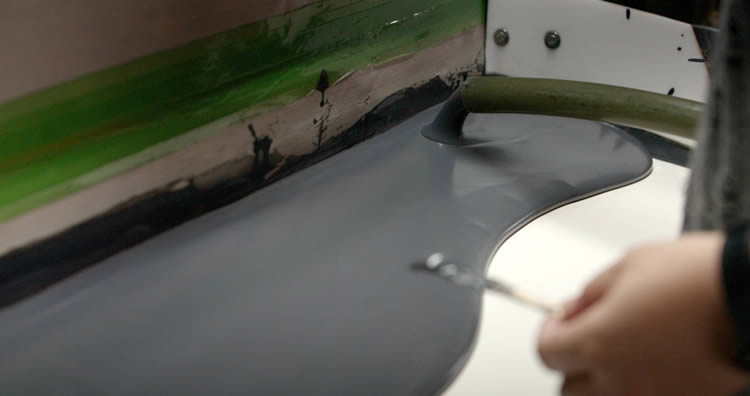
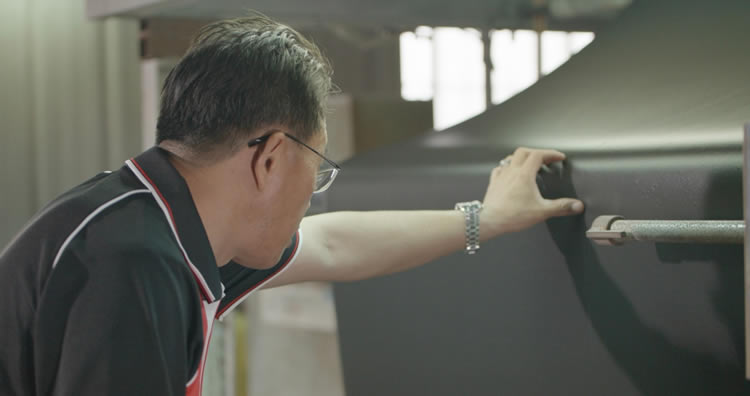
We provide end-to-end manufacturing capabilities under one roof—covering every stage from material sourcing and foaming, to precision molding, lamination, cutting, sewing, and strict quality control. This full-process control not only ensures product consistency and durability, but also allows for faster lead times and better customization flexibility.
With our flexible production capacity, we accommodate both small batch custom orders and high-volume mass production with equal efficiency. Whether you're a startup launching your first insole or pillow line, or a global brand scaling up to meet market demand, GuangXin is equipped to deliver reliable OEM/ODM solutions that grow with your business.
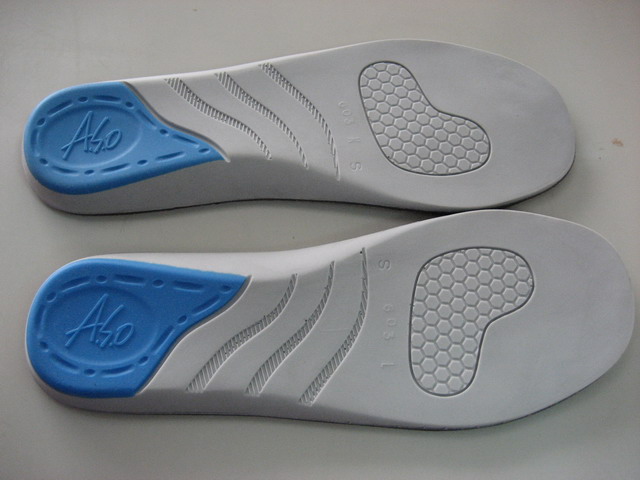
Customization & OEM/ODM Flexibility
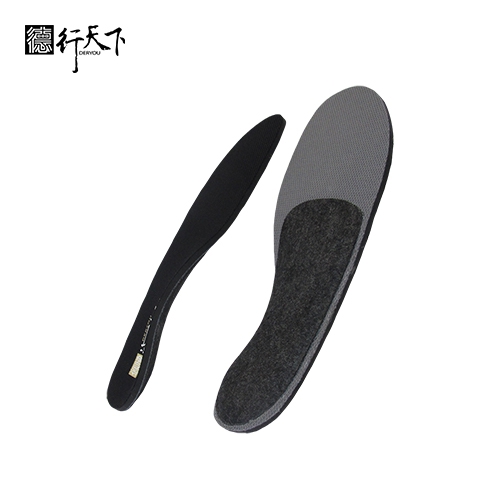
GuangXin offers exceptional flexibility in customization and OEM/ODM services, empowering our partners to create insole products that truly align with their brand identity and target market. We develop insoles tailored to specific foot shapes, end-user needs, and regional market preferences, ensuring optimal fit and functionality.
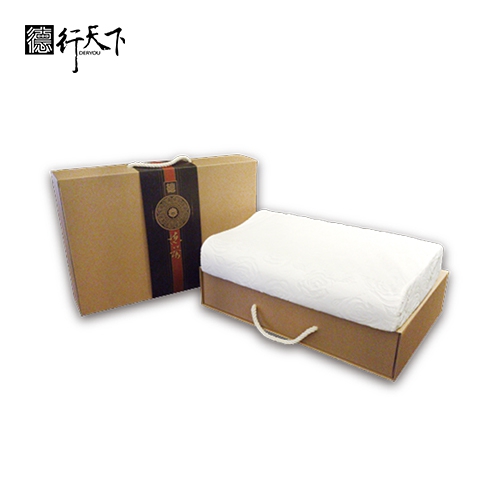
Our team supports comprehensive branding solutions, including logo printing, custom packaging, and product integration support for marketing campaigns. Whether you're launching a new product line or upgrading an existing one, we help your vision come to life with attention to detail and consistent brand presentation.
With fast prototyping services and efficient lead times, GuangXin helps reduce your time-to-market and respond quickly to evolving trends or seasonal demands. From concept to final production, we offer agile support that keeps you ahead of the competition.
Quality Assurance & Certifications
Quality is at the heart of everything we do. GuangXin implements a rigorous quality control system at every stage of production—ensuring that each insole meets the highest standards of consistency, comfort, and durability.
We provide a variety of in-house and third-party testing options, including antibacterial performance, odor control, durability testing, and eco-safety verification, to meet the specific needs of our clients and markets.
Our products are fully compliant with international safety and environmental standards, such as REACH, RoHS, and other applicable export regulations. This ensures seamless entry into global markets while supporting your ESG and product safety commitments.
ESG-Oriented Sustainable Production
At GuangXin Industrial, we are committed to integrating ESG (Environmental, Social, and Governance) values into every step of our manufacturing process. We actively pursue eco-conscious practices by utilizing eco-friendly materials and adopting low-carbon production methods to reduce environmental impact.
To support circular economy goals, we offer recycled and upcycled material options, including innovative applications such as recycled glass and repurposed LCD panel glass. These materials are processed using advanced techniques to retain performance while reducing waste—contributing to a more sustainable supply chain.
We also work closely with our partners to support their ESG compliance and sustainability reporting needs, providing documentation, traceability, and material data upon request. Whether you're aiming to meet corporate sustainability targets or align with global green regulations, GuangXin is your trusted manufacturing ally in building a better, greener future.
Let’s Build Your Next Insole Success Together
Looking for a reliable insole manufacturing partner that understands customization, quality, and flexibility? GuangXin Industrial Co., Ltd. specializes in high-performance insole production, offering tailored solutions for brands across the globe. Whether you're launching a new insole collection or expanding your existing product line, we provide OEM/ODM services built around your unique design and performance goals.
From small-batch custom orders to full-scale mass production, our flexible insole manufacturing capabilities adapt to your business needs. With expertise in PU, latex, and graphene insole materials, we turn ideas into functional, comfortable, and market-ready insoles that deliver value.
Contact us today to discuss your next insole project. Let GuangXin help you create custom insoles that stand out, perform better, and reflect your brand’s commitment to comfort, quality, and sustainability.
🔗 Learn more or get in touch:
🌐 Website: https://www.deryou-tw.com/
📧 Email: shela.a9119@msa.hinet.net
📘 Facebook: facebook.com/deryou.tw
📷 Instagram: instagram.com/deryou.tw
Taiwan pillow OEM manufacturing factory
Are you looking for a trusted and experienced manufacturing partner that can bring your comfort-focused product ideas to life? GuangXin Industrial Co., Ltd. is your ideal OEM/ODM supplier, specializing in insole production, pillow manufacturing, and advanced graphene product design.
With decades of experience in insole OEM/ODM, we provide full-service manufacturing—from PU and latex to cutting-edge graphene-infused insoles—customized to meet your performance, support, and breathability requirements. Our production process is vertically integrated, covering everything from material sourcing and foaming to molding, cutting, and strict quality control.Thailand athletic insole OEM supplier
Beyond insoles, GuangXin also offers pillow OEM/ODM services with a focus on ergonomic comfort and functional innovation. Whether you need memory foam, latex, or smart material integration for neck and sleep support, we deliver tailor-made solutions that reflect your brand’s values.
We are especially proud to lead the way in ESG-driven insole development. Through the use of recycled materials—such as repurposed LCD glass—and low-carbon production processes, we help our partners meet sustainability goals without compromising product quality. Our ESG insole solutions are designed not only for comfort but also for compliance with global environmental standards.Memory foam pillow OEM factory Thailand
At GuangXin, we don’t just manufacture products—we create long-term value for your brand. Whether you're developing your first product line or scaling up globally, our flexible production capabilities and collaborative approach will help you go further, faster.Custom graphene foam processing factory Taiwan
📩 Contact us today to learn how our insole OEM, pillow ODM, and graphene product design services can elevate your product offering—while aligning with the sustainability expectations of modern consumers.Thailand insole OEM manufacturer
Scientists discovered a molecular mechanism of long-term memory that is also involved in memory loss in old age. The MPS-2 protein, regulated by NHR-66, is vital for long-term memory and declines with age, but restoring it reverses memory loss. Researchers at the University of Basel have discovered a molecular mechanism that plays a central role in intact long-term memory. This mechanism is also involved in physiological memory loss in old age. Many life forms, from worms to humans, have differentiated memory functions, such as short-term and long-term memory. Interestingly, at the cell and molecule level, many of these functions are nearly identical from life form to life form. Detecting the molecules involved in memory processes is of great importance to both basic and clinical research, since it can point the way to the development of drugs for memory disorders. Key Gene mps-2 Linked to Memory Formation By studying roundworms (Caenorhabditis elegans), scientists at the Transfaculty Research Platform for Molecular and Cognitive Neurosciences (MCN) at the University of Basel have now discovered a molecular mechanism of long-term memory that is also involved in memory loss in old age. They report on their findings in the journal Current Biology. The team led by Dr Attila Stetak, Professor Andreas Papassotiropoulos, and Professor Dominique de Quervain used sensory stimuli to first examine the learning and memory ability of genetically modified roundworms lacking a certain gene, mps-2. This gene contains the blueprint for part of a voltage-dependent ion channel in the nerve cell membrane and is suspected of playing a role in memory functions. It was found that modified worms had equally good short-term memory as unmodified specimens. However, as the length of the experiment increased, the researchers found that the genetically modified worms were less able to retain what they learned. Without mps-2, they had a reduced long-term memory. Age-Related Memory Loss In roundworms, as in humans, a loss of memory can be observed with increasing age. However, the molecular basis for this process is largely unclear. In further experiments, the researchers were able to prove that unmodified worms with the mps-2 gene exhibit a strong reduction of the MPS-2 protein, the product of the gene, in old age. This was related to reduced memory performance. This lack of MPS-2 protein proved not to be a passive but an actively regulated process. The research team was able to identify another protein, NHR-66, as responsible for regulating this deficiency. NHR-66 actively curbs the reading of the mps-2 gene and thus production of the MPS-2 protein in old age. If in older worms MPS-2 protein level was artificially induced or their NHR-66 was turned off, they had a similarly good memory as younger worms. Both molecules, MPS-2 and NHR-66, therefore make for interesting targets for drugs that could mitigate age-related memory loss. In further studies, the researchers want to examine therapeutic options based on their discovery. Reference: “Dual Role of an mps-2/KCNE-Dependent Pathway in Long-Term Memory and Age-Dependent Memory Decline” by Bank G. Fenyves, Andreas Arnold, Vaibhav G. Gharat, Carmen Haab, Kiril Tishinov, Fabian Peter, Dominique de Quervain, Andreas Papassotiropoulos and Attila Stetak, 30 November 2020, Current Biology. DOI: 10.1016/j.cub.2020.10.069 The current study is part of the Basel Genetics Memory Project of the Transfaculty Research Platform for Molecular and Cognitive Neurosciences, led by Andreas Papassotiropoulos and Dominique de Quervain. The aim is for the findings to be transferred from basic research into pharmaceutical studies and clinical projects as quickly as possible.
Research shows that bottlenose dolphins use a smiling-like “open mouth” expression to communicate playfully, which their peers reciprocate 33% of the time, highlighting the role of facial expressions in managing social interactions across different species. Credit: ZooMarine, Italy Bottlenose dolphins use an “open mouth” facial expression during social play to signal playfulness. This expression is mimicked by playmates 33% of the time, suggesting its role in dolphin communication. Dolphins are extremely playful, but little is known about how they—and other marine mammals—communicate during playtime. New research recently published in the Cell Press journal iScience shows that bottlenose dolphins (Tursiops truncates) use the “open mouth” facial expression—analogous to a smile—to communicate during social play. The dolphins almost always use the facial expressions when they are in their playmate’s field of view, and when playmates perceived a “smile,” they responded in kind 33% of the time. “We’ve uncovered the presence of a distinct facial display, the open mouth, in bottlenose dolphins, and we showed that dolphins are also able to mirror others’ facial expressions,” says senior author and evolutionary biologist Elisabetta Palagi of the University of Pisa. “Open-mouth signals and rapid mimicry appear repeatedly across the mammal family tree, which suggests that visual communication has played a crucial role in shaping complex social interactions, not only in dolphins but in many species over time.” Dolphin play can include acrobatics, surfing, playing with objects, chasing, and playfighting, and it’s important that these activities aren’t misinterpreted as aggression. Other mammals use facial expressions to communicate playfulness, but whether marine mammals also use facial expressions to signal playtime hasn’t been previously explored. Evolution of the Open Mouth Gesture “The open mouth gesture likely evolved from the biting action, breaking down the biting sequence to leave only the ‘intention to bite’ without contact,” says Palagi. “The relaxed open mouth, seen in social carnivores, monkeys’ play faces, and even human laughter, is a universal sign of playfulness, helping animals—and us—signal fun and avoid conflict.” To investigate whether dolphins visually communicate playfulness, the researchers recorded captive bottlenose dolphins while they were playing in pairs and while they were playing freely with their human trainers. They showed that dolphins frequently use the open-mouth expression when playing with other dolphins, but they don’t seem to use it when playing with humans or when they’re playing by themselves. While only one open-mouth event was recorded during solitary play, the researchers recorded a total of 1,288 open-mouth events during social play sessions, and 92% of these events occurred during dolphin-dolphin play sessions. Dolphins were also more likely to assume the open-mouth expression when their faces were in the field of view of their playmate—89% of recorded open-mouth expressions were emitted in this context—and when this “smile” was perceived, the playmate smiled back 33% of the time. Mimicry and Future Research “Some may argue that dolphins are merely mimicking each other’s open-mouth expressions by chance, given they’re often involved in the same activity or context, but this doesn’t explain why the probability of mimicking another dolphin’s open mouth within 1 second is 13 times higher when the receiver actually sees the original expression,” says Palagi. “This rate of mimicry in dolphins is consistent with what’s been observed in certain carnivores, such as meerkats and sun bears.” The researchers didn’t record the dolphins’ acoustic signals during playtime, and they say that future studies should investigate the possible role of vocalizations and tactile signals during playful interactions. “Future research should dive into eye-tracking to explore how dolphins see their world and utilize acoustic signals in their multimodal communication during play,” says corresponding author and zoologist Livio Favaro. “Dolphins have developed one of the most intricate vocal systems in the animal world, but sound can also expose them to predators or eavesdroppers. When dolphins play together, a mix of whistling and visual cues helps them cooperate and achieve goals, a strategy particularly useful during social play when they’re less on guard for predators.” Reference: “Smiling underwater: Exploring playful signals and rapid mimicry in bottlenose dolphins” by Veronica Maglieri, Federica Vantaggio, Cristina Pilenga, Martin Böye, Alban Lemasson, Livio Favaro and Elisabetta Palagi, 2 October 2024, iScience. DOI: 10.1016/j.isci.2024.110966
Recent research shows that mitochondria regularly send DNA into brain cell nuclei, a process that can integrate with our chromosomes and possibly shorten our lifespan by impacting cellular functions. According to the research, these mitochondrial DNA insertions could be linked to early death. Mitochondria in brain cells frequently insert their DNA into the nucleus, potentially impacting lifespan, as those with more insertions were found to die earlier. Stress appears to accelerate this process, suggesting a new way mitochondria influence health beyond energy production. As direct descendants of ancient bacteria, mitochondria have always been a little alien. Now a study shows that mitochondria are possibly even stranger than we thought. Mitochondria in our brain cells frequently fling their DNA into the nucleus, the study found, where the DNA becomes integrated into the cells’ chromosomes. And these insertions may be causing harm: Among the study’s nearly 1,200 participants, those with more mitochondrial DNA insertions in their brain cells were more likely to die earlier than those with fewer insertions. “We used to think that the transfer of DNA from mitochondria to the human genome was a rare occurrence,” says Martin Picard, mitochondrial psychobiologist and associate professor of behavioral medicine at Columbia University Vagelos College of Physicians and Surgeons and in the Robert N. Butler Columbia Aging Center. Picard led the study with Ryan Mills of the University of Michigan. “It’s stunning that it appears to be happening several times during a person’s lifetime, Picard adds. “We found lots of these insertions across different brain regions, but not in blood cells, explaining why dozens of earlier studies analyzing blood DNA missed this phenomenon.” Mitochondrial DNA behaves like a virus Mitochondria live inside all our cells, but unlike other organelles, mitochondria have their own DNA, a small circular strand with about three dozen genes. Mitochondrial DNA is a remnant from the organelle’s forebears: ancient bacteria that settled inside our single-celled ancestors about 1.5 billion years ago. In the past few decades, researchers discovered that mitochondrial DNA has occasionally “jumped” out of the organelle and into human chromosomes. Mitochondria release segments of mitochondrial DNA that can travel through pores of the nucleus and integrate into a cell’s chromosomes (where the insertions are called NUMTs, for nuclear mitochochondrial segments). A new study has found that nuclear mitochondrial DNA insertion—once thought rare—happens in the human brain likely several times over during a person’s lifespan. Credit: Martin Picard laboratory at Columbia University Vagelos College of Physicians and Surgeons “The mitochondrial DNA behaves similar to a virus in that it makes use of cuts in the genome and pastes itself in, or like jumping genes known as retrotransposons that move around the human genome,” says Mills. The insertions are called nuclear-mitochondrial segments—NUMTs (“pronounced new-mites”)—and have been accumulating in our chromosomes for millions of years. “As a result, all of us are walking around with hundreds of vestigial, mostly benign, mitochondrial DNA segments in our chromosomes that we inherited from our ancestors,” Mills says. Mitochondrial DNA insertions are common in the human brain Research in just the past few years has shown that “NUMTogenesis” is still happening today. “Jumping mitochondrial DNA is not something that only happened in the distant past,” says Kalpita Karan, a postdoc in the Picard lab who conducted the research with Weichen Zhou, a research investigator in the Mills lab. “It’s rare, but a new NUMT becomes integrated into the human genome about once in every 4,000 births. This is one of many ways, conserved from yeast to humans, by which mitochondria talk to nuclear genes.” The realization that new inherited NUMTs are still being created made Picard and Mills wonder if NUMTs could also arise in brain cells during our lifespan. “Inherited NUMTs are mostly benign, probably because they arise early in development and the harmful ones are weeded out,” says Zhou. But if a piece of mitochondrial DNA inserts itself within a gene or regulatory region, it could have important consequences on that person’s health or lifespan. Neurons may be particularly susceptible to damage caused by NUMTs because when a neuron is damaged, the brain does not usually make a new brain cell to take its place. To examine the extent and impact of new NUMTs in the brain, the team worked with Hans Klein, assistant professor in the Center for Translational and Computational Neuroimmunology at Columbia, who had access to DNA sequences from participants in the ROSMAP aging study (led by David Bennett at Rush University). The researchers looked for NUMTs in different regions of the brain using banked tissue samples from more than 1,000 older adults. Their analysis showed that nuclear mitochondrial DNA insertion happens in the human brain—mostly in the prefrontal cortex—and likely several times over during a person’s lifespan. They also found that people with more NUMTs in their prefrontal cortex died earlier than individuals with fewer NUMTs. “This suggests for the first time that NUMTs may have functional consequences and possibly influence lifespan,” Picard says. “NUMT accumulation can be added to the list of genome instability mechanisms that may contribute to aging, functional decline, and lifespan.” Stress accelerates NUMTogenesis What causes NUMTs in the brain, and why do some regions accumulate more than others? To get some clues, the researchers looked at a population of human skin cells that can be cultured and aged in a dish over several months, enabling exceptional longitudinal “lifespan” studies. These cultured cells gradually accumulated several NUMTs per month, and when the cells’ mitochondria were dysfunctional from stress, the cells accumulated NUMTs four to five times more rapidly. “This shows a new way by which stress can affect the biology of our cells,” Karan says. “Stress makes mitochondria more likely to release pieces of their DNA and these pieces can then ‘infect’ the nuclear genome,” Zhou adds. It’s just one way mitochondria shape our health beyond energy production. “Mitochondria are cellular processors and a mighty signaling platform,” Picard says. “We knew they could control which genes are turned on or off. Now we know mitochondria can even change the nuclear DNA sequence itself.” Reference: “Somatic nuclear mitochondrial DNA insertions are prevalent in the human brain and accumulate over time in fibroblasts” by Weichen Zhou, Kalpita R. Karan, Wenjin Gu, Hans-Ulrich Klein, Gabriel Sturm, Philip L. De Jager, David A. Bennett, Michio Hirano, Martin Picard and Ryan E. Mills, 22 August 2024, PLOS Biology. DOI: 10.1371/journal.pbio.3002723 This work was supported by grants from the U.S. National Institutes of Health (R01AG066828, R21HG011493, and P30AG072931), the Baszucki Brain Research Fund, and the University of Michigan Alzheimer’s Disease Center Berger Endowment.
DVDV1551RTWW78V
Indonesia OEM insole and pillow supplier 》meeting your quality standards, exceeding your expectationsThailand OEM factory for footwear and bedding 》trusted by global brands for reliable quality and flexibilityChina ODM expert for comfort products 》trusted by global brands for reliable quality and flexibility
下一則: Taiwan orthopedic insole OEM manufacturing site 》t
限會員,要發表迴響,請先登入


