Introduction – Company Background
GuangXin Industrial Co., Ltd. is a specialized manufacturer dedicated to the development and production of high-quality insoles.
With a strong foundation in material science and footwear ergonomics, we serve as a trusted partner for global brands seeking reliable insole solutions that combine comfort, functionality, and design.
With years of experience in insole production and OEM/ODM services, GuangXin has successfully supported a wide range of clients across various industries—including sportswear, health & wellness, orthopedic care, and daily footwear.
From initial prototyping to mass production, we provide comprehensive support tailored to each client’s market and application needs.
At GuangXin, we are committed to quality, innovation, and sustainable development. Every insole we produce reflects our dedication to precision craftsmanship, forward-thinking design, and ESG-driven practices.
By integrating eco-friendly materials, clean production processes, and responsible sourcing, we help our partners meet both market demand and environmental goals.
Core Strengths in Insole Manufacturing
At GuangXin Industrial, our core strength lies in our deep expertise and versatility in insole and pillow manufacturing. We specialize in working with a wide range of materials, including PU (polyurethane), natural latex, and advanced graphene composites, to develop insoles and pillows that meet diverse performance, comfort, and health-support needs.
Whether it's cushioning, support, breathability, or antibacterial function, we tailor material selection to the exact requirements of each project-whether for foot wellness or ergonomic sleep products.
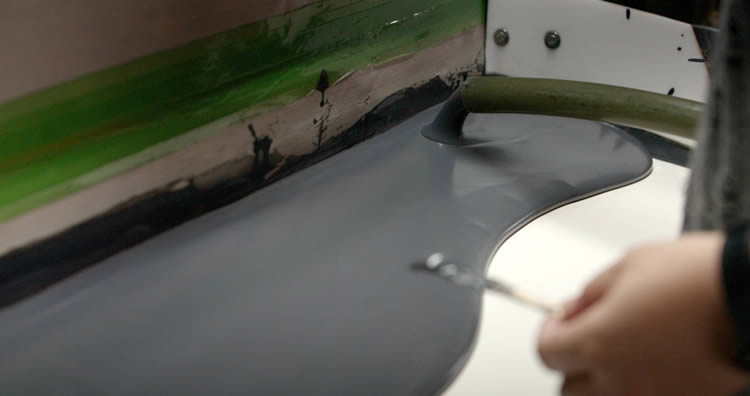
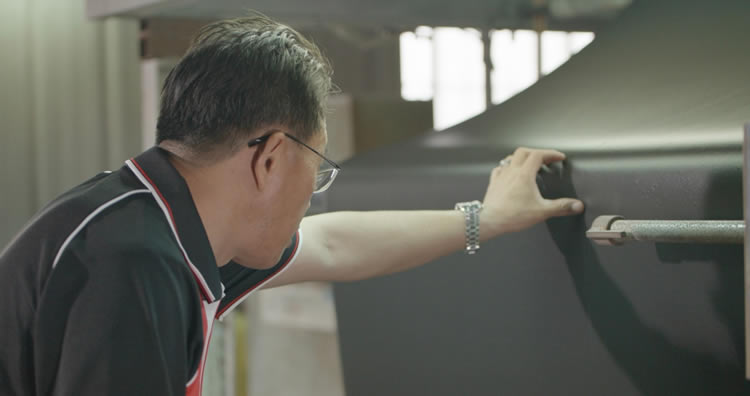
We provide end-to-end manufacturing capabilities under one roof—covering every stage from material sourcing and foaming, to precision molding, lamination, cutting, sewing, and strict quality control. This full-process control not only ensures product consistency and durability, but also allows for faster lead times and better customization flexibility.
With our flexible production capacity, we accommodate both small batch custom orders and high-volume mass production with equal efficiency. Whether you're a startup launching your first insole or pillow line, or a global brand scaling up to meet market demand, GuangXin is equipped to deliver reliable OEM/ODM solutions that grow with your business.
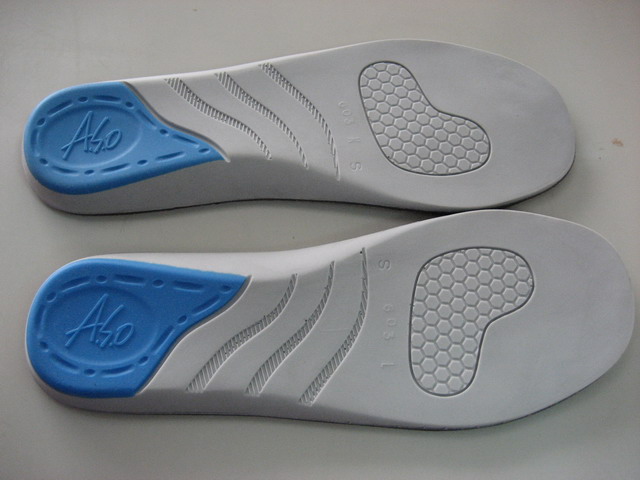
Customization & OEM/ODM Flexibility
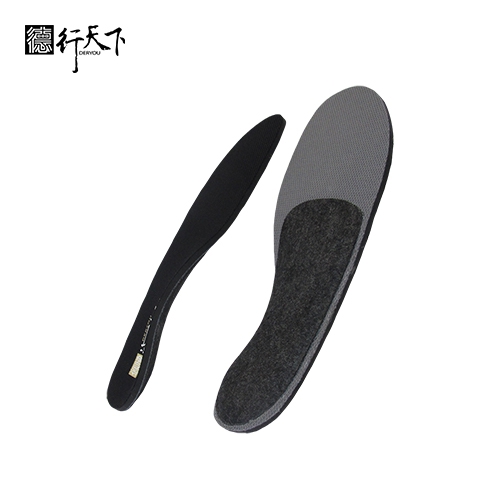
GuangXin offers exceptional flexibility in customization and OEM/ODM services, empowering our partners to create insole products that truly align with their brand identity and target market. We develop insoles tailored to specific foot shapes, end-user needs, and regional market preferences, ensuring optimal fit and functionality.
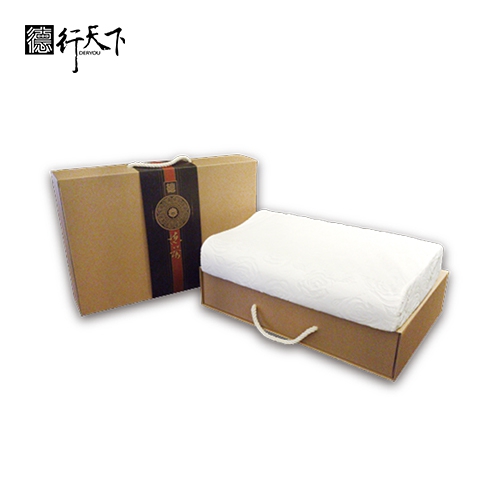
Our team supports comprehensive branding solutions, including logo printing, custom packaging, and product integration support for marketing campaigns. Whether you're launching a new product line or upgrading an existing one, we help your vision come to life with attention to detail and consistent brand presentation.
With fast prototyping services and efficient lead times, GuangXin helps reduce your time-to-market and respond quickly to evolving trends or seasonal demands. From concept to final production, we offer agile support that keeps you ahead of the competition.
Quality Assurance & Certifications
Quality is at the heart of everything we do. GuangXin implements a rigorous quality control system at every stage of production—ensuring that each insole meets the highest standards of consistency, comfort, and durability.
We provide a variety of in-house and third-party testing options, including antibacterial performance, odor control, durability testing, and eco-safety verification, to meet the specific needs of our clients and markets.
Our products are fully compliant with international safety and environmental standards, such as REACH, RoHS, and other applicable export regulations. This ensures seamless entry into global markets while supporting your ESG and product safety commitments.
ESG-Oriented Sustainable Production
At GuangXin Industrial, we are committed to integrating ESG (Environmental, Social, and Governance) values into every step of our manufacturing process. We actively pursue eco-conscious practices by utilizing eco-friendly materials and adopting low-carbon production methods to reduce environmental impact.
To support circular economy goals, we offer recycled and upcycled material options, including innovative applications such as recycled glass and repurposed LCD panel glass. These materials are processed using advanced techniques to retain performance while reducing waste—contributing to a more sustainable supply chain.
We also work closely with our partners to support their ESG compliance and sustainability reporting needs, providing documentation, traceability, and material data upon request. Whether you're aiming to meet corporate sustainability targets or align with global green regulations, GuangXin is your trusted manufacturing ally in building a better, greener future.
Let’s Build Your Next Insole Success Together
Looking for a reliable insole manufacturing partner that understands customization, quality, and flexibility? GuangXin Industrial Co., Ltd. specializes in high-performance insole production, offering tailored solutions for brands across the globe. Whether you're launching a new insole collection or expanding your existing product line, we provide OEM/ODM services built around your unique design and performance goals.
From small-batch custom orders to full-scale mass production, our flexible insole manufacturing capabilities adapt to your business needs. With expertise in PU, latex, and graphene insole materials, we turn ideas into functional, comfortable, and market-ready insoles that deliver value.
Contact us today to discuss your next insole project. Let GuangXin help you create custom insoles that stand out, perform better, and reflect your brand’s commitment to comfort, quality, and sustainability.
🔗 Learn more or get in touch:
🌐 Website: https://www.deryou-tw.com/
📧 Email: shela.a9119@msa.hinet.net
📘 Facebook: facebook.com/deryou.tw
📷 Instagram: instagram.com/deryou.tw
Innovative pillow ODM solution in Taiwan
Are you looking for a trusted and experienced manufacturing partner that can bring your comfort-focused product ideas to life? GuangXin Industrial Co., Ltd. is your ideal OEM/ODM supplier, specializing in insole production, pillow manufacturing, and advanced graphene product design.
With decades of experience in insole OEM/ODM, we provide full-service manufacturing—from PU and latex to cutting-edge graphene-infused insoles—customized to meet your performance, support, and breathability requirements. Our production process is vertically integrated, covering everything from material sourcing and foaming to molding, cutting, and strict quality control.China foot care insole ODM expert
Beyond insoles, GuangXin also offers pillow OEM/ODM services with a focus on ergonomic comfort and functional innovation. Whether you need memory foam, latex, or smart material integration for neck and sleep support, we deliver tailor-made solutions that reflect your brand’s values.
We are especially proud to lead the way in ESG-driven insole development. Through the use of recycled materials—such as repurposed LCD glass—and low-carbon production processes, we help our partners meet sustainability goals without compromising product quality. Our ESG insole solutions are designed not only for comfort but also for compliance with global environmental standards.Graphene insole manufacturer in Vietnam
At GuangXin, we don’t just manufacture products—we create long-term value for your brand. Whether you're developing your first product line or scaling up globally, our flexible production capabilities and collaborative approach will help you go further, faster.Vietnam insole ODM service provider
📩 Contact us today to learn how our insole OEM, pillow ODM, and graphene product design services can elevate your product offering—while aligning with the sustainability expectations of modern consumers.Eco-friendly pillow OEM manufacturer Thailand
Organization of mitotic chromosomes (magenta) and spindle microtubules (green) at an early phase of cell division. Shortly after what’s shown in the image, the microtubules will invade the nuclear space. However, chromatin compaction regulated by histone acetylation will prevent the perforation of the chromosomes by microtubules. Credit: ©Gerlich/IMBA How the genome is packed into chromosomes that can be faithfully moved during cell division. Scientists discovered a molecular mechanism that confers special physical properties to chromosomes in dividing human cells to enable their faithful transport to the progeny. The research team showed how a chemical modification establishes a sharp surface boundary on chromosomes, thus allowing them to resist perforation by microtubules of the spindle apparatus. The researchers are from the Gerlich Group at IMBA – Institute of Molecular Biotechnology of the Austrian Academy of Sciences, and their findings are published today (August 3, 2022) in the journal Nature. Exactly one genome copy must be transported to each of the two daughter cells during cell division. Faithful genome segregation requires the packaging of extremely long chromosomal DNA molecules into discrete bodies. This allows them to be efficiently moved by the mitotic spindle, a filament system composed of thousands of microtubules. The new findings by the Gerlich Research Group at IMBA – Institute of Molecular Biotechnology of the Austrian Academy of Sciences – shed light on how mitotic chromosomes resist the constant pushing and pulling forces generated by the microtubules. “Amidst this complex system, the distinct physical properties are conferred to the chromosomes by changing the levels of histone acetylation, a chemical modification within the chromatin fiber,” says IMBA Group Leader Daniel Gerlich. Prior research had demonstrated that, in dividing cells, the chromatin fibers are folded into loops by a large protein complex called condensin. However, the role of condensin alone could not explain why chromosomes appear as dense bodies with a sharp surface rather than a loose structure resembling a bottlebrush. Some studies had suggested a role of histone acetylation in regulating the level of compaction during cell division, but the interplay of histone acetylation with condensin and its functional relevance remained unclear. “With our work, we are now able to conceptually disentangle the two mechanisms,” states Gerlich. Disentangling the Effects of Condensin and Histone Acetylation The scientists varied the levels of condensin and histone acetylation to study their precise effects. Removing condensin disrupted the elongated shape of chromosomes in dividing cells and lowered their resistance to pulling forces but did not affect their level of compaction. Combining condensin depletion with a treatment that increases the levels of histone acetylation caused massive chromatin decompaction in dividing cells, and perforation of chromosomes by microtubules. The team hypothesized that chromatin is organized as a swollen gel throughout most of the cell cycle (when it is relatively highly acetylated) and that this gel compacts to an insoluble form during cell division when the acetylation levels globally decrease. They then developed an assay to probe the solubility of chromatin by fragmenting mitotic chromosomes into small pieces. The fragments of mitotic chromosomes formed droplets of liquid chromatin, but when the acetylation level was increased, the chromatin fragments dissolved in the cytoplasm. These observations support a model where a global reduction of chromatin acetylation during mitosis establishes an immiscible chromatin gel with a sharp phase boundary, providing a physical basis for resistance against microtubule perforation. With further experiments involving pure chromatin that was reconstituted in vitro, and by probing chromatin access by various soluble macromolecules, the researchers discovered that immiscible chromatin forms a structure dense in negative charge that excludes negatively charged macromolecules and microtubules. Cooperation Between Condensin and Chromatin Phase Separation “Our study shows how DNA looping by the condensin complex cooperates with a chromatin phase separation process to build mitotic chromosomes that resist both pulling and pushing forces exerted by the spindle. The deacetylation of histones during cell division hence confers unique physical properties to chromosomes that are required for their faithful segregation,” concludes Daniel Gerlich. Reference: “A mitotic chromatin phase transition prevents perforation by microtubules” by Maximilian W. G. Schneider, Bryan A. Gibson, Shotaro Otsuka, Maximilian F. D. Spicer, Mina Petrovic, Claudia Blaukopf, Christoph C. H. Langer, Paul Batty, Thejaswi Nagaraju, Lynda K. Doolittle, Michael K. Rosen and Daniel W. Gerlich, 3 August 2022, Nature. DOI: 10.1038/s41586-022-05027-y Funding: Austrian Science Fund, Vienna Science and Technology Fund, Vienna Science and Technology Fund, Howard Hughes Medical Institute, NIH/National Institutes of Health, Welch Foundation, Boehringer Ingelheim Fonds
The common cuttlefish is one of the largest and best-known cuttlefish species. Credit: © Hans Hillewaert, CC BY-SA 4.0 Cuttlefish can remember what, where, and when specific events happened – right up to their last few days of life, researchers have found. The results, published this week in the journal Proceedings of the Royal Society B, are the first evidence of an animal whose memory of specific events does not deteriorate with age. Researchers from the University of Cambridge, U.K., the Marine Biological Laboratory (MBL), Woods Hole, Mass., and the University of Caen, France, conducted memory tests with 24 common cuttlefish, Sepia officinalis. Half of them were 10-12 months old – not-quite adult, and the other half were 22-24 months old – equivalent to humans in their 90s. “Cuttlefish can remember what they ate, where, and when, and use this to guide their feeding decisions in the future. What’s surprising is that they don’t lose this ability with age, despite showing other signs of aging such as loss of muscle function and appetite,” said first author Alexandra Schnell of the University of Cambridge’s Department of Psychology, who conducted the experiments at the Marine Biological Laboratory in collaboration with MBL Senior Scientist Roger Hanlon. The common cuttlefish (Sepia officinalis). Credit: Roger Hanlon As humans age, they gradually lose the ability to remember experiences that happened at particular times and places – for example, what we had for dinner last Tuesday. This is termed episodic memory, and its decline is thought to be due to the deterioration of a part of the brain called the hippocampus. Cuttlefish do not have a hippocampus, and their brain structure is dramatically different to ours. The vertical lobe of the cuttlefish brain is associated with learning and memory. This does not deteriorate until the last two to three days of the animal’s life, which the researchers say could explain why episodic-like memory is not affected by age in cuttlefish. Alex Schnell in Cephalopod Mariculture Facility at Marine Biological Laboratory, Woods Hole, Mass., where this experimental work was conducted. Credit: Grass Foundation To conduct the experiment, the cuttlefish were first trained to approach a specific location in their tank marked with a black and white flag. Then they were trained to learn that two foods they commonly eat – grass shrimp, which they prefer, and king prawn — were available at specific flag-marked locations and after specific delays. This training was repeated daily for four weeks. Then the cuttlefishes’ recall of which food would be available, where, and when was tested. To make sure they hadn’t just learned a pattern, the two feeding locations were unique each day. All the cuttlefish – regardless of age – watched which food first appeared at each flag and used that to work out which feeding spot was best at each subsequent mealtime. “The old cuttlefish were just as good as the younger ones in the memory task – in fact, many of the older ones did better in the test phase. We think this ability might help cuttlefish in the wild to remember who they mated with, so they don’t go back to the same partner,” said Schnell. Alex Schnell with a cuttlefish tank at the Marine Biological Laboratory, Woods Hole, Mass., where this experimental work was conducted. Credit: Grass Foundation Cuttlefish only breed at the end of their life. By remembering who they mated with, where, and how long ago, the researchers think this helps the cuttlefish to spread their genes widely by mating with as many partners as possible. Cuttlefish have short lifespans – most live until around two years old – making them a good subject to test whether memory declines with age. Since it is impossible to test whether animals are consciously remembering things, the authors used the term ‘episodic-like memory’ to refer to the ability of cuttlefish to remember what, where and when specific things happened. Reference: “Episodic-like memory is preserved with age in cuttlefish” by Alexandra K. Schnell, Nicola S. Clayton, Roger T. Hanlon and Christelle Jozet-Alves, 18 August 2021, Proceedings of the Royal Society B Biological Sciences. DOI: 10.1098/rspb.2021.1052 This research was funded by the Royal Society and the Grass Foundation. Schnell was a Grass Fellow in residence at the Marine Biological Laboratory when the experiments were conducted.
MIT researchers have discovered that chromatin spends most of its time in a partially looped state (middle). Fully formed loops (right) occur only three to six percent of the time, they found. Credit: Courtesy of the researchers, edited by MIT News MIT research finds genome loops don’t last long in cells; theories of how loops control gene expression may need to be revised. In human chromosomes, DNA is coated by proteins to form an extremely long beaded string. This “string” is folded into multiple loops, which are thought to aid cells in controlling gene expression and facilitating DNA repair, among other functions. According to a new MIT study, these loops are more dynamic and shorter-lived than previously thought. The researchers were able to track the movement of one stretch of the genome in a living cell for roughly two hours in the latest study. They discovered that this segment was only fully looped 3 to 6% of the time, with the loop lasting only about 10 to 30 minutes. According to the researchers, the findings suggest that scientists’ present understanding of how loops regulate gene expression may need to be changed. “Many models in the field have been these pictures of static loops regulating these processes. What our new paper shows is that this picture is not really correct,” says Anders Sejr Hansen, the Underwood-Prescott Career Development Assistant Professor of Biological Engineering at MIT. “We suggest that the functional state of these domains is much more dynamic.” Hansen is one of the senior authors of the new study, along with Leonid Mirny, a professor in MIT’s Institute for Medical Engineering and Science and the Department of Physics, and Christoph Zechner, a group leader at the Max Planck Institute of Molecular Cell Biology and Genetics in Dresden, Germany, and the Center for Systems Biology Dresden. MIT postdoc Michele Gabriele, recent Harvard University PhD recipient Hugo Brandão, and MIT graduate student Simon Grosse-Holz are the lead authors of the paper, which was published on April 14, 2022, in the journal Science. Out of the Loop Using computer simulations and experimental data, scientists including Mirny’s group at MIT have shown that loops in the genome are formed by a process called extrusion, in which a molecular motor promotes the growth of progressively larger loops. The motor stops each time it encounters a “stop sign” on DNA. The motor that extrudes such loops is a protein complex called cohesin, while the DNA-bound protein CTCF serves as the stop sign. These cohesin-mediated loops between CTCF sites were seen in previous experiments. However, those experiments only offered a snapshot of a moment in time, with no information on how the loops change over time. In their new study, the researchers developed techniques that allowed them to fluorescently label CTCF DNA sites so they could image the DNA loops over several hours. They also created a new computational method that can infer the looping events from the imaging data. “This method was crucial for us to distinguish signal from noise in our experimental data and quantify looping,” Zechner says. “We believe that such approaches will become increasingly important for biology as we continue to push the limits of detection with experiments.” The researchers used their method to image a stretch of the genome in mouse embryonic stem cells. “If we put our data in the context of one cell division cycle, which lasts about 12 hours, the fully formed loop only actually exists for about 20 to 45 minutes, or about 3 to 6 percent of the time,” Grosse-Holz says. “If the loop is only present for such a tiny period of the cell cycle and very short-lived, we shouldn’t think of this fully looped state as being the primary regulator of gene expression,” Hansen says. “We think we need new models for how the 3D structure of the genome regulates gene expression, DNA repair, and other functional downstream processes.” While fully formed loops were rare, the researchers found that partially extruded loops were present about 92 percent of the time. These smaller loops have been difficult to observe with the previous methods of detecting loops in the genome. “In this study, by integrating our experimental data with polymer simulations, we have now been able to quantify the relative extents of the unlooped, partially extruded, and fully looped states,” Brandão says. “Since these interactions are very short, but very frequent, the previous methodologies were not able to fully capture their dynamics,” Gabriele adds. “With our new technique, we can start to resolve transitions between fully looped and unlooped states.” The researchers hypothesize that these partial loops may play more important roles in gene regulation than fully formed loops. Strands of DNA run along each other as loops begin to form and then fall apart, and these interactions may help regulatory elements such as enhancers and gene promoters find each other. “More than 90 percent of the time, there are some transient loops, and presumably what’s important is having those loops that are being perpetually extruded,” Mirny says. “The process of extrusion itself may be more important than the fully looped state that only occurs for a short period of time.” More Loops to Study Since most of the other loops in the genome are weaker than the one the researchers studied in this paper, they suspect that many other loops will also prove to be highly transient. They now plan to use their new technique study some of those other loops, in a variety of cell types. “There are about 10,000 of these loops, and we’ve looked at one,” Hansen says. “We have a lot of indirect evidence to suggest that the results would be generalizable, but we haven’t demonstrated that. Using the technology platform we’ve set up, which combines new experimental and computational methods, we can begin to approach other loops in the genome.” The researchers also plan to investigate the role of specific loops in disease. Many diseases, including a neurodevelopmental disorder called FOXG1 syndrome, could be linked to faulty loop dynamics. The researchers are now studying how both the normal and mutated form of the FOXG1 gene, as well as the cancer-causing gene MYC, are affected by genome loop formation. Reference: “Dynamics of CTCF- and cohesin-mediated chromatin looping revealed by live-cell imaging” by Michele Gabriele, Hugo B. Brandão, Simon Grosse-Holz, Asmita Jha, Gina M. Dailey, Claudia Cattoglio, Tsung-Han S. Hsieh, Leonid Mirny, Christoph Zechner and Anders S. Hansen, 14 April 2022, Science. DOI: 10.1126/science.abn6583 The research was funded by the National Institutes of Health, the National Science Foundation, the Mathers Foundation, a Pew-Stewart Cancer Research Scholar grant, the Chaires d’excellence Internationale Blaise Pascal, an American-Italian Cancer Foundation research scholarship, and the Max Planck Institute for Molecular Cell Biology and Genetics.
DVDV1551RTWW78V
Taiwan graphene sports insole ODM factory 》experience-driven OEM/ODM for thoughtful product designSoft-touch pillow OEM service in Vietnam 》trusted by clients across wellness, footwear, and bedding industriesTaiwan custom neck pillow ODM factory 》ready to support your next launch with full-process expertise
限會員,要發表迴響,請先登入


