Introduction – Company Background
GuangXin Industrial Co., Ltd. is a specialized manufacturer dedicated to the development and production of high-quality insoles.
With a strong foundation in material science and footwear ergonomics, we serve as a trusted partner for global brands seeking reliable insole solutions that combine comfort, functionality, and design.
With years of experience in insole production and OEM/ODM services, GuangXin has successfully supported a wide range of clients across various industries—including sportswear, health & wellness, orthopedic care, and daily footwear.
From initial prototyping to mass production, we provide comprehensive support tailored to each client’s market and application needs.
At GuangXin, we are committed to quality, innovation, and sustainable development. Every insole we produce reflects our dedication to precision craftsmanship, forward-thinking design, and ESG-driven practices.
By integrating eco-friendly materials, clean production processes, and responsible sourcing, we help our partners meet both market demand and environmental goals.
Core Strengths in Insole Manufacturing
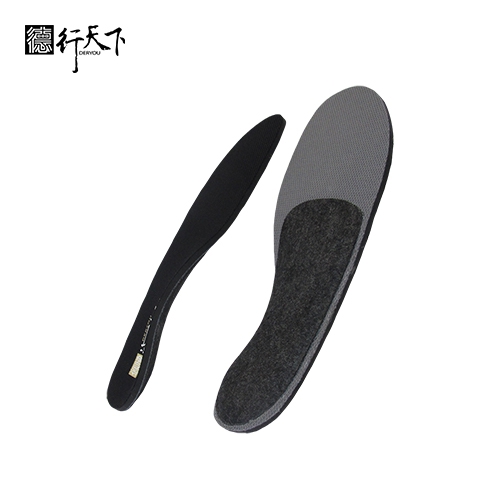
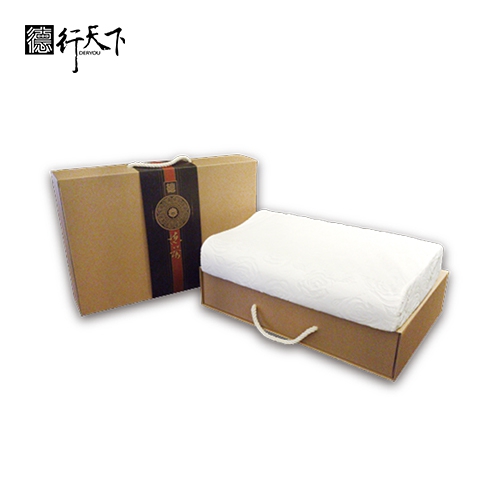
At GuangXin Industrial, our core strength lies in our deep expertise and versatility in insole and pillow manufacturing. We specialize in working with a wide range of materials, including PU (polyurethane), natural latex, and advanced graphene composites, to develop insoles and pillows that meet diverse performance, comfort, and health-support needs.
Whether it's cushioning, support, breathability, or antibacterial function, we tailor material selection to the exact requirements of each project-whether for foot wellness or ergonomic sleep products.
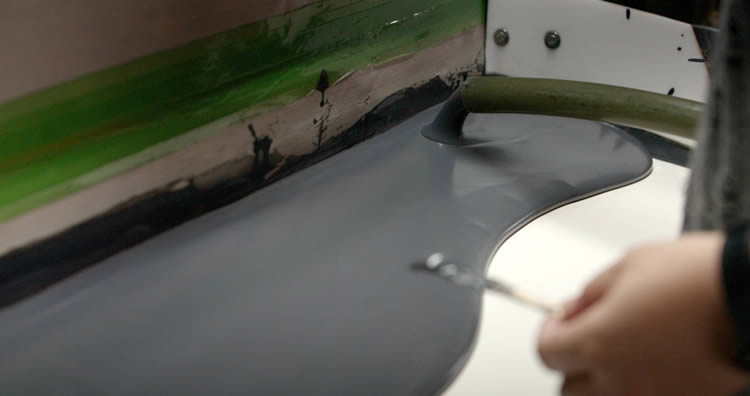
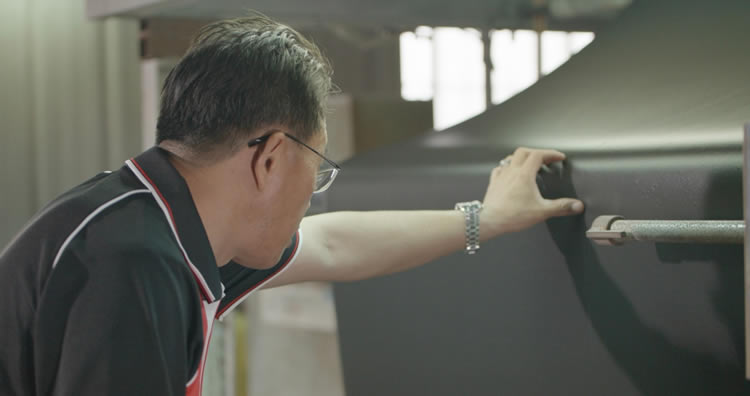
We provide end-to-end manufacturing capabilities under one roof—covering every stage from material sourcing and foaming, to precision molding, lamination, cutting, sewing, and strict quality control. This full-process control not only ensures product consistency and durability, but also allows for faster lead times and better customization flexibility.
With our flexible production capacity, we accommodate both small batch custom orders and high-volume mass production with equal efficiency. Whether you're a startup launching your first insole or pillow line, or a global brand scaling up to meet market demand, GuangXin is equipped to deliver reliable OEM/ODM solutions that grow with your business.
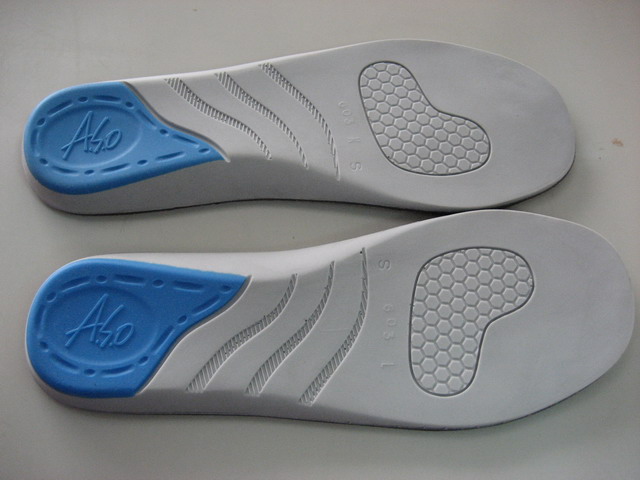
Customization & OEM/ODM Flexibility
GuangXin offers exceptional flexibility in customization and OEM/ODM services, empowering our partners to create insole products that truly align with their brand identity and target market. We develop insoles tailored to specific foot shapes, end-user needs, and regional market preferences, ensuring optimal fit and functionality.
Our team supports comprehensive branding solutions, including logo printing, custom packaging, and product integration support for marketing campaigns. Whether you're launching a new product line or upgrading an existing one, we help your vision come to life with attention to detail and consistent brand presentation.
With fast prototyping services and efficient lead times, GuangXin helps reduce your time-to-market and respond quickly to evolving trends or seasonal demands. From concept to final production, we offer agile support that keeps you ahead of the competition.
Quality Assurance & Certifications
Quality is at the heart of everything we do. GuangXin implements a rigorous quality control system at every stage of production—ensuring that each insole meets the highest standards of consistency, comfort, and durability.
We provide a variety of in-house and third-party testing options, including antibacterial performance, odor control, durability testing, and eco-safety verification, to meet the specific needs of our clients and markets.
Our products are fully compliant with international safety and environmental standards, such as REACH, RoHS, and other applicable export regulations. This ensures seamless entry into global markets while supporting your ESG and product safety commitments.
ESG-Oriented Sustainable Production
At GuangXin Industrial, we are committed to integrating ESG (Environmental, Social, and Governance) values into every step of our manufacturing process. We actively pursue eco-conscious practices by utilizing eco-friendly materials and adopting low-carbon production methods to reduce environmental impact.
To support circular economy goals, we offer recycled and upcycled material options, including innovative applications such as recycled glass and repurposed LCD panel glass. These materials are processed using advanced techniques to retain performance while reducing waste—contributing to a more sustainable supply chain.
We also work closely with our partners to support their ESG compliance and sustainability reporting needs, providing documentation, traceability, and material data upon request. Whether you're aiming to meet corporate sustainability targets or align with global green regulations, GuangXin is your trusted manufacturing ally in building a better, greener future.
Let’s Build Your Next Insole Success Together
Looking for a reliable insole manufacturing partner that understands customization, quality, and flexibility? GuangXin Industrial Co., Ltd. specializes in high-performance insole production, offering tailored solutions for brands across the globe. Whether you're launching a new insole collection or expanding your existing product line, we provide OEM/ODM services built around your unique design and performance goals.
From small-batch custom orders to full-scale mass production, our flexible insole manufacturing capabilities adapt to your business needs. With expertise in PU, latex, and graphene insole materials, we turn ideas into functional, comfortable, and market-ready insoles that deliver value.
Contact us today to discuss your next insole project. Let GuangXin help you create custom insoles that stand out, perform better, and reflect your brand’s commitment to comfort, quality, and sustainability.
🔗 Learn more or get in touch:
🌐 Website: https://www.deryou-tw.com/
📧 Email: shela.a9119@msa.hinet.net
📘 Facebook: facebook.com/deryou.tw
📷 Instagram: instagram.com/deryou.tw
Indonesia OEM/ODM hybrid insole services
Are you looking for a trusted and experienced manufacturing partner that can bring your comfort-focused product ideas to life? GuangXin Industrial Co., Ltd. is your ideal OEM/ODM supplier, specializing in insole production, pillow manufacturing, and advanced graphene product design.
With decades of experience in insole OEM/ODM, we provide full-service manufacturing—from PU and latex to cutting-edge graphene-infused insoles—customized to meet your performance, support, and breathability requirements. Our production process is vertically integrated, covering everything from material sourcing and foaming to molding, cutting, and strict quality control.ESG-compliant OEM manufacturer in Vietnam
Beyond insoles, GuangXin also offers pillow OEM/ODM services with a focus on ergonomic comfort and functional innovation. Whether you need memory foam, latex, or smart material integration for neck and sleep support, we deliver tailor-made solutions that reflect your brand’s values.
We are especially proud to lead the way in ESG-driven insole development. Through the use of recycled materials—such as repurposed LCD glass—and low-carbon production processes, we help our partners meet sustainability goals without compromising product quality. Our ESG insole solutions are designed not only for comfort but also for compliance with global environmental standards.Graphene insole manufacturer in Vietnam
At GuangXin, we don’t just manufacture products—we create long-term value for your brand. Whether you're developing your first product line or scaling up globally, our flexible production capabilities and collaborative approach will help you go further, faster.Thailand graphene material ODM solution
📩 Contact us today to learn how our insole OEM, pillow ODM, and graphene product design services can elevate your product offering—while aligning with the sustainability expectations of modern consumers.PU insole OEM production in China
Scientists have identified a new hybrid brain cell, sharing attributes of neurons and astrocytes. This discovery could settle longstanding debates in neuroscience about the role of astrocytes in synaptic transmission. Researchers have discovered a new hybrid brain cell, bridging the gap between neurons and astrocytes. This cell can release neurotransmitters and may influence conditions like epilepsy and memory consolidation, offering promising paths for neuroscientific research and potential treatments. Neuroscience is in great upheaval. The two major families of cells that make up the brain, neurons and glial cells, secretly hid a hybrid cell, halfway between these two categories. For as long as Neuroscience has existed, it has been recognized that the brain works primarily thanks to the neurons and their ability to rapidly elaborate and transmit information through their networks. To support them in this task, glial cells perform a series of structural, energetic, and immune functions, as well as stabilize physiological constants. Some of these glial cells, known as astrocytes, intimately surround synapses, the points of contact where neurotransmitters are released to transmit information between neurons. This is why neuroscientists have long suggested that astrocytes may have an active role in synaptic transmission and participate in information processing. However, the studies conducted to date to demonstrate this have suffered from conflicting results and have not reached a definitive scientific consensus yet. By identifying a new cell type with the characteristics of an astrocyte and expressing the molecular machinery necessary for synaptic transmission, neuroscientists from the Department of Basic Neurosciences of the Faculty of Biology and Medicine of the University of Lausanne (UNIL) and the Wyss Center for Bio and Neuroengineering in Geneva put an end to years of controversy. The Key to the Puzzle To confirm or refute the hypothesis that astrocytes, like neurons, are able to release neurotransmitters, researchers first scrutinized the molecular content of astrocytes using modern molecular biology approaches. Their goal was to find traces of the machinery necessary for the rapid secretion of glutamate, the main neurotransmitter used by neurons. “The precision allowed by single-cell transcriptomics approaches enabled us to demonstrate the presence in cells with astrocytic profile of transcripts of the vesicular proteins, VGLUT, in charge of filling neuronal vesicles specific for glutamate release. These transcripts were found in cells from mice, and are apparently preserved in human cells. We also identified other specialized proteins in these cells, which are essential for the function of glutamatergic vesicles and their capacity to communicate rapidly with other cells,” says Ludovic Telley, Assistant professor at UNIL, co-director of the study. New Functional Cells Next, neuroscientists tried to find out if these hybrid cells were functional, that is, able to actually release glutamate with a speed comparable to that of synaptic transmission. To do this, the research team used an advanced imaging technique that could visualize glutamate released by vesicles in brain tissues and in living mice. “We have identified a subgroup of astrocytes responding to selective stimulations with rapid glutamate release, which occurred in spatially delimited areas of these cells reminiscent of synapses,” says Andrea Volterra, honorary professor at UNIL and visiting faculty at the Wyss Center, co-director of the study. In addition, this glutamate release exerts an influence on synaptic transmission and regulates neuronal circuits. The research team was able to demonstrate this by suppressing the expression of VGLUT by the hybrid cells. “They are cells that modulate neuronal activity, they control the level of communication and excitation of the neurons,” says Roberta de Ceglia, first author of the study and senior researcher at UNIL. And without this functional machinery, the study shows that long-term potentiation, a neural process involved in the mechanisms of memorization, is impaired and that the memory of mice is impacted. Links With Brain Pathologies The implications of this discovery extend to brain disorders. By specifically disrupting glutamatergic astrocytes, the research team demonstrated effects on memory consolidation, but also observed links with pathologies such as epilepsy, whose seizures were exacerbated. Finally, the study shows that glutamatergic astrocytes also have a role in the regulation of brain circuits involved in movement control and could offer therapeutic targets for Parkinson’s disease. “In between neurons and astrocytes, we now have a new kind of cell at hand. Its discovery opens up immense research prospects. Our next studies will explore the potential protective role of this type of cell against memory impairment in Alzheimer’s disease, as well as its role in other regions and pathologies than those explored here,” projects Andrea Volterra. Reference: “Specialized astrocytes mediate glutamatergic gliotransmission in the CNS” by Roberta de Ceglia, Ada Ledonne, David Gregory Litvin, Barbara Lykke Lind, Giovanni Carriero, Emanuele Claudio Latagliata, Erika Bindocci, Maria Amalia Di Castro, Iaroslav Savtchouk, Ilaria Vitali, Anurag Ranjak, Mauro Congiu, Tara Canonica, William Wisden, Kenneth Harris, Manuel Mameli, Nicola Mercuri, Ludovic Telley and Andrea Volterra, 6 September 2023, Nature. DOI: 10.1038/s41586-023-06502-w
Reconstruction of the Jehol Biota and the well-preserved specimen of Caudipteryx. Credit: Image by ZHENG Qiuyang Organic molecule remnants found in nuclei of 125-million-year-old dinosaur cells. A team of scientists from the Institute of Vertebrate Paleontology and Paleoanthropology (IVPP) of the Chinese Academy of Sciences and from the Shandong Tianyu Museum of Nature (STM) has isolated exquisitely preserved cartilage cells in a 125-million-year-old dinosaur from Northeast China that contain nuclei with remnants of organic molecules and chromatin. The study was published in Communications Biology on September 24, 2021. The dinosaur, called Caudipteryx, was a small peacock-sized omnivore with long tail feathers. It roamed the shores of the shallow lakes of the Jehol Biota in Liaoning province during the Early Cretaceous. “Geological data has accumulated over the years and shown that fossil preservation in the Jehol Biota was exceptional due to fine volcanic ashes that entombed the carcasses and preserved them down to the cellular level,” said LI Zhiheng, Associate Professor at IVPP and a co-author of this study. The scientists extracted a piece of distal articular cartilage from the right femur of this specimen, decalcified it, and used different microscopy and chemical methods to analyze it. They realized that all the cells had been mineralized by silicification after the death of the animal. This silicification is most likely what allowed the excellent preservation of these cells. They also discovered two main types of cells: cells that were healthy at the time of fossilization, and not-so-healthy cells that were porous and fossilized while in the process of dying. “It is possible that these cells were already dying even before the animal died,” said Alida Bailleul, Associate Professor at IVPP and the corresponding author of this study. Cell death is a process that occurs naturally throughout the lives of all animals. But being able to place a fossilized cell into a specific spot within the cell cycle is quite new in paleontology. This is one of the objectives of the IVPP scientists: to improve cellular imagery in fossils. Furthermore, the team isolated some cells and stained them with a chemical used in biological laboratories worldwide. This purple chemical, called hematoxylin, is known to bind to the nuclei of cells. After staining the dinosaur material, one dinosaur cell showed a purple nucleus with some darker purple threads. This means the 125-million-year-old dinosaur cell has a nucleus so well-preserved that it retains some original biomolecules and threads of chromatin. Chromatin within the cells of all living organisms on Earth is made of tightly packed DNA molecules. The results of this study thus provide preliminary data suggesting that remnants of original dinosaur DNA may still be preserved. But to precisely test this, the team needs to do a lot more work and use chemical methods that are much more refined than the staining they used here. “Let’s be honest, we are obviously interested in fossilized cell nuclei because this is where most of the DNA should be if DNA was preserved,” said Alida Bailleul. Last year she published another study reporting exceptional nuclear and biomolecule preservation in the cartilage cells of a dinosaur from Montana.” So, we have good preliminary data, very exciting data, but we are just starting to understand cellular biochemistry in very old fossils. At this point, we need to work more.” The team insists they need to do many more analyses and even develop new methods to understand the processes that may allow biomolecule preservation in dinosaur cells, because no one has ever successfully sequenced any dinosaur DNA. In the ancient DNA community, sequencing methods are used to confirm if ancient DNA is preserved in fossils. So far, these methods have only worked for young fossils (not much older than about one million years), but they have never worked for dinosaur material. Dinosaurs are considered way too old to retain any DNA. However, the chemical data collected by the scientists from IVPP and STM suggest otherwise. Even though more data must be collected, this study definitely shows that 125-million-year-old fossil dinosaur cells cannot be considered 100% rock. They are not completely “stonified.” Instead, they still contain remnants of organic molecules. Now, it is vital to figure out precisely what these molecules are, whether they retain any biological information and remnants of DNA. Reference: “Nuclear preservation in the cartilage of the Jehol dinosaur Caudipteryx” by Xiaoting Zheng, Alida M. Bailleul, Zhiheng Li, Xiaoli Wang and Zhonghe Zhou, 24 September 2021, Communications Biology. DOI: 10.1038/s42003-021-02627-8
A comprehensive study confirms the antagonistic pleiotropy theory of aging, showing a genetic correlation between high reproduction and shorter lifespan. However, it highlights that environmental factors have a greater impact on modern human lifespan and reproductive behavior. New research supports the theory that genes promoting early reproduction may accelerate aging, but emphasizes the dominant role of environmental factors in determining lifespan and reproduction. A University of Michigan-led study based on a review of genetic and health information from more than 276,000 people finds strong support for a decades-old evolutionary theory that sought to explain aging and senescence. Origins of the Theory In 1957, evolutionary biologist George Williams proposed that genetic mutations that contribute to aging could be favored by natural selection if they are advantageous early in life in promoting earlier reproduction or the production of more offspring. Williams was an assistant professor at Michigan State University at the time. Williams’ idea, now known as the antagonistic pleiotropy theory of aging, remains the prevailing evolutionary explanation of senescence, the process of becoming old or aging. While the theory is supported by individual case studies, it has lacked unambiguous genome-wide evidence. Groundbreaking Findings In the new study, published on December 8 in Science Advances, U-M evolutionary biologist Jianzhi Zhang and a Chinese colleague tested the Williams hypothesis using genetic, reproductive, and death-registry information from 276,406 participants in the United Kingdom’s Biobank database. They found reproduction and lifespan to be genetically strongly negatively correlated, meaning that genetic mutations that promote reproduction tend to shorten lifespan. In addition, individuals carrying mutations that predispose them to relatively high reproductive rates have lower probabilities of living to age 76 than those carrying mutations that predispose them to relatively low reproductive rates, according to the study. Genes vs. Environment However, the authors caution that reproduction and lifespan are affected by both genes and the environment. And compared with environmental factors—including the impacts of contraception and abortion on reproduction and medical advances on lifespan—the genetic factors discussed in the study play a relatively minor role, according to the authors. Implications of the Study “These results provide strong support for the Williams hypothesis that aging arises as a byproduct of natural selection for earlier and more reproduction. Natural selection cares little about how long we live after the completion of reproduction, because our fitness is largely set by the end of reproduction,” said Zhang, the Marshall W. Nirenberg Collegiate Professor in the U-M Department of Ecology and Evolutionary Biology. Fitness is a concept biologists use to describe the degree to which an organism’s characteristics increase its number of offspring. “Interestingly, we found that when you control for the genetically predicted amount and timing of reproduction, having two kids corresponds to the longest lifespan,” Zhang said. “Having fewer or more kids both lower the lifespan.” That result supports the findings of several previous studies. Zhang’s co-author on the Science Advances paper is Erping Long of the Chinese Academy of Medical Sciences and Peking Union Medical College. Long was a visiting student at U-M when the study began. Understanding Pleiotropy In genetics, the concept of pleiotropy posits that a single mutation can influence multiple traits. The idea that the same mutation can be both beneficial and harmful, depending on the situation, is known as antagonistic pleiotropy and was proposed by Williams to underlie the origin of aging in a paper titled “Pleiotropy, natural selection, and the evolution of senescence.” To a biologist, senescence refers specifically to a gradual decline of bodily functions that manifests as a decline in reproductive performance and an increase in the death rate with age. The U.K.’s Biobank database enabled Zhang and Long to assess the genetic relationship between reproduction and lifespan at the genomic scale. The researchers examined the frequency of 583 reproduction-associated genetic variants in the database and found that several of the variants associated with higher reproduction have become more common in recent decades, despite their simultaneous associations with shorter lifespan. The increased frequency of the variants is presumably a result of natural selection for higher reproduction. “The antagonistic pleiotropy hypothesis predicts that most mutations that increase reproduction but reduce lifespan have larger fitness advantages than disadvantages so are selectively favored,” Zhang said. Even so, human life expectancy, birth rate, and reproductive behavior have all changed drastically in the last few decades. Specifically, more than half of humans live in areas of the world where birth rates have declined, along with increased incidences of contraception, abortion, and reproductive disorder, according to the new study. Global human life expectancy at birth, on the other hand, has steadily increased from 46.5 years in 1950 to 72.8 years in 2019. “These trends are primarily driven by substantial environmental shifts, including changes in lifestyles and technologies, and are opposite to the changes caused by natural selection of the genetic variants identified in this study,” Zhang said. “This contrast indicates that, compared with environmental factors, genetic factors play a minor role in the human phenotypic changes studied here.” Reference: “Evidence for the role of selection for reproductively advantageous alleles in human aging” by Erping Long and Jianzhi Zhang, 8 December 2023, Science Advances. DOI: 10.1126/sciadv.adh4990 Funding for the study was provided by the U.S. National Institutes of Health, the National Natural Science Foundation of China and the Chinese Academy of Medical Sciences Innovation Fund.
DVDV1551RTWW78V
Custom graphene foam processing China 》where form meets function, every step of the wayESG-compliant OEM manufacturer in Thailand 》preferred by clients worldwide for fast turnaround and precisionArch support insole OEM factory from Taiwan 》where craftsmanship meets innovation and ESG values
下一則: Private label insole and pillow OEM Vietnam 》recom
限會員,要發表迴響,請先登入


