Introduction – Company Background
GuangXin Industrial Co., Ltd. is a specialized manufacturer dedicated to the development and production of high-quality insoles.
With a strong foundation in material science and footwear ergonomics, we serve as a trusted partner for global brands seeking reliable insole solutions that combine comfort, functionality, and design.
With years of experience in insole production and OEM/ODM services, GuangXin has successfully supported a wide range of clients across various industries—including sportswear, health & wellness, orthopedic care, and daily footwear.
From initial prototyping to mass production, we provide comprehensive support tailored to each client’s market and application needs.
At GuangXin, we are committed to quality, innovation, and sustainable development. Every insole we produce reflects our dedication to precision craftsmanship, forward-thinking design, and ESG-driven practices.
By integrating eco-friendly materials, clean production processes, and responsible sourcing, we help our partners meet both market demand and environmental goals.
Core Strengths in Insole Manufacturing
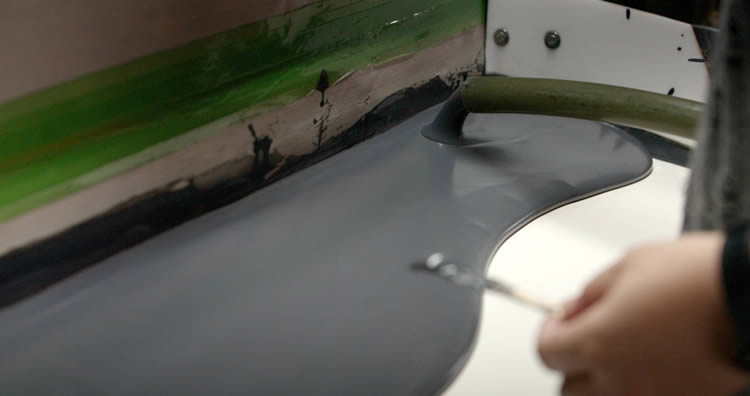
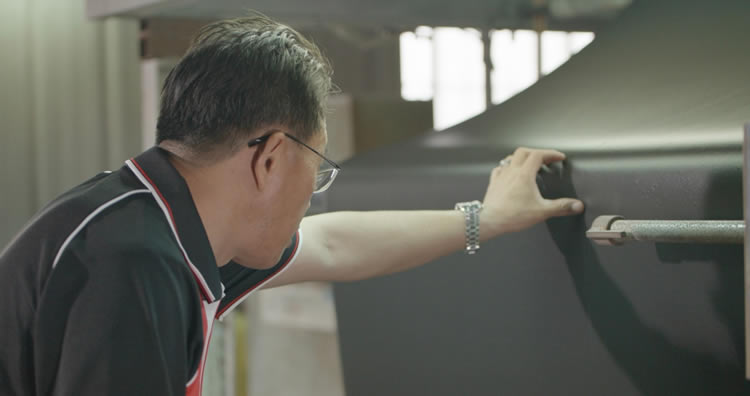
At GuangXin Industrial, our core strength lies in our deep expertise and versatility in insole and pillow manufacturing. We specialize in working with a wide range of materials, including PU (polyurethane), natural latex, and advanced graphene composites, to develop insoles and pillows that meet diverse performance, comfort, and health-support needs.
Whether it's cushioning, support, breathability, or antibacterial function, we tailor material selection to the exact requirements of each project-whether for foot wellness or ergonomic sleep products.
We provide end-to-end manufacturing capabilities under one roof—covering every stage from material sourcing and foaming, to precision molding, lamination, cutting, sewing, and strict quality control. This full-process control not only ensures product consistency and durability, but also allows for faster lead times and better customization flexibility.
With our flexible production capacity, we accommodate both small batch custom orders and high-volume mass production with equal efficiency. Whether you're a startup launching your first insole or pillow line, or a global brand scaling up to meet market demand, GuangXin is equipped to deliver reliable OEM/ODM solutions that grow with your business.
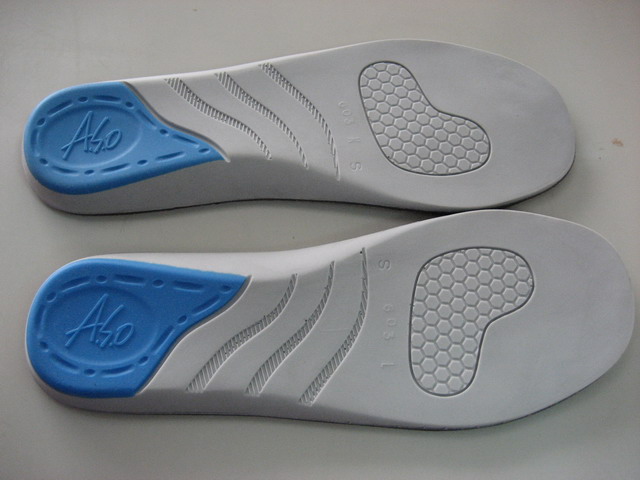
Customization & OEM/ODM Flexibility
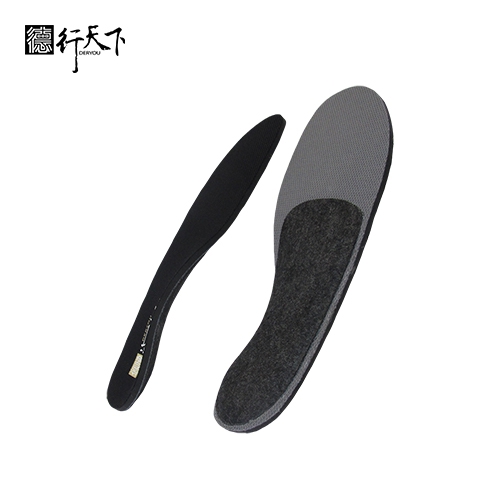
GuangXin offers exceptional flexibility in customization and OEM/ODM services, empowering our partners to create insole products that truly align with their brand identity and target market. We develop insoles tailored to specific foot shapes, end-user needs, and regional market preferences, ensuring optimal fit and functionality.
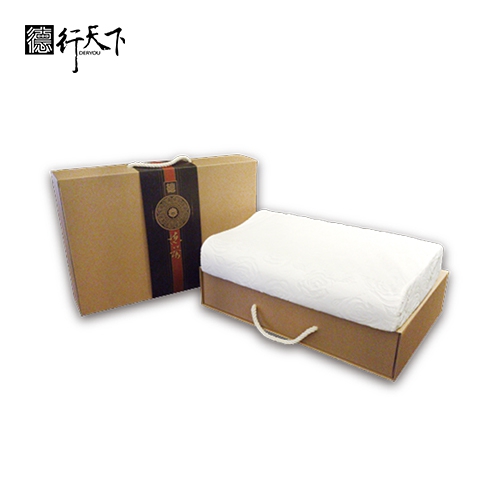
Our team supports comprehensive branding solutions, including logo printing, custom packaging, and product integration support for marketing campaigns. Whether you're launching a new product line or upgrading an existing one, we help your vision come to life with attention to detail and consistent brand presentation.
With fast prototyping services and efficient lead times, GuangXin helps reduce your time-to-market and respond quickly to evolving trends or seasonal demands. From concept to final production, we offer agile support that keeps you ahead of the competition.
Quality Assurance & Certifications
Quality is at the heart of everything we do. GuangXin implements a rigorous quality control system at every stage of production—ensuring that each insole meets the highest standards of consistency, comfort, and durability.
We provide a variety of in-house and third-party testing options, including antibacterial performance, odor control, durability testing, and eco-safety verification, to meet the specific needs of our clients and markets.
Our products are fully compliant with international safety and environmental standards, such as REACH, RoHS, and other applicable export regulations. This ensures seamless entry into global markets while supporting your ESG and product safety commitments.
ESG-Oriented Sustainable Production
At GuangXin Industrial, we are committed to integrating ESG (Environmental, Social, and Governance) values into every step of our manufacturing process. We actively pursue eco-conscious practices by utilizing eco-friendly materials and adopting low-carbon production methods to reduce environmental impact.
To support circular economy goals, we offer recycled and upcycled material options, including innovative applications such as recycled glass and repurposed LCD panel glass. These materials are processed using advanced techniques to retain performance while reducing waste—contributing to a more sustainable supply chain.
We also work closely with our partners to support their ESG compliance and sustainability reporting needs, providing documentation, traceability, and material data upon request. Whether you're aiming to meet corporate sustainability targets or align with global green regulations, GuangXin is your trusted manufacturing ally in building a better, greener future.
Let’s Build Your Next Insole Success Together
Looking for a reliable insole manufacturing partner that understands customization, quality, and flexibility? GuangXin Industrial Co., Ltd. specializes in high-performance insole production, offering tailored solutions for brands across the globe. Whether you're launching a new insole collection or expanding your existing product line, we provide OEM/ODM services built around your unique design and performance goals.
From small-batch custom orders to full-scale mass production, our flexible insole manufacturing capabilities adapt to your business needs. With expertise in PU, latex, and graphene insole materials, we turn ideas into functional, comfortable, and market-ready insoles that deliver value.
Contact us today to discuss your next insole project. Let GuangXin help you create custom insoles that stand out, perform better, and reflect your brand’s commitment to comfort, quality, and sustainability.
🔗 Learn more or get in touch:
🌐 Website: https://www.deryou-tw.com/
📧 Email: shela.a9119@msa.hinet.net
📘 Facebook: facebook.com/deryou.tw
📷 Instagram: instagram.com/deryou.tw
Eco-friendly pillow OEM factory Taiwan
Are you looking for a trusted and experienced manufacturing partner that can bring your comfort-focused product ideas to life? GuangXin Industrial Co., Ltd. is your ideal OEM/ODM supplier, specializing in insole production, pillow manufacturing, and advanced graphene product design.
With decades of experience in insole OEM/ODM, we provide full-service manufacturing—from PU and latex to cutting-edge graphene-infused insoles—customized to meet your performance, support, and breathability requirements. Our production process is vertically integrated, covering everything from material sourcing and foaming to molding, cutting, and strict quality control.Thailand high-end foam product OEM/ODM
Beyond insoles, GuangXin also offers pillow OEM/ODM services with a focus on ergonomic comfort and functional innovation. Whether you need memory foam, latex, or smart material integration for neck and sleep support, we deliver tailor-made solutions that reflect your brand’s values.
We are especially proud to lead the way in ESG-driven insole development. Through the use of recycled materials—such as repurposed LCD glass—and low-carbon production processes, we help our partners meet sustainability goals without compromising product quality. Our ESG insole solutions are designed not only for comfort but also for compliance with global environmental standards.Pillow ODM design company in Taiwan
At GuangXin, we don’t just manufacture products—we create long-term value for your brand. Whether you're developing your first product line or scaling up globally, our flexible production capabilities and collaborative approach will help you go further, faster.Breathable insole ODM development Vietnam
📩 Contact us today to learn how our insole OEM, pillow ODM, and graphene product design services can elevate your product offering—while aligning with the sustainability expectations of modern consumers.Graphene-infused pillow ODM Indonesia
Researchers discovered that while the Sheldon size spectrum theory once held true, widespread industrial fishing has significantly disrupted this natural balance. Industrial fishing over the past century appears to have broken a law of nature. Surprising as it sounds, all life forms in the ocean, from small krill to large tuna, seem to obey a simple mathematical law that links an organism’s abundance to its body size. For example, although small krill are individually only one billionth of the weight of a large tuna, they also tend to be a billion times more numerous throughout the oceans. The idea, known as the Sheldon size spectrum theory, was first advanced in the 1970s, but has never been tested for a wide range of marine species and on a global scale until now. An international research team, including researchers from McGill, found that not only does the theory appear to have once held true, but that this natural balance has now been drastically altered by widespread industrial fishing. In a study published recently in Science Advances, an international team involving researchers from McGill University, the Max Planck Institute for Mathematics in the Sciences in Germany, the Institut de Ciència i Tecnologia Ambientals in Spain, Queensland University of Technology in Australia and the Weizmann Institute of Science in Israel have found that when oceans were in a more pristine state (before the 20th century and the advent of wide-scale industrial fishing) the size spectrum theory appears to have held true. “The fact that marine life is evenly distributed across sizes is remarkable,” says Eric Galbraith, the senior author on the paper and a professor in McGill’s Department of Earth and Planetary Sciences. “We don’t understand why it would need to be this way – why couldn’t there be many more small things than large things? Or an ideal size that lies in the middle? In that sense, the results highlight how much we don’t understand about the ecosystem.” From bacteria to whales – finding a way to measure all marine life To gain a picture of the current numbers across an unprecedented range of species, the researchers used diverse recent studies to construct a large global dataset of marine organisms, including bacteria, phytoplankton, zooplankton, fish, and mammals. Their approach allowed them to differentiate the spatial distribution of 12 major groups of aquatic life over the entire ocean. All life forms in the ocean, from small krill to large tuna, seem to obey a simple mathematical law that links an organism’s abundance to its body size. Credit: Max Planck Institute “It was challenging to find a way to adequately compare measurements of organisms that span such a massive difference in scale,” recalls Ian Hatton, the first author of the study and an Alexander von Humboldt research fellow at the Max Planck Institute. “While microscopic aquatic organisms could be estimated from more than 200,000 water samples collected across the globe, larger marine animals can swim across whole ocean basins and needed to be estimated using entirely different methods.” The researchers also used historical reconstructions and marine ecosystem models to estimate marine biomass in pristine oceans (pre-20th century) and compared this data to the present-day. They found that, despite exceptions at either extreme – whales and bacteria – there was once a remarkably constant biomass of approximately 1 gigaton over each order of magnitude range of body size. This means that the total amount of life in the oceans between any size and a size ten-fold larger – for example, from 1 g to 10 g – always adds up to about 1 billion tons, regardless of the starting size. But industrial fishing has significantly altered this picture. Human impacts on marine biomass In contrast with a nearly constant biomass spectrum in the pristine ocean, the researchers’ examination of the spectrum revealed a major impact of humanity on the distribution of biomass across the largest sizes. While fishing accounts for less than 3 percent of human food consumption, its effects on the biomass spectrum have been devastating. Large fish (meaning anything longer than 10 cm or 4 in) have experienced a total biomass loss of roughly 2 Gigatons (a 60% reduction), dwarfing the 0.1 Gigatons that fishers catch every year. Historically, whaling was even more devastating for the largest end of the biomass spectrum, with the largest whales suffering a 90% loss. Indeed, the authors estimate that losses caused by industrial fishing and whaling over the past century are much greater than the potential biomass losses due to climate change scenarios over the next 80 years, even under pessimistic emissions scenarios. “The biggest surprise, when viewed from this global perspective, was the huge inefficiency of fishing. When industrial fishing fleets go out and catch fish in the ocean, they aren’t acting like the large predatory fish, seals, or birds that they compete with, that just consume small quantities of the fish populations in a way that keeps the populations stable,” says Galbraith. “Humans have not merely replaced oceanic top-predators, but entirely altered the flow of energy throughout the marine ecosystem.” He adds: “The good news is that we can reverse the imbalance we’ve created, by reducing the number of active fishing vessels around the world. Reducing overfishing will also help make fisheries more profitable and sustainable – it’s a potential win-win, if we can get our act together.” For more on this research, read Humans Guilty of Breaking an Fundamental Oceanic Law of Nature. Reference: “The global ocean size spectrum from bacteria to whales” by Ian A. Hatton, Ryan F. Heneghan, Yinon M. Bar-On and Eric D. Galbraith, 10 November 2021, Science Advances. DOI: 10.1126/sciadv.abh3732
Showing gene expression patterns. Credit: DOI: 10.1038/s41586-023-00000-0 Scientists reveal unprecedented insights into human limb development, including the many intricate processes that govern their formation. Human fingers and toes do not grow outward; instead, they form from within a larger foundational bud, as intervening cells recede to reveal the digits beneath. This is among many processes captured for the first time as scientists unveil a spatial cell atlas of the entire developing human limb, resolved in space and time. Innovative Research Collaboration Researchers at the Wellcome Sanger Institute, Sun Yat-sen University, EMBL’s European Bioinformatics Institute, and collaborators applied cutting-edge single-cell and spatial technologies to create an atlas characterizing the cellular landscape of the early human limb, pinpointing the exact location of cells. This study is part of the international Human Cell Atlas initiative to map every cell type in the human body,[1] to transform understanding of health and disease. Publication and Applications The atlas, published today (December 6) in the journal Nature, provides an openly available resource that captures the intricate processes governing the limbs’ rapid development during the early stages of limb formation.[2] The atlas also uncovers new links between developmental cells and some congenital limb syndromes, such as short fingers and extra digits. Understanding Limb Formation Limbs are known to initially emerge as undifferentiated cell pouches on the sides of the body, without a specific shape or function. However, after 8 weeks of development, they are well differentiated, anatomically complex, and immediately recognizable as limbs, complete with fingers and toes. This requires a very rapid and precise orchestration of cells. Any small disturbances to this process can have a downstream effect, which is why variations in the limbs are among the most frequently reported syndromes at birth, affecting approximately one in 500 births globally.[3] Bridging Human and Animal Models While limb development has been extensively studied in mouse and chick models, the extent to which they mirror the human situation remained unclear. However, advances in technology now enable researchers to explore the early stages of human limb formation. In this new study, scientists from the Wellcome Sanger Institute, Sun Yat-sen University, and their collaborators analyzed tissues between 5 and 9 weeks of development. This allowed them to trace specific gene expression programs, activated at certain times and in specific areas, which shape the forming limbs. Special staining of the tissue revealed clearly how cell populations differentially arrange themselves into patterns of the forming digits. Video depicts gene expression clusters during limb development through spatial transcriptomic profiles and in situ staining of the tissue: This video shows the dynamic gene expression patterns of IRX1, SOX9 and MSX1, critical genes involved in limb formation. Their distinct distribution ensures the ‘chiseling’ process takes place. IRX1, crucial for digit formation, and SOX9, essential for skeletal development, converge into five distinct lengths within the developing limb, while MSX1, associated with undifferentiated cells, occupies the interdigital spaces between these clusters. At approximately week seven of development, molecules responsible for interdigital cell death are activated, leading to the elimination of cells in the intervening spaces. This orchestrated cell death finally unveils the well-defined shapes of fingers or toes. Credit: DOI: 10.1038/s41586-023-00000-0 Gene Patterns and Limb Syndromes As part of the study, researchers demonstrated that certain gene patterns have implications for how the hands and feet form, identifying certain genes, which when disrupted, are associated with specific limb syndromes like brachydactyly — short fingers — and polysyndactyly — extra fingers or toes. The team was also able to confirm that many aspects of limb development are shared between humans and mice. Overall, these findings not only provide an in-depth characterization of limb development in humans but also critical insights that could impact the diagnosis and treatment of congenital limb syndromes. Expert Insights Professor Hongbo Zhang, senior author of the study from Sun Yat-sen University, Guangzhou, said: “Decades of studying model organisms established the basis for our understanding of vertebrate limb development. However, characterizing this in humans has been elusive until now, and we couldn’t assume the relevance of mouse models for human development. What we reveal is a highly complex and precisely regulated process. It is like watching a sculptor at work, chiseling away at a block of marble to reveal a masterpiece. In this case, nature is the sculptor, and the result is the incredible complexity of our fingers and toes.” Dr. Sarah Teichmann, senior author of the study from the Wellcome Sanger Institute, and co-founder of the Human Cell Atlas, said: “For the first time, we have been able to capture the remarkable process of limb development down to single cell resolution in space and time. Our work in the Human Cell Atlas is deepening our understanding of how anatomically complex structures form, helping us uncover the genetic and cellular processes behind healthy human development, with many implications for research and healthcare. For instance, we discovered novel roles of key genes MSC and PITX1 that may regulate muscle stem cells. This could offer potential for treating muscle-related disorders or injuries.” Notes This study is part of the Human Cell Atlas (HCA), an international collaborative consortium which is creating comprehensive reference maps of all human cells—the fundamental units of life—as a basis for understanding human health and for diagnosing, monitoring, and treating disease. The HCA is likely to impact every aspect of biology and medicine, propelling translational discoveries and applications and ultimately leading to a new era of precision medicine.The HCA was co-founded in 2016 by Dr. Sarah Teichmann at the Wellcome Sanger Institute (UK) and Dr. Aviv Regev, then at the Broad Institute of MIT and Harvard (USA). A truly global initiative, there are now more than 3,100 HCA members, from 98 countries around the world. https://www.humancellatlas.org The researchers analyzed human embryonic limb tissues between weeks 5 to 9 post-conception, provided by Addenbrooke’s Hospital Cambridge, United Kingdom and the Women and Children’s Medical Centre, Guangzhou, China. Reference: “Why study human limb malformations?” by Andrew O. M. Wilkie, 24 January 2003, Journal of Anatomy. DOI: 10.1046/j.1469-7580.2003.00130.x Reference: “A human embryonic limb cell atlas resolved in space and time” by Bao Zhang, Peng He, John E. G. Lawrence, Shuaiyu Wang, Elizabeth Tuck, Brian A. Williams, Kenny Roberts, Vitalii Kleshchevnikov, Lira Mamanova, Liam Bolt, Krzysztof Polanski, Tong Li, Rasa Elmentaite, Eirini S. Fasouli, Martin Prete, Xiaoling He, Nadav Yayon, Yixi Fu, Hao Yang, Chen Liang, Hui Zhang, Raphael Blain, Alain Chedotal, David R. FitzPatrick, Helen Firth, Andrew Dean, Omer Ali Bayraktar, John C. Marioni, Roger A. Barker, Mekayla A. Storer, Barbara J. Wold, Hongbo Zhang and Sarah A. Teichmann, 6 December 2023, Nature. DOI: 10.1038/s41586-023-06806-x
The researchers found that heat turns off the brain. Zebrafish experiments demonstrate how vulnerable freshwater and marine species may be impacted by climate change. When the climate changes, which organisms survive and which die? A small larval fish is offering unexpected insight into how the brain reacts to rising temperatures. “It was pretty incredible, actually. The whole brain lit up,” said Anna Andreassen, a Ph.D. candidate at the Norwegian University of Science and Technology (NTNU). Living organisms, whether it be fish or humans, tend to function worse as the temperature increases. Many people have probably gone through this on a summer day that was a bit too hot. But what precisely occurs inside the body when it becomes uncomfortably warm? In order to figure out the answer, biologists from NTNU’s Department of Biology have combined genetic technology with neurophysiological techniques. “We wanted to look at the mechanisms that limit organisms’ thermal tolerance. Which animals will survive when the Earth’s temperature increases due to climate change, and why? We chose to look at the brain,” says Andreassen. Zebrafish play the lead role when Ph.D. candidate Anna H. Andreassen conducts experiments to find out how brain cells react to temperature changes. Credit: Ingebjørg Hestvik Climate Change Causing Heat Waves Anna H. Andreassen, a Ph.D. candidate at NTNU. Credit: Norwegian University of Science and Technology Animals that dwell in water are experiencing temperatures that are increasing to fatal levels, and heat waves that traverse continents are getting more frequent. To forecast how species will adapt to climate change, it is essential to understand what limits survival at very high temperatures. “Thermal tolerance is a topic that has been researched for decades, and the idea that temperature affects brain activity is an old one. What’s new is that we can now use genetic technology and neurophysiology to study the phenomenon,” says Andreassen. Researchers at NTNU in Trondheim studied the brain activity of newly hatched zebrafish larvae while progressively raising the temperature around the larval fish. “These fish have been genetically modified so that the neurons in the brain give off a fluorescent light when they’re active. We can see this light under a microscope while the larvae swim around. These larval fish also have the advantage that they’re transparent. We get to look directly into the brains of the living larvae,” says Andreassen. Lose the Ability to Respond In this way, the researchers can follow brain activity while gradually increasing the temperature of the water that the fish are swimming in. “We can see how the larvae behave as it gets warmer. When it starts to get extremely warm, they lose their balance and start swimming around in circles, belly up.” The researchers poked the fish larvae to check their response. They nudged the larvae’s tails, which normally triggers a swimming response. “At a certain temperature, the fish stopped reacting to the pokes. They were still alive, but in an ecological sense, they could be considered dead. In that condition out in nature, they wouldn’t be able to swim away from predators or find their way to colder water,” says Andreassen, who adds that this condition is only temporary in the small experimental fish. “They’re in just as good shape as soon as we get them into cooler water again,” says Andreassen. Researchers use fish to get answers to many questions in biological research. Departmental engineer Eline Rypdal (right) assists with animal care. Credit: Ingebjørg Hestvik Heat Turns Off the Brain So far, the experiments had gone as the researchers were expecting. By shining light in front of the fish’s eyes, they could also check whether the brain was perceiving visual impressions. As the temperature rose, the brain completely stopped responding to stimuli and was completely inactive. But then, when they turned the temperature up a little more, something happened. “The whole brain lit up. The closest I can come to describing what we saw was a kind of seizure,” says Andreassen. Normally, you only see brain activity in the form of small spots of light in defined parts of the brain. Now the amazed researchers could observe under the microscope how the fluorescent light spread out within a few seconds and covered the entire brain of the small fish larva. “We know that zebrafish brains have quite a lot in common with the human brain – 70 percent of the genetic material is the same – and researchers have speculated whether there could be a connection between what we saw in these fish larvae and what you see in the brains of children who have a fever,” says Andreassen. Next, the researchers want to put a special type of brain cell – glial cells –under the microscope. “What we’re excited to investigate here is the activity of glial cells during heating. These cells play a central role in the oxygen supply to the brain – they both check the oxygen level and regulate the blood flow and thereby the oxygen supply. Because we can see that oxygen levels affect thermal tolerance, one hypothesis is that the brain stops working because the glial cells are no longer able to regulate the oxygen level.” Differences Advance Evolution In order to take a closer look at what happened, the researchers in Trondheim began to manipulate the amount of oxygen in the water the fish were swimming in, while increasing the temperature. “To our surprise, we found that the oxygen level played a part in controlling the thermal tolerance. When we added extra oxygen, the larval fish did better at high temperatures, had higher brain activity, and also recovered faster from being exposed to upper thermal limits compared to the fish with low oxygen. Studies of other species have yielded contrasting results when testing the effect of oxygen concentration on thermal tolerance. “Being ‘insensitive’ to fluctuations in oxygen levels could thus be an evolutionary advantage as the temperature on Earth rises. “The findings show that thermal tolerance is something that varies between species. This could be a characteristic that determines whether a species is able to adapt to climate change or will succumb to rising temperatures. A lot of organisms live in oxygen-poor environments where temperatures can quickly become higher than normal. They’ll be especially vulnerable,” says Andreassen. She gives as an example organisms that live in shallow freshwater areas, in rivers, or in the intertidal zone. “These are habitats where large fluctuations in the oxygen level can occur, often at the same time as temperature fluctuations. In these habitats, fish whose thermal tolerance is limited by the oxygen level are likely to struggle more than fish who are not affected by it. Animals that manage to maintain nerve function under low oxygen levels might be the ones that will tolerate high temperatures best,” says Andreassen. Reference: “Brain dysfunction during warming is linked to oxygen limitation in larval zebrafish” by Anna H. Andreassen, Petter Hall, Pouya Khatibzadeh, Fredrik Jutfelt and Florence Kermen, 19 September 2022, Proceedings of the National Academy of Sciences. DOI: 10.1073/pnas.2207052119
DVDV1551RTWW78V
Soft-touch pillow OEM service in Taiwan 》the ideal partner for high-performance, eco-friendly product linesESG-compliant OEM manufacturer in Indonesia 》your reliable OEM/ODM partner for long-term collaborationVietnam pillow ODM development service 》preferred by clients worldwide for fast turnaround and precision
下一則: Ergonomic insole ODM support Taiwan 》the ideal par
- Taiwan insole ODM design and manufacturing factory
- Orthopedic pillow OEM solutions Indonesia 》small b
- Taiwan graphene product OEM service 》designed for
- Eco-friendly pillow OEM manufacturer Indonesia 》yo
- ODM pillow for sleep brands Vietnam 》functional, f
- Ergonomic insole ODM support Taiwan 》the ideal par
限會員,要發表迴響,請先登入


