Introduction – Company Background
GuangXin Industrial Co., Ltd. is a specialized manufacturer dedicated to the development and production of high-quality insoles.
With a strong foundation in material science and footwear ergonomics, we serve as a trusted partner for global brands seeking reliable insole solutions that combine comfort, functionality, and design.
With years of experience in insole production and OEM/ODM services, GuangXin has successfully supported a wide range of clients across various industries—including sportswear, health & wellness, orthopedic care, and daily footwear.
From initial prototyping to mass production, we provide comprehensive support tailored to each client’s market and application needs.
At GuangXin, we are committed to quality, innovation, and sustainable development. Every insole we produce reflects our dedication to precision craftsmanship, forward-thinking design, and ESG-driven practices.
By integrating eco-friendly materials, clean production processes, and responsible sourcing, we help our partners meet both market demand and environmental goals.
Core Strengths in Insole Manufacturing
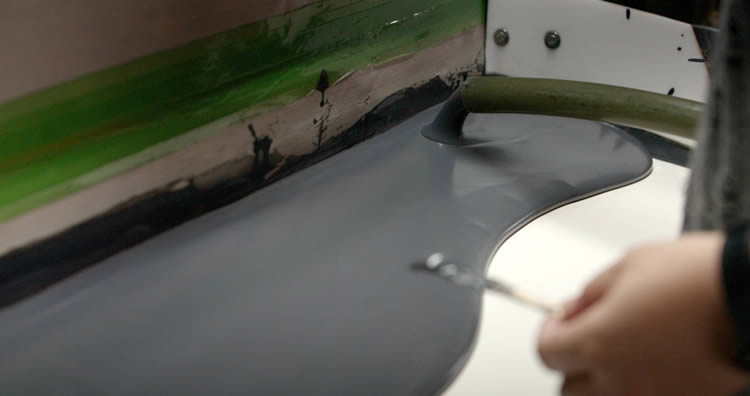
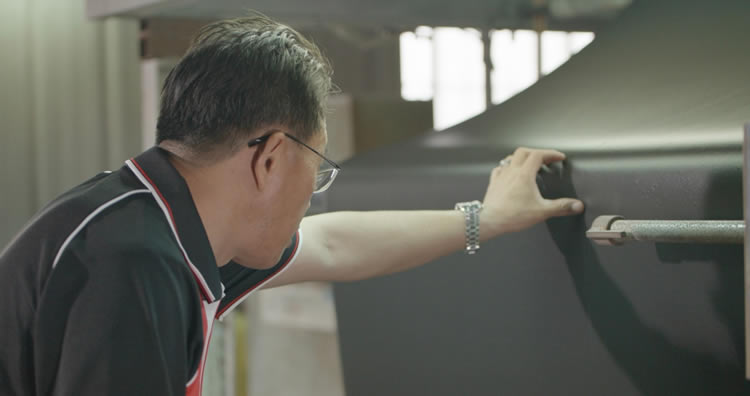
At GuangXin Industrial, our core strength lies in our deep expertise and versatility in insole and pillow manufacturing. We specialize in working with a wide range of materials, including PU (polyurethane), natural latex, and advanced graphene composites, to develop insoles and pillows that meet diverse performance, comfort, and health-support needs.
Whether it's cushioning, support, breathability, or antibacterial function, we tailor material selection to the exact requirements of each project-whether for foot wellness or ergonomic sleep products.
We provide end-to-end manufacturing capabilities under one roof—covering every stage from material sourcing and foaming, to precision molding, lamination, cutting, sewing, and strict quality control. This full-process control not only ensures product consistency and durability, but also allows for faster lead times and better customization flexibility.
With our flexible production capacity, we accommodate both small batch custom orders and high-volume mass production with equal efficiency. Whether you're a startup launching your first insole or pillow line, or a global brand scaling up to meet market demand, GuangXin is equipped to deliver reliable OEM/ODM solutions that grow with your business.
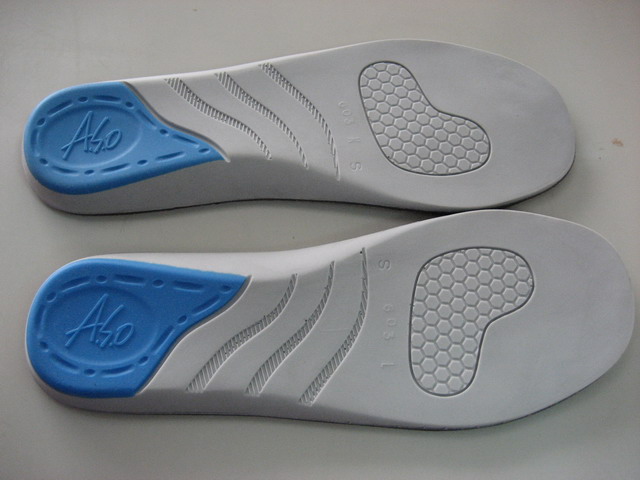
Customization & OEM/ODM Flexibility
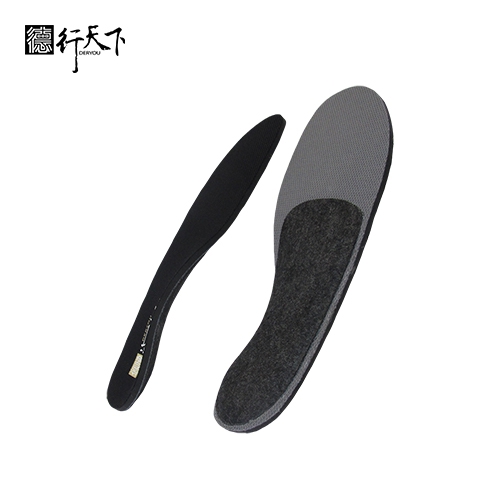
GuangXin offers exceptional flexibility in customization and OEM/ODM services, empowering our partners to create insole products that truly align with their brand identity and target market. We develop insoles tailored to specific foot shapes, end-user needs, and regional market preferences, ensuring optimal fit and functionality.
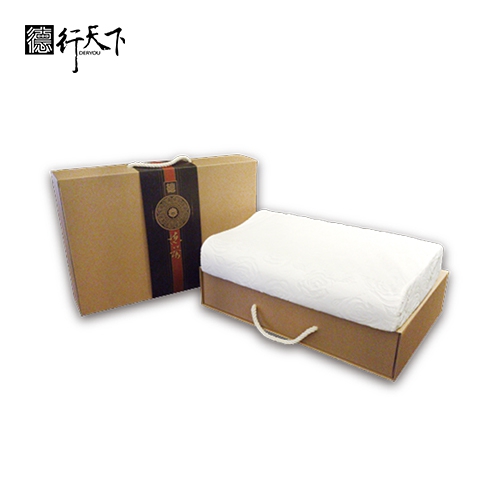
Our team supports comprehensive branding solutions, including logo printing, custom packaging, and product integration support for marketing campaigns. Whether you're launching a new product line or upgrading an existing one, we help your vision come to life with attention to detail and consistent brand presentation.
With fast prototyping services and efficient lead times, GuangXin helps reduce your time-to-market and respond quickly to evolving trends or seasonal demands. From concept to final production, we offer agile support that keeps you ahead of the competition.
Quality Assurance & Certifications
Quality is at the heart of everything we do. GuangXin implements a rigorous quality control system at every stage of production—ensuring that each insole meets the highest standards of consistency, comfort, and durability.
We provide a variety of in-house and third-party testing options, including antibacterial performance, odor control, durability testing, and eco-safety verification, to meet the specific needs of our clients and markets.
Our products are fully compliant with international safety and environmental standards, such as REACH, RoHS, and other applicable export regulations. This ensures seamless entry into global markets while supporting your ESG and product safety commitments.
ESG-Oriented Sustainable Production
At GuangXin Industrial, we are committed to integrating ESG (Environmental, Social, and Governance) values into every step of our manufacturing process. We actively pursue eco-conscious practices by utilizing eco-friendly materials and adopting low-carbon production methods to reduce environmental impact.
To support circular economy goals, we offer recycled and upcycled material options, including innovative applications such as recycled glass and repurposed LCD panel glass. These materials are processed using advanced techniques to retain performance while reducing waste—contributing to a more sustainable supply chain.
We also work closely with our partners to support their ESG compliance and sustainability reporting needs, providing documentation, traceability, and material data upon request. Whether you're aiming to meet corporate sustainability targets or align with global green regulations, GuangXin is your trusted manufacturing ally in building a better, greener future.
Let’s Build Your Next Insole Success Together
Looking for a reliable insole manufacturing partner that understands customization, quality, and flexibility? GuangXin Industrial Co., Ltd. specializes in high-performance insole production, offering tailored solutions for brands across the globe. Whether you're launching a new insole collection or expanding your existing product line, we provide OEM/ODM services built around your unique design and performance goals.
From small-batch custom orders to full-scale mass production, our flexible insole manufacturing capabilities adapt to your business needs. With expertise in PU, latex, and graphene insole materials, we turn ideas into functional, comfortable, and market-ready insoles that deliver value.
Contact us today to discuss your next insole project. Let GuangXin help you create custom insoles that stand out, perform better, and reflect your brand’s commitment to comfort, quality, and sustainability.
🔗 Learn more or get in touch:
🌐 Website: https://www.deryou-tw.com/
📧 Email: shela.a9119@msa.hinet.net
📘 Facebook: facebook.com/deryou.tw
📷 Instagram: instagram.com/deryou.tw
Taiwan anti-odor insole OEM processing factory
Are you looking for a trusted and experienced manufacturing partner that can bring your comfort-focused product ideas to life? GuangXin Industrial Co., Ltd. is your ideal OEM/ODM supplier, specializing in insole production, pillow manufacturing, and advanced graphene product design.
With decades of experience in insole OEM/ODM, we provide full-service manufacturing—from PU and latex to cutting-edge graphene-infused insoles—customized to meet your performance, support, and breathability requirements. Our production process is vertically integrated, covering everything from material sourcing and foaming to molding, cutting, and strict quality control.ODM pillow for sleep brands Thailand
Beyond insoles, GuangXin also offers pillow OEM/ODM services with a focus on ergonomic comfort and functional innovation. Whether you need memory foam, latex, or smart material integration for neck and sleep support, we deliver tailor-made solutions that reflect your brand’s values.
We are especially proud to lead the way in ESG-driven insole development. Through the use of recycled materials—such as repurposed LCD glass—and low-carbon production processes, we help our partners meet sustainability goals without compromising product quality. Our ESG insole solutions are designed not only for comfort but also for compliance with global environmental standards.Graphene insole OEM factory Vietnam
At GuangXin, we don’t just manufacture products—we create long-term value for your brand. Whether you're developing your first product line or scaling up globally, our flexible production capabilities and collaborative approach will help you go further, faster.Arch support insole OEM factory from Taiwan
📩 Contact us today to learn how our insole OEM, pillow ODM, and graphene product design services can elevate your product offering—while aligning with the sustainability expectations of modern consumers.Cushion insole OEM solution China
Study author, Maëlan Tomasek, with a “volunteer” in the experiment conducted in the Mediterranean Sea. Credit: Maëlan Tomasek Fish in the wild can tell humans apart! A study found that seabream recognize individual divers, following those who feed them while ignoring others. For years, scientific divers at a Mediterranean research station noticed a curious problem — local fish would follow them and steal food meant for experiments. Even more intriguing, the fish seemed to recognize and target specific divers who had fed them before, while ignoring others. To test whether wild fish could truly distinguish between individual humans, researchers from the Max Planck Institute of Animal Behavior (MPI-AB) in Germany conducted a series of experiments. By varying their diving gear, they discovered that fish in the wild can indeed tell people apart using visual cues. Fish Follow Familiar Faces Scientists set out to answer a question that had never been tested in wild fish: can they tell people apart? While some studies have shown that certain captive fish, like archerfish, can recognize human faces in controlled lab settings, there was little evidence that wild fish could do the same. “But nobody has ever asked whether wild fish have the capacity, or indeed motivation, to recognize us when we enter their underwater world,” explains Maëlan Tomasek, a doctoral student at MPI-AB and the University of Clermont Auvergne, France. Now, researchers at MPI-AB have put the question to the test — and the fish have provided a clear answer. Wild fish can indeed recognize individual humans. Even more remarkably, they remember and follow specific divers who have fed them in the past. This discovery, published today (February 18) in Biology Letters, suggests that fish may form distinct relationships with certain humans, challenging assumptions about their cognitive abilities. Wild fish participated as willing volunteers in the study. Many turned up every day to experimental trials, and scientists could recognize some fish by their physical characteristics. Credit: Tomasek, Soller, Jordan (2025) Biology Letters. The Fish Who Volunteered The research team conducted the study eight meters underwater at a research site in the Mediterranean Sea where populations of wild fish have become habituated to the presence of scientists. Their experiments took place in open water and fish participated in trials as “willing volunteers who could come and go as they pleased,” explains Katinka Soller, a bachelor student from MPI-AB who was co-first author on the study with Tomasek. The first experimental phase—the training—tested if fish could learn to follow an individual diver. The training diver, Soller, started by trying to attract the attention of local fish; she wore a bright red vest and fed fish while swimming a length of 50 meters. Over time, Soller removed the conspicuous cues until she wore plain dive gear, kept the food hidden, and fed fish only after they had followed her the full 50 meters. Recognizing Their Trainer Of dozens of fish species inhabiting the marine station, two species of seabream in particular willingly engaged in the training sessions. Sea bream are best known to us as fish that we buy to eat, yet they surprised the scientists by their curiosity and willingness to learn. “Once I entered the water, it was a matter of seconds before I would see them swimming towards me, seemingly coming out of nowhere,” says Soller. Not only were bream learning to follow her, but the same individuals were showing up day after day to join the lessons. Soller even took to giving them names: “There was Bernie with two shiny silver scales on the back and Alfie who had a nip out of the tail fin,” she says. After 12 days of training, roughly 20 fish were reliably following Soller on training swims and she could recognize several of them from physical traits. By identifying individual fish participating in the experiment, the stage was set for the next experimental phase: testing if these same fish could tell Soller apart from another diver. The Two-Diver Test This time Soller dived with Tomasek whose dive gear differed slightly from hers, notably in some colorful parts of the wetsuit and fins. Both divers started at the same point and then swam in different directions. On the first day, the fish followed both divers equally. “You could see them struggling to decide who to chase,” says Soller. But Tomasek never fed the fish who followed him, so from the second day, the number of fish following Soller increased significantly. To confirm that fish were learning to recognize the correct diver, the researchers focused on six fish out of the large group to study individually, finding that four of these showed strong positive learning curves over the experiment. “This is a cool result because it shows that fish were not simply following Katinka out of habit or because other fish were there,” says Tomasek. “They were conscious of both divers, testing each one and learning that Katinka produced the reward at the end of the swim.” But when Soller and Tomasek repeated the trials, this time wearing identical diving gear, the fish were unable to discriminate them. For the scientists, this was strong evidence that fish had associated the differences in the dive gear, most likely the colors, with each diver. “Almost all fish have color vision, so it is not surprising that the sea bream learned to associate the correct diver based on patches of color on the body,” says Tomasek. Fish Know How We Look Underwater, we do the same. “Faces are distorted by diving masks, so we usually rely on differences between wetsuits, fins, or other parts of the gear to recognize each other,” says Soller. With more time, the authors say, fish might have learned to pay attention to subtler human features, like hair or hands, to distinguish divers. “We already observed them approaching our faces and scrutinizing our bodies,” adds Soller. “It was like they were studying us, not the other way around.” This study corroborates many anecdotal reports of animals, including fish, recognizing humans; but it goes further by performing dedicated experiments in completely natural contexts. Finding that wild fish can quickly learn to use specific cues to recognize individual human divers, it stands to reason that many other fish species, our pets included, can recognize certain patterns to identify us, the scientists say. This mechanism is the foundation for special interactions between individuals, even across species. A Surprising Bond Across Species Senior author Alex Jordan, who leads a group at MPI-AB, says: “It doesn’t come as a shock to me that these animals, which navigate a complex world and interact with myriad different species every minute, can recognize humans based on visual cues. I suppose the most surprising thing is that we would be surprised that they can. It suggests we might underestimate the capacities of our underwater cousins.” Adds Tomasek: “It might be strange to think about humans sharing a bond with an animal like a fish that sits so far from us on the evolutionary tree, that we don’t intuitively understand. But human-animal relationships can overcome millions of years of evolutionary distance if we bother to pay attention. Now we know that they see us, it’s time for us to see them.” Reference: “Wild fish use visual cues to recognize individual divers” by Maëlan Tomasek, Katinka Soller and Alex Jordan, 1 February 2025, Biology Letters. DOI: 10.1098/rsbl.2024.0558
Researchers found that people in REM sleep can communicate and engage in real-time interaction, comprehending questions and providing answers. Dreaming Minds Can Communicate in Real Time Dreams take us to what feels like a different reality. They also happen while we’re fast asleep. So, you might not expect that a person in the midst of a vivid dream would be able to perceive questions and provide answers to them. But a new study reported in the journal Current Biology on February 18, 2021, shows that, in fact, they can. “We found that individuals in REM sleep can interact with an experimenter and engage in real-time communication,” said senior author Ken Paller of Northwestern University. “We also showed that dreamers are capable of comprehending questions, engaging in working-memory operations, and producing answers. “Most people might predict that this would not be possible — that people would either wake up when asked a question or fail to answer, and certainly not comprehend a question without misconstruing it.” While dreams are a common experience, scientists still haven’t adequately explained them. Relying on a person’s recounting of dreams is also fraught with distortions and forgotten details. So, Paller and colleagues decided to attempt communication with people during lucid dreams. This photo shows Konkoly watching brain signals from a sleeping participant in the lab. Researchers are working to expand and refine two-way communications with sleeping people so more complex conversations may one day be possible. Credit: K. Konkoly “Our experimental goal is akin to finding a way to talk with an astronaut who is on another world, but in this case the world is entirely fabricated on the basis of memories stored in the brain,” the researchers write. They realized finding a means to communicate could open the door in future investigations to learn more about dreams, memory, and how memory storage depends on sleep, the researchers say. The researchers studied 36 people who aimed to have a lucid dream, in which a person is aware they’re dreaming. The paper is unusual in that it includes four independently conducted experiments using different approaches to achieve a similar goal. In addition to the group at Northwestern University in the U.S., one group conducted studies at Sorbonne University in France, one at Osnabrück University in Germany, and one at Radboud University Medical Center in the Netherlands. “We put the results together because we felt that the combination of results from four different labs using different approaches most convincingly attests to the reality of this phenomenon of two-way communication,” said Karen Konkoly, a PhD student at Northwestern University and first author of the paper. “In this way, we see that different means can be used to communicate.” This photo shows Mazurek in a full EEG rig just before a sleep session in the lab. The electrodes on his face will detect the movement of his eyes as he sleeps. Credit: C. Mazurek Understanding and Responding in Dreams One of the individuals who readily succeeded with two-way communication had narcolepsy and frequent lucid dreams. Among the others, some had lots of experience in lucid dreaming and others did not. Overall, the researchers found that it was possible for people while dreaming to follow instructions, do simple math, answer yes-or-no questions, or tell the difference between different sensory stimuli. They could respond using eye movements or by contracting facial muscles. The researchers refer to it as “interactive dreaming.” Konkoly says that future studies of dreaming could use these same methods to assess cognitive abilities during dreams versus wake. They also could help verify the accuracy of post-awakening dream reports. Outside of the laboratory, the methods could be used to help people in various ways, such as solving problems during sleep or offering nightmare sufferers novel ways to cope. Follow-up experiments run by members of the four research teams aim to learn more about connections between sleep and memory processing, and about how dreams may shed light on this memory processing. Reference: “Real-time dialogue between experimenters and dreamers during REM sleep” by Karen R. Konkoly, Kristoffer Appel, Emma Chabani, Anastasia Mangiaruga, Jarrod Gott, Remington Mallett, Bruce Caughran, Sarah Witkowski, Nathan W. Whitmore, Christopher Y. Mazurek, Jonathan B. Berent, Frederik D. Weber, Basak Türker, Smaranda Leu-Semenescu, Jean-Baptiste Maranci, Gordon Pipa and Isabelle Arnulf, 18 February 2021, Current Biology. DOI: 10.1016/j.cub.2021.01.026 This work was supported by the Mind Science Foundation, National Science Foundation, Société Française de Recherche et Médecine du Sommeil (SFRMS), Hans-Mühlenhoff-Stiftung Osnabrück, a Vidi grant from the Netherlands Organisation for Scientific Research (NWO), and COST Action CA18106 supported by COST (European Cooperation in Science and Technology). Students in Paller’s lab group have also developed a smartphone app that aims to make it easier for people to achieve lucidity during their dreams: https://pallerlab.psych.northwestern.edu/dream
Researchers from the Australian Regenerative Medicine Institute at Monash University have discovered that as organisms, including humans, age, their muscles revert to an “early-life” state, potentially prolonging life. Utilizing the African killifish as a model due to its short lifespan and age-related symptoms similar to those in humans, the team identified a critical role of lipid metabolism in this process, suggesting that manipulation of cell metabolism could potentially slow or reverse muscle aging. New groundbreaking research on African killifish demonstrates that during the late stages of life, our muscles exhibit a remarkable reversal to an “early-life” state, providing valuable insights into combatting muscle wasting. As we get older, our muscles begin to degrade, a process known as sarcopenia. Despite its universal occurrence, the mechanisms behind it have remained elusive. However, a recent study from the Australian Regenerative Medicine Institute (ARMI) at Monash University, using the African killifish as an unexpected model organism, has shed some light on this mystery. The research found that our muscles seem to revert to an “early-life” condition towards the end of life, slowing down mortality. This discovery could pave the way to mitigating or even reversing the age-related decline in muscle mass and strength. The study, led by Professor Peter Currie and Dr. Avnika Ruparelia, who is from ARMI and the University of Melbourne, was published in the journal Aging Cell. The implications of this research are significant, given the anticipated sharp rise in the incidence and severity of sarcopenia worldwide. According to Professor Currie, “…there is a pressing need to understand the mechanisms that drive sarcopenia so that we can identify and implement suitable medical interventions to promote healthy muscle aging,” he said. The African turquoise killifish, Nothobranchius furzeri has recently emerged as a new model for the study of aging. Killifish have the shortest known life span of any vertebrate species that can be bred in captivity. Life for a killifish begins with the African rains, creating seasonal rain pools in which fish hatch, grow rapidly, and mature in as few as two weeks, and then reproduce daily until the pool dries out. A just-hatched killifish larvae stained with antibodies against Myosin (Red), Actinin (Green), and Collagen (Blue). Credit: Dr Avnika Ruparelia Importantly, their short life span is accompanied by symptoms of aging we see in humans – including the appearance of cancerous lesions in the liver and gonads, reduced regenerative capacity of the limbs, in this case, the fin, and genetic characteristics that are the hallmark of human aging such as a reduction in mitochondrial DNA copy number and function and shortening of telomeres. According to Dr. Ruparelia, this study is the first to use the killifish to study sarcopenia. “In this study, we performed a thorough cellular and molecular characterization of skeletal muscle from early life, aged and extremely old late-life stages, revealing many similarities to sarcopenia in humans and other mammals,” she said. Rejuvenation in Late Life Surprisingly the researchers also found these same metabolic hallmarks of aging are reversed during the late-life stage, “suggesting that in extremely old animals, there may be mechanisms in place that prevent further deterioration of skeletal muscle health, which may ultimately contribute to an extension of their life span,” Dr. Ruparelia said. “Importantly, the late-life stage during which we observed improved muscle health perfectly coincides with a stage when mortality rates decline. We, therefore, postulate that the improvement in muscle health may be a critical factor contributing to the extension of life span in extremely old individuals.” To better understand the mechanisms behind this, the research team surveyed the metabolism of fish at different stages of the aging process. This experiment surprisingly revealed that certain features of the metabolism of the very oldest fish actually were rejuvenated to resemble those of young fish. It highlighted the critical role of lipid metabolism in this process of rejuvenation. By using drugs that regulate the formation of certain lipids a similar rejuvenation of aging muscle could be achieved. “During extreme old age, there is a striking depletion of lipids, which are the main energy reserves in our cells,” explains senior author Prof Currie. “We believe that this mimics a state of calorie restriction, a process known to extend life span in other organisms, which results in activation of downstream mechanisms ultimately enabling the animal to maintain nutrient balance and live longer. A similar process is seen in the muscle of highly trained athletes.” Dr. Ruparelia went on to say, “The idea that muscle aging may be reversible, and potentially treatable by drugs that can manipulate a cell’s metabolism, is an exciting prospect especially given the social, economic, and healthcare costs associated with the ever-growing aged population around the world. We are excited by the potential of the killifish model, and very grateful to the Winston Churchill Trust for funding, and to Hon Dr. Kay Patterson for her assistance with establishing the import regulations to establish the first and only killifish facility in Australia. We now have a unique opportunity to study biological processes regulating aging and age-related diseases, and to investigate strategies to promote healthy aging.” Reference: “The African killifish: A short-lived vertebrate model to study the biology of sarcopenia and longevity” by Avnika A. Ruparelia, Abbas Salavaty, Christopher K. Barlow, Yansong Lu, Carmen Sonntag, Lucy Hersey, Matthew J. Eramo, Johannes Krug, Hanna Reuter, Ralf B. Schittenhelm, Mirana Ramialison, Andrew Cox, Michael T. Ryan, Darren J. Creek, Christoph Englert and Peter D. Currie, 14 May 2023, Aging Cell. DOI: 10.1111/acel.13862
DVDV1551RTWW78V
Latex pillow OEM production in Taiwan 》trusted by brand builders and product innovatorsCushion insole OEM solution Taiwan 》manufacturing with a focus on sustainability and comfortPU insole OEM production factory in Taiwan 》a trusted OEM/ODM partner across comfort-driven industries
限會員,要發表迴響,請先登入


