Introduction – Company Background
GuangXin Industrial Co., Ltd. is a specialized manufacturer dedicated to the development and production of high-quality insoles.
With a strong foundation in material science and footwear ergonomics, we serve as a trusted partner for global brands seeking reliable insole solutions that combine comfort, functionality, and design.
With years of experience in insole production and OEM/ODM services, GuangXin has successfully supported a wide range of clients across various industries—including sportswear, health & wellness, orthopedic care, and daily footwear.
From initial prototyping to mass production, we provide comprehensive support tailored to each client’s market and application needs.
At GuangXin, we are committed to quality, innovation, and sustainable development. Every insole we produce reflects our dedication to precision craftsmanship, forward-thinking design, and ESG-driven practices.
By integrating eco-friendly materials, clean production processes, and responsible sourcing, we help our partners meet both market demand and environmental goals.
Core Strengths in Insole Manufacturing
At GuangXin Industrial, our core strength lies in our deep expertise and versatility in insole and pillow manufacturing. We specialize in working with a wide range of materials, including PU (polyurethane), natural latex, and advanced graphene composites, to develop insoles and pillows that meet diverse performance, comfort, and health-support needs.
Whether it's cushioning, support, breathability, or antibacterial function, we tailor material selection to the exact requirements of each project-whether for foot wellness or ergonomic sleep products.
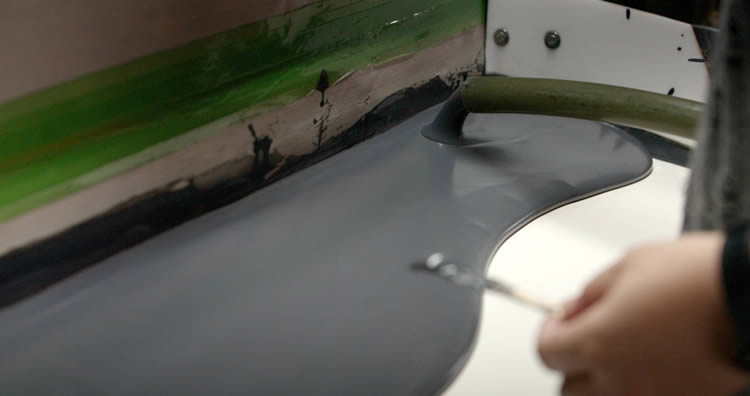
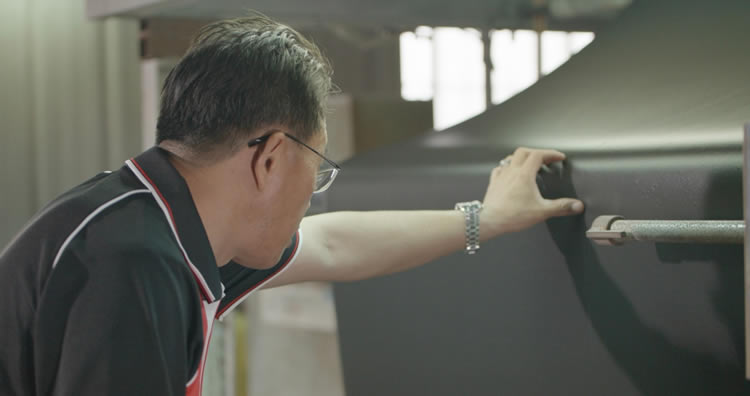
We provide end-to-end manufacturing capabilities under one roof—covering every stage from material sourcing and foaming, to precision molding, lamination, cutting, sewing, and strict quality control. This full-process control not only ensures product consistency and durability, but also allows for faster lead times and better customization flexibility.
With our flexible production capacity, we accommodate both small batch custom orders and high-volume mass production with equal efficiency. Whether you're a startup launching your first insole or pillow line, or a global brand scaling up to meet market demand, GuangXin is equipped to deliver reliable OEM/ODM solutions that grow with your business.
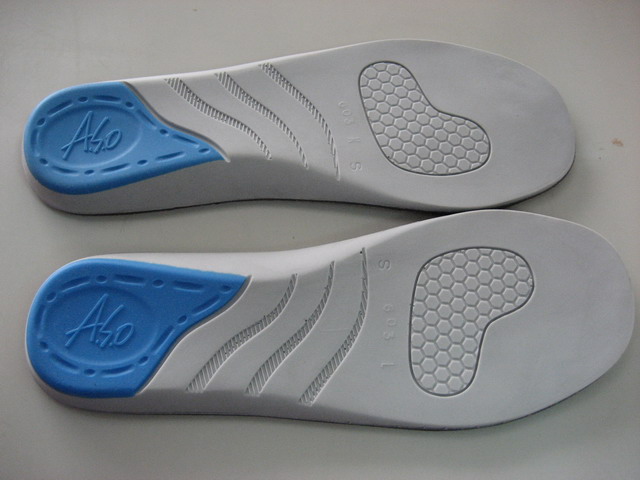
Customization & OEM/ODM Flexibility
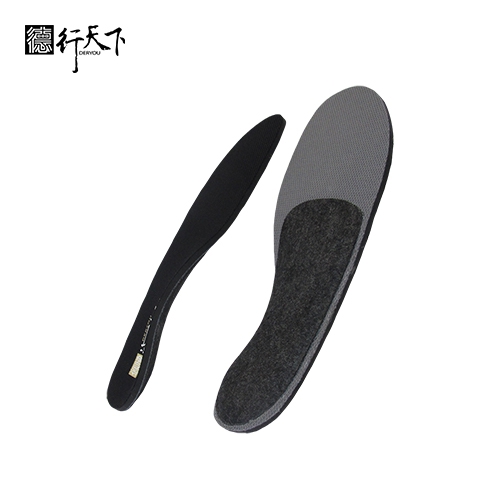
GuangXin offers exceptional flexibility in customization and OEM/ODM services, empowering our partners to create insole products that truly align with their brand identity and target market. We develop insoles tailored to specific foot shapes, end-user needs, and regional market preferences, ensuring optimal fit and functionality.
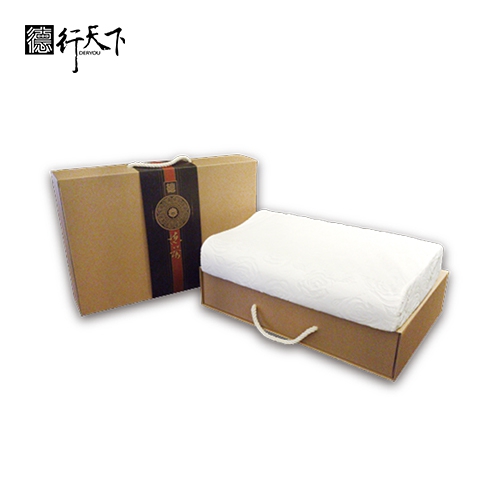
Our team supports comprehensive branding solutions, including logo printing, custom packaging, and product integration support for marketing campaigns. Whether you're launching a new product line or upgrading an existing one, we help your vision come to life with attention to detail and consistent brand presentation.
With fast prototyping services and efficient lead times, GuangXin helps reduce your time-to-market and respond quickly to evolving trends or seasonal demands. From concept to final production, we offer agile support that keeps you ahead of the competition.
Quality Assurance & Certifications
Quality is at the heart of everything we do. GuangXin implements a rigorous quality control system at every stage of production—ensuring that each insole meets the highest standards of consistency, comfort, and durability.
We provide a variety of in-house and third-party testing options, including antibacterial performance, odor control, durability testing, and eco-safety verification, to meet the specific needs of our clients and markets.
Our products are fully compliant with international safety and environmental standards, such as REACH, RoHS, and other applicable export regulations. This ensures seamless entry into global markets while supporting your ESG and product safety commitments.
ESG-Oriented Sustainable Production
At GuangXin Industrial, we are committed to integrating ESG (Environmental, Social, and Governance) values into every step of our manufacturing process. We actively pursue eco-conscious practices by utilizing eco-friendly materials and adopting low-carbon production methods to reduce environmental impact.
To support circular economy goals, we offer recycled and upcycled material options, including innovative applications such as recycled glass and repurposed LCD panel glass. These materials are processed using advanced techniques to retain performance while reducing waste—contributing to a more sustainable supply chain.
We also work closely with our partners to support their ESG compliance and sustainability reporting needs, providing documentation, traceability, and material data upon request. Whether you're aiming to meet corporate sustainability targets or align with global green regulations, GuangXin is your trusted manufacturing ally in building a better, greener future.
Let’s Build Your Next Insole Success Together
Looking for a reliable insole manufacturing partner that understands customization, quality, and flexibility? GuangXin Industrial Co., Ltd. specializes in high-performance insole production, offering tailored solutions for brands across the globe. Whether you're launching a new insole collection or expanding your existing product line, we provide OEM/ODM services built around your unique design and performance goals.
From small-batch custom orders to full-scale mass production, our flexible insole manufacturing capabilities adapt to your business needs. With expertise in PU, latex, and graphene insole materials, we turn ideas into functional, comfortable, and market-ready insoles that deliver value.
Contact us today to discuss your next insole project. Let GuangXin help you create custom insoles that stand out, perform better, and reflect your brand’s commitment to comfort, quality, and sustainability.
🔗 Learn more or get in touch:
🌐 Website: https://www.deryou-tw.com/
📧 Email: shela.a9119@msa.hinet.net
📘 Facebook: facebook.com/deryou.tw
📷 Instagram: instagram.com/deryou.tw
Breathable insole ODM development Indonesia
Are you looking for a trusted and experienced manufacturing partner that can bring your comfort-focused product ideas to life? GuangXin Industrial Co., Ltd. is your ideal OEM/ODM supplier, specializing in insole production, pillow manufacturing, and advanced graphene product design.
With decades of experience in insole OEM/ODM, we provide full-service manufacturing—from PU and latex to cutting-edge graphene-infused insoles—customized to meet your performance, support, and breathability requirements. Our production process is vertically integrated, covering everything from material sourcing and foaming to molding, cutting, and strict quality control.PU insole OEM production in Taiwan
Beyond insoles, GuangXin also offers pillow OEM/ODM services with a focus on ergonomic comfort and functional innovation. Whether you need memory foam, latex, or smart material integration for neck and sleep support, we deliver tailor-made solutions that reflect your brand’s values.
We are especially proud to lead the way in ESG-driven insole development. Through the use of recycled materials—such as repurposed LCD glass—and low-carbon production processes, we help our partners meet sustainability goals without compromising product quality. Our ESG insole solutions are designed not only for comfort but also for compliance with global environmental standards.Graphene-infused pillow ODM Indonesia
At GuangXin, we don’t just manufacture products—we create long-term value for your brand. Whether you're developing your first product line or scaling up globally, our flexible production capabilities and collaborative approach will help you go further, faster.High-performance graphene insole OEM China
📩 Contact us today to learn how our insole OEM, pillow ODM, and graphene product design services can elevate your product offering—while aligning with the sustainability expectations of modern consumers.Thailand graphene material ODM solution
As marine heatwaves become more commonplace, coral reefs are expelling their microscopic and colorful algae and bleaching white. Scott Reef, Australia, April 2016. Credit: Australian Institute of Marine Science New research into the crucial partnership between coral and algae may one day help prevent coral bleaching. For the first time, scientists have seen stony coral cells engulf dinoflagellates — single-celled, photosynthetic algae that are crucial for keeping coral alive The researchers used a cell line called IVB5, which contains endoderm-like cells cultured from the stony coral, Acropora tenuis Around 40% of coral cells incorporated the algae in around 30 minutes and remained healthy for one month The research is a step towards understanding the partnership between coral and dinoflagellates and could shed light on how coral bleaching occurs In a world-first, scientists in Japan have observed individual stony coral cells engulfing single-celled, photosynthetic algae. The microscopic algae, known as dinoflagellates, were engulfed by cells cultured from the stony coral, Acropora tenuis, the scientists reported in the journal Frontiers in Marine Science. “Dinoflagellates are crucial for keeping coral healthy and alive,” said Professor Noriyuki Satoh, senior author of the study and head of the Marine Genomics Unit at the Okinawa Institute of Science and Technology Graduate University. “Coral cells take up the algae and provide them with shelter and the building blocks for photosynthesis. In return, the algae provide the corals with nutrients that they synthesize.” However, in recent decades, this essential relationship has been placed under strain. Driven by pollution, acidification and rising ocean temperatures, stressed coral cells are expelling the microscopic and colorful algae in mass bleaching events, resulting in huge swathes of dead, white reefs. Stony coral from the Acroporidae family — the most common type of coral found within tropical and subtropical reefs — are particularly susceptible to these bleaching events. These fast-growing corals lay down calcium carbonate skeletons and therefore play a key role in building coral reefs. “For coral reef conservation, it’s vital for us to fully understand the partnership between stony coral and the algae that live inside these animals, at the level of a single cell,” explained co-first Professor Kaz Kawamura from Kochi University. “But until recently, this was very hard to achieve.” Coral cells are notoriously difficult to culture, so previously scientists had to rely on experimental systems of other closely related marine creatures, like sea anemones, to study the mechanism of how the dinoflagellates enter and leave cells. It wasn’t until April 2021 that the research team made a major leap forward, reporting in Marine Biotechnology that they had successfully cultured different cell lines from larvae of the stony coral, Acropora tenuis, in petri dishes. For this study, the scientists focused on one coral cell line called IVB5. Many of the cells in this line have similar properties to endodermal cells, in terms of their form, behavior and gene activity. Importantly, in whole coral organisms, it is the endodermal cells that engulf the algae. The scientists added the dinoflagellate, Breviolum minutum, to a petri dish containing the IVB5 coral cells. Around 40% of the coral cells in the culture quickly formed long, finger-like projections that reached out to contact the dinoflagellates. The algae were then “swallowed” up, in a process taking around 30 minutes. “It was amazing to see — it was almost a dream!” said Prof. Satoh. Over the following couple of days, the algae inside the cell were either broken down into fragments or were successfully enclosed into membrane-bound sacs, called vacuoles, within the cells. For the researchers, this hints at how the relationship possibly started millennia ago. “It may be that originally, the ancestors of coral engulfed these algae and broke them down for food. But then over time, they evolved to use the algae for photosynthesis instead,” co-first author, Dr. Satoko Sekida from Kochi University suggested. The researchers are now using electron microscopes to gain more detailed images of how the coral cells engulf the dinoflagellates. They are also working on genetic experiments to pinpoint which coral genes are involved. At this stage, the coral cells containing the algae live for around a month before dying. In the near future, the team hope to achieve a stable culture where both the coral cells and dinoflagellates can reproduce together. “This would be very exciting as then we can ask new questions, like how the corals react when placed under stress,” said Prof. Satoh. “This could give us a more complete understanding of how bleaching occurs, and how we can mitigate it.” Reference: “In vitro Symbiosis of Reef-Building Coral Cells With Photosynthetic Dinoflagellates” by Kaz Kawamura, Satoko Sekida, Koki Nishitsuji, Eiichi Shoguchi, Kanako Hisata, Shigeki Fujiwara and Noriyuki Satoh, 14 July 2021, Frontiers in Marine Science. DOI: 10.3389/fmars.2021.706308
One of the newly described species, the Alagoas Screech Owl. Credit: Gustavo Malacco Recordings of owls’ screeches used to help tell species apart. The Amazon rainforest is teeming with creatures unknown to science—and that’s just in broad daylight. After dark, the forest is a whole new place, alive with nocturnal animals that have remained even more elusive to scientists than their day-shift counterparts. In a new paper in Zootaxa, researchers described two new species of screech owls that live in the Amazon and Atlantic forests, both of which are already critically endangered. “Screech owls are considered a well-understood group compared to some other types of organisms in these areas,” says John Bates, curator of birds at the Field Museum in Chicago and one of the study’s authors. “But when you start listening to them and comparing them across geography, it turns out that there are things that people hadn’t appreciated. That’s why these new species are being described.” “Not even professional ornithologists who have worked on owls for their entire lives would agree about the actual number of species found in this group, so a study like ours has been awaited for a really long time,” says Alex Aleixo, head of the research team responsible for the study, and currently curator of birds at the Finnish Museum of Natural History in the University of Helsinki, Finland. One of the newly described species, the Xingu Screech Owl. Credit: Kleiton Silva The newly-discovered screech owls are cousins of the Eastern Screech Owls that are common in the United States. “They’re cute little owls, probably five or six inches long, with tufts of feathers on their heads,” says Bates. “Some are brown, some are gray, and some are in between.” Until this study, the new species were lumped together with the Tawny-bellied Screech Owl and the Black-capped Screech Owl, which are found throughout South America. Teasing out the differences between the species started with years of fieldwork in the Amazon rainforest as well as the Atlantic forest running along the eastern part of Brazil and surrounding countries. Bates, who usually conducts fieldwork during the day, says that doing fieldwork in the rainforest at night comes with new challenges. “For me, it’s more a feeling of fascination than being scared, but at the same time, you’re running into spider webs. If you’re wearing a headlight you see the eyeshine of the nocturnal animals. One time I was stepping over a log and I looked down and there was a tarantula the size of my hand just sitting there,” says Bates. “If I had been a kid I would have been scared to death.” The owls that the researchers were looking for live in the trees, often a hundred feet above the forest floor. That makes studying them difficult. But the researchers had a secret weapon: the screech owls’ namesake screech. Lead author Sidnei Dantas working with owl specimens at the Field Museum. Credit: John Bates, Field Museum “To draw the birds out, we used tape recordings,” explains Bates. “We’d record their calls and then play them back. The owls are territorial, and when they heard the recordings, they came out to defend their territory.” The scientists compared the birds’ calls and found that there were variations in the sounds they made, indicative of different species. They also examined the birds’ physical appearances and took tissue samples so they could study the owls’ DNA at the Field Museum’s Pritzker DNA Lab. Altogether, 252 specimens, 83 tape recordings, and 49 genetic samples from across the range of the Tawny-bellied Screech Owl complex in South America were analyzed. A significant number of specimens were collected by the research team itself, especially the study’s lead author Sidnei Dantas, who spent a good share of his time in graduate school searching for and tape-recording screech owls in South American rainforests. In addition, natural history collections and their materials collected over the centuries were essential to complete the study´s unprecedented sampling. “The study would not have been possible if it were not for the great biological collections in Brazil and USA which I visited during my work, and that sent us essential material, either genetic or morphological. This highlights the importance of such research institutions for the progress of science and hence of the countries they represent,” says Dantas, who conducted the study as part of his PhD dissertation at the Goeldi Museum in Belém and is currently working as a nature guide in Brazilian Amazonia. The combination of genetic variation, physical differences, and unique vocalizations led the team to describe two new species in addition to the previously known Tawny-bellied Screech Owl: the Xingu Screech Owl and the Alagoas Screech Owl. The Xingu owl’s scientific name is in honor of Sister Dorothy May Stang, an activist who worked with Brazilian farmers to develop sustainable practices and fight for their land rights; its common name is for the area where the owl is found near the Xingu River. The Alagoas owl’s name is a reference to the northeastern Brazilian state of Alagoas where the owl is primarily found. While the owls are new to science, they’re already in danger of disappearing forever. “Both new species are threatened by deforestation,” says Jason Weckstein, associate curator of Ornithology in the Academy of Natural Sciences of Drexel University and associate professor in the university’s Department of Biodiversity, Earth, and Environmental Science. “The Xingu Screech Owl is endemic to the most severely burned area of the Amazon by the unprecedented 2019 fires, and the Alagoas Screech Owl should be regarded as critically endangered given the extensive forest fragmentation in the very small area where it occurs,” says Weckstein, who is a co-author and began work on this project as a postdoctoral researcher at the Field Museum. Bates says he hopes that the study will shed light on how varied the Amazon and Atlantic forests are and how simply protecting certain areas isn’t enough to preserve the forests’ biodiversity. “If you just say, ‘Well, you know Amazonia is Amazonia, and it’s big,’ you don’t end up prioritizing efforts to keep forests from being cut in these different parts of Amazonia. That could mean losing entire faunas in this region,” says Bates. In addition to the study’s conservation implications, the authors highlight the international collaboration that made the work possible. “This study shows how important it is to train the next generation of scientists at a global level,” says Bates. “That means having students like Sidnei come from Brazil and work in the Field’s Pritzker Lab and measure specimens in our collection for their research. It’s a great thing to build those connections.” Reference: “Multi-character taxonomic review, systematics, and biogeography of the Black-capped/Tawny-bellied Screech Owl (Megascops atricapilla-M. watsonii) complex (Aves: Strigidae)” by Sidnei M. Dantas, Jason D. Weckstein, John Bates, Joiciane N. Oliveira, Therese A. Catanach and Alexandre Aleixo, 26 March 2021, Zootaxa. DOI: 10.11646/zootaxa.4949.3.1
New research explores the link between genetic mutations and infertility, specifically focusing on mitochondrial disruptions in egg cells. It opens potential new treatment strategies for infertility by targeting mitochondrial abnormalities. Approximately 48 million couples globally face infertility challenges, which can arise from multiple factors. In mammals, such as humans, the ovaries are responsible for egg production. Dysfunctions in this process can result in female infertility. Premature ovarian insufficiency is one such condition, marked by impaired egg production before reaching the age of 40. Up to 3.7% of females experience infertility as a result of this condition, and around 30% of cases are due to genetic variations. Professor Kehkooi Kee, from Tsinghua University, China, who helped lead the study, has been investigating this condition for several years. “In 2019, our collaborators, Professor Li’s team, encountered a family with premature ovarian insufficiency in which changes to a gene called Eif4enif1 appeared to be responsible for the disease,” said Professor Kee. The researchers decided to reproduce this genetic change in mice to try to understand how it affects human infertility. They show that the eggs of these mice are affected by changes to their mitochondria – the powerhouses of the cell – and published their new discovery in the journal Development. The researchers used CRISPR to introduce the genetic change in the mice. They allowed these mice to grow up and then compared their fertility with the fertility of mice whose DNA had not been edited. Yuxi Ding, the first author and a MD/PhD student who led the study, found that the average number of total follicles (the tiny sacs that contain developing eggs) was reduced by approximately 40% in older and genetically edited mice (the average pup number in every litter was reduced by 33%. Importantly, when grown in a dish, about half of the eggs that were fertilized did not survive beyond the early stages of development. This demonstrated that, just like the human patients, these mice were experiencing problems with fertility. Mitochondrial Disruption and Fertility When the researchers studied the eggs from these mice under the microscope, they noticed something unusual about their mitochondria. Mitochondria produce the energy that cells, including egg cells, need. Mitochondria are usually evenly distributed throughout the egg, but the mitochondria in eggs from mice with the genetic variation were clustered together. “We were actually surprised by the differences in the mitochondria,” said Professor Kee. “At the time we were doing this research, a link between Eif4enif1 and mitochondria had not been seen before.” It seems likely that these misbehaving mitochondria are contributing to the fertility problems in these mice, leading the researchers to propose that restoring proper mitochondrial behavior might improve fertility. This study provides direction for future research in human infertility, such as establishing whether mitochondrial defects are also found in the eggs of human patients with premature ovarian insufficiency and whether these same mitochondrial defects are observed in embryos after the eggs are fertilized. In addition, testing whether restoring the normal distribution of mitochondria improves fertility could become a new treatment strategy. “Our research suggests that rescuing oocyte mitochondria abnormality could be a potential therapeutic target for clinical infertility patients with genetic variants,” says Professor Kee. The study was funded by the National Natural Science Foundation of China, the Outstanding Young Talents Program of the Capital Medical University, the Ministry of Science and Technology of the People’s Republic of China, and the Beijing Hospital Authority Youth Program.
DVDV1551RTWW78V
High-performance insole OEM factory Taiwan 》dedicated to product consistency, material innovation, and fast lead timeInnovative insole ODM solutions in Indonesia 》designed for quality-conscious brands who care about user experienceTaiwan eco-friendly graphene material processing factory 》manufacturing with a focus on sustainability and comfort
限會員,要發表迴響,請先登入


