Introduction – Company Background
GuangXin Industrial Co., Ltd. is a specialized manufacturer dedicated to the development and production of high-quality insoles.
With a strong foundation in material science and footwear ergonomics, we serve as a trusted partner for global brands seeking reliable insole solutions that combine comfort, functionality, and design.
With years of experience in insole production and OEM/ODM services, GuangXin has successfully supported a wide range of clients across various industries—including sportswear, health & wellness, orthopedic care, and daily footwear.
From initial prototyping to mass production, we provide comprehensive support tailored to each client’s market and application needs.
At GuangXin, we are committed to quality, innovation, and sustainable development. Every insole we produce reflects our dedication to precision craftsmanship, forward-thinking design, and ESG-driven practices.
By integrating eco-friendly materials, clean production processes, and responsible sourcing, we help our partners meet both market demand and environmental goals.
Core Strengths in Insole Manufacturing
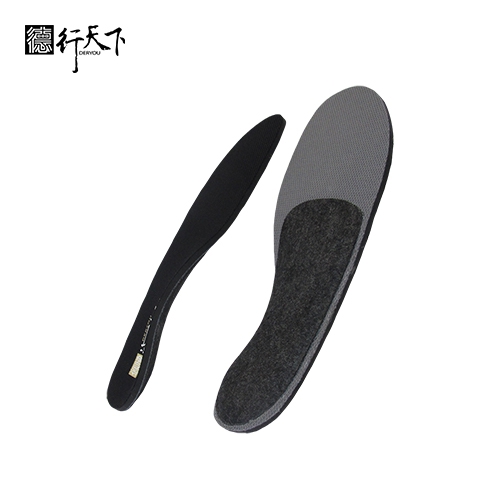
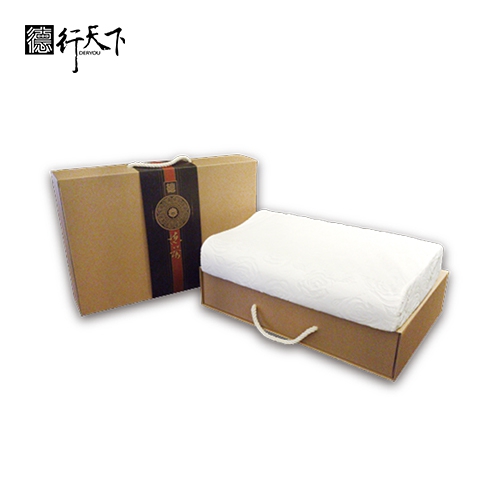
At GuangXin Industrial, our core strength lies in our deep expertise and versatility in insole and pillow manufacturing. We specialize in working with a wide range of materials, including PU (polyurethane), natural latex, and advanced graphene composites, to develop insoles and pillows that meet diverse performance, comfort, and health-support needs.
Whether it's cushioning, support, breathability, or antibacterial function, we tailor material selection to the exact requirements of each project-whether for foot wellness or ergonomic sleep products.
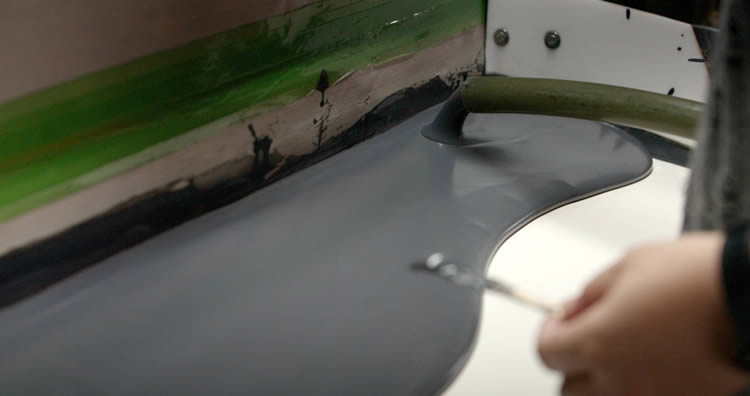
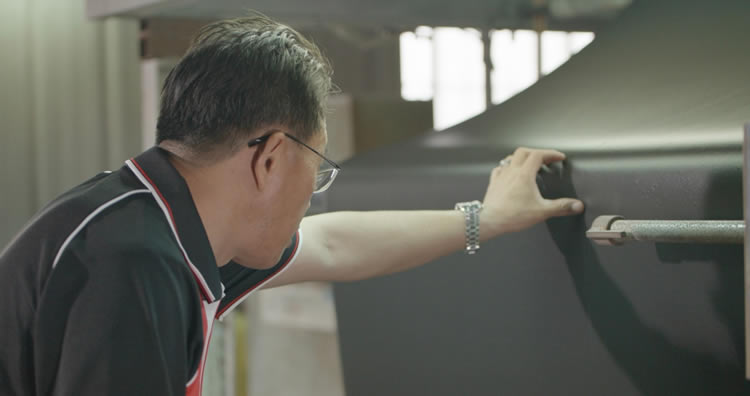
We provide end-to-end manufacturing capabilities under one roof—covering every stage from material sourcing and foaming, to precision molding, lamination, cutting, sewing, and strict quality control. This full-process control not only ensures product consistency and durability, but also allows for faster lead times and better customization flexibility.
With our flexible production capacity, we accommodate both small batch custom orders and high-volume mass production with equal efficiency. Whether you're a startup launching your first insole or pillow line, or a global brand scaling up to meet market demand, GuangXin is equipped to deliver reliable OEM/ODM solutions that grow with your business.
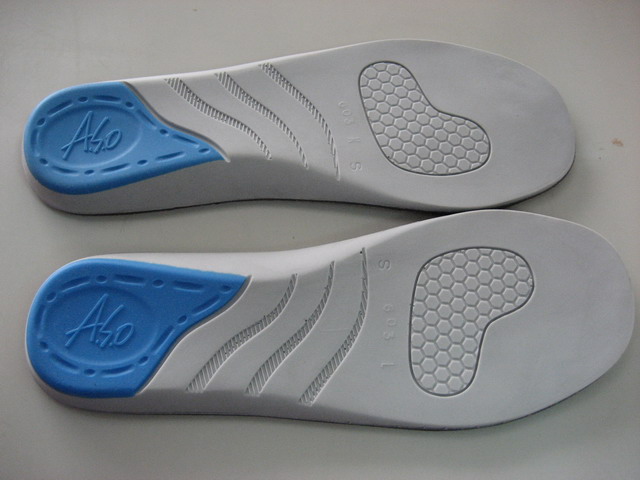
Customization & OEM/ODM Flexibility
GuangXin offers exceptional flexibility in customization and OEM/ODM services, empowering our partners to create insole products that truly align with their brand identity and target market. We develop insoles tailored to specific foot shapes, end-user needs, and regional market preferences, ensuring optimal fit and functionality.
Our team supports comprehensive branding solutions, including logo printing, custom packaging, and product integration support for marketing campaigns. Whether you're launching a new product line or upgrading an existing one, we help your vision come to life with attention to detail and consistent brand presentation.
With fast prototyping services and efficient lead times, GuangXin helps reduce your time-to-market and respond quickly to evolving trends or seasonal demands. From concept to final production, we offer agile support that keeps you ahead of the competition.
Quality Assurance & Certifications
Quality is at the heart of everything we do. GuangXin implements a rigorous quality control system at every stage of production—ensuring that each insole meets the highest standards of consistency, comfort, and durability.
We provide a variety of in-house and third-party testing options, including antibacterial performance, odor control, durability testing, and eco-safety verification, to meet the specific needs of our clients and markets.
Our products are fully compliant with international safety and environmental standards, such as REACH, RoHS, and other applicable export regulations. This ensures seamless entry into global markets while supporting your ESG and product safety commitments.
ESG-Oriented Sustainable Production
At GuangXin Industrial, we are committed to integrating ESG (Environmental, Social, and Governance) values into every step of our manufacturing process. We actively pursue eco-conscious practices by utilizing eco-friendly materials and adopting low-carbon production methods to reduce environmental impact.
To support circular economy goals, we offer recycled and upcycled material options, including innovative applications such as recycled glass and repurposed LCD panel glass. These materials are processed using advanced techniques to retain performance while reducing waste—contributing to a more sustainable supply chain.
We also work closely with our partners to support their ESG compliance and sustainability reporting needs, providing documentation, traceability, and material data upon request. Whether you're aiming to meet corporate sustainability targets or align with global green regulations, GuangXin is your trusted manufacturing ally in building a better, greener future.
Let’s Build Your Next Insole Success Together
Looking for a reliable insole manufacturing partner that understands customization, quality, and flexibility? GuangXin Industrial Co., Ltd. specializes in high-performance insole production, offering tailored solutions for brands across the globe. Whether you're launching a new insole collection or expanding your existing product line, we provide OEM/ODM services built around your unique design and performance goals.
From small-batch custom orders to full-scale mass production, our flexible insole manufacturing capabilities adapt to your business needs. With expertise in PU, latex, and graphene insole materials, we turn ideas into functional, comfortable, and market-ready insoles that deliver value.
Contact us today to discuss your next insole project. Let GuangXin help you create custom insoles that stand out, perform better, and reflect your brand’s commitment to comfort, quality, and sustainability.
🔗 Learn more or get in touch:
🌐 Website: https://www.deryou-tw.com/
📧 Email: shela.a9119@msa.hinet.net
📘 Facebook: facebook.com/deryou.tw
📷 Instagram: instagram.com/deryou.tw
Indonesia athletic insole OEM supplier
Are you looking for a trusted and experienced manufacturing partner that can bring your comfort-focused product ideas to life? GuangXin Industrial Co., Ltd. is your ideal OEM/ODM supplier, specializing in insole production, pillow manufacturing, and advanced graphene product design.
With decades of experience in insole OEM/ODM, we provide full-service manufacturing—from PU and latex to cutting-edge graphene-infused insoles—customized to meet your performance, support, and breathability requirements. Our production process is vertically integrated, covering everything from material sourcing and foaming to molding, cutting, and strict quality control.Thailand flexible graphene product manufacturing
Beyond insoles, GuangXin also offers pillow OEM/ODM services with a focus on ergonomic comfort and functional innovation. Whether you need memory foam, latex, or smart material integration for neck and sleep support, we deliver tailor-made solutions that reflect your brand’s values.
We are especially proud to lead the way in ESG-driven insole development. Through the use of recycled materials—such as repurposed LCD glass—and low-carbon production processes, we help our partners meet sustainability goals without compromising product quality. Our ESG insole solutions are designed not only for comfort but also for compliance with global environmental standards.Taiwan graphene sports insole ODM factory
At GuangXin, we don’t just manufacture products—we create long-term value for your brand. Whether you're developing your first product line or scaling up globally, our flexible production capabilities and collaborative approach will help you go further, faster.Vietnam custom neck pillow ODM
📩 Contact us today to learn how our insole OEM, pillow ODM, and graphene product design services can elevate your product offering—while aligning with the sustainability expectations of modern consumers.Thailand custom insole OEM supplier
The invasive European green crab continues to spread along the coasts of the western US and Canada. Their invasion has resulted in dramatic losses of native species in the western U.S., including clams, mussels and oysters. Credit: Edwin Grosholz, UC Davis Lessons From a Failed Experiment Mark New Way Forward Some invasive species targeted for total eradication bounce back with a vengeance, especially in aquatic systems, finds a study led by the University of California, Davis. The study, published in the journal PNAS, chronicles the effort — and failure — to eradicate invasive European green crabs from a California estuary. The crabs increased 30-fold after about 90 percent had been removed. The study is the first experimental demonstration in a coastal ecosystem of a dramatic population increase in response to full eradication. “A failure in science often leads to unexpected direction s,” said lead author Edwin (Ted) Grosholz, a professor and ecologist with the UC Davis Department of Environmental Science and Policy. “We slapped our foreheads at the time, but with thought and understanding, it’s told us a lot about what we shouldn’t be doing and provided a way forward for us. The world should get less focused on total eradication and work toward functional eradication.” “Functional eradication” is described in a study led by the University of Alberta, co-authored by Grosholz, and published in the March issue of Frontiers in Ecology and the Environment. The authors consider this a more effective approach to invasive species management, particularly regarding species for which total eradication is unlikely. Explosion For the PNAS study, researchers in 2009 began intensive efforts to eradicate the European green crab from Stinson Beach’s Seadrift Lagoon. The crab is considered among the world’s top 100 invasive species, costing the U.S. commercial shellfish industry about $20 million in annual losses. By 2013, the population had decreased from 125,000 to fewer than 10,000 individuals. But one year later, in 2014, the population exploded to about 300,000 green crab in the lagoon — a 30-fold increase over 2013 levels and nearly triple the pre-eradication population size. UC Davis Professor Edwin Grosholz holds a trap of invasive European green crabs at Seadrift Lagoon near Stinson Beach in California. Credit: Courtesy Edwin Grosholz, UC Davis The scientists did not observe such population explosions of green crab at any of the four other nearby bays they were monitoring, suggesting the increase was the result of eradication efforts and not atmospheric or oceanographic changes. The study found the population explosion was due in part to the fact that adult decapod crustacea — such as shrimp, lobster, and crab — typically cannibalize younger individuals. When most adults were removed, juveniles grew unchecked and overcompensated for the loss of adults. Precautionary Tales The study notes that this short-term overcompensation drove a process called the “hydra effect,” named after a mythical serpent that grew two new heads for each one that was removed. Grosholz likens it to the “Sorcerer’s Apprentice” in the Disney film Fantasia, in which several spellbound brooms emerge from just one chopped by apprentice Mickey. The study is also a precautionary tale for natural resource managers: “Don’t try to get them all, or it could come back to bite you,” Grosholz said. A mass of European green crabs captured at Seadrift Lagoon in California. Credit: Edwin Grosholz, UC Davis “Instead of a one-size-fits-all approach, this study highlights the need to evaluate possible unintended consequences in selecting management strategies and tailoring these to the particular context and expected outcome,” said Greg Ruiz, a co-author and marine biologist with the Smithsonian Environmental Research Center. As described in the Frontiers in Ecology study, the authors advise a “Goldilocks level” approach, where the population is low enough to protect native species and ecosystem functions without risking a population explosion of the invasive species. That strategy was eventually employed at Seadrift Lagoon, aided in large part by local volunteers and residents. Such community science efforts may be key for helping other ecosystems struggling with invasive species, such as in national and state parks, where citizen engagement can be high. Reference: “Stage-specific overcompensation, the hydra effect, and the failure to eradicate an invasive predator” by Edwin Grosholz, Gail Ashton, Marko Bradley, Chris Brown, Lina Ceballos-Osuna, Andrew Chang, Catherine de Rivera, Julie Gonzalez, Marcella Heineke, Michelle Marraffini, Linda McCann, Erica Pollard, Ian Pritchard, Gregory Ruiz, Brian Turner and Carolyn Tepolt, 15 March 2021, Proceedings of the National Academy of Sciences. DOI: 10.1073/pnas.2003955118 Co-authoring institutions on this study include Smithsonian Environmental Research Center, Portland State University and Woods Hole Oceanographic Institution. The study was funded by the National Science Foundation, Pacific States Marine Fisheries Commission, Greater Farallones Association and Smithsonian Institution Hunterdon Fund.
Close-up of a Coptotermes gestroi soldier termite. Credit: Thomas Chouvenc, UF/IFAS New taxonomy of termites highlights their role as ecosystem engineers and provides a clearer picture of their evolutionary paths, aiding both research and pest control. Termites are commonly regarded as mere pests, a perception that hasn’t been improved by their recent reclassification into the cockroach family. However, only 3.5% of termite species cause significant problems for humans. These insects serve as crucial ecosystem engineers, maintaining the infrastructure of various environments. Like earthworms, they circulate nutrients by decomposing plant materials, and they play the important role of bioturbators: much like plowing a field, termites aerate the soil, expose underground nutrients, and let water infiltrate deeper layers of soil – all vital to plant life. Additionally, termites are exemplary builders: their mounds stay cool under the blistering sun, inspiring energy-free air conditioning systems in smart architecture. Coptotermes gestroi soldier termite, commonly known as the Asian subterranean termite. The latex-like secretion at the mandibles is a defensive response and serves to both make it more difficult for predators to attack or consume the termite, while also signaling other termites about the attack, allowing for coordinated defense. The secretion also has antimicrobial properties. Credit: Thomas Chouvenc, UF/IFAS Revolutionary Research: The New Termite Classification System Just as many ecosystems rely on the infrastructure provided by termites, so too does the study of termites require a solid foundation. Now, an international team of researchers has created a new system for termite classification. Their work, built on expert consensus and extensive data analyses, has now been published in Nature Communications. “We have resolved the ambiguity of the previous system with a modular and very robust classification of the termite family,” says Dr. Simon Hellemans, lead author and member of the Evolutionary Genomics Unit at the Okinawa Institute of Science and Technology (OIST). “With this new ‘dictionary,’ we have a solid platform from which we can study the diversification of termites and the roles they play in their ecosystems, as well as accommodate future discoveries.” The new tree of life of termite families and subfamilies. Each branching indicates a split between families and subfamilies from their last common ancestor. Red branches are subfamilies that were all previously defined as Termitinae, whereas blue branches were previously defined as Rhinotermitidae. Credit: Graphics: OIST. Termite photos courtesy of T. F. Carrijo, P. Eggleton, G. Josens, S. Hellemans, C. M. Kalleshwaraswamy, M. M. Rocha, R. H. Scheffrahn and J. Šobotník. The Evolution of Termite Taxonomy and Its Challenges Taxonomy, the scientific classification of groups (or taxa) of organisms, is an old discipline that underpins all biology: “If you want to observe anything in nature, you need define your units of observation,” as Dr. Hellemans puts it. Classification may be arbitrary – the animal doesn’t care if we label it Heterotermitidae or Rhinotermitidae – but it’s a necessary categorization that allows researchers to limit the scope of their study and communicate clearly. Until the introduction of modern DNA sequencing, these distinctions were usually based on morphological analyses, whereby organisms are classified by their physical characteristics and behaviors and placed in relation to one another based on similarities. But while it may be easy to determine how chimpanzees and humans are different from gorillas, visually determining the difference between two termites may be more difficult. Over time, the subjectivity of morphological analysis has led to a convoluted family tree for termites. Some termites diversify very quickly, meaning that those species have evolved rapidly compared to others. And yet, just ten distinct families were identified, which had to accommodate a lot of morphologically distinct animals with unclear evolutionary relationships. Three terms are used to describe the relationship between grouped species: monophyly, polyphyly, and paraphyly: a monophyletic group of species share a common ancestor, polyphyletic groups often share common characteristics, but not a common ancestor, and paraphyly describes groups that include a common ancestor as well as some, but not all, descendants. The problem with termites, which is a monophyletic group within the cockroach order, is that the traditional classification is characterized by a great deal of paraphyly and polyphyly owing to the confusion over evolutionary relationships. Comparison of the fontanelle, the opening in the center of the heads which secretes a defensive liquid, between two termite species – the pest-species C. gestroi (left) and the non-pest D. longilabius (right). Previously, the Rhinotermitidae family included both species with (D. longilabius) and without (C. gestroi) a narrow groove running from the fontanelle, but this inconsistency has now been cleared up thanks to phylogenetic analyses and by removing species without the grove like C. gestroi. Credit: Left: Thomas Chouvenc, UF/IFAS. Right: Simon Hellemans, OIST A New Era in Termite Research “Thanks to extensive data analysis and new morphological surveys, we managed to eliminate paraphyly and polyphyly in the termite family tree entirely by splitting up the larger subfamilies,” explains Dr. Hellemans, “and in doing so, we have created a system that can effectively accommodate the discovery of new lineages while preserving historical family and subfamily names. This is key to providing a stable termite nomenclature. Taxonomy is also built on historical records, so this is very important.” Every family and subfamily within the new termite tree of life is monophyletic, clearing up the evolutionary relationships between the species and making it significantly easier to slot in newly discovered or reclassified species. The new tree also underscores the diversity of termites, which allows for much greater precision in research and pest control. For example, the Coptotermes gestroi, a destructive pest species of termites, was initially classified in the Rhinotermitidae family along with the non-pest Dolichorhinotermes longilabius due to their morphological similarities. However, early phylogenetic studies suggested that these two species might not be closely related, which has now been confirmed through more advanced phylogenetic and morphological surveys, which reclassified C. gestroi into the Heterotermitidae family. Collaborative Efforts in Modern Phylogenetics Rewriting the dictionary of life is no simple feat. More than anything, it takes consensus – after all, a dictionary is useless if there’s disagreement over the definitions. The work to update the termite tree of life began during a symposium at OIST in 2022, which was organized by Professor Tom Bourguignon, head of the Evolutionary Genomics Unit. Here, the unit proposed a framework for revising the tree of life, which included both morphological surveys and data analyses powered by the supercomputer at OIST. Phylogenetic revisions of classification systems are often based on a data model that can take weeks for a supercomputer to calculate, and each time an adjustment is made, the processing begins anew. “Our classification is based on the convergence of 51 models, each of which took around 2 weeks to compute,” recounts Dr. Hellemans. “This was only possible thanks to Deigo, which allowed us to run the analyses in parallel.” Deigo is the name of the main supercomputing cluster operated by the OIST Core Facilities, named after the prefectural flower of Okinawa and available to all OIST researchers. “Phylogenetics cannot stand alone,” stresses Dr. Hellemans. While the researchers used computational models of DNA markers to ascertain the evolutionary relationship between the families, the models do not account for the termites’ habits nor the roles they play in their environments. This knowledge was instead provided by the human experts who have dedicated their lives to one subset of our living world and who have an invaluable, scientific familiarity with the species they study. Dr. Hellemans summarizes the effort: “Even if it was difficult to coordinate a collaborative project of this size, the new termite classification system is greater than the sum of its parts. With this, we have a much stronger framework for the study of these important ecosystem engineers.” Reference: “Genomic data provide insights into the classification of extant termites” by Simon Hellemans, Mauricio M. Rocha, Menglin Wang, Johanna Romero Arias, Duur K. Aanen, Anne-Geneviève Bagnères, Aleš Buček, Tiago F. Carrijo, Thomas Chouvenc, Carolina Cuezzo, Joice P. Constantini, Reginaldo Constantino, Franck Dedeine, Jean Deligne, Paul Eggleton, Theodore A. Evans, Robert Hanus, Mark C. Harrison, Myriam Harry, Guy Josens, Corentin Jouault, Chicknayakanahalli M. Kalleshwaraswamy, Esra Kaymak, Judith Korb, Chow-Yang Lee, Frédéric Legendre, Hou-Feng Li, Nathan Lo, Tomer Lu, Kenji Matsuura, Kiyoto Maekawa, Dino P. McMahon, Nobuaki Mizumoto, Danilo E. Oliveira, Michael Poulsen, David Sillam-Dussès, Nan-Yao Su, Gaku Tokuda, Edward L. Vargo, Jessica L. Ware, Jan Šobotník, Rudolf H. Scheffrahn, Eliana Cancello, Yves Roisin, Michael S. Engel and Thomas Bourguignon, 7 August 2024, Nature Communications. DOI: 10.1038/s41467-024-51028-y
Hippocampal dentate gyrus in HSHA mice, showing significant astrocyte activation (GFAP: white) and oxidative stress (8OHdG: green) surrounding the cerebral capillaries (laminin-a4: magenta). Nuclei staining with DAPI (blue). Credit: John Charles Louis Mamo, Lam V et al., 2021, PLOS Biology, CC BY 4.0 Peripherally produced amyloid causes neurodegeneration. Amyloid protein made in the liver can cause neurodegeneration in the brain, according to a new study in the open-access journal PLOS Biology, by John Mamo of Curtin University in Bentley, Australia, and colleagues. Since the protein is thought to be a key contributor to development of Alzheimer’s disease (AD), the results suggest that the liver may play an important role in the onset or progression of the disease. Deposits of amyloid-beta (A-beta) in the brain are one of the pathological hallmarks of AD and are implicated in neurodegeneration in both human patients and animal models of the disease. But A-beta is also present in peripheral organs, and blood levels of A-beta correlate with cerebral amyloid burden and cognitive decline, raising the possibility that peripherally produced a-beta may contribute to the disease. Testing that hypothesis has been difficult, since the brain also produces A-beta, and distinguishing protein from the two sources is challenging. In the current study, the authors surmounted that challenge by developing a mouse that produces human a-beta only in liver cells. They showed that the protein was carried in the blood by triglyceride-rich lipoproteins, just as it is in humans, and passed from the periphery into the brain. They found that mice developed neurodegeneration and brain atrophy, which was accompanied by neurovascular inflammation and dysfunction of cerebral capillaries, both commonly observed with Alzheimer’s disease. Affected mice performed poorly on a learning test that depends on function of the hippocampus, the brain structure that is essential for the formation of new memories. The findings from this study indicate that peripherally derived A-beta has the ability to cause neurodegeneration and suggest that A-beta made in the liver is a potential contributor to human disease. If that contribution is significant, the findings may have major implications for understanding Alzheimer’s disease. To date, most models of the disease have focused on brain overproduction of A-beta, which mimics the rare genetic cases of human Alzheimer’s. But for the vast majority of AD cases, overproduction of A-beta in the brain is not thought to be central to the disease etiology. Instead, lifestyle factors may play a more important role, including a high-fat diet, which might accelerate liver production of A-beta. The effects of peripheral A-beta on brain capillaries may be critical in the disease process, Mamo adds. “While further studies are now needed, this finding shows the abundance of these toxic protein deposits in the blood could potentially be addressed through a person’s diet and some drugs that could specifically target lipoprotein amyloid, therefore reducing their risk or slowing the progression of Alzheimer’s disease.” Reference: “Synthesis of human amyloid restricted to liver results in an Alzheimer disease–like neurodegenerative phenotype” by Virginie Lam, Ryusuke Takechi, Mark J. Hackett, Roslyn Francis, Michael Bynevelt, Liesl M. Celliers, Michael Nesbit, Somayra Mamsa, Frank Arfuso, Sukanya Das, Frank Koentgen, Maree Hagan, Lincoln Codd, Kirsty Richardson, Brenton O’Mara, Rainer K. Scharli, Laurence Morandeau, Jonathan Gauntlett, Christopher Leatherday, Jan Boucek, John C. L. Mamo, 14 September 2021, PLOS Biology. DOI: 10.1371/journal.pbio.3001358 Funding: This work was funded by the National Health and Medical Research Council (GNT1135590 (RT), GNT1064567 (JM), GNT1156582 (VL)), and Western Australian Department of Health (RT). The funders had no role in study design, data collection and analysis, decision to publish, or preparation of the manuscript.
DVDV1551RTWW78V
ODM pillow factory in China 》your competitive edge in product performance and speedThailand sustainable material ODM solutions 》dedicated to product consistency, material innovation, and fast lead timePillow ODM design and manufacturing company in Taiwan 》proven by years of experience in OEM/ODM for wellness products
下一則: High-performance insole OEM Thailand 》your competi
- Indonesia OEM factory for footwear and bedding 》me
- Vietnam OEM insole and pillow supplier 》flexible,
- Thailand high-end foam product OEM/ODM 》from raw m
- Vietnam neck support pillow OEM 》offering full-ser
- Taiwan custom product OEM/ODM services 》committed
- High-performance insole OEM Thailand 》your competi
限會員,要發表迴響,請先登入


