The photo twittered the most
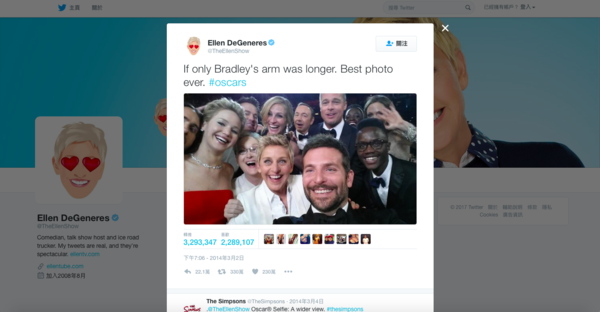
Synedoche
*mal-: negative *bene-: positive
ex. Maleficient
malicious
malignant tumor
Cheap great weapon
Utopia

A utopia is an imagined community or society that possesses highly desirable or nearly perfect qualities.
Utopian ideals often place emphasis on egalitarian principles of equality in economics, government and justice, though by no means exclusively, with the method and structure of proposed implementation varying based on ideology. According to Lyman Tower Sargent "[t]here are socialist, capitalist, monarchical, democratic, anarchist, ecological, feminist, patriarchal, egalitarian, hierarchical, racist, left-wing, right-wing, reformist, free love, nuclear family, extended family, gay, lesbian, and many more utopias".
Neverland
Neverland is a fictional location featured in the works of J. M. Barrie and those based on them. It is an imaginary faraway place, where Peter Pan, Tinker Bell, the Lost Boys and other mythical creatures and beings live. Although not all people who come to Neverland cease to age, its best known resident famously refused to grow up, and it is often used as a metaphor for eternal childhood (and childishness), immortality, and escapism. It was first introduced as "the Never Never Land" in the theatre play Peter Pan, or The Boy Who Wouldn't Grow Up by Scottish writer J. M. Barrie, first staged in 1904.
Peter Pan

Peter Pan is a character created by Scottish novelist and playwright J. M. Barrie. A free spirited and mischievous young boy who can fly and never grows up, Peter Pan spends his never-ending childhood having adventures on the mystical island of Neverland as the leader of the Lost Boys, interacting with fairies, pirates, mermaids, Native Americans, and occasionally ordinary children from the world outside Neverland. In addition to two distinct works by Barrie, the character has been featured in a variety of media and merchandise, both adapting and expanding on Barrie's works. These include a 1953 animated film, a 2003 dramatic/live-action film, a TV series and many other works
Michael Jackson’s Neverland
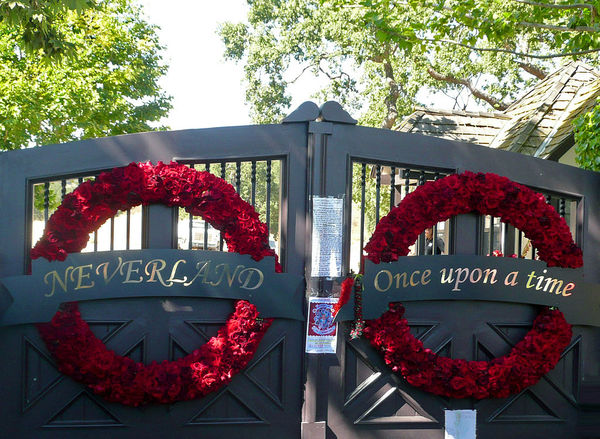
Neverland Valley Ranch (renamed Sycamore Valley Ranch)is a developed property in Santa Barbara County, California, located at 5225 Figueroa Mountain Road, Los Olivos, California 93441, first opened in August 1994. It is most famous for being the home of the late entertainer Michael Jackson.Jackson named the property after Neverland, the fantasy island in the story of Peter Pan, a boy who never grows up. Michael's first encounter with the ranch came when he visited Paul McCartney, who was staying there during their filming of the "Say Say Say" video. According to La Toya Jackson, Michael expressed interest to her in someday owning the property at that time.
1066 William the conqueror
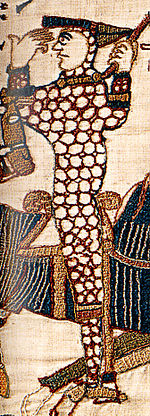
William I, usually known as William the Conqueror and sometimes William the Bastard, was the first Norman King of England, reigning from 1066 until his death in 1087. A descendant of Rollo, he was Duke of Normandy (as Duke William II) from 1035 onward. After a long struggle to establish his power, by 1060 his hold on Normandy was secure, and he launched the Norman conquest of England six years later. The rest of his life was marked by struggles to consolidate his hold over England and his continental lands and by difficulties with his eldest son.
King Alfred

Alfred the Great was King of Wessex from 871 to 899.
Alfred successfully defended his kingdom against the Viking attempt at conquest, and by the time of his death had become the dominant ruler in England.He is one of only two English monarchs to be given the epithet "the Great", the other being the Scandinavian Cnut the Great. He was also the first King of the West Saxons to style himself "King of the Anglo-Saxons". Details of Alfred's life are described in a work by the 10th-century Welsh scholar and bishop Asser.
Nero
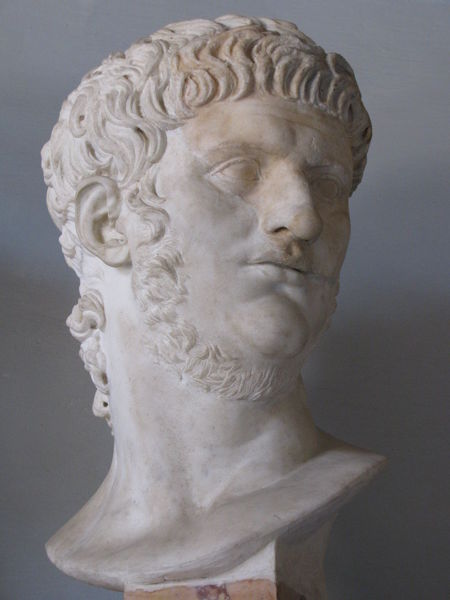
Nero was Roman Emperor from 54 to 68, and the last in the Julio-Claudian dynasty. Nero was adopted by his great-uncle Claudius to become his heir and successor, and acceded to the throne in 54 following Claudius' death.
King Author
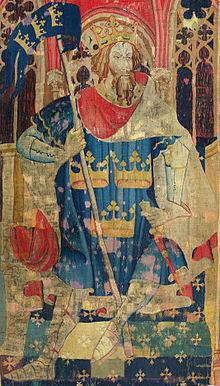
King Arthur is a legendary British leader who, according to medieval histories and romances, led the defence of Britain against Saxon invaders in the late 5th and early 6th centuries AD. The details of Arthur's story are mainly composed of folklore and literary invention, and his historical existence is debated and disputed by modern historians.[2] The sparse historical background of Arthur is gleaned from various sources, including the Annales Cambriae, the Historia Brittonum, and the writings of Gildas. Arthur's name also occurs in early poetic sources such as Y Gododdin.
1.affluent (adj.) early-15c., "abounding in, copious" (of God's grace); mid-15c. "flowing to" (of liquids), both senses now obsolete, from Old French afluent (14c.) or directly from Latin affluentem (nominative affluens) "abounding, rich, copious," literally "flowing toward," present participle of affluere "flow toward," from ad "to" (see ad-) + fluere "to flow" (see fluent). The especial sense of "abounding in wealth or possessions" is from 1753.
2. chagrin (v.)
1660s (implied in chagrined), from chagrin (n.). Related: Chagrined; chagrining.
chagrin (n.) Look up chagrin at Dictionary.com
1650s, "melancholy," from French chagrin "melancholy, anxiety, vexation" (14c.), from Old North French chagreiner or Angevin dialect chagraigner "sadden," which is of unknown origin, perhaps [Gamillscheg] from Old French graignier "grieve over, be angry," from graigne "sadness, resentment, grief, vexation," from graim "sorrowful," which is of unknown origin, perhaps from a Germanic source (compare Old High German gram "angry, fierce"). But OED and other sources trace it to an identical Old French word, borrowed into English phonetically as shagreen, meaning "rough skin or hide," which is of uncertain origin, the connecting notion being "roughness, harshness." Modern sense of "feeling of irritation from disappointment" is 1716.
3. confidant (n.) 1610s, confident, "(male) person trusted with private affairs," from French confident (16c.), from Italian confidente "a trusty friend," literally "confident, trusty," from Latin confidentem (nominative confidens), present participle of confidere "to trust, confide" (see confidence). The spelling with -a- came to predominate 18c. and might reflect the French pronunciation.
4. consternation (n.)
1610s, from French consternation "dismay, confusion," from Latin consternationem (nominative consternatio) "confusion, dismay," from consternat-, past participle stem of consternare "overcome, confuse, dismay, perplex, terrify, alarm," probably related to consternere "throw down, prostrate," from com-, intensive prefix (see com-), + sternere "to spread out" (see stratum).
5. deride (v.) 1520s, from Middle French derider, from Latin deridere "to ridicule, laugh to scorn" (see derision). Related: Derided; deriding.
6. discern (v.) late 14c., from Old French discerner (13c.) "distinguish (between), separate" (by sifting), and directly from Latin discernere "to separate, set apart, divide, distribute; distinguish, perceive," from dis- "off, away" (see dis-) + cernere "distinguish, separate, sift" (see crisis). Related: Discerned; discerning.
7. disparage (v.)
early 14c., "degrade socially," from Old French desparagier (Modern French déparager) "reduce in rank, degrade, devalue, depreciate," originally "to marry unequally," and thus by extension the disgrace or dishonor involved in this, from des- "away" (see dis-) + parage "rank, lineage" (see peer (n.)). Sense of "belittle" first recorded 1530s. Related: Disparaged; disparaging; disparagingly.
8. dubious (adj.) 1540s, from Latin dubiosus "doubtful," from dubium "doubt," neuter of dubius "vacillating, moving two ways, fluctuating;" figuratively "wavering in opinion, doubting, doubtful," from duo "two" (see two), with a sense of "of two minds, undecided between two things." Old English also used tweo "two" to mean "doubt." Compare doubt (v.). Related: Dubiously; dubiousness.
9. eschew (v.) mid-14c., from Old French eschiver "shun, eschew, avoid, dispense with," from Frankish *skiuhan "dread, avoid, shun," from Proto-Germanic *skeukhwaz (source also of Old High German sciuhen "to avoid, escape," German scheuen "to fear, shun, shrink from," scheu "shy, timid"); see shy (adj.). Related: Eschewed; eschewing; eschewal; eschewance. Italian schivare "to avoid, shun, protect from," schivo "shy, bashful" are related loan words from Germanic. For e-, see e-.
10. feasible (adj.) "capable of being done, accomplished or carried out," mid-15c., from Anglo-French faisible, from Old French faisable "possible, that may be done; easy, convenient," from fais-, stem of faire "do, make," from Latin facere "to make, do, perform" (see factitious). Fowler recommends this word only for those "who feel that the use of an ordinary word for an ordinary notion does not do justice to their vocabulary or sufficiently exhibit their cultivation."
11. fiasco (n.) 1855, theater slang for "a failure in performance;" by 1862 it had acquired the general sense of "any ignominious failure or dismal flop," on or off the stage. It comes via the French phrase fiare fiasco "turn out a failure" (19c.), from Italian far fiasco "suffer a complete breakdown in performance," literally "make a bottle," from fiasco "bottle," from Late Latin flasco "bottle" (see flask).
The literal sense of the image (if it is one) is obscure today, but "the usual range of fanciful theories has been advanced" [Ayto]. Century Dictionary says "perhaps in allusion to the bursting of a bottle," Weekley pronounces it impenetrable and compares French ramasser un pelle "to come a cropper (in bicycling), literally to pick up a shovel." OED keeps its distance and lets nameless "Italian etymologists" make nebulous reference to "alleged incidents in Italian theatrical history." Klein suggests Venetian glass-crafters tossing aside imperfect pieces to be made later into common flasks. But according to an Italian dictionary, fare il fiasco used to mean "to play a game so that the one that loses will pay the fiasco," in other words, he will buy the next bottle (of wine). If the dates are not objectionable, that plausibly connects the literal sense of the word with the notion of "a costly mistake."
12. laudable (adj.) early 15c., from Old French laudable "praiseworthy, glorious" and directly from Latin laudabilis "praiseworthy," from laudare "to praise, commend, extol" (see laud). Related: Laudably.
13. masticate (v.) 1640s, back-formation from mastication, or else from Late Latin masticatus, past participle of masticare "to chew." Related: Masticated; masticating.
14. obsolescence (n.) 1809; see obsolescent + -ence. Phrase Planned obsolescence coined 1932, revived as a disparaging term 1950s.
15. perfunctory (adj.) 1580s, from Late Latin perfunctorius "careless, negligent," literally "like one who wishes to get through a thing," from Latin perfungus, past participle of perfungi "discharge, busy oneself, get through," from per "through" (see per) + fungi "perform" (see function (n.)). Related: Perfunctorily.
16. perverse (adj.) mid-14c., "wicked," from Old French pervers "unnatural, degenerate; perverse, contrary" (12c.) and directly from Latin perversus "turned away, contrary, askew," figuratively, "turned away from what is right, wrong, malicious, spiteful," past participle of pervertere "to corrupt" (see pervert (v.)). The Latin word is glossed in Old English by forcerred, from past participle of forcyrran "to avoid," from cierran "to turn, return." Meaning "wrong, not in accord with what is accepted" is from 1560s; sense of "obstinate, stubborn" is from 1570s. It keeps the non-sexual senses of pervert (v.) and allows the psychological ones to go with perverted. Related: Perversely; perverseness.
17. precocious (adj.)
1640s, "developed before the usual time" (of plants), with -ous + Latin praecox (genitive praecocis) "maturing early," from prae "before" (see pre-) + coquere "to ripen," literally "to cook" (see cook (n.)). Originally of flowers or fruits. Figurative use, of persons, dates from 1670s. Related: Precociously; precociousness.
18. quell (v.) Old English cwellan "to kill, murder, execute," from Proto-Germanic *kwaljanan (source also of Old English cwelan "to die," cwalu "violent death;" Old Saxon quellian "to torture, kill;" Old Norse kvelja "to torment;" Middle Dutch quelen "to vex, tease, torment;" Old High German quellan "to suffer pain," German quälen "to torment, torture"), from PIE root *gwele- (1) "to throw, reach," with extended sense of "to pierce" (source also of Armenian kelem "I torture;" Old Church Slavonic zali "pain;" Lithuanian galas "end," gela "agony," gelti "to sting;" see ballistics). Milder sense of "suppress, extinguish" developed by c. 1300. Related: Quelled; quelling.
19. sally (v.) 1540s, from sally (n.). Related: Sallied; sallying.
20. voluble (adj.) early 15c., "liable to constant change," from Middle French voluble, from Latin volubilis "that turns around, rolling, flowing," figuratively (of speech) "fluent, rapid," from volvere "to turn around, roll" (see volvox). Meaning "fluent, talkative" first recorded 1580s. Related: Volubly.
限會員,要發表迴響,請先登入


