Introduction – Company Background
GuangXin Industrial Co., Ltd. is a specialized manufacturer dedicated to the development and production of high-quality insoles.
With a strong foundation in material science and footwear ergonomics, we serve as a trusted partner for global brands seeking reliable insole solutions that combine comfort, functionality, and design.
With years of experience in insole production and OEM/ODM services, GuangXin has successfully supported a wide range of clients across various industries—including sportswear, health & wellness, orthopedic care, and daily footwear.
From initial prototyping to mass production, we provide comprehensive support tailored to each client’s market and application needs.
At GuangXin, we are committed to quality, innovation, and sustainable development. Every insole we produce reflects our dedication to precision craftsmanship, forward-thinking design, and ESG-driven practices.
By integrating eco-friendly materials, clean production processes, and responsible sourcing, we help our partners meet both market demand and environmental goals.

Core Strengths in Insole Manufacturing
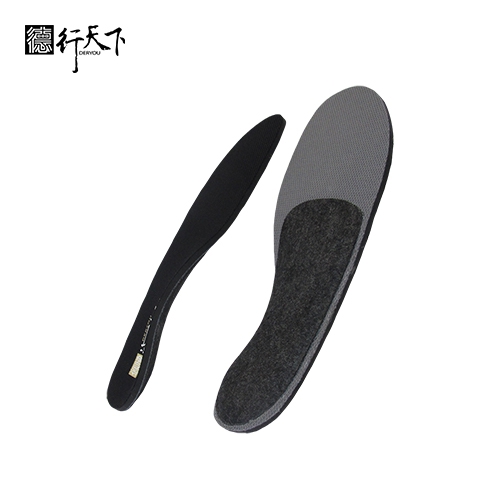
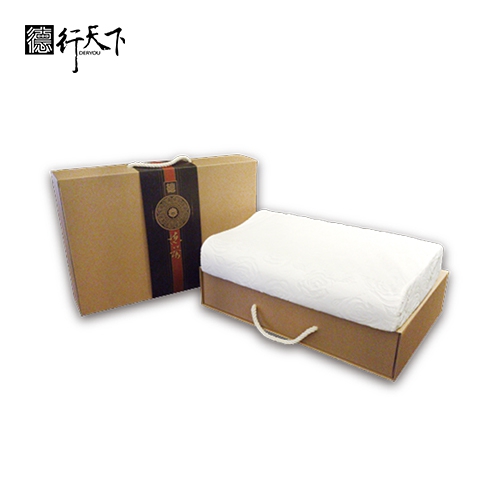
At GuangXin Industrial, our core strength lies in our deep expertise and versatility in insole and pillow manufacturing. We specialize in working with a wide range of materials, including PU (polyurethane), natural latex, and advanced graphene composites, to develop insoles and pillows that meet diverse performance, comfort, and health-support needs.
Whether it's cushioning, support, breathability, or antibacterial function, we tailor material selection to the exact requirements of each project-whether for foot wellness or ergonomic sleep products.
We provide end-to-end manufacturing capabilities under one roof—covering every stage from material sourcing and foaming, to precision molding, lamination, cutting, sewing, and strict quality control. This full-process control not only ensures product consistency and durability, but also allows for faster lead times and better customization flexibility.
With our flexible production capacity, we accommodate both small batch custom orders and high-volume mass production with equal efficiency. Whether you're a startup launching your first insole or pillow line, or a global brand scaling up to meet market demand, GuangXin is equipped to deliver reliable OEM/ODM solutions that grow with your business.
Customization & OEM/ODM Flexibility
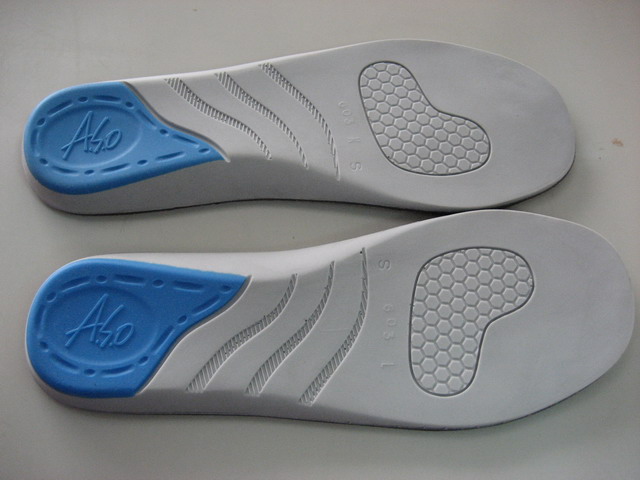
GuangXin offers exceptional flexibility in customization and OEM/ODM services, empowering our partners to create insole products that truly align with their brand identity and target market. We develop insoles tailored to specific foot shapes, end-user needs, and regional market preferences, ensuring optimal fit and functionality.
Our team supports comprehensive branding solutions, including logo printing, custom packaging, and product integration support for marketing campaigns. Whether you're launching a new product line or upgrading an existing one, we help your vision come to life with attention to detail and consistent brand presentation.
With fast prototyping services and efficient lead times, GuangXin helps reduce your time-to-market and respond quickly to evolving trends or seasonal demands. From concept to final production, we offer agile support that keeps you ahead of the competition.
Quality Assurance & Certifications
Quality is at the heart of everything we do. GuangXin implements a rigorous quality control system at every stage of production—ensuring that each insole meets the highest standards of consistency, comfort, and durability.
We provide a variety of in-house and third-party testing options, including antibacterial performance, odor control, durability testing, and eco-safety verification, to meet the specific needs of our clients and markets.
Our products are fully compliant with international safety and environmental standards, such as REACH, RoHS, and other applicable export regulations. This ensures seamless entry into global markets while supporting your ESG and product safety commitments.
ESG-Oriented Sustainable Production
At GuangXin Industrial, we are committed to integrating ESG (Environmental, Social, and Governance) values into every step of our manufacturing process. We actively pursue eco-conscious practices by utilizing eco-friendly materials and adopting low-carbon production methods to reduce environmental impact.
To support circular economy goals, we offer recycled and upcycled material options, including innovative applications such as recycled glass and repurposed LCD panel glass. These materials are processed using advanced techniques to retain performance while reducing waste—contributing to a more sustainable supply chain.
We also work closely with our partners to support their ESG compliance and sustainability reporting needs, providing documentation, traceability, and material data upon request. Whether you're aiming to meet corporate sustainability targets or align with global green regulations, GuangXin is your trusted manufacturing ally in building a better, greener future.
Let’s Build Your Next Insole Success Together
Looking for a reliable insole manufacturing partner that understands customization, quality, and flexibility? GuangXin Industrial Co., Ltd. specializes in high-performance insole production, offering tailored solutions for brands across the globe. Whether you're launching a new insole collection or expanding your existing product line, we provide OEM/ODM services built around your unique design and performance goals.
From small-batch custom orders to full-scale mass production, our flexible insole manufacturing capabilities adapt to your business needs. With expertise in PU, latex, and graphene insole materials, we turn ideas into functional, comfortable, and market-ready insoles that deliver value.
Contact us today to discuss your next insole project. Let GuangXin help you create custom insoles that stand out, perform better, and reflect your brand’s commitment to comfort, quality, and sustainability.
🔗 Learn more or get in touch:
🌐 Website: https://www.deryou-tw.com/
📧 Email: shela.a9119@msa.hinet.net
📘 Facebook: facebook.com/deryou.tw
📷 Instagram: instagram.com/deryou.tw
PU insole OEM production factory in Taiwan
Are you looking for a trusted and experienced manufacturing partner that can bring your comfort-focused product ideas to life? GuangXin Industrial Co., Ltd. is your ideal OEM/ODM supplier, specializing in insole production, pillow manufacturing, and advanced graphene product design.
With decades of experience in insole OEM/ODM, we provide full-service manufacturing—from PU and latex to cutting-edge graphene-infused insoles—customized to meet your performance, support, and breathability requirements. Our production process is vertically integrated, covering everything from material sourcing and foaming to molding, cutting, and strict quality control.China insole ODM design and production
Beyond insoles, GuangXin also offers pillow OEM/ODM services with a focus on ergonomic comfort and functional innovation. Whether you need memory foam, latex, or smart material integration for neck and sleep support, we deliver tailor-made solutions that reflect your brand’s values.
We are especially proud to lead the way in ESG-driven insole development. Through the use of recycled materials—such as repurposed LCD glass—and low-carbon production processes, we help our partners meet sustainability goals without compromising product quality. Our ESG insole solutions are designed not only for comfort but also for compliance with global environmental standards.Graphene cushion OEM factory in Indonesia
At GuangXin, we don’t just manufacture products—we create long-term value for your brand. Whether you're developing your first product line or scaling up globally, our flexible production capabilities and collaborative approach will help you go further, faster.Graphene sheet OEM supplier Indonesia
📩 Contact us today to learn how our insole OEM, pillow ODM, and graphene product design services can elevate your product offering—while aligning with the sustainability expectations of modern consumers.Taiwan eco-friendly graphene material processing
Researchers have developed a biomaterial vaccine formulation that significantly enhances and extends lymph node expansion, leading to improved immune responses and vaccine efficacy against tumors. By jump-starting LN expansion before administering a traditional vaccine, they achieved more effective and sustained anti-tumor responses. A new study reveals that enhanced lymph node expansion from biomaterial vaccines could boost tumor vaccine efficacy, potentially revolutionizing future vaccine developments. The human body has approximately 600 lymph nodes (LNs). These small, bean-shaped organs house various types of blood cells and filter lymph fluid. Vaccines can cause the LNs near an injection site to temporarily expand, a phenomenon that is thought to reflect an ongoing vaccine immune response. Although researchers have studied the early expansion of LNs following vaccination, they have not investigated whether prolonged LN expansion could affect vaccine outcomes. New Research Findings Now scientists have found a way to enhance and extend LN expansion and study how this phenomenon affects both the immune system and efficacy of vaccinations against tumors. In a revolutionary approach, researchers used a biomaterial vaccine formulation that enabled greater and more persistent LN expansion than standard control vaccines. While the oversized LNs maintained a normal tissue organization, they displayed altered mechanical features and hosted higher numbers of various immune cell types that commonly are involved in immune responses against pathogens and cancers. Notably, “jump-starting” lymph node expansion prior to administering a traditional vaccine against a melanoma-specific model antigen led to more effective and sustained anti-tumor responses in mice. This immunofluorescent staining shows a lymph node that has been significantly expanded in mice with the help of the biomaterial MPS-vaccine (on the right), next to a lymph node taken from non-treated control mice (on the left) at the same time post-vaccination. Credit: Wyss Institute at Harvard University This groundbreaking research was conducted by scientists from the Wyss Institute for Biologically Inspired Engineering at Harvard University, Harvard John A. Paulson School of Engineering and Applied Sciences (SEAS), and Genentech, a member of the Roche Group. The findings are published in Nature Biomedical Engineering. Study Details and Implications “By enhancing the initial and sustained expansion of LNs with biomaterial scaffolds, non-invasively monitoring them individually over long time periods, and probing deeply into their tissue architecture and immune cell populations, we tightly correlate a persistent LN expansion with more robust immune and vaccination responses,” said Wyss Institute Founding Core Faculty member David Mooney, Ph.D., who led the study. “This opens a new front of investigation for immunologists, and could have far-reaching implications for future vaccine developments.” The authors used a method know as high-frequency ultrasound to monitor individual lymph nodes in MPS- and control-vaccinated mice. The top row shows a series of lymph nodes on day 7 following MPS vaccination. All of them were significantly expanded, compared to lymph nodes following control vaccination imaged at the same time and shown in the bottom row. Credit: Wyss Institute at Harvard University Previous Work and New Discoveries Mooney’s team at the Wyss Institute and SEAS had previously developed different biomaterial scaffolds as a matrix for cancer and infection vaccines. The researchers have demonstrated the potential of biomaterial vaccine formulations to successfully fight the growth of tumors in an extensive body of work performed in preclinical animal models and a first clinical trial with cancer patients. But they hadn’t yet investigated how their vaccines and those developed by others could influence the response of LNs draining leaked tissue fluid at vaccine injection sites, and have an impact on the LNs tissue organization, different cell types, and their gene expression, which could in turn affect vaccine efficacy. In their new study, they tested a previously developed vaccine formulation that is based on microscale mesoporous silica (MPS) rods that can be injected close to tumors and form a cell-permeable 3D scaffold structure under the skin. Engineered to release an immune cell-attracting cytokine (GM-CSF), and immune cell-activating adjuvant (CpG), and tumor-antigen molecules, MPS-vaccines are able to reprogram recruited so-called antigen-presenting cells that, upon migrating into nearby LNs, orchestrate complex tumor cell-killing immune responses. Their new study showed that there are more facets to that concept. “As it turns out, the immune-boosting functions of basic MPS-vaccines actively change the state of LNs by persistently enlarging their whole organ structure, as well as changing their tissue mechanics and immune cell populations and functions,” said first-author Alexander Najibi, Ph.D., who performed his Ph.D. thesis with Mooney. Probing LNs With Ultra-Sound and Nano-Devices To understand the response of LNs to MPS-vaccines over time, the team applied an ultra-sound imaging technique known as high-frequency ultrasound (HFUS). Similar to monitoring a tiny fetus developing in a mother’s womb by clinical ultra-sound, HFUS, on a much smaller scale, enables non-invasively and non-destructively monitoring of anatomical details of tissues and organs in small animals such as mice. Using HFUS, the team traced individual LNs in MPS-vaccinated mice over 100 days. They identified an initial peak expansion period that lasted until day 20, in which LN volumes increased about 7-fold, significantly greater than in animals that received traditional vaccine formulations. Importantly, the LNs of MPS-vaccinated mice, while decreasing in volumes after this peak expansion, remained significantly more expanded than LNs from traditionally vaccinated mice throughout the 100-day time course. When Najibi and the team investigated the mechanical responses of the LNs using a nanoindentation device, they found that LNs in MPS-vaccinated animals, although maintaining an overall normal structure, were less stiff and more viscous in certain locations. This was accompanied by a re-organization of a protein that assembles and controls cells’ mechanically active cytoskeleton. Interestingly, Mooney’s group had shown in an earlier biomaterial study that changing mechanical features of immune cells’ environments, especially their viscoelasticity, affects immune cell development and functions. “It is very well-possible that in order to accommodate the significant growth induced by MPS-vaccines, LNs need to become softer and more viscous, and that this then further impacts immune cell recruitment, proliferation, and differentiation in a feed-forward process,” said Najibi. From Immune Cell Engagement to Vaccine Responses Interestingly, upon MPS-vaccination, the numbers of “innate immune cells,” including monocytes, neutrophils, macrophages, and other cell types that build up the first wave of immune defenses against pathogens and unwanted cells, peaked first in expanding LNs. Peaking with a delay were dendritic cells (DCs), which normally transfer information in the form of antigens from invading pathogens and cancer cells to “adaptive immune cells” that then launch subsequent waves of highly specific immune responses against the antigen-producing invaders. In fact, along with DCs, also T and B cell types of the adaptive immune system started to reach their highest numbers. “It was fascinating to see how the distinct changes in immune cell populations that we detected in expanding LNs in response to the MPS-vaccine over time re-enacted a typical immune response to infectious pathogens,” commented Najibi. Innate immune cells and DCs are also known as “myeloid cells,” which are known to interact with LN tissue during early expansion. To further define the impact of myeloid cells on LN expansion, Mooney’s team collaborated with the group of Shannon Turley, Ph.D., the VP of Immunology and Regenerative Medicine at Genentech, and an expert in lymph node biology and tumor immunology. “The MPS-vaccine led to extraordinary structural and cellular changes within the lymph node that supported potent antigen-specific immunity,” said Turley. By isolating myeloid cells from LNs and analyzing the gene expression profiles of individual cells (single-cell RNA-seq), the groups were able to reconstruct distinct changes in myeloid cell populations during LN expansion and identified distinct DC populations in durably expanded LNs whose changed gene expression was associated with LN expansion. In addition, the collaborators found that the number of monocytes increased 80-fold upon MPS-vaccination – the highest increase among all myeloid cell types – and pinpointed subpopulations of “inflammatory and antigen-presenting monocytes” as promising candidates for facilitating LN expansion. In fact, when they depleted specific subpopulations of these types of monocytes from circulating blood of mice after vaccination, the maintenance of LN expansion, and timing of the T cell response to vaccination, were altered. Enhancing Vaccine Effectiveness The team explored whether LN expansion could enhance the effectiveness of vaccination. “Jump-starting” the immune system in LNs with an antigen-free MPS-vaccine and subsequently administering the antigen in a traditional vaccine format significantly improved anti-tumor immunity and prolonged the survival of melanoma-bearing mice, compared to the traditional vaccine alone. “The priming of lymph nodes for subsequent vaccinations using various formulations could be a low-hanging fruit for future vaccine developments,” said Mooney. “This newfound ability to physically expand lymph nodes and enhance their various immune activities over longer treatment courses, using cleverly designed and easy-to-administer biomaterials, could provide a tremendous push to immunotherapies in patients. It is also yet another great example of how mechanics plays a key role in regulation of living systems, even immune responses where few would consider physical cues to be important,” said Wyss Founding Director Donald Ingber, M.D., Ph.D., who is also the Judah Folkman Professor of Vascular Biology at Harvard Medical School and Boston Children’s Hospital, and the Hansjörg Wyss Professor of Bioinspired Engineering at SEAS. Reference: “Durable lymph-node expansion is associated with the efficacy of therapeutic vaccination” by Alexander J. Najibi, Ryan S. Lane, Miguel C. Sobral, Giovanni Bovone, Shawn Kang, Benjamin R. Freedman, Joel Gutierrez Estupinan, Alberto Elosegui-Artola, Christina M. Tringides, Maxence O. Dellacherie, Katherine Williams, Hamza Ijaz, Sören Müller, Shannon J. Turley and David J. Mooney, 6 May 2024, Nature Biomedical Engineering. DOI: 10.1038/s41551-024-01209-3 Other authors of the study are Ryan Lane, Miguel Sobral, Giovanni Bovone, Shawn Kang, Benjamin Freedman, Joel Gutierrez Estupinan, Alberto Elosegui-Artola, Christina Tringides, Maxence Dellacherie, Katherine Williams, Hamza Ijaz, and Sören Müller. The study was funded by the National Institutes of Health/National Cancer Institute (award# U54 CA244726 and R01 CA223255).
Researchers at the Earlham Institute have engineered tobacco plants to produce moth sex pheromones using sunlight and water, offering a sustainable and cost-effective alternative to chemical synthesis. By fine-tuning gene expression with copper sulfate, the team successfully regulated pheromone production without impacting the plants’ normal growth and development. Engineered tobacco plants produce moth pheromones, offering a sustainable alternative to chemical synthesis. Researchers at the Earlham Institute in Norwich have utilized precision gene engineering methods to transform tobacco plants into solar-powered factories that produce moth sex pheromones. Importantly, they have demonstrated the ability to effectively control the production of these molecules without negatively impacting normal plant growth. Pheromones are complex chemicals produced and released by an organism as a means of communication. They allow members of the same species to send signals, which includes letting others know they’re looking for love. Farmers can hang pheromone dispersers among their crops to mimic the signals of female insects, trapping or distracting the males from finding a mate. Some of these molecules can be produced by chemical processes but chemical synthesis is often expensive and creates toxic byproducts. Synthetic Biology as a Tool for Green Manufacturing Dr. Nicola Patron, who led this new research and heads the Synthetic Biology Group at the Earlham Institute, uses cutting-edge science to get plants to produce these valuable natural products. Synthetic biology applies engineering principles to the building blocks of life, DNA. By creating genetic modules with the instructions to build new molecules, Dr. Patron and her group can turn a plant such as tobacco into a factory that only needs sunlight and water. “Synthetic biology can allow us to engineer plants to make a lot more of something they already produced, or we can provide the genetic instructions that allow them to build new biological molecules, such as medicines or these pheromones,” said Dr. Patron. In this latest work, the team worked with scientists at the Plant Molecular and Cell Biology Institute in Valencia to engineer a species of tobacco, Nicotiana benthamiana, to produce moth sex pheromones. The same plant has previously been engineered to produce ebola antibodies and even coronavirus-like particles for use in Covid vaccines. The group built new sequences of DNA in the lab to mimic the moth genes and introduced a few molecular switches to precisely regulate their expression, which effectively turns the manufacturing process on and off. An important component of the new research was the ability to fine-tune the production of the pheromones, as coercing plants to continuously build these molecules has its drawbacks. “As we increase the efficiency, too much energy is diverted away from normal growth and development,” explained Dr. Patron. “The plants are producing a lot of pheromones but they’re not able to grow very large, which essentially reduces the capacity of our production line. Our new research provides a way to regulate gene expression with much more subtlety.” In the lab, the team set about testing and refining the control of genes responsible for producing the mix of specific molecules that mimic the sex pheromones of moth species, including navel orangeworm and cotton bollworm moths. Regulating Gene Expression with Copper Sulfate They showed that copper sulfate could be used to finely tune the activity of the genes, allowing them to control both the timing and level of gene expression. This is particularly important as copper sulfate is a cheap and readily-available compound already approved for use in agriculture. They were even able to carefully control the production of different pheromone components, allowing them to tweak the cocktail to better suit specific moth species. “We’ve shown we can control the levels of expression of each gene relative to the others,” said Dr. Patron. “This allows us to control the ratio of products that are made. Getting that recipe right is particularly important for moth pheromones as they’re often a blend of two or three molecules in specific ratios. Our collaborators in Spain are now extracting the plant-made pheromones and testing them in dispensers to see how well they compare to female moths.” The team hopes their work will pave the way to routinely using plants to produce a wide range of valuable natural products. “A major advantage of using plants is that it can be far more expensive to build complex molecules using chemical processes,” said Dr. Patron. “Plants produce an array of useful molecules already so we’re able to use the latest techniques to adapt and refine the existing machinery. “In the future, we may see greenhouses full of plant factories – providing a greener, cheaper, and more sustainable way to manufacture complex molecules.” Reference: “Tunable control of insect pheromone biosynthesis in Nicotiana benthamiana” by Kalyani Kallam, Elena Moreno-Giménez, Ruben Mateos-Fernández, Connor Tansley, Silvia Gianoglio, Diego Orzaez and Nicola Patron, 9 April 2023, Plant Biotechnology. DOI: 10.1111/pbi.14048 The research is part of the SUSPHIRE project, which received support from ERACoBiotech funded by the Horizon 2020 research and innovation program and the UKRI Biotechnology and Biological Sciences Research Council (BBSRC).
Cyanobacteria use an AM radio-like mechanism to regulate their genes, with the cell division cycle acting as a “carrier wave” and their circadian clock modulating the pulse strength to integrate signals from these two rhythms. This discovery explains how cells coordinate these oscillatory processes and may have applications in biotechnology and synthetic biology. Credit: SciTechDaily.com Cyanobacteria use an AM radio-like principle to coordinate cell division with circadian rhythms, encoding information through pulse amplitude modulation. Cyanobacteria, an ancient group of photosynthetic bacteria, have been discovered to regulate their genes using the same physics principle used in AM radio transmission. New research published in Current Biology has found that cyanobacteria use variations in the amplitude (strength) of a pulse to convey information in single cells. The finding sheds light on how biological rhythms work together to regulate cellular processes. In AM (amplitude modulation) radio, a wave with constant strength and frequency – called a carrier wave – is generated from the oscillation of an electric current. The audio signal, which contains the information (such as music or speech) to transmit, is superimposed onto the carrier wave. This is done by varying the amplitude of the carrier wave in accordance with the frequency of the audio signal. The research team, led by Professor James Locke at the Sainsbury Laboratory Cambridge University (SLCU) and Dr Bruno Martins at the University of Warwick found that a similar AM radio-like mechanism is at work in cyanobacteria. In cyanobacteria, the cell division cycle, the process through which one cell grows and divides into two new cells, acts as the ‘carrier signal’. The modulating signal then comes from the bacteria’s 24-hour circadian clock, which acts as an internal time-keeping mechanism. Solving a Long-Standing Cellular Puzzle This finding answers a long-standing question in cell biology – how do cells integrate signals from two oscillatory processes – the cell cycle and the circadian rhythm – which operate a different frequencies? Until now, it was unclear how these two cycles could be coordinated. Ye et al. report on pulse amplitude modulation (PAM) in cyanobacterial gene regulation, analogous to AM radio. The circadian clock regulates the pulsing amplitude of a sigma factor, creating a circadian pattern despite non-circadian pulsing. This coupling links the clock to the cell cycle, suggesting PAM as a broader mechanism in biological clocks. Credit: Graphic by Chao Le To solve the puzzle, the research team used single-cell time-lapse microscopy and mathematical modeling. With the time-lapse microscopy, they tracked expression of a protein, the alternative sigma factor RpoD4. RPoD4 plays an important role in the initiation of transcription, which is the process by which genetic information from DNA is transcribed into RNA. The modeling allowed researchers to explore signal processing mechanisms, comparing modeling results with microscopy data. The team found RpoD4 is turned on in pulses that occur only at cell division, which made it an ideal candidate for tracking. Lead author Dr Chao Ye explained: “We found that the circadian clock dictates how strong these pulses are over time. Using this strategy, cells can encode information about two oscillatory signals in the same output: information about the cell cycle in the pulsing frequency, and about the 24-hour clock in the pulsing strength. This is the first time we’ve observed a circadian clock using pulse amplitude modulation, a concept typically associated with communication technology, to control biological functions.” Implications of the Findings “Varying the frequency of either the cell cycle, through ambient light, or the circadian clock, through genetic mutations, validated the underlying principle. It is striking to see examples in nature of what we sometimes think of as ‘our’ engineering rules,” said co-corresponding author Dr Martins. “The cyanobacterial lineage evolved 2.7 billion years ago, and have an elegant solution to this information processing problem.” Professor Locke added: “One reason we study cyanobacteria is that they have the simplest circadian clock of any organism, so understanding it lays the foundation we need to understand clocks in more complex organisms, like people and crops. “These principles could have broader implications in synthetic biology and biotechnology. For example, this could help us develop crops that are more resilient to changing environmental conditions, with implications for agriculture and sustainability.” Reference: “The cyanobacterial circadian clock couples to pulsatile processes using pulse amplitude modulation” by Chao Ye, Chris N. Micklem, Teresa Saez, Arijit K. Das, Bruno M.C. Martins and James C.W. Locke, 25 November 2024, Current Biology. DOI: 10.1016/j.cub.2024.10.047 This research was funded by BBSRC, ERC, the Gatsby Charitable Foundation and the Royal Society.
DVDV1551RTWW78V
Thailand graphene sports insole ODM 》delivering consistent quality from sample to mass productionChina graphene product OEM service 》where craftsmanship meets innovation and ESG valuesInnovative insole ODM solutions in Taiwan 》flexible, experienced, and ready to support your growth
下一則: ESG-compliant OEM manufacturer in Thailand 》crafts
- Pillow ODM design company in Thailand 》minimizing
- ESG-compliant OEM manufacturer in Thailand 》crafts
- China pillow ODM development service 》manufacturin
- Vietnam athletic insole OEM supplier 》your trusted
- Thailand sustainable material ODM solutions 》perfo
- Graphene insole manufacturer in Thailand 》a truste
限會員,要發表迴響,請先登入


