Introduction – Company Background
GuangXin Industrial Co., Ltd. is a specialized manufacturer dedicated to the development and production of high-quality insoles.
With a strong foundation in material science and footwear ergonomics, we serve as a trusted partner for global brands seeking reliable insole solutions that combine comfort, functionality, and design.
With years of experience in insole production and OEM/ODM services, GuangXin has successfully supported a wide range of clients across various industries—including sportswear, health & wellness, orthopedic care, and daily footwear.
From initial prototyping to mass production, we provide comprehensive support tailored to each client’s market and application needs.
At GuangXin, we are committed to quality, innovation, and sustainable development. Every insole we produce reflects our dedication to precision craftsmanship, forward-thinking design, and ESG-driven practices.
By integrating eco-friendly materials, clean production processes, and responsible sourcing, we help our partners meet both market demand and environmental goals.
Core Strengths in Insole Manufacturing
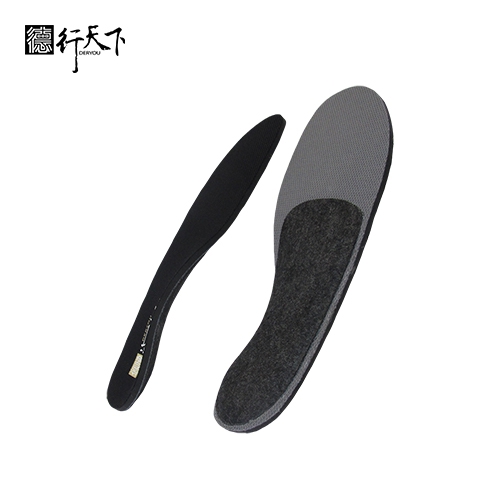
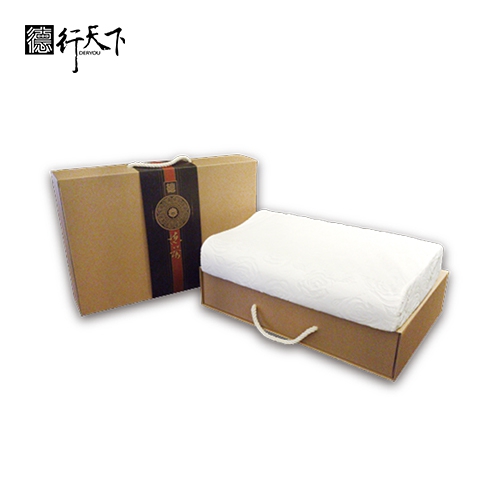
At GuangXin Industrial, our core strength lies in our deep expertise and versatility in insole and pillow manufacturing. We specialize in working with a wide range of materials, including PU (polyurethane), natural latex, and advanced graphene composites, to develop insoles and pillows that meet diverse performance, comfort, and health-support needs.
Whether it's cushioning, support, breathability, or antibacterial function, we tailor material selection to the exact requirements of each project-whether for foot wellness or ergonomic sleep products.
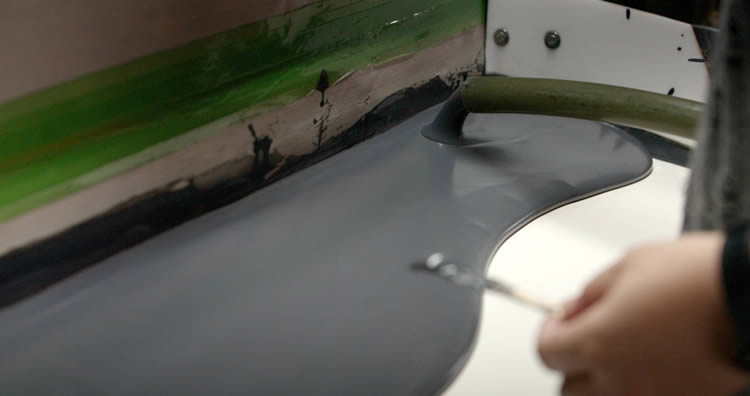
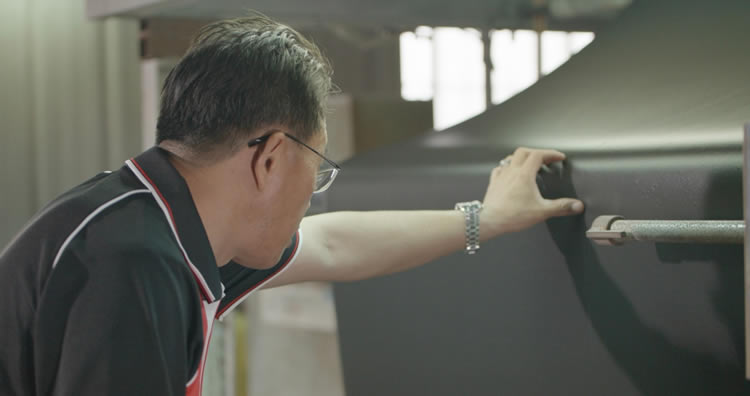
We provide end-to-end manufacturing capabilities under one roof—covering every stage from material sourcing and foaming, to precision molding, lamination, cutting, sewing, and strict quality control. This full-process control not only ensures product consistency and durability, but also allows for faster lead times and better customization flexibility.
With our flexible production capacity, we accommodate both small batch custom orders and high-volume mass production with equal efficiency. Whether you're a startup launching your first insole or pillow line, or a global brand scaling up to meet market demand, GuangXin is equipped to deliver reliable OEM/ODM solutions that grow with your business.
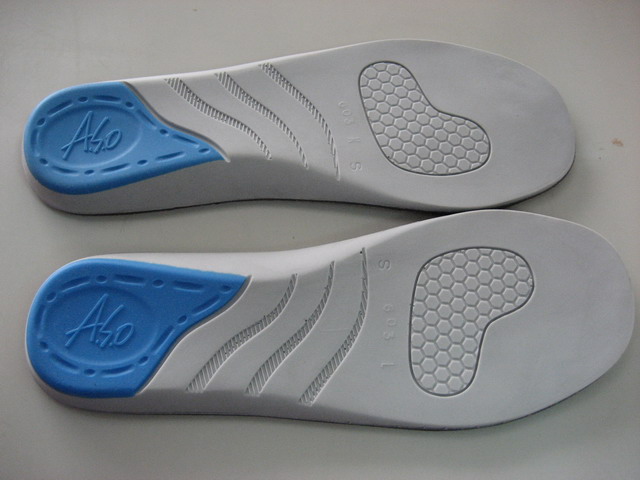
Customization & OEM/ODM Flexibility
GuangXin offers exceptional flexibility in customization and OEM/ODM services, empowering our partners to create insole products that truly align with their brand identity and target market. We develop insoles tailored to specific foot shapes, end-user needs, and regional market preferences, ensuring optimal fit and functionality.
Our team supports comprehensive branding solutions, including logo printing, custom packaging, and product integration support for marketing campaigns. Whether you're launching a new product line or upgrading an existing one, we help your vision come to life with attention to detail and consistent brand presentation.
With fast prototyping services and efficient lead times, GuangXin helps reduce your time-to-market and respond quickly to evolving trends or seasonal demands. From concept to final production, we offer agile support that keeps you ahead of the competition.
Quality Assurance & Certifications
Quality is at the heart of everything we do. GuangXin implements a rigorous quality control system at every stage of production—ensuring that each insole meets the highest standards of consistency, comfort, and durability.
We provide a variety of in-house and third-party testing options, including antibacterial performance, odor control, durability testing, and eco-safety verification, to meet the specific needs of our clients and markets.
Our products are fully compliant with international safety and environmental standards, such as REACH, RoHS, and other applicable export regulations. This ensures seamless entry into global markets while supporting your ESG and product safety commitments.
ESG-Oriented Sustainable Production
At GuangXin Industrial, we are committed to integrating ESG (Environmental, Social, and Governance) values into every step of our manufacturing process. We actively pursue eco-conscious practices by utilizing eco-friendly materials and adopting low-carbon production methods to reduce environmental impact.
To support circular economy goals, we offer recycled and upcycled material options, including innovative applications such as recycled glass and repurposed LCD panel glass. These materials are processed using advanced techniques to retain performance while reducing waste—contributing to a more sustainable supply chain.
We also work closely with our partners to support their ESG compliance and sustainability reporting needs, providing documentation, traceability, and material data upon request. Whether you're aiming to meet corporate sustainability targets or align with global green regulations, GuangXin is your trusted manufacturing ally in building a better, greener future.
Let’s Build Your Next Insole Success Together
Looking for a reliable insole manufacturing partner that understands customization, quality, and flexibility? GuangXin Industrial Co., Ltd. specializes in high-performance insole production, offering tailored solutions for brands across the globe. Whether you're launching a new insole collection or expanding your existing product line, we provide OEM/ODM services built around your unique design and performance goals.
From small-batch custom orders to full-scale mass production, our flexible insole manufacturing capabilities adapt to your business needs. With expertise in PU, latex, and graphene insole materials, we turn ideas into functional, comfortable, and market-ready insoles that deliver value.
Contact us today to discuss your next insole project. Let GuangXin help you create custom insoles that stand out, perform better, and reflect your brand’s commitment to comfort, quality, and sustainability.
🔗 Learn more or get in touch:
🌐 Website: https://www.deryou-tw.com/
📧 Email: shela.a9119@msa.hinet.net
📘 Facebook: facebook.com/deryou.tw
📷 Instagram: instagram.com/deryou.tw
Soft-touch pillow OEM service in Vietnam
Are you looking for a trusted and experienced manufacturing partner that can bring your comfort-focused product ideas to life? GuangXin Industrial Co., Ltd. is your ideal OEM/ODM supplier, specializing in insole production, pillow manufacturing, and advanced graphene product design.
With decades of experience in insole OEM/ODM, we provide full-service manufacturing—from PU and latex to cutting-edge graphene-infused insoles—customized to meet your performance, support, and breathability requirements. Our production process is vertically integrated, covering everything from material sourcing and foaming to molding, cutting, and strict quality control.Cushion insole OEM solution Thailand
Beyond insoles, GuangXin also offers pillow OEM/ODM services with a focus on ergonomic comfort and functional innovation. Whether you need memory foam, latex, or smart material integration for neck and sleep support, we deliver tailor-made solutions that reflect your brand’s values.
We are especially proud to lead the way in ESG-driven insole development. Through the use of recycled materials—such as repurposed LCD glass—and low-carbon production processes, we help our partners meet sustainability goals without compromising product quality. Our ESG insole solutions are designed not only for comfort but also for compliance with global environmental standards.Graphene cushion OEM factory in Thailand
At GuangXin, we don’t just manufacture products—we create long-term value for your brand. Whether you're developing your first product line or scaling up globally, our flexible production capabilities and collaborative approach will help you go further, faster.Flexible manufacturing OEM & ODM Vietnam
📩 Contact us today to learn how our insole OEM, pillow ODM, and graphene product design services can elevate your product offering—while aligning with the sustainability expectations of modern consumers.Ergonomic insole ODM support Indonesia
Lead author, Karl Barber with a PICASSO microarray. Credit: Karl Barber, Schmidt Science Fellows Scientists have repurposed the genetic modification technology CRISPR to identify antibodies in patient blood samples in a move that could inspire a new class of medical diagnostics in addition to a host of other applications. The technology involves customizable collections of proteins which are attached to a variant of Cas9, the protein at the heart of CRISPR, that will bind to DNA but not cut it as it would when used for genetic modification. When these Cas9-fused proteins are applied to a microchip sporting thousands of unique DNA molecules, each protein within the mixture will self-assemble to the position on the chip containing its corresponding DNA sequence. The researchers have called this technique ‘PICASSO’, short for peptide immobilization by Cas9-mediated self-organization. By then applying a blood sample to the PICASSO microarray, the proteins on the microchip that are recognized by patient antibodies can be identified. The team led by Dr. Stephen Elledge at Harvard Medical School and Brigham and Women’s Hospital, Boston, has published the research online in Molecular Cell today (August 13, 2021). The paper’s first author, Dr. Karl Barber, is a 2018 Schmidt Science Fellow, with much of the work to develop the technology taking place during his Fellowship Research Placement in corresponding author Dr. Elledge’s laboratory. Describing PICASSO, Dr. Barber said: “Imagine you want to paint a picture on a canvas, but instead of painting in a normal fashion, you mix all of your paints together, splash it on the canvas, and the perfect picture emerges. With our new technique, you place DNA molecules at defined locations on a surface and each protein from a mixture will then self-assemble to its corresponding DNA sequence, like an automated paint-by-number kit. The resulting DNA-templated protein microarrays allow you to quickly identify antibodies in clinical samples that recognize whatever proteins you are interested in.” The research team has demonstrated that the technology works to assemble thousands of different proteins, suggesting that it could be readily adapted as a broad-spectrum medical diagnostic tool. In the paper, they used the technique to detect antibodies binding to proteins derived from pathogens, including SARS-CoV-2, from the blood of recovering COVID-19 patients. Dr. Barber said: “In this work, we demonstrated the application of PICASSO for protein studies, creating a tool that we believe could be quickly adapted for medical diagnostics. Our protein self-assembly technique could also be harnessed for the development of new biomaterials and biosensors just by attaching DNA targets to a scaffold and allowing Cas9-linked proteins to bind.” Group Leader, Dr. Elledge, commented: “One of the most exciting aspects of this work is the demonstration of how CRISPR can be applied in an entirely new setting. Previously, CRISPR has been used primarily for gene editing and the detection of DNA or RNA. PICASSO brings the power of CRISPR into a new realm of protein studies, and the molecular self-assembly strategy we show may assist in developing new research and diagnostic tools.” Dr. Megan Kenna, Executive Director of Schmidt Science Fellows, said: “This technology has the potential to be used as a medical diagnostic tool that could, one day, provide doctors with a way to quickly determine the diagnosis and best course of treatment for each individual patient.” “The way that Karl and the research team have brought together fundamental biology with molecular engineering to make this important discovery shows why the interdisciplinarity at the heart of our Fellowship is so critical to advancing science.” The research was supported by Schmidt Science Fellows, the Jane Coffin Childs Memorial Fund for Medical Research, National Science Foundation, and the Howard Hughes Medical Institute. Reference: “CRISPR-based peptide library display and programmable microarray self-assembly for rapid quantitative protein binding assays” by Karl W. Barber, Ellen Shrock and Stephen J. Elledge, 13 August 2021, Molecular Cell. DOI: 10.1016/j.molcel.2021.07.027 About Schmidt Science Fellows An initiative of Schmidt Futures, delivered in partnership with the Rhodes Trust, the Schmidt Science Fellows program brings together the brightest minds who have completed a PhD in the natural sciences, mathematics, engineering, or computing, and places them in a postdoctoral Fellowship in a field different from their existing expertise. Fellows are supported for at least one and up to two years with a USD $100,000 per year stipend. Schmidt Science Fellows has a vision of a world where interdisciplinary science flourishes without limit, accelerating discoveries to benefit the world, and driving innovations that improves quality of life for all. Realizing this vision requires a network of individuals and organizations committed to advancing interdisciplinary science, together.
Using ancient DNA, researchers have traced the diverse origins of workers buried at Machu Picchu, revealing that they hailed from across the vast expanse of the Inca Empire. This study significantly enhances our understanding of the societal composition during the Inca Empire’s zenith. DNA analysis of Machu Picchu’s residents reveals they came from various regions of the Inca Empire, supporting historical and archaeological evidence of a diverse worker population. Who lived at Machu Picchu at its height? New research, recently published in the journal Science Advances, leverages ancient DNA to unveil the origins of workers buried over half a millennium ago within the lost Inca Empire for the first time. A team of researchers, including Jason Nesbitt, an associate professor of archaeology at Tulane University’s School of Liberal Arts, conducted genetic examinations on bodies buried at Machu Picchu. Their objective was to gather more information about the people who lived and worked there. Machu Picchu is a UNESCO World Heritage Site located in the Cusco region of Peru. It is one of the most well-known archaeological sites in the world and attracts hundreds of thousands of visitors every year. It was once part of a royal estate of the Inca Empire. Like other royal estates, Machu Picchu was home not only to royalty and other elite members of Inca society, but also to attendants and workers, many of whom lived in the estate year-round. These residents did not necessarily come from the local area, though it is only in this study that researchers have been able to confirm, with DNA evidence, the diversity of their backgrounds. “It’s telling us, not about elites and royalty, but lower status people,” Nesbitt said. “These were burials of the retainer population.” Genetic Analysis Reveals Widespread Origins This DNA analysis works in much the same way that modern genetic ancestry kits work. The researchers compared the DNA of 34 individuals buried at Machu Picchu to that of individuals from other places around the Inca Empire as well as some modern genomes from South America to see how closely related they might be. The results of the DNA analysis showed that the individuals had come from throughout the Inca Empire, some as far away as Amazonia. Few of them had shared DNA with each other, showing that they had been brought to Machu Picchu as individuals rather than as part of a family or community group. “Now, of course, genetics doesn’t translate into ethnicity or anything like that,” said Nesbitt of the results, “but that shows that they have distinct origins within different parts of the Inca Empire.” Confirming Archaeological and Historical Findings “The study does really reinforce a lot of other types of research that have been done at Machu Picchu and other Inca sites,” Nesbitt said. The DNA analysis supports historical documentation and archaeological studies of the artifacts found associated with the burials. This study is part of a larger movement in archaeology to combine traditional archaeological techniques with new technologies and scientific analyses. This combination of fields leads to a more complete understanding of the discoveries made. Reference: “Insights into the genetic histories and lifeways of Machu Picchu’s occupants” by Lucy Salazar, Richard Burger, Janine Forst, Rodrigo Barquera, Jason Nesbitt, Jorge Calero, Eden Washburn, John Verano, Kimberly Zhu, Korey Sop, Kalina Kassadjikova, Bebel Ibarra Asencios, Roberta Davidson, Brenda Bradley, Johannes Krause and Lars Fehren-Schmitz, 26 July 2023, Science Advances. DOI: 10.1126/sciadv.adg3377 The study was funded by the National Science Foundation, the German Scientific Foundation, the Albert’s Fund, and the President’s Office at Yale.
Light microscope image of a Thecofilosea amoeba with intracellular Legionellales bacteria (‘Ca. Pokemonas kadabra’). The bacteria were stained red by so-called “fluorescence in situ hybridization.” Credit: Marcel Dominik Solbach A research team at the University of Cologne has discovered previously undescribed bacteria in amoebae that are related to Legionella and may even cause disease. The researchers from Professor Dr. Michael Bonkowski’s working group at the Institute of Zoology have named one of the newly discovered bacteria “Pokemonas” because they live in spherical amoebae, comparable to Pokémon in the video game, which are caught in balls. The results of their research have been published in the journal Frontiers in Cellular and Infection Microbiology. Bacteria of the order Legionellales have long been of scientific interest because some of these bacteria are known to cause lung disease in humans and animals — such as Legionnaires’ disease, which is caused by the species Legionella pneumophila and can sometimes be fatal. Legionellales bacteria live and multiply as intracellular parasites in the cells of organisms as hosts. In particular, the hosts of Legionellales are amoebae. The term “amoeba” is used to describe a variety of microorganisms that are not closely related, but share a variable shape and crawling locomotion by means of pseudopods. ‘We wanted to screen amoebae for Legionellales and chose a group of amoebae for our research that had no close relationship to the hosts that were previously studied. The choice fell on the amoeba group Thecofilosea, which is often overlooked by researchers,’ explains Marcel Dominik Solbach. Illustration of a Thecofilosea amoeba with intracellular Legionellales bacteria (‘Ca. Pokemonas kadabra’). Credit: Marcel Dominik Solbach And indeed, the spherical Thecofilosea serve as host organisms for Legionellales. In Thecofilosea amoebae from environmental samples, the scientists were able to detect various Legionellales species, including two previously undescribed genera and one undescribed species from the genus Legionella. “The results show that the range of known host organisms of these bacteria is considerably wider than previously thought. In addition, these findings suggest that many more amoebae may serve as hosts for Legionellales — and thus potentially as vectors of disease. To investigate this further, we are now sequencing the complete genome of these bacteria,” said Dr. Kenneth Dumack, who led the project. In the future, these new findings should help to better understand how Legionellales bacteria are related to each other, and clarify their interactions with their hosts as well as the routes of infection in order to prevent outbreaks of the diseases in humans. The researchers named one of the genera of bacteria they discovered “Pokemonas.” The genus name “Pokemonas” is a play on words based on the video game franchise Pokémon, which celebrates its 25th anniversary this year and which most schoolchildren, students, and their parents should be familiar with. The name alludes to the intracellular lifestyle of the bacteria in the ball-shaped Thecofilosea amoebae, because in the Pokémon series games, little monsters are caught in balls, much like “Pokemonas” in the Thecofilosea. Reference: “Novel Endosymbionts in Rhizarian Amoebae Imply Universal Infection of Unrelated Free-Living Amoebae by Legionellales” by Marcel Dominik Solbach, Michael Bonkowski and Kenneth Dumack, 8 March 2021, Frontiers in Cellular and Infection Microbiology. DOI: 10.3389/fcimb.2021.642216
DVDV1551RTWW78V
Thailand foot care insole ODM expert 》a trusted OEM/ODM partner across comfort-driven industriesGraphene insole manufacturer in Thailand 》the preferred OEM/ODM solution for emerging and established brandsSmart pillow ODM manufacturer Thailand 》from raw material to finished product,we do it all
下一則: Innovative insole ODM solutions in Taiwan 》deliver
限會員,要發表迴響,請先登入


