Introduction – Company Background
GuangXin Industrial Co., Ltd. is a specialized manufacturer dedicated to the development and production of high-quality insoles.
With a strong foundation in material science and footwear ergonomics, we serve as a trusted partner for global brands seeking reliable insole solutions that combine comfort, functionality, and design.
With years of experience in insole production and OEM/ODM services, GuangXin has successfully supported a wide range of clients across various industries—including sportswear, health & wellness, orthopedic care, and daily footwear.
From initial prototyping to mass production, we provide comprehensive support tailored to each client’s market and application needs.
At GuangXin, we are committed to quality, innovation, and sustainable development. Every insole we produce reflects our dedication to precision craftsmanship, forward-thinking design, and ESG-driven practices.
By integrating eco-friendly materials, clean production processes, and responsible sourcing, we help our partners meet both market demand and environmental goals.
Core Strengths in Insole Manufacturing
At GuangXin Industrial, our core strength lies in our deep expertise and versatility in insole and pillow manufacturing. We specialize in working with a wide range of materials, including PU (polyurethane), natural latex, and advanced graphene composites, to develop insoles and pillows that meet diverse performance, comfort, and health-support needs.
Whether it's cushioning, support, breathability, or antibacterial function, we tailor material selection to the exact requirements of each project-whether for foot wellness or ergonomic sleep products.
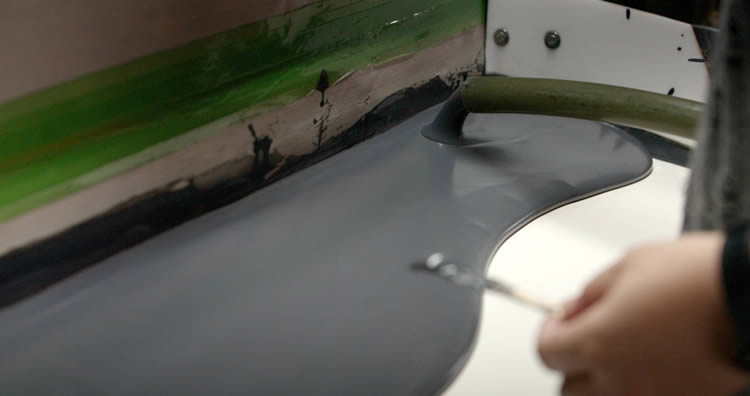
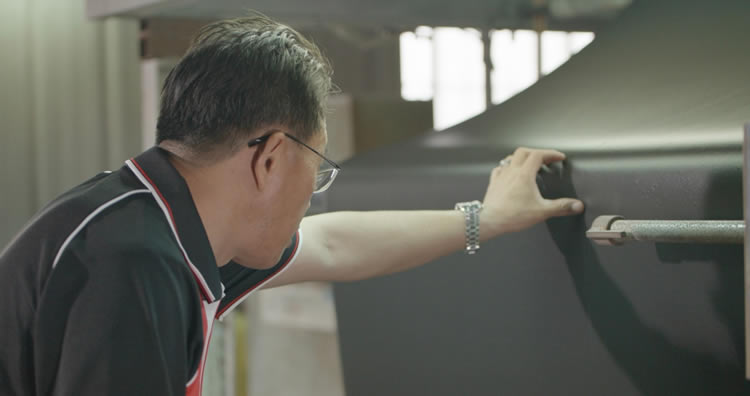
We provide end-to-end manufacturing capabilities under one roof—covering every stage from material sourcing and foaming, to precision molding, lamination, cutting, sewing, and strict quality control. This full-process control not only ensures product consistency and durability, but also allows for faster lead times and better customization flexibility.
With our flexible production capacity, we accommodate both small batch custom orders and high-volume mass production with equal efficiency. Whether you're a startup launching your first insole or pillow line, or a global brand scaling up to meet market demand, GuangXin is equipped to deliver reliable OEM/ODM solutions that grow with your business.
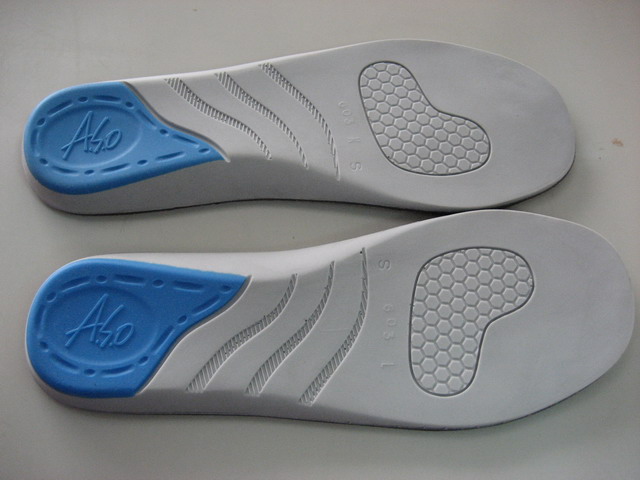
Customization & OEM/ODM Flexibility
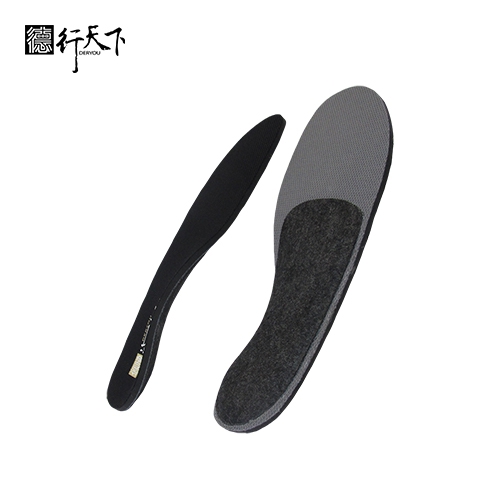
GuangXin offers exceptional flexibility in customization and OEM/ODM services, empowering our partners to create insole products that truly align with their brand identity and target market. We develop insoles tailored to specific foot shapes, end-user needs, and regional market preferences, ensuring optimal fit and functionality.
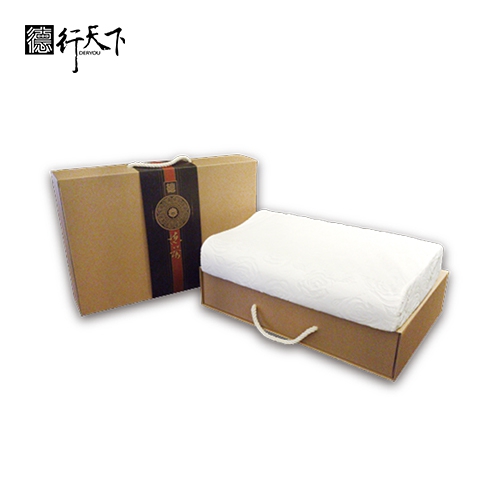
Our team supports comprehensive branding solutions, including logo printing, custom packaging, and product integration support for marketing campaigns. Whether you're launching a new product line or upgrading an existing one, we help your vision come to life with attention to detail and consistent brand presentation.
With fast prototyping services and efficient lead times, GuangXin helps reduce your time-to-market and respond quickly to evolving trends or seasonal demands. From concept to final production, we offer agile support that keeps you ahead of the competition.
Quality Assurance & Certifications
Quality is at the heart of everything we do. GuangXin implements a rigorous quality control system at every stage of production—ensuring that each insole meets the highest standards of consistency, comfort, and durability.
We provide a variety of in-house and third-party testing options, including antibacterial performance, odor control, durability testing, and eco-safety verification, to meet the specific needs of our clients and markets.
Our products are fully compliant with international safety and environmental standards, such as REACH, RoHS, and other applicable export regulations. This ensures seamless entry into global markets while supporting your ESG and product safety commitments.
ESG-Oriented Sustainable Production
At GuangXin Industrial, we are committed to integrating ESG (Environmental, Social, and Governance) values into every step of our manufacturing process. We actively pursue eco-conscious practices by utilizing eco-friendly materials and adopting low-carbon production methods to reduce environmental impact.
To support circular economy goals, we offer recycled and upcycled material options, including innovative applications such as recycled glass and repurposed LCD panel glass. These materials are processed using advanced techniques to retain performance while reducing waste—contributing to a more sustainable supply chain.
We also work closely with our partners to support their ESG compliance and sustainability reporting needs, providing documentation, traceability, and material data upon request. Whether you're aiming to meet corporate sustainability targets or align with global green regulations, GuangXin is your trusted manufacturing ally in building a better, greener future.
Let’s Build Your Next Insole Success Together
Looking for a reliable insole manufacturing partner that understands customization, quality, and flexibility? GuangXin Industrial Co., Ltd. specializes in high-performance insole production, offering tailored solutions for brands across the globe. Whether you're launching a new insole collection or expanding your existing product line, we provide OEM/ODM services built around your unique design and performance goals.
From small-batch custom orders to full-scale mass production, our flexible insole manufacturing capabilities adapt to your business needs. With expertise in PU, latex, and graphene insole materials, we turn ideas into functional, comfortable, and market-ready insoles that deliver value.
Contact us today to discuss your next insole project. Let GuangXin help you create custom insoles that stand out, perform better, and reflect your brand’s commitment to comfort, quality, and sustainability.
🔗 Learn more or get in touch:
🌐 Website: https://www.deryou-tw.com/
📧 Email: shela.a9119@msa.hinet.net
📘 Facebook: facebook.com/deryou.tw
📷 Instagram: instagram.com/deryou.tw
Vietnam eco-friendly graphene material processing
Are you looking for a trusted and experienced manufacturing partner that can bring your comfort-focused product ideas to life? GuangXin Industrial Co., Ltd. is your ideal OEM/ODM supplier, specializing in insole production, pillow manufacturing, and advanced graphene product design.
With decades of experience in insole OEM/ODM, we provide full-service manufacturing—from PU and latex to cutting-edge graphene-infused insoles—customized to meet your performance, support, and breathability requirements. Our production process is vertically integrated, covering everything from material sourcing and foaming to molding, cutting, and strict quality control.Vietnam sustainable material ODM solutions
Beyond insoles, GuangXin also offers pillow OEM/ODM services with a focus on ergonomic comfort and functional innovation. Whether you need memory foam, latex, or smart material integration for neck and sleep support, we deliver tailor-made solutions that reflect your brand’s values.
We are especially proud to lead the way in ESG-driven insole development. Through the use of recycled materials—such as repurposed LCD glass—and low-carbon production processes, we help our partners meet sustainability goals without compromising product quality. Our ESG insole solutions are designed not only for comfort but also for compliance with global environmental standards.Taiwan anti-odor insole OEM processing factory
At GuangXin, we don’t just manufacture products—we create long-term value for your brand. Whether you're developing your first product line or scaling up globally, our flexible production capabilities and collaborative approach will help you go further, faster.China anti-odor insole OEM service
📩 Contact us today to learn how our insole OEM, pillow ODM, and graphene product design services can elevate your product offering—while aligning with the sustainability expectations of modern consumers.Graphene insole OEM factory Taiwan
The Camp Fire wildfire in 2018 burned a total of 239 square miles, destroyed 18,804 structures, and killed 85 people. Researchers say it also produced lingering brain trauma in some of those exposed to the deadliest and most destructive wildfire in California history. Credit: National Institute of Standards and Technology Researchers at UC San Diego have discovered that individuals affected by the catastrophic Camp Fire in 2018 showed changes in cognitive function several months later. This is additional evidence of a rapidly emerging phenomenon referred to as “climate trauma.” The Camp Fire, which occurred in November 2018, was the deadliest and most destructive wildfire in California’s history. It scorched a total area of 239 square miles, resulting in the destruction of 18,804 structures and the loss of 85 lives. Three years after the devastating Camp Fire, a new study by scientists at the University of California San Diego explored the psychological impact of the disaster. The research found that exposure to “climate trauma” for those affected by the fire led to a heightened and persistent occurrence of mental health issues, such as post-traumatic stress disorder and depression. Altered Brain Function Linked to Wildfire Exposure In a new study, published in the journal PLOS Climate, senior author Jyoti Mishra, Ph.D., associate professor in the Department of Psychiatry at UC San Diego School of Medicine, director of the Neural Engineering and Translation Labs at UC San Diego, and associate director of the UC Climate and Mental Health Initiative, delved deeper with her colleagues. The study team reported that in a subset of persons exposed to the Camp Fire, significant differences in cognitive functioning and underlying brain activity were revealed using electroencephalography (EEG). Specifically, the researchers found that fire-exposed individuals displayed increased activity in the regions of the brain involved in cognitive control and interference processing — the ability to mentally cope with unwanted and often disturbing thoughts. “To function well day-to-day, our brains need to process information and manage memories in ways that help achieve goals while ignoring or dispensing with irrelevant or harmful distractions,” said Mishra. “Climate change is an emerging challenge. It is already well-documented that extreme climate events result in significant psychological impacts. Warming temperatures, for example, have even been linked to greater suicide rates. As planetary warming amplifies, more forest fires are expected in California and globally, with significant implications for mental health effects. “In this study, we wanted to learn whether and how climate trauma affected and altered cognitive and brain functions in a group of people who had experienced it during the Camp Fire. We found that those who were impacted, directly or indirectly, displayed weaker interference processing. Such weakened cognitive performance may then impair daily functioning and reduce wellbeing.” The study sample included 27 persons directly exposed to the Camp Fire (for example, their homes were destroyed), 21 who were indirectly exposed (they witnessed the fire, but were not directly impacted), and 27 control individuals. All participants underwent cognitive testing with synchronized EEG brain recordings. Sixty-seven percent of the individuals directly exposed to the fire reported having experienced recent psychological trauma, as did 14 percent of the indirectly exposed individuals. None of the control individuals reported recent trauma exposure. The EEG recordings showed that the brains of those individuals reporting trauma worked harder at interference processing and cognitive control, suggesting a compensatory effort but at a cost: potentially heightened risk of neurological dysfunction elsewhere. Mental Health and Resilience Strategies “The evidence of diminished interference processing, along with altered functional brain responses, is useful because it can help guide efforts to develop resiliency intervention strategies,” said Mishra. “As the planet warms, more and more individuals will face extreme climate exposures, like wildfires, and having therapeutic tools that can address underlying neuro-cognitive issues will be an important complement to other socio-behavioral therapies.” Reference: “Differences in interference processing and frontal brain function with climate trauma from California’s deadliest wildfire” by Gillian K. Grennan, Mathew C. Withers, Dhakshin S. Ramanathan and Jyoti Mishra, 18 January 2023, PLOS Climate. DOI: 10.1371/journal.pclm.0000125 The study was funded by the Tang Prize Foundation.
Bats in Switzerland harbor diverse viruses, some potentially zoonotic. Credit: www.fledermausschutz.ch New analysis identifies some viruses with potential risk to jump to other animals or humans, including the near-complete genome of a MERS-CoV-related virus. An analysis of 18 species of stationary and migratory bats living in Switzerland has discovered that they harbor viruses from 39 different viral families — including some viruses with the potential risk of jumping to other animals, including humans, and causing disease. Isabelle Hardmeier of the University of Zurich, Switzerland, and colleagues published these findings on June 16, 2021, in the open-access journal PLOS ONE. While there are few known instances of disease-causing viruses jumping directly from bats to humans, some viruses carried by bats may jump to other animals and then become transmitted to humans. For instance, SARS-CoV-2, the virus behind the ongoing COVID-19 pandemic, is thought to have originated from a virus that was transmitted from a bat to another animal before infecting humans. Monitoring the viruses harbored by bats around the world could improve understanding and detection of those that pose risk to humans. However, while previous research has investigated viruses carried by bats in several different countries, none have focused on Switzerland. To fill that knowledge gap, Hardmeier and colleagues investigated viruses carried by more than 7,000 bats living in Switzerland. Specifically, they analyzed DNA and RNA sequences of viruses found in organ, fecal, or stool samples collected from the bats. This genomic analysis revealed the presence of 39 different families of viruses, including 16 families previously found to be able to infect other vertebrates, and which therefore could potentially be transmitted to other animals or humans. Further analysis of viruses with this risk revealed that one of the studied bat colonies harbored a near-complete genome of a virus known as Middle East respiratory syndrome (MERS)-related coronavirus (CoV). While the MERS-CoV-related virus is not known to cause disease in humans, MERS-CoV has been responsible for an epidemic in 2012. The authors note that genomic analysis of bat stool samples could be a useful tool to continuously monitor viruses harbored by bats, including the MERS-CoV-related virus. This type of tracking could potentially detect accumulations of viral genetic mutations that could increase the risk of transmission to other animals, enabling earlier detection of viruses that pose danger to humans. The authors add: “Metagenomic analysis of bats endemic to Switzerland reveals broad virus genome diversity. Virus genomes from 39 different virus families were detected, 16 of which are known to infect vertebrates, including coronaviruses, adenoviruses, hepeviruses, rotaviruses A and H, and parvoviruses.” Reference: “Metagenomic analysis of fecal and tissue samples from 18 endemic bat species in Switzerland revealed a diverse virus composition including potentially zoonotic viruses” by Isabelle Hardmeier, Nadja Aeberhard, Weihong Qi, Katja Schoenbaechler, Hubert Kraettli, Jean-Michel Hatt, Cornel Fraefel and Jakub Kubacki, 16 June 2021, PLoS ONE. DOI: 10.1371/journal.pone.0252534 Funding: C.F. was supported by the Foundation for Research in Science and the Humanities at the University of Zurich (Grant number STWF-19-013). The funders had no role in study design, data collection, and analysis, decision to publish, or preparation of the manuscript.
In the hours after death, certain cells in the human brain remain active, with some increasing in size, according to new research. Post-Mortem Changes May Shed Light on Important Brain Studies In the hours after we die, certain cells in the human brain are still active. Some cells even increase their activity and grow to gargantuan proportions, according to new research from the University of Illinois Chicago. In a newly published study in the journal Scientific Reports, the UIC researchers analyzed gene expression in fresh brain tissue — which was collected during routine brain surgery — at multiple times after removal to simulate the post-mortem interval and death. They found that gene expression in some cells actually increased after death. ‘Zombie Genes’ Trigger Glial Cell Growth These ‘zombie genes’ — those that increased expression after the post-mortem interval — were specific to one type of cell: inflammatory cells called glial cells. The researchers observed that glial cells grow and sprout long arm-like appendages for many hours after death. “That glial cells enlarge after death isn’t too surprising given that they are inflammatory and their job is to clean things up after brain injuries like oxygen deprivation or stroke,” said Dr. Jeffrey Loeb, the John S. Garvin Professor and head of neurology and rehabilitation at the UIC College of Medicine and corresponding author on the paper. What’s significant, Loeb said, is the implications of this discovery — most research studies that use postmortem human brain tissues to find treatments and potential cures for disorders such as autism, schizophrenia, and Alzheimer’s disease, do not account for the post-mortem gene expression or cell activity. ‘Zombie’ cells come to life after the death of the human brain. Credit: Dr. Jeffrey Loeb/UIC “Most studies assume that everything in the brain stops when the heart stops beating, but this is not so,” Loeb said. “Our findings will be needed to interpret research on human brain tissues. We just haven’t quantified these changes until now.” Simulated Death Experiment Reveals Unexpected Activity Loeb and his team noticed that the global pattern of gene expression in fresh human brain tissue didn’t match any of the published reports of postmortem brain gene expression from people without neurological disorders or from people with a wide variety of neurological disorders, ranging from autism to Alzheimer’s. “We decided to run a simulated death experiment by looking at the expression of all human genes, at time points from 0 to 24 hours, from a large block of recently collected brain tissues, which were allowed to sit at room temperature to replicate the postmortem interval,” Loeb said. Jeffrey Loeb. Credit: Jenny Fontaine/UIC Loeb and colleagues are at a particular advantage when it comes to studying brain tissue. Loeb is director of the UI NeuroRepository, a bank of human brain tissues from patients with neurological disorders who have consented to have tissue collected and stored for research either after they die, or during standard-of-care surgery to treat disorders such as epilepsy. For example, during certain surgeries to treat epilepsy, epileptic brain tissue is removed to help eliminate seizures. Not all of the tissue is needed for pathological diagnosis, so some can be used for research. This is the tissue that Loeb and colleagues analyzed in their research. They found that about 80% of the genes analyzed remained relatively stable for 24 hours — their expression didn’t change much. These included genes often referred to as housekeeping genes that provide basic cellular functions and are commonly used in research studies to show the quality of the tissue. Another group of genes, known to be present in neurons and shown to be intricately involved in human brain activity such as memory, thinking, and seizure activity, rapidly degraded in the hours after death. These genes are important to researchers studying disorders like schizophrenia and Alzheimer’s disease, Loeb said. Glial Activation Peaks Hours After Death A third group of genes — the ‘zombie genes’ — increased their activity at the same time the neuronal genes were ramping down. The pattern of post-mortem changes peaked at about 12 hours. “Our findings don’t mean that we should throw away human tissue research programs, it just means that researchers need to take into account these genetic and cellular changes, and reduce the post-mortem interval as much as possible to reduce the magnitude of these changes,” Loeb said. “The good news from our findings is that we now know which genes and cell types are stable, which degrade, and which increase over time so that results from postmortem brain studies can be better understood.” Reference: “Selective time-dependent changes in activity and cell-specific gene expression in human postmortem brain” by Fabien Dachet, James B. Brown, Tibor Valyi-Nagy, Kunwar D. Narayan, Anna Serafini, Nathan Boley, Thomas R. Gingeras, Susan E. Celniker, Gayatry Mohapatra and Jeffrey A. Loeb, 23 March 2021, Scientific Reports. DOI: 10.1038/s41598-021-85801-6 Fabien Dachet, Tibor Valyi-Nagy, Kunwar Narayan, Anna Serafini and Gayatry Mohapatra of UIC; James Brown and Susan Celniker of Lawrence Berkeley National Laboratory; Nathan Boley of the University of California, Berkeley; and Thomas Gingeras of Cold Spring Harbor Laboratory are co-authors on the paper. This research was funded by grants from the National Institutes of Health (R01NS109515, R56NS083527, and UL1TR002003).
DVDV1551RTWW78V
One-stop OEM/ODM solution provider China 》helping your business stand out with material and functional innovationVietnam graphene sports insole ODM 》recommended by industry experts for sustainability and performanceVietnam OEM/ODM hybrid insole services 》flexible, experienced, and ready to support your growth
下一則: Thailand sustainable material ODM solutions 》perfo
限會員,要發表迴響,請先登入


