Introduction – Company Background
GuangXin Industrial Co., Ltd. is a specialized manufacturer dedicated to the development and production of high-quality insoles.
With a strong foundation in material science and footwear ergonomics, we serve as a trusted partner for global brands seeking reliable insole solutions that combine comfort, functionality, and design.
With years of experience in insole production and OEM/ODM services, GuangXin has successfully supported a wide range of clients across various industries—including sportswear, health & wellness, orthopedic care, and daily footwear.
From initial prototyping to mass production, we provide comprehensive support tailored to each client’s market and application needs.
At GuangXin, we are committed to quality, innovation, and sustainable development. Every insole we produce reflects our dedication to precision craftsmanship, forward-thinking design, and ESG-driven practices.
By integrating eco-friendly materials, clean production processes, and responsible sourcing, we help our partners meet both market demand and environmental goals.
Core Strengths in Insole Manufacturing
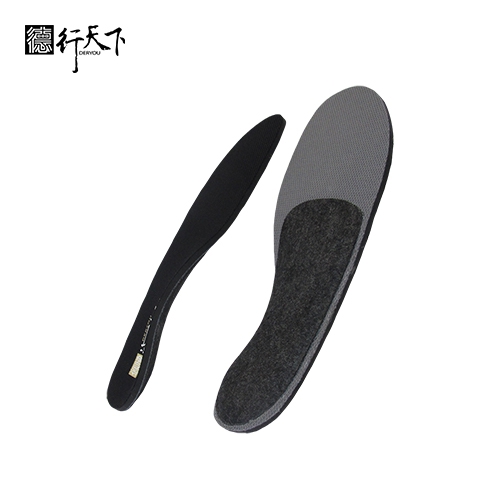
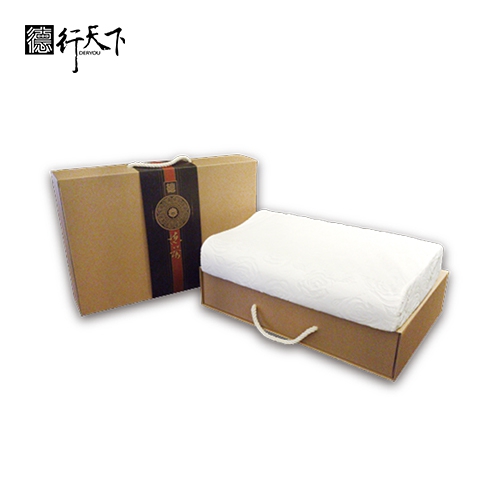
At GuangXin Industrial, our core strength lies in our deep expertise and versatility in insole and pillow manufacturing. We specialize in working with a wide range of materials, including PU (polyurethane), natural latex, and advanced graphene composites, to develop insoles and pillows that meet diverse performance, comfort, and health-support needs.
Whether it's cushioning, support, breathability, or antibacterial function, we tailor material selection to the exact requirements of each project-whether for foot wellness or ergonomic sleep products.
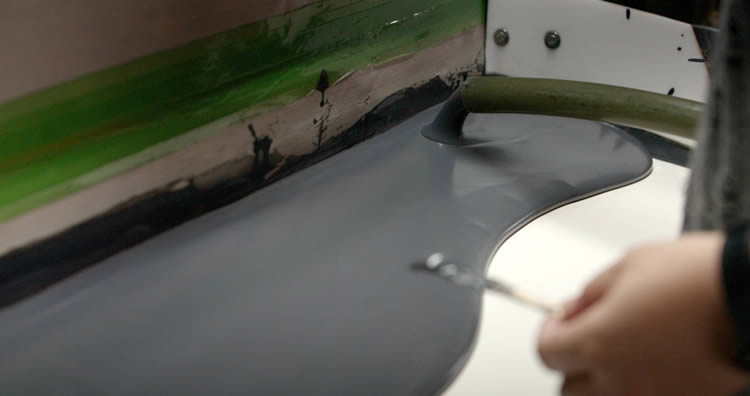
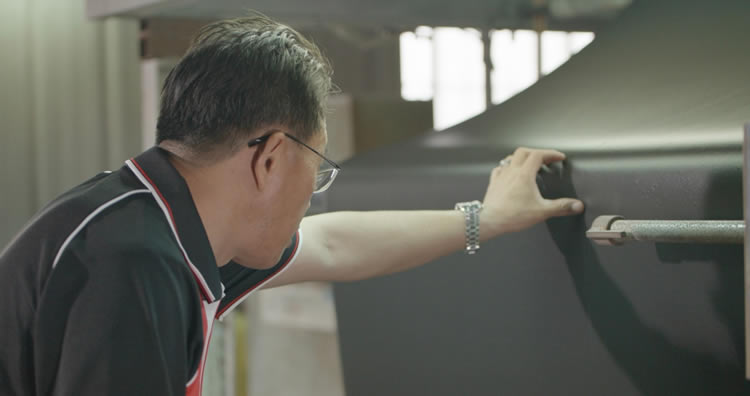
We provide end-to-end manufacturing capabilities under one roof—covering every stage from material sourcing and foaming, to precision molding, lamination, cutting, sewing, and strict quality control. This full-process control not only ensures product consistency and durability, but also allows for faster lead times and better customization flexibility.
With our flexible production capacity, we accommodate both small batch custom orders and high-volume mass production with equal efficiency. Whether you're a startup launching your first insole or pillow line, or a global brand scaling up to meet market demand, GuangXin is equipped to deliver reliable OEM/ODM solutions that grow with your business.
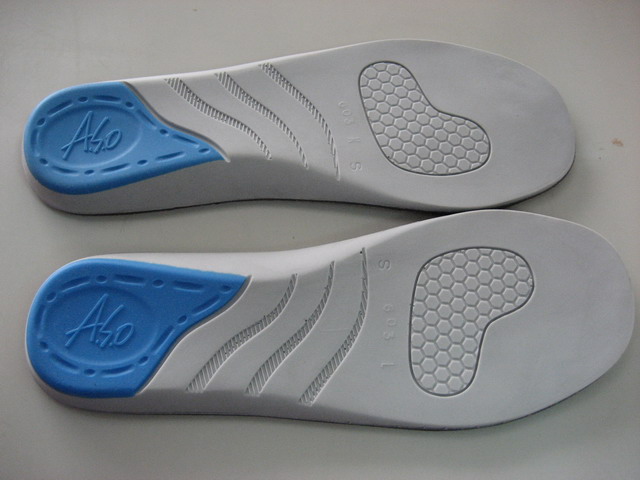
Customization & OEM/ODM Flexibility
GuangXin offers exceptional flexibility in customization and OEM/ODM services, empowering our partners to create insole products that truly align with their brand identity and target market. We develop insoles tailored to specific foot shapes, end-user needs, and regional market preferences, ensuring optimal fit and functionality.
Our team supports comprehensive branding solutions, including logo printing, custom packaging, and product integration support for marketing campaigns. Whether you're launching a new product line or upgrading an existing one, we help your vision come to life with attention to detail and consistent brand presentation.
With fast prototyping services and efficient lead times, GuangXin helps reduce your time-to-market and respond quickly to evolving trends or seasonal demands. From concept to final production, we offer agile support that keeps you ahead of the competition.
Quality Assurance & Certifications
Quality is at the heart of everything we do. GuangXin implements a rigorous quality control system at every stage of production—ensuring that each insole meets the highest standards of consistency, comfort, and durability.
We provide a variety of in-house and third-party testing options, including antibacterial performance, odor control, durability testing, and eco-safety verification, to meet the specific needs of our clients and markets.
Our products are fully compliant with international safety and environmental standards, such as REACH, RoHS, and other applicable export regulations. This ensures seamless entry into global markets while supporting your ESG and product safety commitments.
ESG-Oriented Sustainable Production
At GuangXin Industrial, we are committed to integrating ESG (Environmental, Social, and Governance) values into every step of our manufacturing process. We actively pursue eco-conscious practices by utilizing eco-friendly materials and adopting low-carbon production methods to reduce environmental impact.
To support circular economy goals, we offer recycled and upcycled material options, including innovative applications such as recycled glass and repurposed LCD panel glass. These materials are processed using advanced techniques to retain performance while reducing waste—contributing to a more sustainable supply chain.
We also work closely with our partners to support their ESG compliance and sustainability reporting needs, providing documentation, traceability, and material data upon request. Whether you're aiming to meet corporate sustainability targets or align with global green regulations, GuangXin is your trusted manufacturing ally in building a better, greener future.
Let’s Build Your Next Insole Success Together
Looking for a reliable insole manufacturing partner that understands customization, quality, and flexibility? GuangXin Industrial Co., Ltd. specializes in high-performance insole production, offering tailored solutions for brands across the globe. Whether you're launching a new insole collection or expanding your existing product line, we provide OEM/ODM services built around your unique design and performance goals.
From small-batch custom orders to full-scale mass production, our flexible insole manufacturing capabilities adapt to your business needs. With expertise in PU, latex, and graphene insole materials, we turn ideas into functional, comfortable, and market-ready insoles that deliver value.
Contact us today to discuss your next insole project. Let GuangXin help you create custom insoles that stand out, perform better, and reflect your brand’s commitment to comfort, quality, and sustainability.
🔗 Learn more or get in touch:
🌐 Website: https://www.deryou-tw.com/
📧 Email: shela.a9119@msa.hinet.net
📘 Facebook: facebook.com/deryou.tw
📷 Instagram: instagram.com/deryou.tw
Private label insole and pillow OEM Vietnam
Are you looking for a trusted and experienced manufacturing partner that can bring your comfort-focused product ideas to life? GuangXin Industrial Co., Ltd. is your ideal OEM/ODM supplier, specializing in insole production, pillow manufacturing, and advanced graphene product design.
With decades of experience in insole OEM/ODM, we provide full-service manufacturing—from PU and latex to cutting-edge graphene-infused insoles—customized to meet your performance, support, and breathability requirements. Our production process is vertically integrated, covering everything from material sourcing and foaming to molding, cutting, and strict quality control.ODM service for ergonomic pillows China
Beyond insoles, GuangXin also offers pillow OEM/ODM services with a focus on ergonomic comfort and functional innovation. Whether you need memory foam, latex, or smart material integration for neck and sleep support, we deliver tailor-made solutions that reflect your brand’s values.
We are especially proud to lead the way in ESG-driven insole development. Through the use of recycled materials—such as repurposed LCD glass—and low-carbon production processes, we help our partners meet sustainability goals without compromising product quality. Our ESG insole solutions are designed not only for comfort but also for compliance with global environmental standards.Cushion insole OEM manufacturing facility Taiwan
At GuangXin, we don’t just manufacture products—we create long-term value for your brand. Whether you're developing your first product line or scaling up globally, our flexible production capabilities and collaborative approach will help you go further, faster.Flexible manufacturing OEM & ODM Indonesia
📩 Contact us today to learn how our insole OEM, pillow ODM, and graphene product design services can elevate your product offering—while aligning with the sustainability expectations of modern consumers.Taiwan insole ODM service provider
A Natal long-fingered bat (Miniopterus natalensis) parasitized by a male bat fly (Penicillidia fulvida) on the wall of a diatomite mine in Nakuru, Kenya. Credit: Courtesy of Holly Lutz Blood-sucking flies may be following chemicals produced by skin bacteria to locate bats to feed on. We humans aren’t the only animals that have to worry about bug bites. There are thousands of insect species that have evolved to specialize in feeding on different mammals and birds, but scientists are still learning how these bugs differentiate between species to track down their preferred prey. It turns out, the attraction might not even be skin-deep: a new study in Molecular Ecology found evidence that blood-sucking flies that specialize on bats may be locating their preferred hosts by following the scent of chemicals produced by bacteria on the bats’ skin. Natal and African long-fingered bats (Miniopterus natalensis, M. africanus), Mauritian tomb bats (Taphozous mauritianus), and Noack’s roundleaf bats (Hipposideros ruber) roosting together in a fossilized coral cave in Arabuko Sokoke Forest, Kenya. Credit: Courtesy of Holly Lutz Holly Lutz, the paper’s lead author, got the idea for the project from previous research showing that mosquitoes seem to prefer some people over others. “You know when you go to a barbeque and your friend is getting bombarded by mosquitos, but you’re fine? There is some research to support the idea that the difference in mosquito attraction is linked to your skin microbiome — the unique community of bacteria living on your skin,” says Lutz, a research associate at Chicago’s Field Museum and a project scientist with the labs of Jack Gilbert (who co-authored this study) and Rob Knight at the University of California, San Diego. “Keeping in mind that some people are more attractive to mosquitoes than others, I wondered what makes insects attracted to some bats but not others.” Lutz encountered plenty of bats during her PhD work and postdoctoral residency at the Field Museum, on fieldwork trips to bat caves in Kenya and Uganda studying malaria. “In these caves, I’d see all these different bat species or even taxonomic families roosting side by side. Some of them were loaded with bat flies, while others had none or only a few. And these flies are typically very specific to different kinds of bats — you won’t find a fly that normally feeds on horseshoe bats crawling around on a fruit bat.” says Lutz. “I started wondering why the flies are so particular — clearly, they can crawl over from one kind of bat to another, but they don’t really seem to be doing that.” Closeup of a bat fly (Penicillidia fulvida). Credit: Courtesy of Holly Lutz The flies in question are cousins of mosquitoes, and while they’re technically flies, most can’t actually fly. “They have incredibly reduced wings in many cases and can’t actually fly,” says Lutz. “And they have reduced eyesight, so they probably aren’t really operating by vision. So some other sensory mechanisms must be at play, maybe a sense of smell or an ability to detect chemical cues.” ”How the flies actually locate and find their bats has previously been something of a mystery,” says Carl Dick, a research associate at the Field Museum, professor of biology at Western Kentucky University, and one of the study’s co-authors. “But because most bat flies live and feed on only one bat species, it is clear that they somehow find the right host.” Furthermore, bat flies transmit malaria between bats, and the malaria parasites are host-specific as well. It’s an intricate, complex system with important parallels to other vector-borne pathways for disease transmission, such as malarial and viral transmission among humans by anopheline mosquitoes. Previous research has shown that different bacterial species associated with skin or even the disease status of individual humans can influence feeding preferences of blood-seeking mosquitoes. Eye-shine reflects from thousands of Egyptian fruit bats (Rousettus aegyptiacus) sampled by Lutz and her team at Kitum Cave in Mount Elgon National Park, Uganda. Credit: Courtesy of Holly Lutz Lutz suspected that, similarly to what’s been observed in humans, the bats’ skin microbiomes may be playing a role in attracting the flies seeking them out. Skin — whether it belongs to a human or a bat — is covered with tiny microorganisms that help protect the body from invading pathogens, bolster the immune system, and break down natural products like sweat. Host species evolve alongside their skin microbiomes, leading to different species being home to different sets of bacteria. All these different kinds of bacteria produce a unique bouquet of airborne chemicals as they metabolize nutrients. And, according to Lutz’s hypothesis, different kinds of insects are attracted to different chemical signals, which could help explain why some bats are more attractive to blood-sucking flies than others — just like your friend at the barbeque. To test this hypothesis, Lutz examined dozens of bats from a variety of species. “We went into a ton of different caves where they roost and used long bat nets, which are basically like super sturdy butterfly nets, to catch them,” says Lutz. She and her colleagues took skin and fur samples from the bats’ bodies and wings in order to examine both the bats’ DNA and the microbes living on their skin. The researchers also examined the bats for flies. “You brush the bats’ fur with your forceps, and it’s like you’re chasing the fastest little spider,” says Lutz. “The flies can disappear in a split second. They are fascinatingly creepy.” One of the bat species studied in this project, Hipposideros caffer. Credit: Courtesy of Holly Lutz “The flies are exquisitely evolved to stay on their bat,” says Dick. “They have special combs, spines, and claws that hold them in place in the fur, and they can run quickly in any direction to evade the biting and scratching of the bats, or the efforts by researchers to capture them.” The researchers then analyzed the specimens back at the Field Museum’s Pritzker DNA Laboratory. “Once we were back at the lab, we extracted all the DNA from the bacteria and sequenced it. We basically created libraries of all the bacteria associated with each individual skin sample. Then we used bioinformatics methods to characterize the bacteria there and identify which ones are present across different bat groups, comparing bats that were parasitized by flies to those that were not,” says Lutz. The team found that the different bat families had their own unique combinations of skin bacteria, even when the bats were collected from different locations. “The goal of this study was to ask, ‘Are there differences in the skin microbiome of these different bats, and are there bacteria that are common among bats that have parasites versus those that don’t?’” says Lutz. “Getting these results was really exciting — this paper is the culmination of years of thinking and wondering and sampling.” There are still some big questions to answer, however. “We weren’t able to collect the actual chemicals producing cue — secondary metabolites or volatile organic compounds — during this initial work. Without that information, we can’t definitively say that the bacteria are leading the flies to their hosts. So, next steps will be to sample bats in a way that we can actually tie these compounds to the bacteria” says Lutz, “In science, there is always a next step.” In addition to explaining how blind, flightless flies are able to be so picky with which bats they feed on, the study gets at bigger-picture questions of how different organisms coexist. “We live in these complex communities where different types of life are always bumping into each other and interacting and sometimes depending on each other or eating each other,” says Lutz. “In a healthy natural state, these organisms partition themselves so they can coexist. But as habitats are destroyed, organisms are forced to share resources or start utilizing new ones.” Animals that used to be able to give each other a wide berth might no longer be able to, and that can lead to new diseases spreading from one organism to another. “Humans are affecting these ecosystems, and these ecosystems can in turn affect us,” says Lutz. “That’s why it’s important to study them.” Reference: “Associations between Afrotropical bats, eukaryotic parasites, and microbial symbionts” by Holly L. Lutz, Jack A. Gilbert and Carl W. Dick, 28 June 2021, Molecular Ecology. DOI: 10.1111/mec.16044
Candida albicans usually co-exists peacefully in the body, but under the right conditions it transforms into hyphae, the dark red filaments pictured above, which can form harmful biofilms. Research shows that a gut hormone called peptide YY also plays a vital role in maintaining the health of the gut microbiome by preventing helpful fungi from turning into more dangerous, disease-causing forms. Peptide YY (PYY), a hormone produced by gut endocrine cells that was already known to control appetite, also plays an important role in maintaining the balance of fungi in the digestive system of mammals, according to new research from the University of Chicago. In a study published in the journal Science, researchers found that specialized immune cells in the small intestine called Paneth cells express a form of PYY that prevents the fungus Candida albicans from turning into its more virulent form. PYY was already known to be produced by endocrine cells in the gut as a hormone that signals satiety, or when an animal has had enough to eat. The new research shows that it also functions as an antimicrobial peptide that selectively allows commensal yeast forms of C. albicans to flourish while keeping its more dangerous forms in check. “So little is known about what regulates these fungi in our in our microbiome. We know that they’re there, but we have no idea what keeps them in a state that provides health benefit to us,” said Eugene B. Chang, MD, Martin Boyer Professor of Medicine at UChicago and senior author of the study. “We now think that this peptide we discovered is actually important for maintaining fungal commensalism in the gut.” Regulating the ‘Mycobiome’ Chang and his team didn’t set to explore the fungal side of the gut microbiome, or “mycobiome” as he calls it. Joseph Pierre, PhD, a former postdoctoral scholar in Chang’s lab who is now an Assistant Professor of Nutritional Sciences at the University of Wisconsin-Madison, was studying the enteroendocrine cells in mice that produce PYY when he noticed that it was also present in Paneth cells. These are important immune system defenders in the gut of mammals, secreting several antimicrobial compounds to prevent dangerous bacteria from flourishing. At first this didn’t make sense, because until then, PYY was only recognized as an appetite hormone. When they tested it against a variety of bacteria, it wasn’t very good at killing them either. But when they ran a computer search for other classes of peptides with a similar structure, they discovered one similar to PYY called magainin 2, which is found on the skin of the African clawed frog. This peptide protects the frogs from infection by both bacteria and fungi, so Chang’s team thought to test PYY’s antifungal properties too. As it turns out, it is not only an effective antifungal agent, but a very specific one as well. “So little is known about what regulates these fungi in our in our microbiome. We know that they are there, but we have no idea what keeps them in a state that provides health benefit to us.” Eugene B. Chang, MD C. albicans is a yeast that typically grows in small amounts in the mouth, on the skin, and in the intestines. The basic yeast form is commensal, or coexists peacefully in the body, but given the right conditions it transforms into what are called hyphae that branch out to form biofilms. When too much grows, it causes thrush, an infection in the mouth and throat, vaginal yeast infections, or more serious generalized infections in the body. When Chang’s team tested PYY against both forms of the fungus, it effectively prevented growth and killed the more dangerous hyphae while sparing the commensal Candida yeast. “This is a unique example of an ‘innate’ antimicrobial peptide secreted by Paneth cells that specifically kills the virulent form of this fungi and has no effect on the on the commensal form,” Chang said. Making the Most Out of Your Molecules While PYY could be useful as a tool to combat fungal infections, its newly discovered function may play a role in digestive diseases as well. Patients with Crohn’s disease of the ileum, the last portion of the small intestine, often have dysfunctional Paneth cells. Chang said it’s possible that this dysfunction, and lack of PYY, could create an environment for fungi to overgrow and trigger the onset of disease. The full, unmodified version of PYY has 36 amino acids, and when Paneth cells secrete it into the gut it’s an effective antifungal peptide. But when endocrine cells produce PYY, an enzyme clips off two amino acids to turn it into a hormone that can travel through the bloodstream and tell the brain you’re not hungry. Just like discovering its function from a frog, Chang hopes more research on this peptide will turn up more surprises. “This is an example of the wisdom and beauty of nature that has repurposed a molecule, so it has two different functions,” he said. “That’s really cool, because this is an efficient way of making the most out of things you already have.” Reference: “Peptide YY: A Paneth cell antimicrobial peptide that maintains Candida gut commensalism” by Joseph F. Pierre, Brian M. Peters, Diana La Torre, Ashley M. Sidebottom, Yun Tao, Xiaorong Zhu, Candace M. Cham, Ling Wang, Amal Kambal, Katharine G. Harris, Julian F. Silva, Olga Zaborina, John C. Alverdy, Herbert Herzog, Jessica Witchley, Suzanne M. Noble, Vanessa A. Leone and Eugene B. Chang, 3 August 2023, Science. DOI: 10.1126/science.abq3178 The study was supported by the National Institutes of Health, the Kenneth Rainin Foundation, and the University of Chicago Gastrointestinal Research Foundation. Additional authors include Brian M. Peters from the University of Tennessee; Diana La Torre, Ashley M. Sidebottom, Yun Tao, Xiaorong Zhu, Candace M. Cham, Ling Wang, Amal Kambal, Julian F. Silva, Olga Zaborina, and John C. Alverdy from the University of Chicago; Katharine G. Harris from Franklin College; Herbert Herzog from the Garvan Institute of Medical Research; Suzanne M. Noble and Jessica Witchley from the University of California-San Francisco; and Vanessa A. Leone from the University of Wisconsin – Madison.
Aquatic Chaoborus midge larvae are the only insect that can control their buoyancy. Their tracheal air-sacs act as a pH-powered mechanochemical engine. Credit: Philip Matthews Chaoborus midge larvae use air sacs with the protein resilin, which adjusts volume through pH changes, to maintain buoyancy. This unique mechanism allows the larvae to float neutrally in water. In spring 2018, Dr. Philip Matthews spent a typical afternoon capturing dragonflies in the University of British Columbia’s (UBC) experimental ponds. Little did the zoologist know he was about to embark on a journey to solve a century-old entomological mystery involving a much smaller, but equally intriguing, insect. As he worked in the ponds, larvae floating in rainwater in a nearby cattle tank caught his eye. The insects were the freshwater aquatic larvae of the Chaoborus midge, also called the ‘phantom midge’ due to its near transparency. The transparency makes the larvae resemble tiny ghosts as they move through lakes, ponds, and puddles. “These bizarre insects were floating neutrally buoyant in the water, which is something you just don’t see insects doing,” said Dr. Matthews. “Some insects can become neutrally buoyant for a short time during a dive, but Chaoborus larvae are the only insects close to being neutrally buoyant.” When researchers mounted the air-sacs of the larvae on a microscope that just happened to have ultraviolet light illuminating the microscope’s stage, the air-sacs started glowing blue. Credit: Evan McKenzie Solving a 100-year-old mystery with a Nobel connection Some fish regulate their buoyancy by inflating a swim bladder with oxygen unloaded from the hemoglobin in their blood. In 1911, Nobel laureate August Krogh discovered Chaoborus larvae use a completely different mechanism, regulating their buoyancy using two pairs of internal air-filled sacs. But he never figured out how the insects adjusted the volume of their sacs without having blood or hemoglobin as vertebrates do. The blue fluorescence of the air-sac was due to resilin—an almost a perfect rubber found in parts of insects where elasticity is key, as in the elastic energy that powers a flea’s incredible jump. Credit: Philip Matthews A serendipitous discovery Back in the lab after his coffee, Dr. Matthews mounted the air-sacs of the larvae from the cattle tank on a microscope that just happened to have ultraviolet light illuminating the microscope’s stage. The air-sacs started glowing blue. The blue fluorescence was due to resilin—an almost perfect rubber found in parts of insects where elasticity is key, as in the elastic energy that powers a flea’s incredible jump. Researchers discovered that the insect doesn’t secrete gas into their air-sacs to make them expand. Instead, they change the pH level of the air-sac wall, the bands of resilin within the air-sac wall swell or contract in response, and the volume of the sac adjusts. Credit: Evan McKenzie “The weird thing about resilin is that not only is it really elastic. It will swell if you make it alkaline and contract if you make it acidic.” With PhD student Evan McKenzie driving experimental investigations, the researchers discovered that the insect doesn’t secrete gas into their air-sacs to make them expand. Instead, they change the pH level of the air-sac wall, the bands of resilin within the air-sac wall swell or contract in response, and the volume of the sac adjusts. The Chaoborus air-sacs function as mechanochemical engines, converting changes in chemical potential energy into mechanical work. “This is a really bizarre adaptation that we didn’t go looking for,” says Dr. Matthews. “We were just trying to figure out how they can float in water without sinking!” The findings were published this week in Current Biology. Reference: “A pH-powered mechanochemical engine regulates the buoyancy of Chaoborus midge larvae” by Evan K.G. McKenzie, Garfield T. Kwan, Martin Tresguerres and Philip G.D. Matthews, 25 January 2022, Current Biology. DOI: 10.1016/j.cub.2022.01.018
DVDV1551RTWW78V
Vietnam high-end foam product OEM/ODM 》experience-driven OEM/ODM for thoughtful product designLatex pillow OEM production facility in Taiwan 》committed to helping you create value through custom manufacturingTaiwan insole OEM manufacturing factory 》where quality, comfort, and credibility come together
限會員,要發表迴響,請先登入


