Introduction – Company Background
GuangXin Industrial Co., Ltd. is a specialized manufacturer dedicated to the development and production of high-quality insoles.
With a strong foundation in material science and footwear ergonomics, we serve as a trusted partner for global brands seeking reliable insole solutions that combine comfort, functionality, and design.
With years of experience in insole production and OEM/ODM services, GuangXin has successfully supported a wide range of clients across various industries—including sportswear, health & wellness, orthopedic care, and daily footwear.
From initial prototyping to mass production, we provide comprehensive support tailored to each client’s market and application needs.
At GuangXin, we are committed to quality, innovation, and sustainable development. Every insole we produce reflects our dedication to precision craftsmanship, forward-thinking design, and ESG-driven practices.
By integrating eco-friendly materials, clean production processes, and responsible sourcing, we help our partners meet both market demand and environmental goals.

Core Strengths in Insole Manufacturing
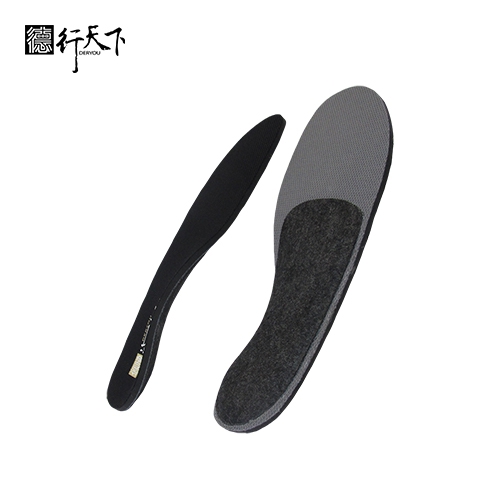
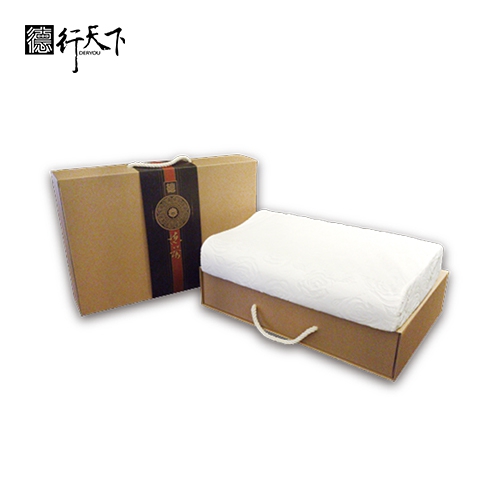
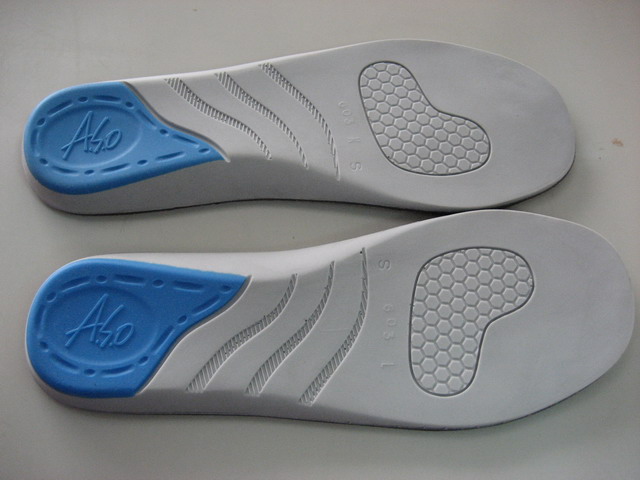
At GuangXin Industrial, our core strength lies in our deep expertise and versatility in insole and pillow manufacturing. We specialize in working with a wide range of materials, including PU (polyurethane), natural latex, and advanced graphene composites, to develop insoles and pillows that meet diverse performance, comfort, and health-support needs.
Whether it's cushioning, support, breathability, or antibacterial function, we tailor material selection to the exact requirements of each project-whether for foot wellness or ergonomic sleep products.
We provide end-to-end manufacturing capabilities under one roof—covering every stage from material sourcing and foaming, to precision molding, lamination, cutting, sewing, and strict quality control. This full-process control not only ensures product consistency and durability, but also allows for faster lead times and better customization flexibility.
With our flexible production capacity, we accommodate both small batch custom orders and high-volume mass production with equal efficiency. Whether you're a startup launching your first insole or pillow line, or a global brand scaling up to meet market demand, GuangXin is equipped to deliver reliable OEM/ODM solutions that grow with your business.
Customization & OEM/ODM Flexibility
GuangXin offers exceptional flexibility in customization and OEM/ODM services, empowering our partners to create insole products that truly align with their brand identity and target market. We develop insoles tailored to specific foot shapes, end-user needs, and regional market preferences, ensuring optimal fit and functionality.
Our team supports comprehensive branding solutions, including logo printing, custom packaging, and product integration support for marketing campaigns. Whether you're launching a new product line or upgrading an existing one, we help your vision come to life with attention to detail and consistent brand presentation.
With fast prototyping services and efficient lead times, GuangXin helps reduce your time-to-market and respond quickly to evolving trends or seasonal demands. From concept to final production, we offer agile support that keeps you ahead of the competition.
Quality Assurance & Certifications
Quality is at the heart of everything we do. GuangXin implements a rigorous quality control system at every stage of production—ensuring that each insole meets the highest standards of consistency, comfort, and durability.
We provide a variety of in-house and third-party testing options, including antibacterial performance, odor control, durability testing, and eco-safety verification, to meet the specific needs of our clients and markets.
Our products are fully compliant with international safety and environmental standards, such as REACH, RoHS, and other applicable export regulations. This ensures seamless entry into global markets while supporting your ESG and product safety commitments.
ESG-Oriented Sustainable Production
At GuangXin Industrial, we are committed to integrating ESG (Environmental, Social, and Governance) values into every step of our manufacturing process. We actively pursue eco-conscious practices by utilizing eco-friendly materials and adopting low-carbon production methods to reduce environmental impact.
To support circular economy goals, we offer recycled and upcycled material options, including innovative applications such as recycled glass and repurposed LCD panel glass. These materials are processed using advanced techniques to retain performance while reducing waste—contributing to a more sustainable supply chain.
We also work closely with our partners to support their ESG compliance and sustainability reporting needs, providing documentation, traceability, and material data upon request. Whether you're aiming to meet corporate sustainability targets or align with global green regulations, GuangXin is your trusted manufacturing ally in building a better, greener future.
Let’s Build Your Next Insole Success Together
Looking for a reliable insole manufacturing partner that understands customization, quality, and flexibility? GuangXin Industrial Co., Ltd. specializes in high-performance insole production, offering tailored solutions for brands across the globe. Whether you're launching a new insole collection or expanding your existing product line, we provide OEM/ODM services built around your unique design and performance goals.
From small-batch custom orders to full-scale mass production, our flexible insole manufacturing capabilities adapt to your business needs. With expertise in PU, latex, and graphene insole materials, we turn ideas into functional, comfortable, and market-ready insoles that deliver value.
Contact us today to discuss your next insole project. Let GuangXin help you create custom insoles that stand out, perform better, and reflect your brand’s commitment to comfort, quality, and sustainability.
🔗 Learn more or get in touch:
🌐 Website: https://www.deryou-tw.com/
📧 Email: shela.a9119@msa.hinet.net
📘 Facebook: facebook.com/deryou.tw
📷 Instagram: instagram.com/deryou.tw
Orthopedic pillow OEM solutions Vietnam
Are you looking for a trusted and experienced manufacturing partner that can bring your comfort-focused product ideas to life? GuangXin Industrial Co., Ltd. is your ideal OEM/ODM supplier, specializing in insole production, pillow manufacturing, and advanced graphene product design.
With decades of experience in insole OEM/ODM, we provide full-service manufacturing—from PU and latex to cutting-edge graphene-infused insoles—customized to meet your performance, support, and breathability requirements. Our production process is vertically integrated, covering everything from material sourcing and foaming to molding, cutting, and strict quality control.Taiwan pillow OEM manufacturer
Beyond insoles, GuangXin also offers pillow OEM/ODM services with a focus on ergonomic comfort and functional innovation. Whether you need memory foam, latex, or smart material integration for neck and sleep support, we deliver tailor-made solutions that reflect your brand’s values.
We are especially proud to lead the way in ESG-driven insole development. Through the use of recycled materials—such as repurposed LCD glass—and low-carbon production processes, we help our partners meet sustainability goals without compromising product quality. Our ESG insole solutions are designed not only for comfort but also for compliance with global environmental standards.ODM service for ergonomic pillows Vietnam
At GuangXin, we don’t just manufacture products—we create long-term value for your brand. Whether you're developing your first product line or scaling up globally, our flexible production capabilities and collaborative approach will help you go further, faster.Innovative insole ODM solutions factory in Taiwan
📩 Contact us today to learn how our insole OEM, pillow ODM, and graphene product design services can elevate your product offering—while aligning with the sustainability expectations of modern consumers.Innovative pillow ODM solution in Indonesia
Researchers at the Laureate Institute for Brain Research have made breakthroughs in understanding the gut-brain connection using a novel vibrating capsule for gastrointestinal stimulation. The study, published in Nature Communications, suggests the potential for a revolutionized approach to gut-brain disorders, including personalized treatments and predictive markers for interventions. A novel vibrating capsule method uncovered new insights into the gut-brain connection, revealing neural responses linked to gastrointestinal stimulation and offering clinical potential. A pioneering study conducted by researchers at the Laureate Institute for Brain Research (LIBR) in Tulsa, Oklahoma, has made significant strides in understanding the elusive gut-brain connection, a complex relationship that has long puzzled scientists due to the difficulty of accessing the body’s interior. The study, “Parieto-occipital ERP indicators of gut mechanosensation in humans,” will be published today (June 13) in the peer-reviewed scientific journal Nature Communications. The research team successfully had participants swallow a minimally invasive vibrating capsule to measure neural responses during gastrointestinal stimulation, providing a novel approach to study this intricate connection. The capsule was developed by Vibrant Ltd. Participants in the study included healthy adult male and female volunteers ages 18-40. The researchers found that the volunteers were able to sense the stimulation of the vibrating capsule under two conditions: normal and enhanced. The enhanced stimulation condition led to improved perceptual accuracy, faster detection of the stimulation, and reduced variability in reaction time, indicating potential for studying this method in different clinical populations. This is a significant breakthrough as it demonstrates the feasibility of this novel approach to studying gut feelings. Discovery of the Gastric Evoked Potential The researchers also discovered the “gastric evoked potential,” a late neural response in certain areas of the brain specifically induced by capsule stimulation. These neural responses increased in amplitude depending on the intensity of the stimulation and were significantly correlated with perceptual accuracy. This discovery provides a new way to measure and understand the neural processes governing the gut-brain connection. “We were able to localize most of the capsule stimulations to the gastroduodenal segments of the digestive tract using abdominal X-ray imaging,” said Dr. Sahib Khalsa, a psychiatrist and neuroscientist at LIBR, and senior author of the study. “This finding is crucial as it provides a more precise understanding of where these gut-brain interactions are originating.” “The potential clinical implications for the results of this study are substantial,” said Dr. Khalsa. “The vibrating capsule method could transform the clinical approach to disorders of gut-brain interaction, including eating disorders and certain gastrointestinal disorders such as irritable bowel syndrome (IBS) or functional dyspepsia.” Dr. Khalsa continued. “This would provide a much-needed tool for assessing gut sensation in these conditions and could lead to more personalized and effective treatment strategies. It also opens up the possibility of identifying perceptual or biological mediators of successful treatment, which could serve as predictive markers for future therapeutic interventions.” Reference: “Parieto-occipital ERP indicators of gut mechanosensation in humans” by Ahmad Mayeli, Obada Al Zoubi, Evan J. White, Sheridan Chappelle, Rayus Kuplicki, Alexa Morton, Jaimee Bruce, Ryan Smith, Justin S. Feinstein, Jerzy Bodurka, Martin P. Paulus and Sahib S. Khalsa, 13 June 2023, Nature Communications. DOI: 10.1038/s41467-023-39058-4 The research team was led by senior author Sahib Khalsa, MD, PhD, Director of Clinical Operations at the Laureate Institute for Brain Research and Associate Professor in the Oxley College of Health Sciences at The University of Tulsa. Co-first authors on the study were Ahmad Mayeli, PhD and Obada Al Zoubi, PhD who were a PhD student and postdoctoral scholar, respectively, from LIBR at the start of the project. The research was supported by the National Institute of Mental Health and The William K. Warren Foundation and was conducted at LIBR between September 2019 and February 2022.
Machine learning helps develop optimal antibody drugs. Credit: ETH Zurich Antibodies are not only produced by our immune cells to fight viruses and other pathogens in the body. For a few decades now, medicine has also been using antibodies produced by biotechnology as drugs. This is because antibodies are extremely good at binding specifically to molecular structures according to the lock-and-key principle. Their use ranges from oncology to the treatment of autoimmune diseases and neurodegenerative conditions. However, developing such antibody drugs is anything but simple. The basic requirement is for an antibody to bind to its target molecule in an optimal way. At the same time, an antibody drug must fulfill a host of additional criteria. For example, it should not trigger an immune response in the body, it should be efficient to produce using biotechnology, and it should remain stable over a long period of time. Once scientists have found an antibody that binds to the desired molecular target structure, the development process is far from over. Rather, this marks the start of a phase in which researchers use bioengineering to try to improve the antibody’s properties. Scientists led by Sai Reddy, a professor at the Department of Biosystems Science and Engineering at ETH Zurich in Basel, have now developed a machine learning method that supports this optimization phase, helping to develop more effective antibody drugs. Robots can’t manage more than a few thousand When researchers optimize an entire antibody molecule in its therapeutic form (i.e. not just a fragment of an antibody), it used to start with an antibody lead candidate that binds reasonably well to the desired target structure. Then researchers randomly mutate the gene that carries the blueprint for the antibody in order to produce a few thousand related antibody candidates in the lab. The next step is to search among them to find the ones that bind best to the target structure. “With automated processes, you can test a few thousand therapeutic candidates in a lab. But it is not really feasible to screen any more than that,” Reddy says. Typically, the best dozen antibodies from this screening move on to the next step and are tested for how well they meet additional criteria. “Ultimately, this approach lets you identify the best antibody from a group of a few thousand,” he says. Candidate pool massively increased by machine learning Reddy and his colleagues are now using machine learning to increase the initial set of antibodies to be tested to several million. “The more candidates there are to choose from, the greater the chance of finding one that really meets all the criteria needed for drug development,” Reddy says. The ETH researchers provided the proof of concept for their new method using Roche’s antibody cancer drug Herceptin, which has been on the market for 20 years. “But we weren’t looking to make suggestions for how to improve it – you can’t just retroactively change an approved drug,” Reddy explains. “Our reason for choosing this antibody is because it is well known in the scientific community and because its structure is published in open-access databases.” Computer predictions Starting out from the DNA sequence of the Herceptin antibody, the ETH researchers created about 40,000 related antibodies using a CRISPR mutation method they developed a few years ago. Experiments showed that 10,000 of them bound well to the target protein in question, a specific cell surface protein. The scientists used the DNA sequences of these 40,000 antibodies to train a machine learning algorithm. They then applied the trained algorithm to search a database of 70 million potential antibody DNA sequences. For these 70 million candidates, the algorithm predicted how well the corresponding antibodies would bind to the target protein, resulting in a list of millions of sequences expected to bind. Using further computer models, the scientists predicted how well these millions of sequences would meet the additional criteria for drug development (tolerance, production, physical properties). This reduced the number of candidate sequences to 8,000. Improved antibodies found From the list of optimized candidate sequences on their computer, the scientists selected 55 sequences from which to produce antibodies in the lab and characterize their properties. Subsequent experiments showed that several of them bound even better to the target protein than Herceptin itself, as well as being easier to produce and more stable than Herceptin. “One new variant may even be better tolerated in the body than Herceptin,” says Reddy. “It is known that Herceptin triggers a weak immune response, but this is typically not a problem in this case.” However, it is a problem for many other antibodies and is necessary to prevent for drug development. The ETH scientists are now applying their artificial intelligence method to optimize antibody drugs that are in clinical development. To this end, they recently founded the ETH spin-off deepCDR Biologics, which partners with both early stage and established biotech and pharmaceutical companies for antibody drug development. Reference: “Optimization of therapeutic antibodies by predicting antigen specificity from antibody sequence via deep learning” by Derek M. Mason, Simon Friedensohn, Cédric R. Weber, Christian Jordi, Bastian Wagner, Simon M. Meng, Roy A. Ehling, Lucia Bonati, Jan Dahinden, Pablo Gainza, Bruno E. Correia and Sai T. Reddy, 15 April 2021, Nature Biomedical Engineering. DOI: 10.1038/s41551-021-00699-9
Lead author Alison Towner with the carcass of a Great White Shark washed up on shore following an Orca attack. Credit: Marine Dynamics/ Dyer Island Conservation Trust. Image by Hennie Otto The new research adds to our knowledge of how Great Whites employ their “flight” instincts to evade predators over long periods of time and in groups. Large numbers of Great White Sharks have been driven away from their normal gathering place by a pair of Orca (Killer Whales) who have been terrorizing and slaughtering the sharks off the coast of South Africa since 2017. New research published in the peer-reviewed African Journal of Marine Science utilizes long-term sightings and tagging data to reveal that Great Whites have been avoiding particular sections of the Gansbaai coast – territory that they have controlled for many years – out of fear of being hunted by Orcas. Eight Great White Sharks have washed up on the beach since 2017 as a result of an Orca attack. Seven of them had their livers removed, and some were also missing their hearts. The same pair of orcas, who are likely to have killed more (which haven’t washed ashore), left behind characteristic marks on their bodies. Other Orcas are known to be able to carry out similar assaults. The findings support the theory that sharks employ their fear-induced “flight” response to initiate large mass emigration when a marine predator is close. Disruption to the Marine Ecosystem and Predator Dynamics In this most recent study, which took place over 5.5 years, 14 sharks have been detected leaving the locations where the orcas are present, and visual sightings have sharply decreased in the Western Cape Bays. With people from all over the world coming and participating in cage diving, Gansbaai, which is about 100 km (62 mi) east of Cape Town, was a well-known location for witnessing this famous shark. Reporting on the findings, lead author Alison Towner, a Senior White Shark Biologist, at the Dyer Island Conservation Trust, says: “Initially, following an Orca attack in Gansbaai, individual Great White Sharks did not appear for weeks or months. What we seem to be witnessing though is a large-scale avoidance (rather than a fine-scale) strategy, mirroring what we see used by wild dogs in the Serengeti in Tanzania, in response to increased lion presence. The more the Orcas frequent these sites, the longer the Great White Sharks stay away. “The research is particularly important, as by determining how large marine predators respond to risk, we can understand the dynamics of coexistence with other predator communities; and these dynamics may also dictate the interactions between competitors or intra-guild predator/prey relationship.” Alison, from Lancashire in the UK, is a Ph.D. candidate at Rhodes University in Makhanda, Eastern Cape. She lives in Gansbaai and has studied Great White Sharks for the last 15 years, learning about their movement patterns through tagging data. Regularly found on a boat and having witnessed many huge Great White Sharks, she has previously described the area as “simply special, in terms of marine life – few places compare to this truly diverse and beautiful area”. Prior to these predations on the Great White Sharks, there were only two instances since data collection began in Gansbaai where they were absent for a week or more: one week in 2007 and 3 weeks in 2016. So, what Alison, and other colleagues at institutions she represents such as Marine Dynamics Academy, have recently witnessed first-hand (by physically retrieving the carcasses of attacked sharks – as pictured) is this new absence is unprecedented for the area. Impact on Marine Balance and Emergence of New Predators And, she explains, it is changing the sea’s very ecosystem: “It has triggered the emergence of a new mesopredator to the area, the Bronze Whaler Shark – which is known to be eaten by the Great White Shark – and these Bronze Whalers are also being attacked by the Orcas too, who are indicating a level of experience and skill in hunting large sharks. “However, balance is crucial in marine ecosystems, for example, with no Great White Sharks restricting Cape Fur seal behavior, the seals can predate on critically endangered African Penguins, or compete for the small pelagic fish they eat. That’s a top-down impact, we also have ‘bottom-up’ trophic pressures from extensive removal of Abalone, which graze the kelp forests these species are all connected through. “To put it simply, although this is a hypothesis for now, there is only so much pressure an ecosystem can take, and the impacts of Orcas removing sharks, are likely far wider-reaching.” But, what drew the pair of Orcas, easily recognizable by their distinctive collapsed dorsal fins, to this new territory? Orcas’ Increasing Presence and Impact on Great White Sharks Other, yet-to-be-published data, suggests the Orcas’ presence is increasing in coastal regions of South Africa and this pair might be members of a rare shark-eating morphotype, known to hunt at least three shark species as a prime source of nutrition in South Africa. “This change in both top predators’ behavior could,” Alison says, “be related to a decline in prey populations, including fishes and sharks, causing changes in their distribution pattern. “We know that Great White Sharks face their highest targeted mortality in the anti-shark bather protection nets in KwaZulu Natal, they simply cannot afford additional pressure now from Orca, killer whale predation.” What it means for populations of the Great White could be more pronounced and it is “unclear” what the pressure may do, Alison states. “The Orcas are targeting subadult Great White Sharks, which can further impact an already vulnerable shark population owing to their slow growth and late-maturing life-history strategy. Increased vigilance using citizen science (e.g. fishers’ reports, tourism vessels), as well as continued tracking studies, will aid in collecting more information on how these predations may impact the long-term ecological balance in these complex coastal seascapes.” As with all studies, alternative explanations for the findings should be considered. The authors suggest that sea surface temperature can have an impact on the Great White’s recent absence, “however, the immediate and abrupt decline in sightings at the beginning of 2017 and the extended and increasing periods of absence cannot be explained” by this. “Other potential explanations for a decline at Gansbaai,” they say, “could be direct fishing of Great White Sharks or the indirect effect of fishery-induced declines in potential prey”. However, they state that while this could “potentially contribute to an overall decline in numbers of Great Whites in South Africa, they are unlikely to explain the sudden localized decline”. Reference: “Fear at the top: killer whale predation drives white shark absence at South Africa’s largest aggregation site” by AV Towner, RGA Watson, AA Kock, Y Papastamatiou, M Sturup, E Gennari, K Baker, T Booth, M Dicken, W Chivell, S Elwen, T Kaschke, D Edwards and MJ Smale, 29 June 2022, African Journal of Marine Science. DOI: 10.2989/1814232X.2022.2066723
DVDV1551RTWW78V
Flexible manufacturing OEM & ODM Vietnam 》the ideal partner for high-performance, eco-friendly product linesEco-friendly pillow OEM manufacturer Thailand 》functional, flexible, and built for scaleVietnam pillow ODM development service 》customized solutions that grow with your business
下一則: Smart pillow ODM manufacturer Vietnam 》helping you
限會員,要發表迴響,請先登入


