Introduction – Company Background
GuangXin Industrial Co., Ltd. is a specialized manufacturer dedicated to the development and production of high-quality insoles.
With a strong foundation in material science and footwear ergonomics, we serve as a trusted partner for global brands seeking reliable insole solutions that combine comfort, functionality, and design.
With years of experience in insole production and OEM/ODM services, GuangXin has successfully supported a wide range of clients across various industries—including sportswear, health & wellness, orthopedic care, and daily footwear.
From initial prototyping to mass production, we provide comprehensive support tailored to each client’s market and application needs.
At GuangXin, we are committed to quality, innovation, and sustainable development. Every insole we produce reflects our dedication to precision craftsmanship, forward-thinking design, and ESG-driven practices.
By integrating eco-friendly materials, clean production processes, and responsible sourcing, we help our partners meet both market demand and environmental goals.
Core Strengths in Insole Manufacturing
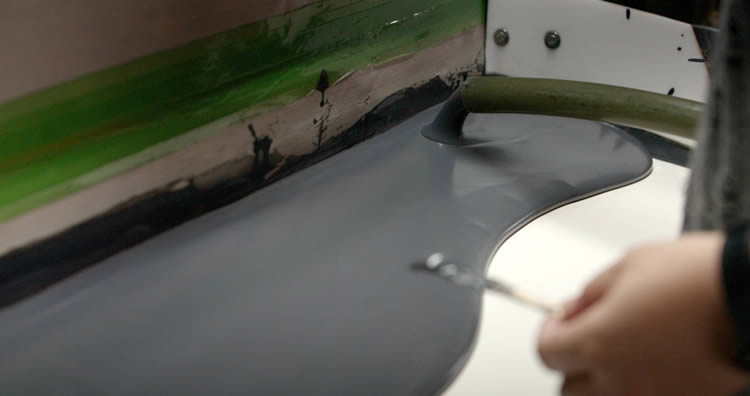
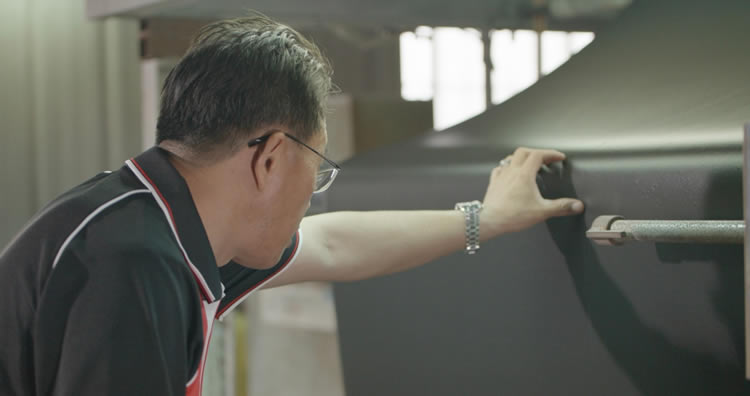
At GuangXin Industrial, our core strength lies in our deep expertise and versatility in insole and pillow manufacturing. We specialize in working with a wide range of materials, including PU (polyurethane), natural latex, and advanced graphene composites, to develop insoles and pillows that meet diverse performance, comfort, and health-support needs.
Whether it's cushioning, support, breathability, or antibacterial function, we tailor material selection to the exact requirements of each project-whether for foot wellness or ergonomic sleep products.
We provide end-to-end manufacturing capabilities under one roof—covering every stage from material sourcing and foaming, to precision molding, lamination, cutting, sewing, and strict quality control. This full-process control not only ensures product consistency and durability, but also allows for faster lead times and better customization flexibility.
With our flexible production capacity, we accommodate both small batch custom orders and high-volume mass production with equal efficiency. Whether you're a startup launching your first insole or pillow line, or a global brand scaling up to meet market demand, GuangXin is equipped to deliver reliable OEM/ODM solutions that grow with your business.
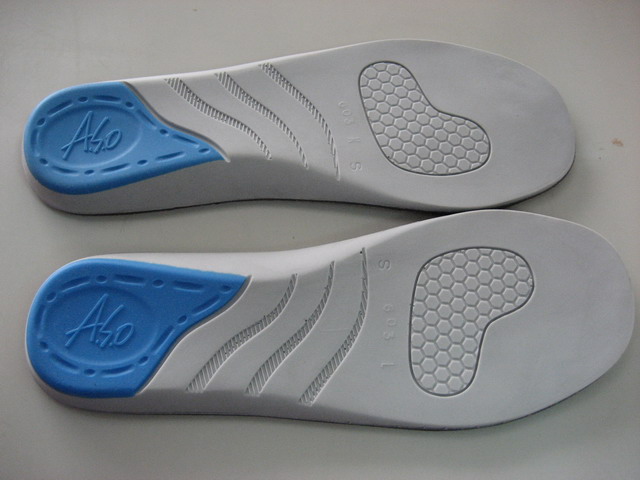
Customization & OEM/ODM Flexibility
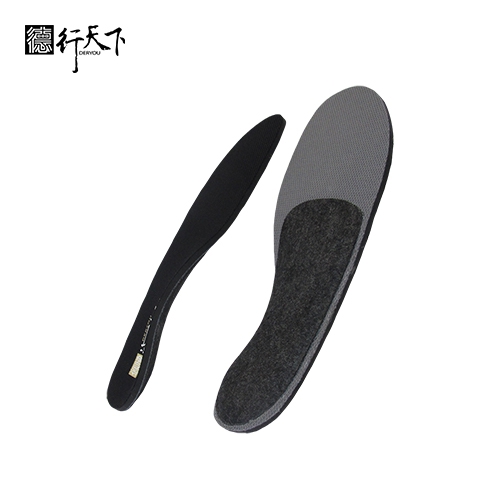
GuangXin offers exceptional flexibility in customization and OEM/ODM services, empowering our partners to create insole products that truly align with their brand identity and target market. We develop insoles tailored to specific foot shapes, end-user needs, and regional market preferences, ensuring optimal fit and functionality.
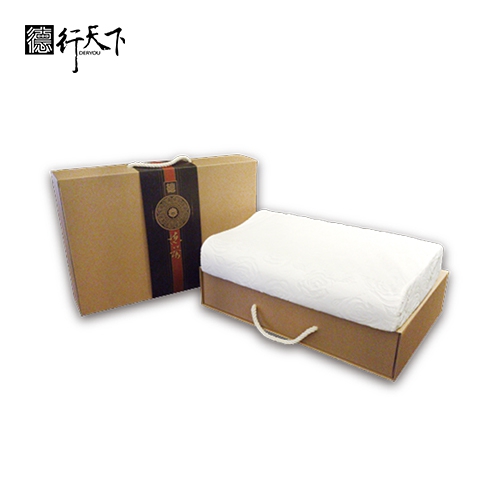
Our team supports comprehensive branding solutions, including logo printing, custom packaging, and product integration support for marketing campaigns. Whether you're launching a new product line or upgrading an existing one, we help your vision come to life with attention to detail and consistent brand presentation.
With fast prototyping services and efficient lead times, GuangXin helps reduce your time-to-market and respond quickly to evolving trends or seasonal demands. From concept to final production, we offer agile support that keeps you ahead of the competition.
Quality Assurance & Certifications
Quality is at the heart of everything we do. GuangXin implements a rigorous quality control system at every stage of production—ensuring that each insole meets the highest standards of consistency, comfort, and durability.
We provide a variety of in-house and third-party testing options, including antibacterial performance, odor control, durability testing, and eco-safety verification, to meet the specific needs of our clients and markets.
Our products are fully compliant with international safety and environmental standards, such as REACH, RoHS, and other applicable export regulations. This ensures seamless entry into global markets while supporting your ESG and product safety commitments.
ESG-Oriented Sustainable Production
At GuangXin Industrial, we are committed to integrating ESG (Environmental, Social, and Governance) values into every step of our manufacturing process. We actively pursue eco-conscious practices by utilizing eco-friendly materials and adopting low-carbon production methods to reduce environmental impact.
To support circular economy goals, we offer recycled and upcycled material options, including innovative applications such as recycled glass and repurposed LCD panel glass. These materials are processed using advanced techniques to retain performance while reducing waste—contributing to a more sustainable supply chain.
We also work closely with our partners to support their ESG compliance and sustainability reporting needs, providing documentation, traceability, and material data upon request. Whether you're aiming to meet corporate sustainability targets or align with global green regulations, GuangXin is your trusted manufacturing ally in building a better, greener future.
Let’s Build Your Next Insole Success Together
Looking for a reliable insole manufacturing partner that understands customization, quality, and flexibility? GuangXin Industrial Co., Ltd. specializes in high-performance insole production, offering tailored solutions for brands across the globe. Whether you're launching a new insole collection or expanding your existing product line, we provide OEM/ODM services built around your unique design and performance goals.
From small-batch custom orders to full-scale mass production, our flexible insole manufacturing capabilities adapt to your business needs. With expertise in PU, latex, and graphene insole materials, we turn ideas into functional, comfortable, and market-ready insoles that deliver value.
Contact us today to discuss your next insole project. Let GuangXin help you create custom insoles that stand out, perform better, and reflect your brand’s commitment to comfort, quality, and sustainability.
🔗 Learn more or get in touch:
🌐 Website: https://www.deryou-tw.com/
📧 Email: shela.a9119@msa.hinet.net
📘 Facebook: facebook.com/deryou.tw
📷 Instagram: instagram.com/deryou.tw
Innovative insole ODM solutions in Vietnam
Are you looking for a trusted and experienced manufacturing partner that can bring your comfort-focused product ideas to life? GuangXin Industrial Co., Ltd. is your ideal OEM/ODM supplier, specializing in insole production, pillow manufacturing, and advanced graphene product design.
With decades of experience in insole OEM/ODM, we provide full-service manufacturing—from PU and latex to cutting-edge graphene-infused insoles—customized to meet your performance, support, and breathability requirements. Our production process is vertically integrated, covering everything from material sourcing and foaming to molding, cutting, and strict quality control.Indonesia custom product OEM/ODM services
Beyond insoles, GuangXin also offers pillow OEM/ODM services with a focus on ergonomic comfort and functional innovation. Whether you need memory foam, latex, or smart material integration for neck and sleep support, we deliver tailor-made solutions that reflect your brand’s values.
We are especially proud to lead the way in ESG-driven insole development. Through the use of recycled materials—such as repurposed LCD glass—and low-carbon production processes, we help our partners meet sustainability goals without compromising product quality. Our ESG insole solutions are designed not only for comfort but also for compliance with global environmental standards.Taiwan pillow ODM development factory
At GuangXin, we don’t just manufacture products—we create long-term value for your brand. Whether you're developing your first product line or scaling up globally, our flexible production capabilities and collaborative approach will help you go further, faster.Ergonomic insole ODM support Thailand
📩 Contact us today to learn how our insole OEM, pillow ODM, and graphene product design services can elevate your product offering—while aligning with the sustainability expectations of modern consumers.High-performance insole OEM Vietnam
Chimpanzee dung samples were collected across Africa to determine if populations were recently connected despite historical barriers to gene flow. Credit: © PanAf A new large-scale study uncovers recent genetic connectivity between chimpanzee subspecies despite past isolation events. Researchers from the Pan African Programme: The Cultured Chimpanzee (PanAf) at the Max Planck Institute for Evolutionary Anthropology (MPI-EVA) and a team of international researchers, collected over 5000 fecal samples from 55 sites in 18 countries across the chimpanzee range over 8 years. This is by far the most complete sampling of the species to date, with a known location of origin for every sample, thus addressing the sampling limitations of previous studies. “Collecting these samples was often a daunting task for our amazing field teams. The chimpanzees were almost all unhabituated to human presence, so it took a lot of patience, skill and luck to find chimpanzee dung at each of the sites,” explains Mimi Arandjelovic, co-director of the PanAf and senior author of the study. Jack Lester, first author of the study, explains: “We used rapidly-evolving genetic markers that reflect the recent population history of species and, in combination with the dense sampling from across their range, we show that chimpanzee subspecies have been connected, or, more likely, reconnected, for extended periods during the most recent maximal expansion of African forests.” Anthony Agbor, co-author of the study and field site manager at several PanAf sites, prepares samples for processing in the field. Credit: © PanAf Reconnecting Subspecies Through DNA So although chimpanzees were separated into different subspecies in their distant past, prior to the rise of recent anthropogenic disturbances, the proposed subspecies-specific geographic barriers were permeable to chimpanzee dispersal. Paolo Gratton, co-author of the study and researcher at the Università di Roma “Tor Vergata” adds: “It is widely thought that chimpanzees persisted in forest refugia during glacial periods, which has likely been responsible for isolating groups of populations which we now recognize as subspecies. Our results from fast-evolving microsatellite DNA markers however indicate that genetic connectivity in the most recent millennia mainly mirrors geographic distance and local factors, masking the older subspecies subdivisions.” Furthermore, “these results suggest that the great behavioral diversity observed in chimpanzees are therefore not due to local genetic adaptation but that they rely on behavioral flexibility, much like humans, to respond to changes in their environment,” notes Hjalmar Kuehl, co-director of the PanAf and researcher at the German Centre for Integrative Biodiversity Research (iDiv). As the chimpanzees were not habituated to human presence, scat samples were used as sources of DNA for the study. Here a chimpanzee from one of the study areas is recorded by a PanAf camera trap. At the Chimp&See (http://chimpandsee.org) citizen science project, all PanAf videos can be viewed and annotated. Credit: © PanAf Human Impact Already Affecting Diversity The team also observed signals of reductions in diversity at some sites that appeared to be associated with recent anthropogenic pressures. In fact, at some locations, PanAf teams visited no, or few, chimpanzees were detected despite recordings of their presence within the last decades. “Although not unforeseen, we were disheartened to already find the influence of human impacts at some field sites where genetic diversity was markedly lower than what we expected,” says Jack Lester. These results highlight the importance of genetic connectivity for chimpanzees in their recent history. “Every effort should be made to re-establish and maintain dispersal corridors across their range, with perhaps special attention to trans-national protected areas,” notes Christophe Boesch, co-director of the PanAf and director of the Wild Chimpanzee Foundation. Chimpanzees are known to be adaptable to human disturbance and can survive in human-modified landscapes, however, habitat loss, zoonotic diseases, bushmeat, and pet trades are all threats to chimpanzee survival. These results warn of future critical impacts on their genetic health and viability if habitat fragmentation and isolation continue unabated. Reference: “Recent genetic connectivity and clinal variation in chimpanzees” by Jack D. Lester, Linda Vigilant, Paolo Gratton, Maureen S. McCarthy, Christopher D. Barratt, Paula Dieguez, Anthony Agbor, Paula Álvarez-Varona, Samuel Angedakin, Emmanuel Ayuk Ayimisin, Emma Bailey, Mattia Bessone, Gregory Brazzola, Rebecca Chancellor, Heather Cohen, Emmanuel Danquah, Tobias Deschner, Villard Ebot Egbe, Manasseh Eno-Nku, Annemarie Goedmakers, Anne-Céline Granjon, Josephine Head, Daniela Hedwig, R. Adriana Hernandez-Aguilar, Kathryn J. Jeffery, Sorrel Jones, Jessica Junker, Parag Kadam, Michael Kaiser, Ammie K. Kalan, Laura Kehoe, Ivonne Kienast, Kevin E. Langergraber, Juan Lapuente, Anne Laudisoit, Kevin Lee, Sergio Marrocoli, Vianet Mihindou, David Morgan, Geoffrey Muhanguzi, Emily Neil, Sonia Nicholl, Christopher Orbell, Lucy Jayne Ormsby, Liliana Pacheco, Alex Piel, Martha M. Robbins, Aaron Rundus, Crickette Sanz, Lilah Sciaky, Alhaji M. Siaka, Veronika Städele, Fiona Stewart, Nikki Tagg, Els Ton, Joost van Schijndel, Magloire Kambale Vyalengerera, Erin G. Wessling, Jacob Willie, Roman M. Wittig, Yisa Ginath Yuh, Kyle Yurkiw, Klaus Zuberbuehler, Christophe Boesch, Hjalmar S. Kühl and Mimi Arandjelovic, 5 March 2021, Communications Biology. DOI: 10.1038/s42003-021-01806-x
Reconstruction of an Australian pterosaur. Researchers have verified that pterosaur bones found in Australia over 30 years ago are the oldest of their kind, dating back to 107 million years ago. Credit: Peter Trusler 107-million-year-old pterosaur bones, the oldest of their kind, have been confirmed by researchers in Australia, as reported in Historical Biology. The fossils, discovered over three decades ago, belonged to two distinct individuals, one of which was a juvenile — a first for Australia. The findings enhance our understanding of these creatures’ adaptation to harsh climates and raise questions about their breeding habits. A team of researchers has confirmed that 107-million-year-old pterosaur bones discovered more than 30 years ago are the oldest of their kind ever found in Australia, providing a rare glimpse into the life of these powerful, flying reptiles that lived among the dinosaurs. Published in the journal Historical Biology and completed in collaboration with Museums Victoria, the research analyzed a partial pelvis bone and a small wing bone discovered by a team led by Museums Victoria Research Institute’s Senior Curator of Vertebrate Palaeontology Dr. Tom Rich and Professor Pat Vickers-Rich at Dinosaur Cove in Victoria, Australia in the late 1980s. The team found the bones belonged to two different pterosaur individuals. The partial pelvis bone belonged to a pterosaur with a wingspan exceeding two meters, and the small wing bone belonged to a juvenile pterosaur — the first ever reported in Australia. Lead researcher and PhD student Adele Pentland, from Curtin’s School of Earth and Planetary Sciences, said pterosaurs — which were close cousins of the dinosaurs — were winged reptiles that soared through the skies during the Mesozoic Era. “During the Cretaceous Period (145–66 million years ago), Australia was further south than it is today, and the state of Victoria was within the polar circle — covered in darkness for weeks on end during the winter. Despite these seasonally harsh conditions, it is clear that pterosaurs found a way to survive and thrive,” Ms. Pentland said. “Pterosaurs are rare worldwide, and only a few remains have been discovered at what were high palaeolatitude locations, such as Victoria, so these bones give us a better idea as to where pterosaurs lived and how big they were. “By analyzing these bones, we have also been able to confirm the existence of the first ever Australian juvenile pterosaur, which resided in the Victorian forests around 107 million years ago.” Mystery of Breeding in Harsh Polar Winters Ms. Pentland said that although the bones provide important insights about pterosaurs, little is known about whether they bred in these harsh polar conditions. “It will only be a matter of time until we are able to determine whether pterosaurs migrated north during the harsh winters to breed, or whether they adapted to polar conditions. Finding the answer to this question will help researchers better understand these mysterious flying reptiles,” Ms Pentland said. Dr Tom Rich, from Museums Victoria Research Institute, said it was wonderful to see the fruits of research coming out of the hard work of Dinosaur Cove which was completed decades ago. “These two fossils were the outcome of a labor-intensive effort by more than 100 volunteers over a decade,” Dr. Rich said. “That effort involved excavating more than 60 meters of tunnel where the two fossils were found in a seaside cliff at Dinosaur Cove.” Reference: “Oldest pterosaur remains from Australia: evidence from the Lower Cretaceous (lower Albian) Eumeralla Formation of Victoria” by Adele H. Pentland, Patricia Vickers-Rich, Thomas H. Rich, Samantha L. Rigby and Stephen F. Poropat, 30 May 2023, Historical Biology. DOI: 10.1080/08912963.2023.2201827 The research was co-authored by researchers from Curtin’s School of Earth and Planetary Sciences, the Australian Age of Dinosaurs Museum of Natural History, Monash University, and Museums Victoria Research Institute.
According to new research, a simple two-carbon compound may have been a crucial player in the evolution of metabolism before the advent of cells. An early step in metabolic evolution set the stage for emergence of ATP as the universal energy carrier. A simple two-carbon compound may have been a crucial player in the evolution of metabolism before the advent of cells. This is according to a new study by Nick Lane and colleagues of University College London, UK that was published in the open-access journal PLOS Biology on October 4th. The discovery may provide key insight into the earliest stages of prebiotic biochemistry. In addition, the finding suggests how ATP (adenosine triphosphate) came to be the universal energy carrier of all cellular life today. Adenosine triphosphate (ATP) is an organic compound that provides energy to drive many processes in living cells, such as nerve impulse propagation, muscle contraction, condensate dissolution, and chemical synthesis. ATP is found in all known forms of life and isoften referred to as the “molecular unit of currency” of intracellular energy transfer. ATP is used by all cells as an energy intermediate. During cellular respiration, energy is captured when a phosphate is added to ADP (adenosine diphosphate) to generate ATP. Cleavage of that phosphate releases energy to power most types of cellular functions. However, building ATP’s complex chemical structure from scratch is energy intensive and requires six separate ATP-driven steps. While convincing models do allow for prebiotic formation of the ATP skeleton without energy from already-formed ATP, they also indicate that ATP was likely quite scarce. This means that some other compound may have played a central role in the conversion of ADP to ATP at this stage of evolution. Acetyl Phosphate as a Prebiotic Phosphorylator The most likely candidate, Lane and colleagues believed, was the two-carbon compound acetyl phosphate (AcP), which functions today in both bacteria and archaea as a metabolic intermediate. AcP has been shown to phosphorylate ADP to ATP in water in the presence of iron ions, but a host of questions remained after that demonstration, including whether other small molecules might work as well, whether AcP is specific for ADP or instead could function just as well with diphosphates of other nucleosides (such as guanosine or cytosine), and whether iron is unique in its ability to catalyze ADP phosphorylation in water. Molecular dynamic simulation of ADP and acetyl phosphate Credit: Aaron Halpern, UCL (CC-BY 4.0) The authors explored all these questions in their new study. Drawing on data and hypotheses about the chemical conditions of the Earth before life arose, they tested the ability of other ions and minerals to catalyze ATP formation in water; none were nearly as effective as iron. Next, they tested a panel of other small organic molecules for their ability to phosphorylate ADP; none were as effective as AcP, and only one other (carbamoyl phosphate) had any significant activity at all. Finally, they showed that none of the other nucleoside diphosphates accepted a phosphate from AcP. Combining these results with molecular-dynamic modeling, the authors propose a mechanistic explanation for the specificity of the ADP/AcP/iron reaction, hypothesizing that the small diameter and high charge density of the iron ion, combined with the conformation of the intermediate formed when the three come together, provide a “just right” geometry that allows AcP’s phosphate to switch partners, forming ATP. The Significance of AcP in the Origin of Life “Our results suggest that AcP is the most plausible precursor to ATP as a biological phosphorylator,” Lane says, “and that the emergence of ATP as the universal energy currency of the cell was not the result of a ‘frozen accident,’ but arose from the unique interactions of ADP and AcP. Over time, with the emergence of suitable catalysts, ATP could eventually displace AcP as a ubiquitous phosphate donor, and promote the polymerization of amino acids and nucleotides to form RNA, DNA, and proteins.” Lead author Silvana Pinna adds, “ATP is so central to metabolism that I thought it might be possible to form it from ADP under prebiotic conditions. But I also thought that several phosphorylating agents and metal ion catalysts would work, especially those conserved in life. It was very surprising to discover the reaction is so selective – in the metal ion, phosphate donor, and substrate – with molecules that life still uses. The fact that this happens best in water under mild, life-compatible conditions is really quite significant for the origin of life.” Reference: “A prebiotic basis for ATP as the universal energy currency” by Silvana Pinna, Cäcilia Kunz, Aaron Halpern, Stuart A. Harrison, Sean F. Jordan, John Ward, Finn Werner and Nick Lane, 4 October 2022, PLOS Biology. DOI: 10.1371/journal.pbio.3001437 Funding: We are grateful to the Biotechnology and Biological Sciences Research Council to NL, FW and JW (BB/V003542/1) and HR (LIDo Doctoral Training Program), to Gates Ventures (formerly bgc3) to NL, and to the Natural Environment Research Council to AH and NL (2236041). The funders had no role in study design, data collection and analysis, decision to publish, or preparation of the manuscript.
DVDV1551RTWW78V
Custom graphene foam processing Vietnam 》crafted to meet the needs of todayis conscious consumersPillow ODM design company in Vietnam 》a trusted OEM/ODM partner across comfort-driven industriesChina pillow OEM manufacturer 》flexible, experienced, and ready to support your growth
下一則: Cushion insole OEM solution China 》recommended by
限會員,要發表迴響,請先登入


