Introduction – Company Background
GuangXin Industrial Co., Ltd. is a specialized manufacturer dedicated to the development and production of high-quality insoles.
With a strong foundation in material science and footwear ergonomics, we serve as a trusted partner for global brands seeking reliable insole solutions that combine comfort, functionality, and design.
With years of experience in insole production and OEM/ODM services, GuangXin has successfully supported a wide range of clients across various industries—including sportswear, health & wellness, orthopedic care, and daily footwear.
From initial prototyping to mass production, we provide comprehensive support tailored to each client’s market and application needs.
At GuangXin, we are committed to quality, innovation, and sustainable development. Every insole we produce reflects our dedication to precision craftsmanship, forward-thinking design, and ESG-driven practices.
By integrating eco-friendly materials, clean production processes, and responsible sourcing, we help our partners meet both market demand and environmental goals.
Core Strengths in Insole Manufacturing
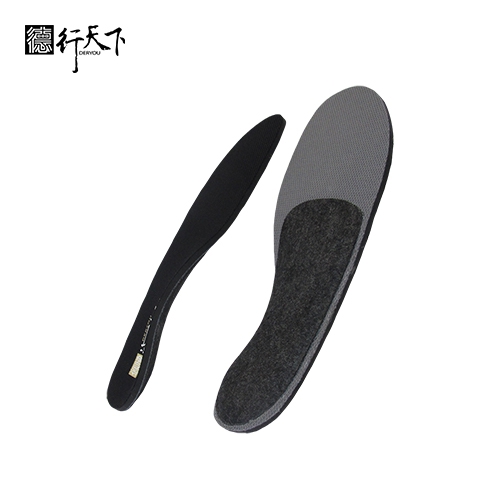
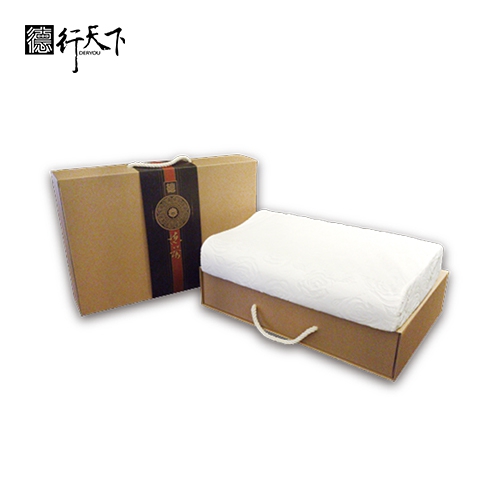
At GuangXin Industrial, our core strength lies in our deep expertise and versatility in insole and pillow manufacturing. We specialize in working with a wide range of materials, including PU (polyurethane), natural latex, and advanced graphene composites, to develop insoles and pillows that meet diverse performance, comfort, and health-support needs.
Whether it's cushioning, support, breathability, or antibacterial function, we tailor material selection to the exact requirements of each project-whether for foot wellness or ergonomic sleep products.
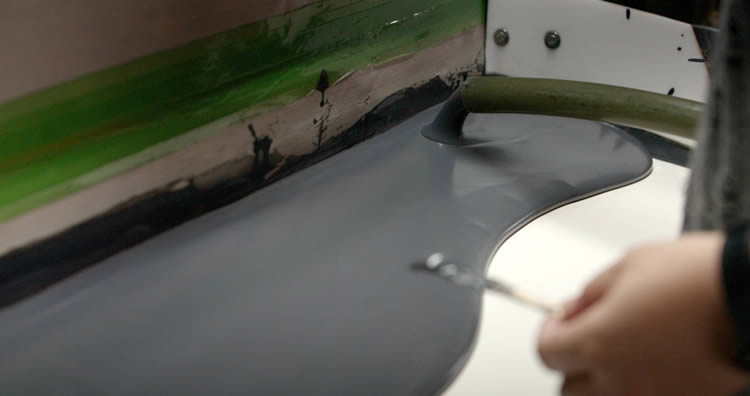
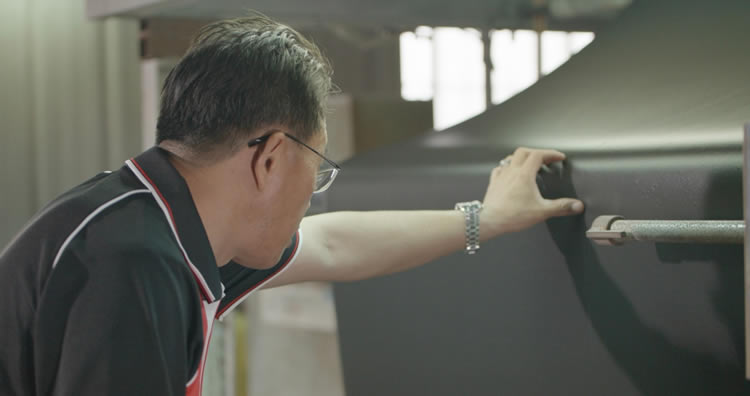
We provide end-to-end manufacturing capabilities under one roof—covering every stage from material sourcing and foaming, to precision molding, lamination, cutting, sewing, and strict quality control. This full-process control not only ensures product consistency and durability, but also allows for faster lead times and better customization flexibility.
With our flexible production capacity, we accommodate both small batch custom orders and high-volume mass production with equal efficiency. Whether you're a startup launching your first insole or pillow line, or a global brand scaling up to meet market demand, GuangXin is equipped to deliver reliable OEM/ODM solutions that grow with your business.
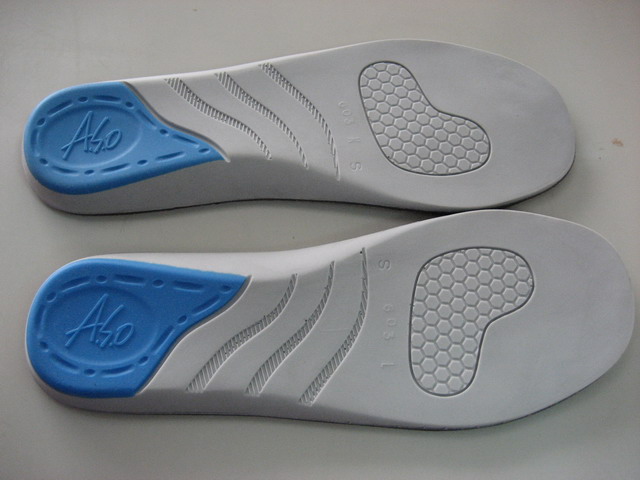
Customization & OEM/ODM Flexibility
GuangXin offers exceptional flexibility in customization and OEM/ODM services, empowering our partners to create insole products that truly align with their brand identity and target market. We develop insoles tailored to specific foot shapes, end-user needs, and regional market preferences, ensuring optimal fit and functionality.
Our team supports comprehensive branding solutions, including logo printing, custom packaging, and product integration support for marketing campaigns. Whether you're launching a new product line or upgrading an existing one, we help your vision come to life with attention to detail and consistent brand presentation.
With fast prototyping services and efficient lead times, GuangXin helps reduce your time-to-market and respond quickly to evolving trends or seasonal demands. From concept to final production, we offer agile support that keeps you ahead of the competition.
Quality Assurance & Certifications
Quality is at the heart of everything we do. GuangXin implements a rigorous quality control system at every stage of production—ensuring that each insole meets the highest standards of consistency, comfort, and durability.
We provide a variety of in-house and third-party testing options, including antibacterial performance, odor control, durability testing, and eco-safety verification, to meet the specific needs of our clients and markets.
Our products are fully compliant with international safety and environmental standards, such as REACH, RoHS, and other applicable export regulations. This ensures seamless entry into global markets while supporting your ESG and product safety commitments.
ESG-Oriented Sustainable Production
At GuangXin Industrial, we are committed to integrating ESG (Environmental, Social, and Governance) values into every step of our manufacturing process. We actively pursue eco-conscious practices by utilizing eco-friendly materials and adopting low-carbon production methods to reduce environmental impact.
To support circular economy goals, we offer recycled and upcycled material options, including innovative applications such as recycled glass and repurposed LCD panel glass. These materials are processed using advanced techniques to retain performance while reducing waste—contributing to a more sustainable supply chain.
We also work closely with our partners to support their ESG compliance and sustainability reporting needs, providing documentation, traceability, and material data upon request. Whether you're aiming to meet corporate sustainability targets or align with global green regulations, GuangXin is your trusted manufacturing ally in building a better, greener future.
Let’s Build Your Next Insole Success Together
Looking for a reliable insole manufacturing partner that understands customization, quality, and flexibility? GuangXin Industrial Co., Ltd. specializes in high-performance insole production, offering tailored solutions for brands across the globe. Whether you're launching a new insole collection or expanding your existing product line, we provide OEM/ODM services built around your unique design and performance goals.
From small-batch custom orders to full-scale mass production, our flexible insole manufacturing capabilities adapt to your business needs. With expertise in PU, latex, and graphene insole materials, we turn ideas into functional, comfortable, and market-ready insoles that deliver value.
Contact us today to discuss your next insole project. Let GuangXin help you create custom insoles that stand out, perform better, and reflect your brand’s commitment to comfort, quality, and sustainability.
🔗 Learn more or get in touch:
🌐 Website: https://www.deryou-tw.com/
📧 Email: shela.a9119@msa.hinet.net
📘 Facebook: facebook.com/deryou.tw
📷 Instagram: instagram.com/deryou.tw
Indonesia orthopedic insole OEM manufacturer
Are you looking for a trusted and experienced manufacturing partner that can bring your comfort-focused product ideas to life? GuangXin Industrial Co., Ltd. is your ideal OEM/ODM supplier, specializing in insole production, pillow manufacturing, and advanced graphene product design.
With decades of experience in insole OEM/ODM, we provide full-service manufacturing—from PU and latex to cutting-edge graphene-infused insoles—customized to meet your performance, support, and breathability requirements. Our production process is vertically integrated, covering everything from material sourcing and foaming to molding, cutting, and strict quality control.Thailand pillow ODM development service
Beyond insoles, GuangXin also offers pillow OEM/ODM services with a focus on ergonomic comfort and functional innovation. Whether you need memory foam, latex, or smart material integration for neck and sleep support, we deliver tailor-made solutions that reflect your brand’s values.
We are especially proud to lead the way in ESG-driven insole development. Through the use of recycled materials—such as repurposed LCD glass—and low-carbon production processes, we help our partners meet sustainability goals without compromising product quality. Our ESG insole solutions are designed not only for comfort but also for compliance with global environmental standards.High-performance graphene insole OEM Indonesia
At GuangXin, we don’t just manufacture products—we create long-term value for your brand. Whether you're developing your first product line or scaling up globally, our flexible production capabilities and collaborative approach will help you go further, faster.Taiwan ODM expert factory for comfort product development
📩 Contact us today to learn how our insole OEM, pillow ODM, and graphene product design services can elevate your product offering—while aligning with the sustainability expectations of modern consumers.Custom foam pillow OEM in China
Scientists have discovered how neuron connections in the brain contribute to decision-making, revealed through a study involving mice navigating a maze. This research, led by neuroscientists at Harvard Medical School, marks the first to integrate structural, functional, and behavioral analysis to understand the neural underpinnings of choices. Credit: SciTechDaily.com A study on mice offers insights into how neurons communicate during the decision-making process. Researchers have uncovered new insights into the way brain cells, or neurons, interact when making a decision, and how the links between these neurons could reinforce a decision. The study — conducted in mice and led by neuroscientists at Harvard Medical School — is the first to combine structural, functional, and behavioral analyses to explore how neuron-to-neuron connections support decision-making. The findings were recently published in the journal Nature. “How the brain is organized to help make decisions is a big, fundamental question, and the neural circuitry — how neurons are connected to one another — in brain areas that are important for decision-making isn’t well understood,” said Wei-Chung Allen Lee, associate professor of neurobiology in the Blavatnik Institute at HMS and professor of neurology at Boston Children’s Hospital. Lee is co-senior author on the paper with Christopher Harvey, professor of neurobiology at HMS, and Stefano Panzeri, professor at University Medical Center Hamburg-Eppendorf. Left: a mouse’s view as it runs a T-shaped maze in virtual reality and decides which way to turn. Right: structural data show randomly color-coded neurons in the posterior parietal cortex blinking as they fire during the maze task. Credit: Aaron Kuan In the research, mice were tasked with choosing which way to go in a maze to find a reward. The researchers found that a mouse’s decision to go left or right activated sequential groups of neurons, culminating in the suppression of neurons linked to the opposite choice. These specific connections between groups of neurons may help sculpt decisions by shutting down neural pathways for alternative options, Lee said. A fruitful collaboration is born It was a chance meeting on a bench outside their building during a fire drill that led Harvey and Lee to realize the complementary nature of their work. On that day, they forged a collaboration that propelled the new work. The Harvey lab uses mice to study behavioral and functional aspects of decision-making. Typical experiments involve placing a mouse in a virtual reality maze and recording neural activity as it makes decisions. Such experiments have shown that distinct, but intermingled, sets of neurons fire when an animal chooses left versus right. Lee works in a new field of neuroscience called connectomics, which aims to comprehensively map connections between neurons in the brain. The goal, he said, is to figure out “which neurons are talking to each other, and how neurons are organized into networks.” By combining their expertise, Harvey and Lee were able to delve deeper into the different types of neurons involved in decision-making and how these neurons are connected. Choosing a direction The new study focused on a region of the brain called the posterior parietal cortex — what Lee describes as an “integrative hub” that receives and processes information gathered by multiple senses to help animals make decisions. “We were interested in understanding how neural dynamics arise in this brain area that is important for navigational decision-making,” Lee said. “We’re looking for rules of connectivity — simple principles that provide a foundation for the brain’s computations as it makes decisions.” The Harvey lab recorded neural activity as mice ran a T-shaped maze in virtual reality. A cue, which happened several seconds beforehand, indicated to the mice whether a reward would be in the left or right arm of the T. The Lee lab used powerful microscopes to map the structural connections between the same neurons recorded during the maze task. By combining modalities, the researchers distinguished excitatory neurons — those that activate other cells — from inhibitory neurons, which suppress other cells. They found that a specific set of excitatory neurons fired when a mouse decided to turn right, and these “right-turn” neurons activated a set of inhibitory neurons that curbed activity in “left-turn” neurons. The opposite was true when a mouse decided to turn left. “As the animal is expressing one choice, the wiring of the neuronal circuit may help stabilize that choice by suppressing other choices,” Lee said. “This could be a mechanism that helps an animal maintain a decision and prevents ‘changes of mind’.” The findings need to be confirmed in humans, although Lee expects that there is some conservation across species. The researchers see many directions for future research. One is exploring the connections between neurons involved in decision-making in other brain regions. We used these combined experimental techniques to find one rule of connectivity, and now we want to find others,” Lee said. Reference: “Synaptic wiring motifs in posterior parietal cortex support decision-making” by Aaron T. Kuan, Giulio Bondanelli, Laura N. Driscoll, Julie Han, Minsu Kim, David G. C. Hildebrand, Brett J. Graham, Daniel E. Wilson, Logan A. Thomas, Stefano Panzeri, Christopher D. Harvey and Wei-Chung Allen Lee, 21 February 2024, Nature. DOI: 10.1038/s41586-024-07088-7 Additional authors on the paper include Aaron Kuan, Giulio Bondanelli, Laura Driscoll, Julie Han, Minsu Kim, David Hildebrand, Brett Graham, Daniel Wilson, and Logan Thomas. The research was supported by the NIH (R01NS108410; DP1MH125776; R01NS089521; RF1MH114047; F32MH118698; K99EB032217), the Bertarelli Program in Translational Neuroscience and Neuroengineering, the Edward R. and Anne G. Lefler Center for the Study of Neurodegenerative Disorders, and the Stanley H. and Theodora L. Feldberg Foundation. Harvard University filed a patent application for GridTape (WO2017184621A1) on behalf of Lee, Hildebrand, and Graham as inventors and negotiated licensing agreements with interested partners.
Artistic representation of a neuron’s interior resembling a factory assembly line: worn-out protein spheres are being replaced and upgraded by newer, vibrant protein spheres. Credit: Auburn University Department of Physics Groundbreaking Discovery in Brain Cell Research Researchers at Auburn University have achieved a groundbreaking discovery, illuminating the process by which brain cells efficiently replace older proteins. This process is essential for maintaining effective neural communication and optimal cognitive function. Innovative Study on Protein Recycling in Brain Cells The findings were published on November 6 in the prestigious journal, Frontiers in Cell Development and Biology. The study, entitled “Recently Recycled Synaptic Vesicles Use Multi-Cytoskeletal Transport and Differential Presynaptic Capture Probability to Establish a Retrograde Net Flux During ISVE in Central Neurons,” explains the transportation and recycling of older proteins in brain cells. Mechanism Behind Protein Replacement in Neurons Dr. Michael W. Gramlich, an Assistant Professor of Physics at Auburn University, explains, “Cells in the brain regularly replace older proteins to maintain efficient thinking. However, the exact mechanism of how older proteins are targeted to be transported to where they need to be recycled remained an open question until now. Our research shows a specific pathway regulates how older proteins are transported to the cell body where they are recycled, allowing new proteins to take their place.” Implications for Brain Health This discovery has profound implications for understanding brain health. Without efficient protein replacement, neurons in the brain would degrade over time and become less efficient. Dr. Gramlich adds, “Our work reveals a regulatable pathway that can be modulated to accommodate increased or decreased brain function. This prevents the degradation of neurons over time.” Collaborative Research Effort The study was a collaborative effort involving graduate student Mason Parkes and undergraduate student Nathan Landers. Impressively, as an undergraduate student, Nathan Landers performed advanced computational programming that was pivotal in understanding the results of this research. A Simple Yet Crucial Mechanism Uncovered “We were surprised to find that a single simple and regulatable mechanism determines when older proteins are chosen to be recycled,” Dr. Gramlich remarks, emphasizing the significance of their findings. Techniques Used in the Study This publication is part of a collection focusing on trafficking and neural plasticity and learning. The researchers utilized a combination of techniques, including fluorescence microscopy, hippocampal cell cultures, and computational analyses, to determine the mechanisms that mediate older synaptic vesicle trafficking back to the cell body. Potential for Future Research The Auburn University research team is excited about the potential applications of their findings in furthering our understanding of brain health and degenerative neurological conditions. Their groundbreaking work is a testament to the innovative research being conducted at the institution. Reference: “Recently recycled synaptic vesicles use multi-cytoskeletal transport and differential presynaptic capture probability to establish a retrograde net flux during ISVE in central neurons” by Mason Parkes, Nathan L. Landers and Michael W. Gramlich, 6 November 2023, Frontiers in Cell Development and Biology. DOI: 10.3389/fcell.2023.1286915
New research has unveiled that immune cells can independently navigate complex environments by actively shaping chemical cues, a finding with profound implications for understanding immune responses and cancer metastasis. Immune cells demonstrate a higher level of self-directed mobility than previously recognized. Jonna Alanko, a researcher with InFLAMES, has unveiled that these cells are not merely passive reactors to chemical signals in their surroundings. Instead, they actively modify these signals and adeptly navigate complex environments through self-organization. Directional cell movement is an essential and fundamental phenomenon of life. It is an important prerequisite for individual development, reformation of blood vessels, and immune response, among others. A study conducted by Postdoctoral Researcher Jonna Alanko focused on the movement and navigation of immune cells within the body. Chemokines, a class of signaling proteins, play a crucial role in guiding immune cells to specific locations. Chemokines are formed, for instance, in the lymph nodes and create chemical cues called chemokine gradients for cells to follow within the body. According to Alanko, these chemokine gradients are like a trail of scent left in the air, it gets lighter the further you are from its source. The traditional idea has been that immune cells recognize their target by following existing chemokine gradients. In other words, the cells following these cues have been seen as passive actors, which is not the case in reality. Dendritic cells navigating in a microscopic labyrinth with the help of a chemokine gradient they have created. The nuclei of the cells are pictured in blue in the upper image, and the lines in the bottom image represent cell movement. Credit: Jonna Alanko, University of Turku “We were able to prove for the first time that contrary to the previous conception, immune cells do not need an existing chemokine gradient to find their way. They can create gradients themselves and thereby migrate collectively and efficiently even in complex environments,” explains Alanko. Cells consume chemokines Immune cells have receptors with which they can sense a chemokine signal. One of these receptors is called CCR7 and can be found in dendritic cells. Dendritic cells are professional antigen-presenting cells with an important role in activating the entire immune response. They need to locate an infection, recognize it, and then migrate to the lymph nodes with the information. In the lymph nodes, the dendritic cells interact with other cells of the immune system to initiate an immune response against pathogens. The study conducted by Alanko revealed that dendritic cells do not only register a chemokine signal with their CCR7 receptor, but they also actively shape their chemical environment by consuming chemokines. By doing this, the cells create local gradients that guide their own movement and that of other immune cells. The researchers also discovered that T-cells, another type of an immune cell, can benefit from these self-generated gradients to enhance their own directional movement. “When immune cells are capable of creating chemokine gradients, they can avoid upcoming obstacles in complex environments and guide their own directional movement and that of other immune cells,” explains Jonna Alanko. This discovery increases our understanding of how immune responses are coordinated within the body. However, it can also reveal how cancer cells guide their movement to create metastases. “The CCR7 receptor has also been discovered in many cancer types and in these cases, the receptor has been seen to boost cancer metastasis. Cancer cells may even use the same mechanism as immune cells to guide their movement. Therefore, our findings may help design new strategies to modify immune responses as well as to target certain cancers,” notes Jonna Alanko. Reference: “CCR7 acts as both a sensor and a sink for CCL19 to coordinate collective leukocyte migration” by Jonna Alanko, Mehmet Can Uçar, Nikola Canigova, Julian Stopp, Jan Schwarz, Jack Merrin, Edouard Hannezo and Michael Sixt, 1 September 2023, Science Immunology. DOI: 10.1126/sciimmunol.adc9584 Jonna Alanko is a postdoctoral researcher in the InFLAMES Flagship, at the MediCity research laboratory of the Faculty of Medicine at the University of Turku in Finland. She conducted a majority of her recently published study at the Institute of Science and Technology Austria (ISTA), in Austria, in a research group led by Professor Michael Sixt.
DVDV1551RTWW78V
Taiwan custom product OEM/ODM manufacturing factory 》built to serve both niche and mass production needsGraphene cushion OEM factory in Indonesia 》committed to helping you create value through custom manufacturingODM pillow for sleep brands China 》the smart choice for brands seeking quality and customization
下一則: Indonesia orthopedic insole OEM manufacturer 》your
- Vietnam insole OEM manufacturer 》helping your busi
- Indonesia orthopedic insole OEM manufacturer 》your
- Customized sports insole ODM Indonesia 》helping br
- Taiwan orthopedic insole OEM manufacturing site 》y
- Cushion insole OEM solution China 》recommended by
- ODM ergonomic pillow solution factory Taiwan 》offe
限會員,要發表迴響,請先登入


