Introduction – Company Background
GuangXin Industrial Co., Ltd. is a specialized manufacturer dedicated to the development and production of high-quality insoles.
With a strong foundation in material science and footwear ergonomics, we serve as a trusted partner for global brands seeking reliable insole solutions that combine comfort, functionality, and design.
With years of experience in insole production and OEM/ODM services, GuangXin has successfully supported a wide range of clients across various industries—including sportswear, health & wellness, orthopedic care, and daily footwear.
From initial prototyping to mass production, we provide comprehensive support tailored to each client’s market and application needs.
At GuangXin, we are committed to quality, innovation, and sustainable development. Every insole we produce reflects our dedication to precision craftsmanship, forward-thinking design, and ESG-driven practices.
By integrating eco-friendly materials, clean production processes, and responsible sourcing, we help our partners meet both market demand and environmental goals.
Core Strengths in Insole Manufacturing
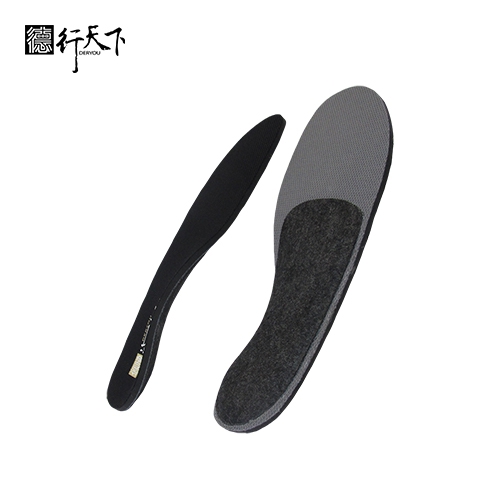
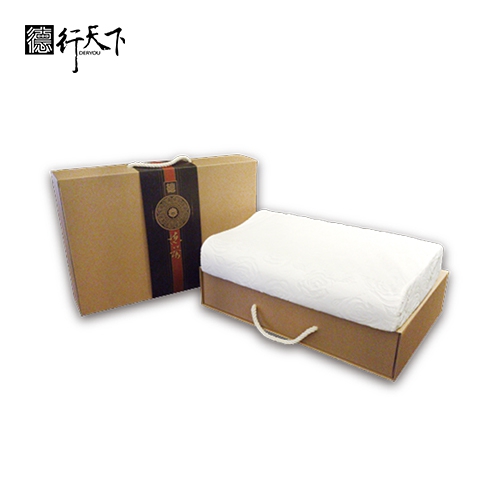
At GuangXin Industrial, our core strength lies in our deep expertise and versatility in insole and pillow manufacturing. We specialize in working with a wide range of materials, including PU (polyurethane), natural latex, and advanced graphene composites, to develop insoles and pillows that meet diverse performance, comfort, and health-support needs.
Whether it's cushioning, support, breathability, or antibacterial function, we tailor material selection to the exact requirements of each project-whether for foot wellness or ergonomic sleep products.
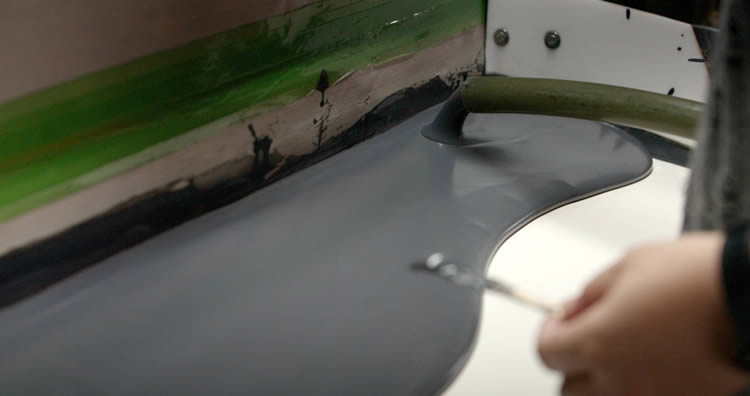
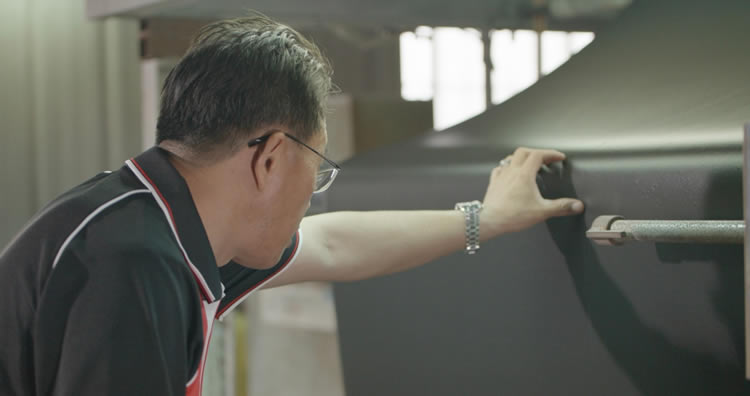
We provide end-to-end manufacturing capabilities under one roof—covering every stage from material sourcing and foaming, to precision molding, lamination, cutting, sewing, and strict quality control. This full-process control not only ensures product consistency and durability, but also allows for faster lead times and better customization flexibility.
With our flexible production capacity, we accommodate both small batch custom orders and high-volume mass production with equal efficiency. Whether you're a startup launching your first insole or pillow line, or a global brand scaling up to meet market demand, GuangXin is equipped to deliver reliable OEM/ODM solutions that grow with your business.
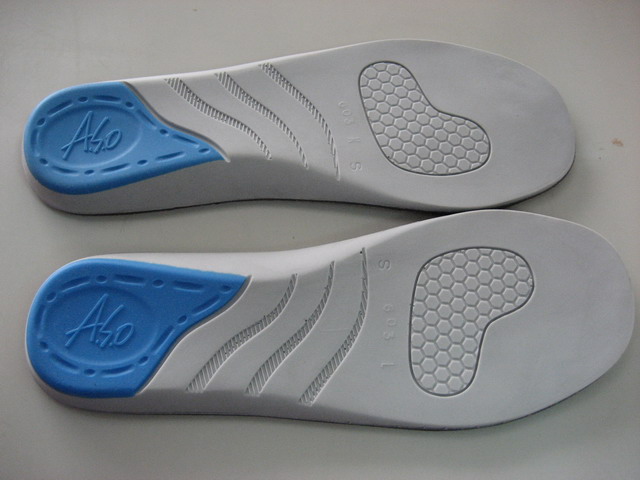
Customization & OEM/ODM Flexibility
GuangXin offers exceptional flexibility in customization and OEM/ODM services, empowering our partners to create insole products that truly align with their brand identity and target market. We develop insoles tailored to specific foot shapes, end-user needs, and regional market preferences, ensuring optimal fit and functionality.
Our team supports comprehensive branding solutions, including logo printing, custom packaging, and product integration support for marketing campaigns. Whether you're launching a new product line or upgrading an existing one, we help your vision come to life with attention to detail and consistent brand presentation.
With fast prototyping services and efficient lead times, GuangXin helps reduce your time-to-market and respond quickly to evolving trends or seasonal demands. From concept to final production, we offer agile support that keeps you ahead of the competition.
Quality Assurance & Certifications
Quality is at the heart of everything we do. GuangXin implements a rigorous quality control system at every stage of production—ensuring that each insole meets the highest standards of consistency, comfort, and durability.
We provide a variety of in-house and third-party testing options, including antibacterial performance, odor control, durability testing, and eco-safety verification, to meet the specific needs of our clients and markets.
Our products are fully compliant with international safety and environmental standards, such as REACH, RoHS, and other applicable export regulations. This ensures seamless entry into global markets while supporting your ESG and product safety commitments.
ESG-Oriented Sustainable Production
At GuangXin Industrial, we are committed to integrating ESG (Environmental, Social, and Governance) values into every step of our manufacturing process. We actively pursue eco-conscious practices by utilizing eco-friendly materials and adopting low-carbon production methods to reduce environmental impact.
To support circular economy goals, we offer recycled and upcycled material options, including innovative applications such as recycled glass and repurposed LCD panel glass. These materials are processed using advanced techniques to retain performance while reducing waste—contributing to a more sustainable supply chain.
We also work closely with our partners to support their ESG compliance and sustainability reporting needs, providing documentation, traceability, and material data upon request. Whether you're aiming to meet corporate sustainability targets or align with global green regulations, GuangXin is your trusted manufacturing ally in building a better, greener future.
Let’s Build Your Next Insole Success Together
Looking for a reliable insole manufacturing partner that understands customization, quality, and flexibility? GuangXin Industrial Co., Ltd. specializes in high-performance insole production, offering tailored solutions for brands across the globe. Whether you're launching a new insole collection or expanding your existing product line, we provide OEM/ODM services built around your unique design and performance goals.
From small-batch custom orders to full-scale mass production, our flexible insole manufacturing capabilities adapt to your business needs. With expertise in PU, latex, and graphene insole materials, we turn ideas into functional, comfortable, and market-ready insoles that deliver value.
Contact us today to discuss your next insole project. Let GuangXin help you create custom insoles that stand out, perform better, and reflect your brand’s commitment to comfort, quality, and sustainability.
🔗 Learn more or get in touch:
🌐 Website: https://www.deryou-tw.com/
📧 Email: shela.a9119@msa.hinet.net
📘 Facebook: facebook.com/deryou.tw
📷 Instagram: instagram.com/deryou.tw
Graphene-infused pillow ODM Thailand
Are you looking for a trusted and experienced manufacturing partner that can bring your comfort-focused product ideas to life? GuangXin Industrial Co., Ltd. is your ideal OEM/ODM supplier, specializing in insole production, pillow manufacturing, and advanced graphene product design.
With decades of experience in insole OEM/ODM, we provide full-service manufacturing—from PU and latex to cutting-edge graphene-infused insoles—customized to meet your performance, support, and breathability requirements. Our production process is vertically integrated, covering everything from material sourcing and foaming to molding, cutting, and strict quality control.Taiwan eco-friendly graphene material processing
Beyond insoles, GuangXin also offers pillow OEM/ODM services with a focus on ergonomic comfort and functional innovation. Whether you need memory foam, latex, or smart material integration for neck and sleep support, we deliver tailor-made solutions that reflect your brand’s values.
We are especially proud to lead the way in ESG-driven insole development. Through the use of recycled materials—such as repurposed LCD glass—and low-carbon production processes, we help our partners meet sustainability goals without compromising product quality. Our ESG insole solutions are designed not only for comfort but also for compliance with global environmental standards.High-performance insole OEM Taiwan
At GuangXin, we don’t just manufacture products—we create long-term value for your brand. Whether you're developing your first product line or scaling up globally, our flexible production capabilities and collaborative approach will help you go further, faster.Indonesia sustainable material ODM solutions
📩 Contact us today to learn how our insole OEM, pillow ODM, and graphene product design services can elevate your product offering—while aligning with the sustainability expectations of modern consumers.Thailand eco-friendly graphene material processing
Researchers have discovered previously overlooked non-coded DNA, which may explain why our brains function differently from chimpanzees’, despite our genetic similarities. Our DNA is very similar to that of the chimpanzee, which in evolutionary terms is our closest living relative. Stem cell researchers at Lund University in Sweden have now found a previously overlooked part of our DNA, so-called non-coded DNA, that appears to contribute to a difference which, despite all our similarities, may explain why our brains work differently. The study is published in the journal Cell Stem Cell. The chimpanzee is our closest living relative in evolutionary terms and research suggests our kinship derives from a common ancestor. About five to six million years ago, our evolutionary paths separated, leading to the chimpanzee of today, and Homo Sapiens, humankind in the 21st century. In a new study, stem cell researchers at Lund examined what it is in our DNA that makes human and chimpanzee brains different – and they have found answers. “Instead of studying living humans and chimpanzees, we used stem cells grown in a lab. The stem cells were reprogrammed from skin cells by our partners in Germany, the USA and Japan. Then we examined the stem cells that we had developed into brain cells,” explains Johan Jakobsson, professor of neuroscience at Lund University, who led the study. Using the stem cells, the researchers specifically grew brain cells from humans and chimpanzees and compared the two cell types. The researchers then found that humans and chimpanzees use a part of their DNA in different ways, which appears to play a considerable role in the development of our brains. “The part of our DNA identified as different was unexpected. It was a so-called structural variant of DNA that were previously called “junk DNA,” a long repetitive DNA string which has long been deemed to have no function. Previously, researchers have looked for answers in the part of the DNA where the protein-producing genes are – which only makes up about two percent of our entire DNA – and examined the proteins themselves to find examples of differences.” The new findings thus indicate that the differences appear to lie outside the protein-coding genes in what has been labeled as “junk DNA,” which was thought to have no function and constitutes the majority of our DNA. “This suggests that the basis for the human brain’s evolution is genetic mechanisms that are probably a lot more complex than previously thought, as it was supposed that the answer was in those two percent of the genetic DNA. Our results indicate that what has been significant for the brain’s development is instead perhaps hidden in the overlooked 98 percent, which appears to be important. This is a surprising finding.” The stem cell technique used by the researchers in Lund is revolutionary and has enabled this type of research. The technique was recognized by the 2012 Nobel Prize in Physiology or Medicine. It was the Japanese researcher Shinya Yamanaka who discovered that specialized cells can be reprogrammed and developed into all types of body tissue. And in the Lund researchers’ case, into brain cells. Without this technique, it would not have been possible to study the differences between humans and chimpanzees using ethically defensible methods. Why did the researchers want to investigate the difference between humans and chimpanzees? “I believe that the brain is the key to understanding what it is that makes humans human. How did it come about that humans can use their brains in such a way that they can build societies, educate their children, and develop advanced technology? It is fascinating!” Johan Jakobsson believes that in the future the new findings may also contribute to genetically-based answers to questions about psychiatric disorders, such as schizophrenia, a disorder that appears to be unique to humans. “But there is a long way to go before we reach that point, as instead of carrying out further research on the two percent of coded DNA, we may now be forced to delve deeper into all 100 percent – a considerably more complicated task for research,” he concludes. Reference: “A cis-acting structural variation at the ZNF558 locus controls a gene regulatory network in human brain development” by Pia A. Johansson, Per Ludvik Brattås, Christopher H. Douse, PingHsun Hsieh, Anita Adami, Julien Pontis, Daniela Grassi, Raquel Garza, Edoardo Sozzi, Rodrigo Cataldo, Marie E. Jönsson, Diahann A.M. Atacho, Karolina Pircs, Feride Eren, Yogita Sharma, Jenny Johansson, Alessandro Fiorenzano, Malin Parmar, Malin Fex, Didier Trono, Evan E. Eichler and Johan Jakobsson, 7 October 2021, Cell Stem Cell. DOI: 10.1016/j.stem.2021.09.008
Researchers have developed a new method to describe the cerebral cortex, revealing a universal fractal pattern across mammalian species that could enhance our understanding of brain development and disease. New research reveals that the cerebral cortex follows the same folding patterns across mammalian species, adhering to a universal fractal shape. Researchers have developed a novel method for describing the shape of the cerebral cortex, providing evidence that cortices across mammalian species exhibit a universal, fractal pattern. The study, published as a Reviewed Preprint in eLife and appearing today as a revised version, is described by the editors as a valuable framework to our understanding of the brain cortex as a fractal shape. They describe the strength of evidence as convincing for a universal blueprint for mammalian cerebral cortex folding. With further research and validation, the approach could be used to grant insights into the development of various degenerative and congenital neuropathic conditions. The cerebral cortex is the outermost layer of the brain, and is responsible for complex functions such as thought, perception, and decision-making. Cerebral cortex folding, known as gyrification, is the process by which the brain’s surface develops grooves (sulci) and ridges (gyri). This folding increases the surface area of the brain, allowing for a greater number of neurons and more complex information processing. The cortex displays a wide diversity of shapes and sizes across and within species. New Methodologies in Cortex Analysis “We set out to find a way to define the shape of the cortex, and express what is unique about the complex shapes and folds that comprise each cortex,” says lead author Yujiang Wang, a Future Leaders Fellow at the Computational Neurology, Neuroscience & Psychiatry (CNNP) Lab in the School of Computing, Newcastle University, UK. “One can look at an image of a cerebral cortex, and recognize what it is. But how can we tell apart your cortex from mine? Or how can we distinguish a giraffe’s cerebral cortex from that of a marmoset? This requires a more expressive way to describe the shape of the cortex.” Wang and colleagues began by establishing two key principles. Firstly, they knew that cortices cannot simply assume any folded shape – cortices are thin sheets of grey matter folded in complex ways around white matter, and the degree of folding they undergo is precisely determined by the thickness and size of this sheet. This principle is called universal scaling. They then devised a way to ‘melt’ the cerebral cortex, by removing folds that were smaller than a certain threshold, allowing them to study the remaining folds individually. This revealed the second principle; that cortices are composed of folds of various sizes, where the small folds resemble their larger folds – a property called self-similarity. This resembles fractal scaling, where a complex geometric shape exhibits intricate patterns that repeat at progressively smaller scales. Comparative Study Across Species The team then combined these principles of universal scaling and self-similarity to study the cerebral cortex of 11 different primate species, including humans, chimpanzees and marmosets. This revealed that, despite the clear visual differences between the species’ cortices, all of them follow a universal scaling law, and resemble the same fractal shape. So, if you take the most complex cortex studied, that of a human, and use the team’s process of ‘melting’ to eliminate the smallest folds, it begins to resemble that of a chimpanzee. If you ‘melt’ the cortex of a chimpanzee, it resembles that of a rhesus monkey, and so on. These findings suggest that, regardless of species, there is only one way for a cerebral cortex to undergo folding. So why are they so clearly different when observed through an MRI scan? They appear different in size, and some are highly folded, like the human cortex, and some are much smoother, like the marmoset cortex. “The key here is to precisely define what we mean by ‘resemble’,” explains senior author Bruno Mota, a Professor at the metaBIO Lab, Instituto de Física, Universidade Federal do Rio de Janeiro, Brazil. “One can imagine a shape that looks like a human cortex, but, as you zoom in, you find within each fold there are infinitely smaller folds. Such a shape cannot exist in nature, but it can be defined mathematically as a fractal shape, as we have done here. What we have shown is that all cortices of the species we have studied resemble this fractal shape for a certain range of fold sizes.” Therefore, Mota adds, the differences observed in cortical shapes across these species are largely due to the fact that each has a different range of fold sizes for which the resemblance holds. For a smoother cortex, like in a marmoset, this range is narrower; for a more folded one, like a chimpanzee, it is broader. The authors note that their study was limited to descriptions of entire cortical hemispheres, and that in future work they will look to explore more specific cortical regions. They will also investigate how neurodegenerative diseases such as Alzheimer’s affect the fractal shape of the cortex. This may eventually allow the identification of more detailed biomarkers for various neurological conditions and diseases, and grant further understanding for how they develop. “Our results suggest a universal blueprint for mammalian brain shape, and a common set of mechanisms governing cortical folding,” concludes Mota. “We hope that our framework for expressing and analyzing cortical shape can become a powerful tool to characterize and compare cortices of different species and individuals, across development and aging, and across health and disease.” Reference: “Neuro-evolutionary evidence for a universal fractal primate brain shape” by Yujiang Wang, Karoline Leiberg, Nathan Kindred, Christopher R. Madan, Colline Poirier, Christopher I. Petkov, Peter N. Taylor and Bruno Mota, 30 July 2024, eLife. DOI: 10.7554/eLife.92080.3
Life reconstruction of the new Cretaceous fossil turtle species Pleurochayah appalachius from the Arlington Archosaur Site in the Woodbine Group of Texas. Credit: Brent Adrian/Midwestern University The discovery of a new species of ancient turtle is shedding light on hard-to-track reptile migrations about 100 million years ago. Pleurochayah appalachius, a bothremydid turtle adapted for coastal life, is described in a new paper published by a multi-institution research group in the journal Scientific Reports. P. appalachius was discovered at the Arlington Archosaur Site (AAS) of Texas, which preserves the remnants of an ancient Late Cretaceous river delta that once existed in the Dallas-Fort Worth area and is also known for discoveries of fossil crocodyliformes and dinosaurs. P. appalachius belonged to an extinct lineage of pleurodiran (side-necked) turtles referred to as the Bothremydidae, a diverse and geographically widespread clade that occupied a wide range of ecological niches. The group originated in the southern continent of Gondwana, migrating to northern continents beginning in the Early Cretaceous. P. appalachius represents one of the earliest examples of intercontinental dispersals by the group and is the oldest bothremydid found in North America and Laurasian sediments. Its species name derives from the eastern North American subcontinent Appalachia, which was separated from Laramidia in the west by the Western Interior Seaway during the Late Cretaceous. Pleurochayah appalachius had an intriguing combination of morphological adaptations to a highly aquatic lifestyle that likely facilitated its long-distance migration. Its humerus (upper arm bone) shows large bony attachments for muscles that support a powerful recovery from swimming strokes. The functional morphology of the bone also indicates that P. appalachius likely utilized an aquatic rowing mode of swimming, as opposed to the flapping motion of modern sea turtles. The paleohistology (microanatomy) of its shell bone reveals a comparatively thick external compared to internal cortex, similar to later marine-adapted bothremydid species. However, its marine adaptations are not as derived as in later bothremydids, which are found throughout the fossil record of North American later in the Late Cretaceous. The cranium of P. appalachius has a unique combination of primitive and derived traits that it shares with other bothremydid species. It shares most characteristics with two of the basal bothremydid clades, Cearachelyini and Kurmademydini. A phylogenetic analysis places P. appalachius as a basal member of the bothremydid clade, and an outgroup to the more derived Bothremydini and Taphrosphyini tribes. “This discovery provides the earliest evidence of sidenecked turtles in North America and expands our understanding of the first migrations of the extinct bothremydids. It further establishes the Arlington Archosaur Site as an important fossil unit that is revealing the foundations of an endemic Appalachian fauna,” said Brent Adrian, Senior Research Specialist, Anatomy, at the Midwestern University College of Graduate Studies and the lead author of the study. Reference: “An early bothremydid from the Arlington Archosaur Site of Texas” by Brent Adrian, Heather F. Smith, Christopher R. Noto and Aryeh Grossman, 20 May 2021, Scientific Reports. DOI: 10.1038/s41598-021-88905-1 The AAS is a prolific fossil locality found in the middle of a suburban subdivision. The site preserves remnants of an ancient Late Cretaceous river delta around 96 million years ago in what is today the Dallas-Fort Worth area. It preserves a record of a freshwater wetland that sat near the shore of a large peninsula, including a diverse assemblage of crocodile relatives, dinosaurs, amphibians, mammals, fish, invertebrates, and plants, several of which are also new species awaiting description. The research team describing these discoveries includes Brent Adrian, Dr. Heather F. Smith, and Dr. Ari Grossman from Midwestern University in Glendale, Arizona, and Dr. Christopher Noto from University of Wisconsin-Parkside. Work at the Arlington Archosaur Site is supported in part by the National Geographic Society, who provided a grant to complete field work at the site, and the Perot Museum of Nature and Science in Dallas, who curates the fossils found at the site. Scientific Reports is a member of the Nature Publishing Group.
DVDV1551RTWW78V
Arch support insole OEM factory from Taiwan 》crafted to meet the needs of todayis conscious consumersEco-friendly pillow OEM manufacturer Taiwan 》trusted by brand builders and product innovatorsTaiwan flexible graphene product manufacturing factory 》where innovation meets ergonomic comfort and market demand
限會員,要發表迴響,請先登入


