Introduction – Company Background
GuangXin Industrial Co., Ltd. is a specialized manufacturer dedicated to the development and production of high-quality insoles.
With a strong foundation in material science and footwear ergonomics, we serve as a trusted partner for global brands seeking reliable insole solutions that combine comfort, functionality, and design.
With years of experience in insole production and OEM/ODM services, GuangXin has successfully supported a wide range of clients across various industries—including sportswear, health & wellness, orthopedic care, and daily footwear.
From initial prototyping to mass production, we provide comprehensive support tailored to each client’s market and application needs.
At GuangXin, we are committed to quality, innovation, and sustainable development. Every insole we produce reflects our dedication to precision craftsmanship, forward-thinking design, and ESG-driven practices.
By integrating eco-friendly materials, clean production processes, and responsible sourcing, we help our partners meet both market demand and environmental goals.
Core Strengths in Insole Manufacturing
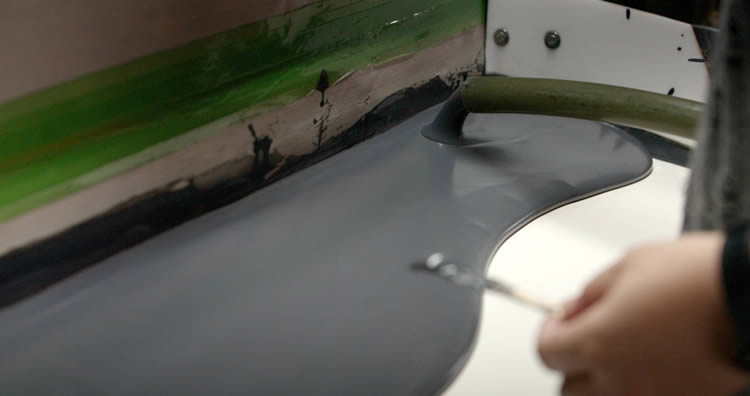
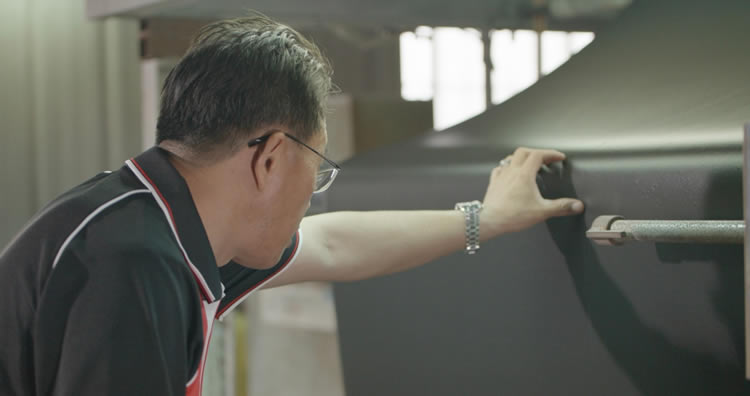
At GuangXin Industrial, our core strength lies in our deep expertise and versatility in insole and pillow manufacturing. We specialize in working with a wide range of materials, including PU (polyurethane), natural latex, and advanced graphene composites, to develop insoles and pillows that meet diverse performance, comfort, and health-support needs.
Whether it's cushioning, support, breathability, or antibacterial function, we tailor material selection to the exact requirements of each project-whether for foot wellness or ergonomic sleep products.
We provide end-to-end manufacturing capabilities under one roof—covering every stage from material sourcing and foaming, to precision molding, lamination, cutting, sewing, and strict quality control. This full-process control not only ensures product consistency and durability, but also allows for faster lead times and better customization flexibility.
With our flexible production capacity, we accommodate both small batch custom orders and high-volume mass production with equal efficiency. Whether you're a startup launching your first insole or pillow line, or a global brand scaling up to meet market demand, GuangXin is equipped to deliver reliable OEM/ODM solutions that grow with your business.

Customization & OEM/ODM Flexibility
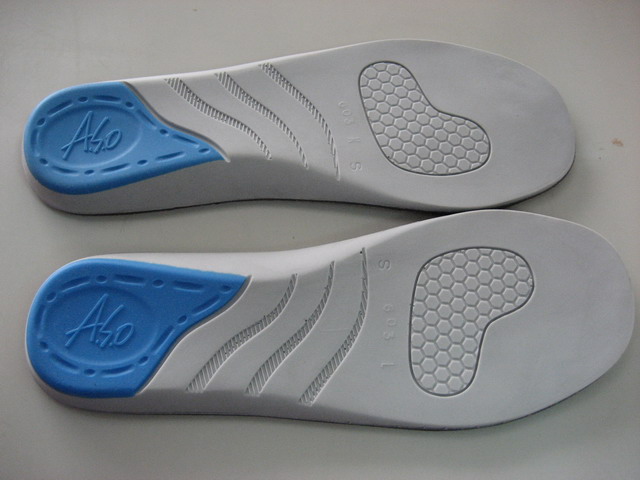
GuangXin offers exceptional flexibility in customization and OEM/ODM services, empowering our partners to create insole products that truly align with their brand identity and target market. We develop insoles tailored to specific foot shapes, end-user needs, and regional market preferences, ensuring optimal fit and functionality.
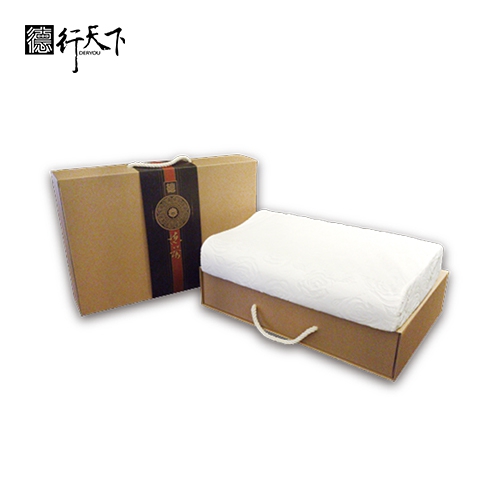
Our team supports comprehensive branding solutions, including logo printing, custom packaging, and product integration support for marketing campaigns. Whether you're launching a new product line or upgrading an existing one, we help your vision come to life with attention to detail and consistent brand presentation.
With fast prototyping services and efficient lead times, GuangXin helps reduce your time-to-market and respond quickly to evolving trends or seasonal demands. From concept to final production, we offer agile support that keeps you ahead of the competition.
Quality Assurance & Certifications
Quality is at the heart of everything we do. GuangXin implements a rigorous quality control system at every stage of production—ensuring that each insole meets the highest standards of consistency, comfort, and durability.
We provide a variety of in-house and third-party testing options, including antibacterial performance, odor control, durability testing, and eco-safety verification, to meet the specific needs of our clients and markets.
Our products are fully compliant with international safety and environmental standards, such as REACH, RoHS, and other applicable export regulations. This ensures seamless entry into global markets while supporting your ESG and product safety commitments.
ESG-Oriented Sustainable Production
At GuangXin Industrial, we are committed to integrating ESG (Environmental, Social, and Governance) values into every step of our manufacturing process. We actively pursue eco-conscious practices by utilizing eco-friendly materials and adopting low-carbon production methods to reduce environmental impact.
To support circular economy goals, we offer recycled and upcycled material options, including innovative applications such as recycled glass and repurposed LCD panel glass. These materials are processed using advanced techniques to retain performance while reducing waste—contributing to a more sustainable supply chain.
We also work closely with our partners to support their ESG compliance and sustainability reporting needs, providing documentation, traceability, and material data upon request. Whether you're aiming to meet corporate sustainability targets or align with global green regulations, GuangXin is your trusted manufacturing ally in building a better, greener future.
Let’s Build Your Next Insole Success Together
Looking for a reliable insole manufacturing partner that understands customization, quality, and flexibility? GuangXin Industrial Co., Ltd. specializes in high-performance insole production, offering tailored solutions for brands across the globe. Whether you're launching a new insole collection or expanding your existing product line, we provide OEM/ODM services built around your unique design and performance goals.
From small-batch custom orders to full-scale mass production, our flexible insole manufacturing capabilities adapt to your business needs. With expertise in PU, latex, and graphene insole materials, we turn ideas into functional, comfortable, and market-ready insoles that deliver value.
Contact us today to discuss your next insole project. Let GuangXin help you create custom insoles that stand out, perform better, and reflect your brand’s commitment to comfort, quality, and sustainability.
🔗 Learn more or get in touch:
🌐 Website: https://www.deryou-tw.com/
📧 Email: shela.a9119@msa.hinet.net
📘 Facebook: facebook.com/deryou.tw
📷 Instagram: instagram.com/deryou.tw
Vietnam ergonomic pillow OEM supplier
Are you looking for a trusted and experienced manufacturing partner that can bring your comfort-focused product ideas to life? GuangXin Industrial Co., Ltd. is your ideal OEM/ODM supplier, specializing in insole production, pillow manufacturing, and advanced graphene product design.
With decades of experience in insole OEM/ODM, we provide full-service manufacturing—from PU and latex to cutting-edge graphene-infused insoles—customized to meet your performance, support, and breathability requirements. Our production process is vertically integrated, covering everything from material sourcing and foaming to molding, cutting, and strict quality control.Indonesia OEM/ODM hybrid insole services
Beyond insoles, GuangXin also offers pillow OEM/ODM services with a focus on ergonomic comfort and functional innovation. Whether you need memory foam, latex, or smart material integration for neck and sleep support, we deliver tailor-made solutions that reflect your brand’s values.
We are especially proud to lead the way in ESG-driven insole development. Through the use of recycled materials—such as repurposed LCD glass—and low-carbon production processes, we help our partners meet sustainability goals without compromising product quality. Our ESG insole solutions are designed not only for comfort but also for compliance with global environmental standards.Indonesia anti-odor insole OEM service
At GuangXin, we don’t just manufacture products—we create long-term value for your brand. Whether you're developing your first product line or scaling up globally, our flexible production capabilities and collaborative approach will help you go further, faster.Taiwan anti-bacterial pillow ODM production factory
📩 Contact us today to learn how our insole OEM, pillow ODM, and graphene product design services can elevate your product offering—while aligning with the sustainability expectations of modern consumers.Taiwan anti-bacterial pillow ODM design
Neuroimaging has revealed correlations between brain anatomy or function and illness, suggesting new diagnostic and treatment methods, but the small sample sizes hinder reliability. Findings will encourage more data sharing, collaboration among researchers. As brain scans have become more detailed and informative in recent decades, neuroimaging has seemed to promise a way for doctors and scientists to “see” what’s going wrong inside the brains of people with mental illnesses or neurological conditions. Such imaging has revealed correlations between brain anatomy or function and illness, suggesting potential new ways to diagnose and treat psychiatric, psychological, and neurological conditions. But the promise has yet to turn into reality, and a new study explains why: The results of most studies are unreliable because they involved too few participants. Scientists rely on brainwide association studies to measure brain structure and function — using MRI brain scans — and link them to complex characteristics such as personality, behavior, cognition, neurological conditions, and mental illness. But a study by researchers at Washington University School of Medicine in St. Louis and the University of Minnesota, published on March 16, 2022, in Nature, shows that most published brainwide association studies are performed with too few participants to yield reliable findings. Using publicly available data sets – involving a total of nearly 50,000 participants – the researchers analyzed a range of sample sizes and found that brainwide association studies need thousands of individuals to achieve higher reproducibility. Typical brainwide association studies enroll just a couple dozen people. Scientists rely on brainwide association studies to measure brain structure and function — using brain scans — and link them to mental illness and other complex behaviors. But a study by researchers at Washington University School of Medicine in St. Louis and the University of Minnesota, published March 16 in Nature, shows that most published brainwide association studies are performed with too few participants to yield reliable findings. Credit: Alex Berdis Unreliable Results from Underpowered Studies Such so-called underpowered studies are susceptible to uncovering strong but spurious associations by chance while missing real but weaker associations. Routinely underpowered brainwide association studies result in a glut of astonishingly strong yet irreproducible findings that slow progress toward understanding how the brain works, the researchers said. “Our findings reflect a systemic, structural problem with studies that are designed to find correlations between two complex things, such as the brain and behavior,” said senior author Nico Dosenbach, MD, PhD, an associate professor of neurology at Washington University. “It’s not a problem with any individual researcher or study. It’s not even unique to neuroimaging. The field of genomics discovered a similar problem about a decade ago with genomic data and took steps to address it. The NIH (National Institutes of Health) began funding larger data-collection efforts and mandating that data must be shared publicly, which reduces bias and as a result, genome science has gotten much better. Sometimes you just have to change the research paradigm. Genomics has shown us the way.” First author Scott Marek, PhD, an instructor in psychiatry at Washington University, and co-first author Brenden Tervo-Clemmens, PhD, a postdoctoral researcher at Massachusetts General Hospital/Harvard Medical School, realized something was wrong with how brainwide association studies typically are conducted when they could not replicate the results of their own study. “We were interested in finding out how cognitive ability is represented in the brain,” Marek said. “We ran our analysis on a sample of 1,000 kids and found a significant correlation and were like, ‘Great!’ But then we thought, ‘Can we reproduce this in another thousand kids?’ And it turned out we couldn’t. It just blew me away because a sample of a thousand should have been plenty big enough. We were scratching our heads, wondering what was going on.” To identify problems with brain-wide association studies, the research team — including Dosenbach, Marek, Tervo-Clemmens, co-senior author Damien A. Fair, PhD, director of the Masonic Institute for the Developing Brain at the University of Minnesota, and others — began by accessing the three largest neuroimaging datasets: the Adolescent Brain Cognitive Development Study (11,874 participants), the Human Connectome Project (1,200 participants) and the UK Biobank (35,375 participants). Then, they analyzed the datasets for correlations between brain features and a range of demographic, cognitive, mental health and behavioral measures, using subsets of various sizes. Using separate subsets, they attempted to replicate any identified correlations. In total, they ran billions of analyses, supported by the powerful computing resources of Fair’s Masonic Institute of the Developing Brain. The Impact of Sample Size on Reproducibility The researchers found that brain-behavior correlations identified using a sample size of 25 — the median sample size in published papers — usually failed to replicate in a separate sample. As the sample size grew into the thousands, correlations became more likely to be reproduced. Further, the estimated strength of the correlation, a measure known as the effect size, tended to be largest for the smallest samples. Effect sizes are scaled from 0 to 1, with 0 being no correlation and 1 being perfect correlation. An effect size of 0.2 is considered quite strong. As sample sizes increased and correlations became more reproducible, the effect sizes decreased. The median reproducible effect size was .01. Yet published papers on brain-wide association studies routinely report effect sizes of 0.2 or more. In retrospect, it should have been obvious that the reported effect sizes were too high, Marek said. “You can find effect sizes of 0.8 in the literature, but nothing in nature has an effect size of 0.8,” Marek said. “The correlation between height and weight is 0.4. The correlation between altitude and daily temperature is 0.3. Those are strong, obvious, easily measured correlations, and they’re nowhere near 0.8. So why did we ever think that the correlation between two very complex things, like brain function and depression, would be 0.8? That doesn’t pass the sniff test.” Neuroimaging studies are expensive and time-consuming. An hour on an MRI machine can cost $1,000. No individual investigator has the time or money to scan thousands of participants for each study. But if all of the data from multiple small studies were pooled and analyzed together, including statistically insignificant results and minuscule effect sizes, the result probably would approximate the correct answer, Dosenbach said. “The future of the field is now bright and rests in open science, data sharing, and resource sharing across institutions in order to make large datasets available to any scientist who wants to use them,” Fair said. “This very paper is an amazing example of that.” Dosenbach, also an associate professor of biomedical engineering, of occupational therapy, of pediatrics and of radiology, added: “There’s a lot of promise to this kind of work in terms of finding solutions for mental illnesses and just understanding how the mind works. The great news is that we’ve identified a main reason why brain imaging has yet to deliver on its promise to revolutionize mental health care. The work represents a major turning point for linking brain activity and behavior, by clearly defining not just the prior roadblocks, but also the promising new paths forward.” Reference: “Reproducible brain-wide association studies require thousands of individuals” by Scott Marek, Brenden Tervo-Clemmens, Finnegan J. Calabro, David F. Montez, Benjamin P. Kay, Alexander S. Hatoum, Meghan Rose Donohue, William Foran, Ryland L. Miller, Timothy J. Hendrickson, Stephen M. Malone, Sridhar Kandala, Eric Feczko, Oscar Miranda-Dominguez, Alice M. Graham, Eric A. Earl, Anders J. Perrone, Michaela Cordova, Olivia Doyle, Lucille A. Moore, Gregory M. Conan, Johnny Uriarte, Kathy Snider, Benjamin J. Lynch, James C. Wilgenbusch, Thomas Pengo, Angela Tam, Jianzhong Chen, Dillan J. Newbold, Annie Zheng, Nicole A. Seider, Andrew N. Van, Athanasia Metoki, Roselyne J. Chauvin, Timothy O. Laumann, Deanna J. Greene, Steven E. Petersen, Hugh Garavan, Wesley K. Thompson, Thomas E. Nichols, B. T. Thomas Yeo, Deanna M. Barch, Beatriz Luna, Damien A. Fair and Nico U. F. Dosenbach, 16 March 2022, Nature. DOI: 10.1038/s41586-022-04492-9
Lionfish, like the one seen here in Belize, can be devastating for the local ecosystems they invade. Credit: Luiz Rocha © California Academy of Sciences Researchers say management of the predatory fish is critical to protecting Brazil’s coral reefs and marine biodiversity. Since arriving to the northern Atlantic Ocean less than 30 years ago, lionfish have quickly become one of the most widespread and voracious invasive species, negatively impacting marine ecosystems — particularly coral reefs — from the northeast coast of the United States to the Caribbean Islands. In a new study, an international research team including the California Academy of Sciences presents four new records of lionfish off the coast of Brazil, confirming the invasion of the predatory fish into the South Atlantic for the first time. Their findings, published today (June 3, 2021) in Biological Invasions, discuss how the lionfish may have arrived in the region, and hold important insights on how Brazil’s diving and fishing communities can help manage the invasion before it potentially devastates local ecosystems. “For a while, it was uncertain whether or not lionfish would extend into the South Atlantic,” says Academy Curator of Ichthyology and study co-author Luiz Rocha. “Now that we know they are here, it is imperative that we uncover how they arrived and work with local communities to keep the population under control. If left unchecked, lionfish could have a huge impact on local species, particularly those that exist solely in the reefs surrounding Brazil’s oceanic islands.” Sporting maroon stripes and more than a dozen venomous spines, lionfish have long been a staple in the hobbyist aquarium trade. Like other popular aquarium fish, however, they are sometimes irresponsibly released into the wild. Indeed, it is likely that the invasion of lionfish in the Atlantic Ocean began that way. One of the first documented lionfish specimens off the coast of Brazil. Credit: © Clara Buck Once they enter new waters, lionfish can quickly disrupt local ecosystems and disperse to other locations. Due to their broad diet, lack of natural predators, unique hunting style, and year-round reproduction of buoyant eggs that can travel long distances on ocean currents, lionfish have expanded faster than any other invasive marine species. Despite those traits, lionfish have been noticeably absent in the South Atlantic — a phenomenon that the researchers attribute to the northerly flowing currents at the oceanic boundary between Brazilian and Caribbean waters. But in 2015, a local diver photographed a lionfish swimming off the southern coast of Brazil and alerted the researchers, who 11 months later found and collected the specimen confirming the species’ expansion into Brazil. After that initial discovery, the researchers — with help from local fishermen and divers — were able to track down three additional lionfish in Brazil’s waters: two from deep coral reefs known as mesophotic reefs and one from reefs surrounding the Fernando de Noronha Archipelago around 200 miles off the country’s northeastern coast. Though all of the incidents are troubling, the researchers say that the Fernando de Noronha record is of particular concern. “The arrival of lionfish to Brazil’s oceanic islands is especially worrying,” says marine biologist and study co-author Clara Buck. “These unique ecosystems have a high number of endemic species found nowhere else on Earth making them much more sensitive to adverse impacts.” Researchers and local divers capture one of the first invasive lionfish found off the coast of Brazil. Credit: © Paradise Divers Fernando de Noronha To curb the invasion before it accelerates, it is crucial to know how the lionfish are arriving in the region in the first place. In their study, the researchers propose that the lionfish found in the mesophotic reefs may have arrived in a stepping-stone fashion, utilizing deeper reefs under the Amazon plume to slowly push southwards from the Caribbean. In contrast, they suggest that the individual found at Fernando de Noronha arrived by more conventional means, traveling along the currents between the islands and the Caribbean as a larva. Since the archipelago is distant from the mainland, lionfish larvae can subvert the oceanic boundary that exists closer to the coastline. Finally, while the lionfish off the southern coast was too far away from the Caribbean to have arrived there by dispersal or mesophotic reef hopping, the researchers were able to confirm through a DNA analysis that it originated from the Caribbean population, suggesting it may have been removed from the Caribbean and introduced to Brazilian waters through the aquarium trade. Regardless of how they arrived, now that the lionfish are there the researchers urge the Brazilian government and local communities to stem the invasion. While efforts elsewhere in the Atlantic have shown that full eradication of the lionfish is unlikely, the researchers say that keeping population numbers low could buy precious time for local species to adapt to the voracious fish and ultimately avoid predation. From spearing the lionfish they come across to alerting researchers of emerging populations, local fishermen and divers — like those who assisted with this study — will play a critical role in managing the invasion, and protecting the coral reefs and local species that sustain their livelihoods. Despite the challenges they face, Rocha is optimistic they can succeed. “Brazil, and Fernando de Noronha in particular, have robust local diving and fishing communities,” he says. “If we put the right tools in their hands, it is absolutely possible to keep the invasion under control.” Reference: “Multiple lionfish (Pterois spp.) new occurrences along the Brazilian coast confirm the invasion pathway into the Southwestern Atlantic” by Osmar J. Luiz, Wagner C. R. dos Santos, Alexandre P. Marceniuk, Luiz A. Rocha, Sergio R. Floeter, Clara E. Buck, Alex G. C. M. de Klautau and Carlos E. L. Ferreira, 3 June 2021, Biological Invasions. DOI: 10.1007/s10530-021-02575-8
The image shows fear memory neurons (red) among all prefrontal cortex neurons (blue). Credit: Cho lab, UC Riverside A study conducted by UC Riverside researchers on mice may pave the way for new innovative treatments for individuals with PTSD. A mouse study from the University of California, Riverside, published in Nature Neuroscience, has uncovered the basic mechanisms that drive the brain to consolidate remote fear memories of traumatic events from the past, ranging from a few months to decades ago. The study shows that remote fear memories from the distant past are permanently stored in the connections between memory neurons in the prefrontal cortex (PFC). “It is the prefrontal memory circuits that are progressively strengthened after traumatic events and this strengthening plays a critical role in how fear memories mature to stabilized forms in the cerebral cortex for permanent storage,” said Jun-Hyeong Cho, an associate professor of molecular, cell and systems biology, who led the study. “Using a similar mechanism, other non-fear remote memories could also be permanently stored in the PFC.” Transition from Hippocampus to Prefrontal Cortex The brain uses distinct mechanisms to store recent versus remote fear memories. Previous studies have suggested that while the initial formation of fear memory involves the hippocampus, it progressively matures with time and becomes less dependent on the hippocampus. Much research now explains how recent fear memory is stored, but how the brain consolidates remote fear memories is not well understood. The researchers focused on the PFC, a part of the cerebral cortex that has been implicated in remote memory consolidation in previous studies. “We found a small group of nerve cells or neurons within the PFC, termed memory neurons, were active during the initial traumatic event and were reactivated during the recall of remote fear memory,” Cho said. “When we selectively inhibited these memory neurons in the PFC, it prevented the mice recalling remote but not recent fear memory, suggesting the critical role of PFC memory neurons in the recall of remote fear memories.” In the experiments, the mice received an aversive stimulus in an environment called a context. They learned to associate the aversive stimulus with the context. When exposed to the same context a month later, the mice froze in response, indicating they could recall remote fear memories. The researchers showed that connections (synapses) between memory neurons in the PFC, termed prefrontal memory circuits, were gradually strengthened with time after fear learning, and such strengthening helped the PFC permanently store remote fear memories. Extinction of Fear and Prefrontal Memory Circuits Next, to extinguish the remote fear memory in the mice, the researchers repeatedly exposed the mice to the same fear-predictive context but without the aversive stimulus. The result was a reduced fear response to the context. “Interestingly, the extinction of remote fear memory weakened the prefrontal memory circuits that were previously strengthened to store the remote fear memory,” Cho said. “Moreover, other manipulations that blocked the strengthening of the PFC memory circuits also prevented the recall of remote fear memory.” Cho explained that a dysregulation of fear memory consolidation can lead to chronic maladaptive fear in PTSD, which affects about 6% of the population at some point in their lives. “Considering that PTSD patients suffer from fear memories formed in the distant past, our study provides an important insight into developing therapeutic strategies to suppress chronic fear in PTSD patients,” he said. Next, Cho’s team plans to selectively weaken the prefrontal memory circuits and examine whether this manipulation suppresses the recall of remote fear memories. “We expect the results will contribute to developing a more effective intervention in PTSD and other fear-related disorders,” Cho said. Reference: “Neocortical synaptic engrams for remote contextual memories” by Ji-Hye Lee, Woong Bin Kim, Eui Ho Park, and Jun-Hyeong Cho, 23 December 2022, Nature Neuroscience. DOI: 10.1038/s41593-022-01223-1 The study was funded by the National Institutes of Mental Health.
DVDV1551RTWW78V
China OEM insole and pillow supplier 》experience you can count on, quality you can trustPillow ODM design company in Taiwan 》ready to support your next launch with full-process expertiseArch support insole OEM factory from Taiwan 》supporting your ESG goals through sustainable production
下一則: Latex pillow OEM production in Thailand 》craftsman
限會員,要發表迴響,請先登入


