Introduction – Company Background
GuangXin Industrial Co., Ltd. is a specialized manufacturer dedicated to the development and production of high-quality insoles.
With a strong foundation in material science and footwear ergonomics, we serve as a trusted partner for global brands seeking reliable insole solutions that combine comfort, functionality, and design.
With years of experience in insole production and OEM/ODM services, GuangXin has successfully supported a wide range of clients across various industries—including sportswear, health & wellness, orthopedic care, and daily footwear.
From initial prototyping to mass production, we provide comprehensive support tailored to each client’s market and application needs.
At GuangXin, we are committed to quality, innovation, and sustainable development. Every insole we produce reflects our dedication to precision craftsmanship, forward-thinking design, and ESG-driven practices.
By integrating eco-friendly materials, clean production processes, and responsible sourcing, we help our partners meet both market demand and environmental goals.
Core Strengths in Insole Manufacturing
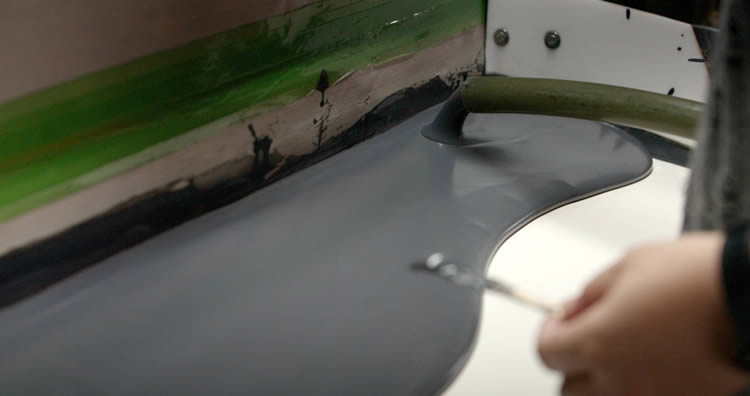
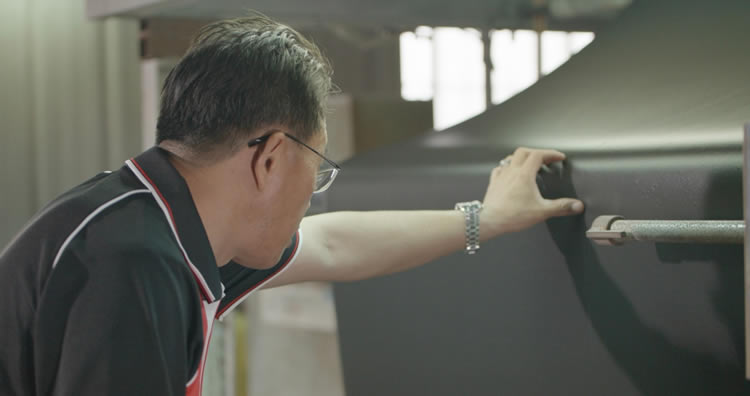
At GuangXin Industrial, our core strength lies in our deep expertise and versatility in insole and pillow manufacturing. We specialize in working with a wide range of materials, including PU (polyurethane), natural latex, and advanced graphene composites, to develop insoles and pillows that meet diverse performance, comfort, and health-support needs.
Whether it's cushioning, support, breathability, or antibacterial function, we tailor material selection to the exact requirements of each project-whether for foot wellness or ergonomic sleep products.
We provide end-to-end manufacturing capabilities under one roof—covering every stage from material sourcing and foaming, to precision molding, lamination, cutting, sewing, and strict quality control. This full-process control not only ensures product consistency and durability, but also allows for faster lead times and better customization flexibility.
With our flexible production capacity, we accommodate both small batch custom orders and high-volume mass production with equal efficiency. Whether you're a startup launching your first insole or pillow line, or a global brand scaling up to meet market demand, GuangXin is equipped to deliver reliable OEM/ODM solutions that grow with your business.
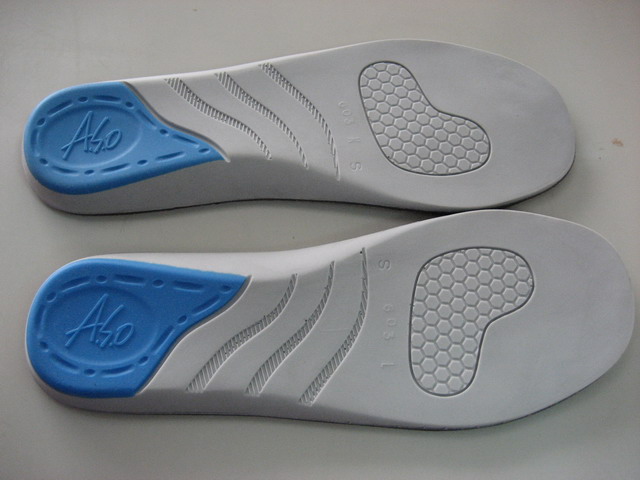
Customization & OEM/ODM Flexibility
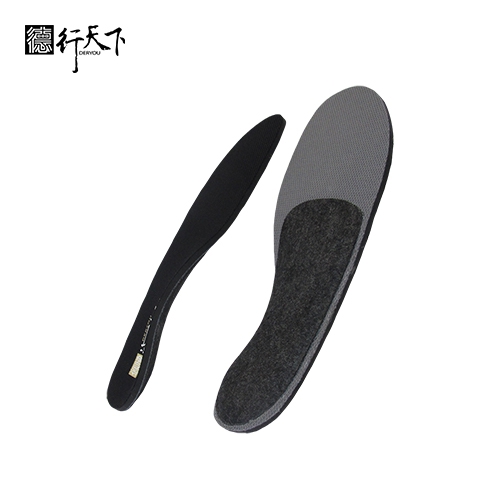
GuangXin offers exceptional flexibility in customization and OEM/ODM services, empowering our partners to create insole products that truly align with their brand identity and target market. We develop insoles tailored to specific foot shapes, end-user needs, and regional market preferences, ensuring optimal fit and functionality.
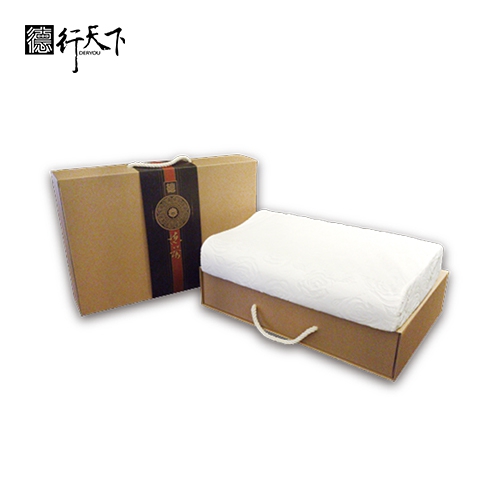
Our team supports comprehensive branding solutions, including logo printing, custom packaging, and product integration support for marketing campaigns. Whether you're launching a new product line or upgrading an existing one, we help your vision come to life with attention to detail and consistent brand presentation.
With fast prototyping services and efficient lead times, GuangXin helps reduce your time-to-market and respond quickly to evolving trends or seasonal demands. From concept to final production, we offer agile support that keeps you ahead of the competition.
Quality Assurance & Certifications
Quality is at the heart of everything we do. GuangXin implements a rigorous quality control system at every stage of production—ensuring that each insole meets the highest standards of consistency, comfort, and durability.
We provide a variety of in-house and third-party testing options, including antibacterial performance, odor control, durability testing, and eco-safety verification, to meet the specific needs of our clients and markets.
Our products are fully compliant with international safety and environmental standards, such as REACH, RoHS, and other applicable export regulations. This ensures seamless entry into global markets while supporting your ESG and product safety commitments.
ESG-Oriented Sustainable Production
At GuangXin Industrial, we are committed to integrating ESG (Environmental, Social, and Governance) values into every step of our manufacturing process. We actively pursue eco-conscious practices by utilizing eco-friendly materials and adopting low-carbon production methods to reduce environmental impact.
To support circular economy goals, we offer recycled and upcycled material options, including innovative applications such as recycled glass and repurposed LCD panel glass. These materials are processed using advanced techniques to retain performance while reducing waste—contributing to a more sustainable supply chain.
We also work closely with our partners to support their ESG compliance and sustainability reporting needs, providing documentation, traceability, and material data upon request. Whether you're aiming to meet corporate sustainability targets or align with global green regulations, GuangXin is your trusted manufacturing ally in building a better, greener future.
Let’s Build Your Next Insole Success Together
Looking for a reliable insole manufacturing partner that understands customization, quality, and flexibility? GuangXin Industrial Co., Ltd. specializes in high-performance insole production, offering tailored solutions for brands across the globe. Whether you're launching a new insole collection or expanding your existing product line, we provide OEM/ODM services built around your unique design and performance goals.
From small-batch custom orders to full-scale mass production, our flexible insole manufacturing capabilities adapt to your business needs. With expertise in PU, latex, and graphene insole materials, we turn ideas into functional, comfortable, and market-ready insoles that deliver value.
Contact us today to discuss your next insole project. Let GuangXin help you create custom insoles that stand out, perform better, and reflect your brand’s commitment to comfort, quality, and sustainability.
🔗 Learn more or get in touch:
🌐 Website: https://www.deryou-tw.com/
📧 Email: shela.a9119@msa.hinet.net
📘 Facebook: facebook.com/deryou.tw
📷 Instagram: instagram.com/deryou.tw
Indonesia custom insole OEM supplier
Are you looking for a trusted and experienced manufacturing partner that can bring your comfort-focused product ideas to life? GuangXin Industrial Co., Ltd. is your ideal OEM/ODM supplier, specializing in insole production, pillow manufacturing, and advanced graphene product design.
With decades of experience in insole OEM/ODM, we provide full-service manufacturing—from PU and latex to cutting-edge graphene-infused insoles—customized to meet your performance, support, and breathability requirements. Our production process is vertically integrated, covering everything from material sourcing and foaming to molding, cutting, and strict quality control.Insole ODM production factory in Taiwan
Beyond insoles, GuangXin also offers pillow OEM/ODM services with a focus on ergonomic comfort and functional innovation. Whether you need memory foam, latex, or smart material integration for neck and sleep support, we deliver tailor-made solutions that reflect your brand’s values.
We are especially proud to lead the way in ESG-driven insole development. Through the use of recycled materials—such as repurposed LCD glass—and low-carbon production processes, we help our partners meet sustainability goals without compromising product quality. Our ESG insole solutions are designed not only for comfort but also for compliance with global environmental standards.Custom foam pillow OEM in Vietnam
At GuangXin, we don’t just manufacture products—we create long-term value for your brand. Whether you're developing your first product line or scaling up globally, our flexible production capabilities and collaborative approach will help you go further, faster.Indonesia ODM expert for comfort products
📩 Contact us today to learn how our insole OEM, pillow ODM, and graphene product design services can elevate your product offering—while aligning with the sustainability expectations of modern consumers.Custom foam pillow OEM in Indonesia
mRNA Vaccine for COVID-19 Dr. Katalin Karikó is the recipient of the 2022 Vilcek Prize for Excellence in Biotechnology recognizing her scientific contributions that directly led to the development of the mRNA vaccines to combat COVID-19. The Vilcek Prize for Excellence is awarded to immigrants to the United States who have had a significant impact on both American society and world culture, and to individuals who are dedicated champions of immigrant causes. The award was introduced in 2019 as part of the Vilcek Foundation Prizes program to honor outstanding individuals whose work exemplifies the Vilcek Foundation’s mission. Born in Szolnok, Hungary, Karikó moved to the United States in 1985 to pursue postdoctoral studies at Temple University in Philadelphia. She is the senior vice president at BioNTech RNA Pharmaceuticals and an adjunct associate professor of neurosurgery at the University of Pennsylvania. “Dr. Karikó’s pioneering work is responsible for the development of novel vaccines against COVID-19,” says Vilcek Foundation Cofounder, Chairman and CEO Jan Vilcek. “This formidable accomplishment, based on four decades of her research on the therapeutic use of messenger RNA, promises to stop the worldwide spread of COVID-19 and save millions of lives.” In the mid-2000s, working with immunologist Drew Weissman, Karikó demonstrated that modifying nucleosides — the building blocks of messenger RNA (mRNA) — renders mRNA safe for use in vaccination against infectious agents. At the time, researchers were pessimistic about the prospect of mRNA vaccines; synthetic mRNA that has not been modified is inherently fragile, and can trigger a serious inflammatory response when introduced to the human immune system. In groundbreaking studies, Karikó showed that using the pseudouridine instead of uridine to create synthetic mRNA not only averts adverse immune reactions but also boosts the molecule’s stability and protein yield. Karikó’s breakthrough on the stabilizing effect of modifying nucleosides in mRNA enabled scientists to develop mRNA vaccines for COVID-19, most notably those developed by Pfizer and Moderna. The vaccines have shown more than 94% efficacy in preventing symptomatic disease in clinical trials and are now being deployed across the United States to turn the tide on the pandemic. “The Vilcek Prize for Excellence was conceived to honor individuals whose contributions benefit society on a broad level,” says Marica Vilcek, Vilcek Foundation Cofounder, Vice Chairman and Secretary. “Dr. Karikó’s work has obviously had a tremendous impact on science and medicine — but the development of mRNA vaccines based on her research also has a profound humanitarian significance. In enabling people and communities to return to normal activities and to connect with one another in person, her work has had a direct positive impact on global society.” The Vilcek Prize for Excellence is awarded as part of the Vilcek Foundation Prizes program. Recipients of the prize receive a cash award of $100,000 and a commemorative diploma. In recognition of the profound impact of Karikó’s work at the current moment, the Vilcek Foundation made the decision to announce the 2022 Vilcek Prize for Excellence in advance of the rest of the 2022 Vilcek Foundation Prizes. The recipients of the 2022 Vilcek Foundation Prizes in Biomedical Science and Dance will be announced on September 7, 2021.
GlycoSHIELD transforms the way sugar chains on proteins are modeled, facilitating drug development with its fast, user-friendly, and energy-efficient algorithm, marking a significant stride in both green computing and medical research. Model of the sugar shield (green) on the GABAA receptor (grey) in a membrane (red) generated by GlycoSHIELD. Credit: Cyril Hanus, Inserm, University Paris-Cité Scientists create an innovative technique for rapid prediction of the morphology of sugar coats on clinically relevant proteins. Proteins play essential roles in cell survival and significantly impact the development and progression of diseases. To grasp their function in health and disease, scientists investigate proteins’ three-dimensional atomic configurations through experimental and computational techniques. Over 75 percent of proteins present at the surface of our cells are covered by glycans. These sugar-like molecules form very dynamic protective shields around the proteins. However, the mobility and variability of the sugars make it difficult to determine how these shields behave, or how they influence the binding of drug molecules. Mateusz Sikora, the project leader and head of the Dioscuri Centre for Modelling of Posttranslational Modifications, and his team in Krakow and partners at the Max Planck Institute of Biophysics in Frankfurt am Main, Germany, have addressed this challenge by using computers, working together with scientists at Inserm in Paris, Academia Sinica in Tapei and the University of Bremen. Their powerful new algorithm GlycoSHIELD enables a fast but realistic modeling of the sugar chains present on protein surfaces. Reducing computing hours and therefore power consumption by several orders of magnitude compared to conventional simulation tools, GlycoSHIELD paves the path toward green computing. From thousands of hours to a few minutes Protective glycan shields strongly influence how proteins interact with other molecules such as therapeutic drugs. For example, the sugar layer on the spike protein of the coronavirus hides the virus from the immune system by making it difficult for natural or vaccine-induced antibodies to recognize the virus. The sugar shields therefore play an important role in drug and vaccine development. Pharmaceutical research could benefit from routinely predicting their morphology and dynamics. Until now, however, forecasting the structure of sugar layers using computer simulations was only possible with expert knowledge on special supercomputers. In many cases, thousands or even millions of computing hours were required. With GlycoSHIELD, Sikora’s team provides a fast, environmentally friendly open-source alternative. “Our approach reduces resources, computing time, and the technical expertise needed,” says Sikora. “Anyone can now calculate the arrangement and dynamics of sugar molecules on proteins on their personal computer within minutes, without the need of expert knowledge and high-performance computers. Furthermore, this new way of making calculations is very energy efficient.” The software can not only be used in research, but could also be helpful for the development of drugs or vaccines, for example in immunotherapy for cancer. A jigsaw puzzle made of sugar How did the team manage to achieve such a high increase in efficiency? The authors created and analyzed a library of thousands of most likely 3D poses of the most common forms of sugar chains on proteins found in humans and microorganisms. Using long simulations and experiments, they found that for a reliable prediction of glycan shields, it is sufficient that the attached sugars do not collide with membranes or parts of the protein. The algorithm is based on these findings. “GlyoSHIELD users only have to specify the protein and the locations where the sugars are attached. Our software then puzzles them on the protein surface in the most likely arrangement,” explains Sikora. “We could reproduce the sugar shields of the spike protein accurately: they look exactly as what we see in the experiments!” With GlycoSHIELD it is now possible to supplement new as well as existing protein structures with sugar information. The scientists also used GlycoSHIELD to reveal the pattern of the sugars on the GABAA receptor, an important target for sedatives and anesthetics. A success for the Dioscuri Centre The Dioscuri Centres initiated by the Max Planck Society are intended to help strengthen and expand excellent research in Central and Eastern Europe. Since May 2023, Mateusz Sikora, formerly a postdoctoral researcher at the Max Planck Institute of Biophysics, has been receiving financial support in the bilaterally funded program as head of the Dioscuri Centre for Modelling of Posttranslational Modifications created at Jagiellonian University in Krakow, Poland. Gerhard Hummer, Head of the Department of Theoretical Biophysics at the Max Planck Institute of Biophysics, supports him as his partner from Germany and also contributed to this work. After less than a year, Sikora has already scored a major success with his green algorithm and is helping to promote Poland as an attractive and competitive research location. Reference: “Rapid simulation of glycoprotein structures by grafting and steric exclusion of glycan conformer libraries” by Yu-Xi Tsai, Ning-En Chang, Klaus Reuter, Hao-Ting Chang, Tzu-Jing Yang, Sören von Bülow, Vidhi Sehrawat, Noémie Zerrouki, Matthieu Tuffery, Michael Gecht, Isabell Louise Grothaus, Lucio Colombi Ciacchi, Yong-Sheng Wang, Min-Feng Hsu, Kay-Hooi Khoo, Gerhard Hummer, Shang-Te Danny Hsu, Cyril Hanus and Mateusz Sikora, 29 February 2024, Cell. DOI: 10.1016/j.cell.2024.01.034
Researchers have discovered previously overlooked non-coded DNA, which may explain why our brains function differently from chimpanzees’, despite our genetic similarities. Our DNA is very similar to that of the chimpanzee, which in evolutionary terms is our closest living relative. Stem cell researchers at Lund University in Sweden have now found a previously overlooked part of our DNA, so-called non-coded DNA, that appears to contribute to a difference which, despite all our similarities, may explain why our brains work differently. The study is published in the journal Cell Stem Cell. The chimpanzee is our closest living relative in evolutionary terms and research suggests our kinship derives from a common ancestor. About five to six million years ago, our evolutionary paths separated, leading to the chimpanzee of today, and Homo Sapiens, humankind in the 21st century. In a new study, stem cell researchers at Lund examined what it is in our DNA that makes human and chimpanzee brains different – and they have found answers. “Instead of studying living humans and chimpanzees, we used stem cells grown in a lab. The stem cells were reprogrammed from skin cells by our partners in Germany, the USA and Japan. Then we examined the stem cells that we had developed into brain cells,” explains Johan Jakobsson, professor of neuroscience at Lund University, who led the study. Using the stem cells, the researchers specifically grew brain cells from humans and chimpanzees and compared the two cell types. The researchers then found that humans and chimpanzees use a part of their DNA in different ways, which appears to play a considerable role in the development of our brains. “The part of our DNA identified as different was unexpected. It was a so-called structural variant of DNA that were previously called “junk DNA,” a long repetitive DNA string which has long been deemed to have no function. Previously, researchers have looked for answers in the part of the DNA where the protein-producing genes are – which only makes up about two percent of our entire DNA – and examined the proteins themselves to find examples of differences.” The new findings thus indicate that the differences appear to lie outside the protein-coding genes in what has been labeled as “junk DNA,” which was thought to have no function and constitutes the majority of our DNA. “This suggests that the basis for the human brain’s evolution is genetic mechanisms that are probably a lot more complex than previously thought, as it was supposed that the answer was in those two percent of the genetic DNA. Our results indicate that what has been significant for the brain’s development is instead perhaps hidden in the overlooked 98 percent, which appears to be important. This is a surprising finding.” The stem cell technique used by the researchers in Lund is revolutionary and has enabled this type of research. The technique was recognized by the 2012 Nobel Prize in Physiology or Medicine. It was the Japanese researcher Shinya Yamanaka who discovered that specialized cells can be reprogrammed and developed into all types of body tissue. And in the Lund researchers’ case, into brain cells. Without this technique, it would not have been possible to study the differences between humans and chimpanzees using ethically defensible methods. Why did the researchers want to investigate the difference between humans and chimpanzees? “I believe that the brain is the key to understanding what it is that makes humans human. How did it come about that humans can use their brains in such a way that they can build societies, educate their children, and develop advanced technology? It is fascinating!” Johan Jakobsson believes that in the future the new findings may also contribute to genetically-based answers to questions about psychiatric disorders, such as schizophrenia, a disorder that appears to be unique to humans. “But there is a long way to go before we reach that point, as instead of carrying out further research on the two percent of coded DNA, we may now be forced to delve deeper into all 100 percent – a considerably more complicated task for research,” he concludes. Reference: “A cis-acting structural variation at the ZNF558 locus controls a gene regulatory network in human brain development” by Pia A. Johansson, Per Ludvik Brattås, Christopher H. Douse, PingHsun Hsieh, Anita Adami, Julien Pontis, Daniela Grassi, Raquel Garza, Edoardo Sozzi, Rodrigo Cataldo, Marie E. Jönsson, Diahann A.M. Atacho, Karolina Pircs, Feride Eren, Yogita Sharma, Jenny Johansson, Alessandro Fiorenzano, Malin Parmar, Malin Fex, Didier Trono, Evan E. Eichler and Johan Jakobsson, 7 October 2021, Cell Stem Cell. DOI: 10.1016/j.stem.2021.09.008
DVDV1551RTWW78V
Soft-touch pillow OEM manufacturing factory in Taiwan 》your reliable OEM/ODM partner for long-term collaborationTaiwan insole OEM manufacturer 》trusted by brand builders and product innovatorsEco-friendly pillow OEM manufacturer Taiwan 》elevating your brand with precision engineering and flexible production
- One-stop OEM/ODM solution provider China 》empoweri
- Thailand ODM expert for comfort products 》a manufa
- Innovative insole ODM solutions in Vietnam 》expert
- Customized sports insole ODM Indonesia 》elevating
- Graphene insole manufacturer in Taiwan 》where craf
- Graphene cushion OEM factory in Indonesia 》perfect
限會員,要發表迴響,請先登入


