Introduction – Company Background
GuangXin Industrial Co., Ltd. is a specialized manufacturer dedicated to the development and production of high-quality insoles.
With a strong foundation in material science and footwear ergonomics, we serve as a trusted partner for global brands seeking reliable insole solutions that combine comfort, functionality, and design.
With years of experience in insole production and OEM/ODM services, GuangXin has successfully supported a wide range of clients across various industries—including sportswear, health & wellness, orthopedic care, and daily footwear.
From initial prototyping to mass production, we provide comprehensive support tailored to each client’s market and application needs.
At GuangXin, we are committed to quality, innovation, and sustainable development. Every insole we produce reflects our dedication to precision craftsmanship, forward-thinking design, and ESG-driven practices.
By integrating eco-friendly materials, clean production processes, and responsible sourcing, we help our partners meet both market demand and environmental goals.
Core Strengths in Insole Manufacturing
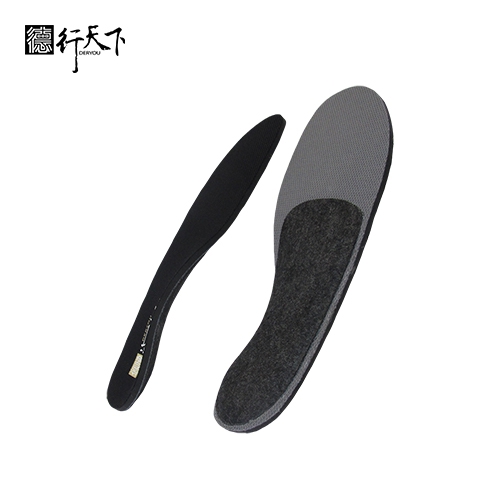
At GuangXin Industrial, our core strength lies in our deep expertise and versatility in insole and pillow manufacturing. We specialize in working with a wide range of materials, including PU (polyurethane), natural latex, and advanced graphene composites, to develop insoles and pillows that meet diverse performance, comfort, and health-support needs.
Whether it's cushioning, support, breathability, or antibacterial function, we tailor material selection to the exact requirements of each project-whether for foot wellness or ergonomic sleep products.
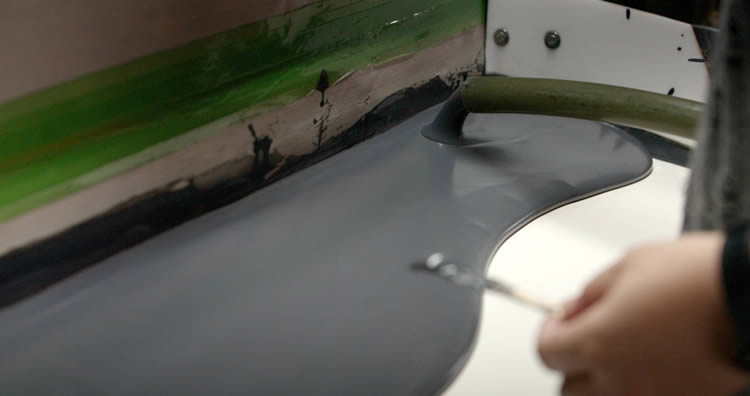
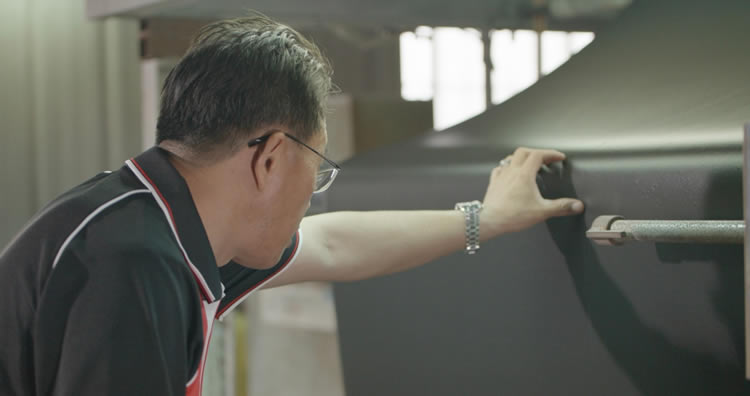
We provide end-to-end manufacturing capabilities under one roof—covering every stage from material sourcing and foaming, to precision molding, lamination, cutting, sewing, and strict quality control. This full-process control not only ensures product consistency and durability, but also allows for faster lead times and better customization flexibility.
With our flexible production capacity, we accommodate both small batch custom orders and high-volume mass production with equal efficiency. Whether you're a startup launching your first insole or pillow line, or a global brand scaling up to meet market demand, GuangXin is equipped to deliver reliable OEM/ODM solutions that grow with your business.
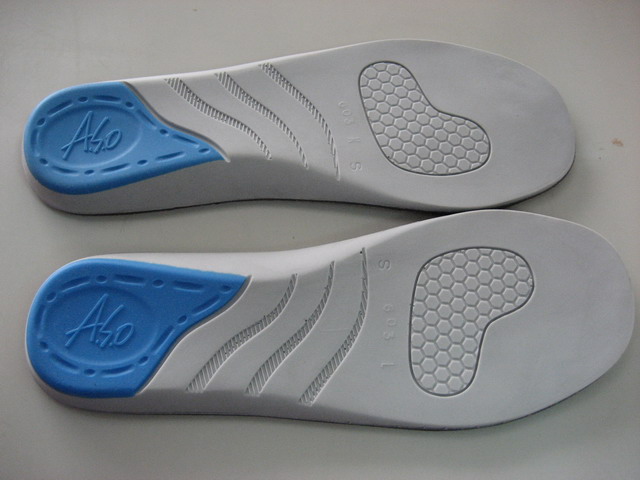
Customization & OEM/ODM Flexibility
GuangXin offers exceptional flexibility in customization and OEM/ODM services, empowering our partners to create insole products that truly align with their brand identity and target market. We develop insoles tailored to specific foot shapes, end-user needs, and regional market preferences, ensuring optimal fit and functionality.
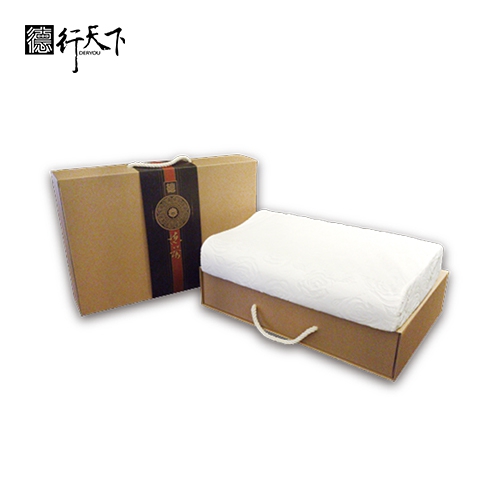
Our team supports comprehensive branding solutions, including logo printing, custom packaging, and product integration support for marketing campaigns. Whether you're launching a new product line or upgrading an existing one, we help your vision come to life with attention to detail and consistent brand presentation.
With fast prototyping services and efficient lead times, GuangXin helps reduce your time-to-market and respond quickly to evolving trends or seasonal demands. From concept to final production, we offer agile support that keeps you ahead of the competition.
Quality Assurance & Certifications
Quality is at the heart of everything we do. GuangXin implements a rigorous quality control system at every stage of production—ensuring that each insole meets the highest standards of consistency, comfort, and durability.
We provide a variety of in-house and third-party testing options, including antibacterial performance, odor control, durability testing, and eco-safety verification, to meet the specific needs of our clients and markets.
Our products are fully compliant with international safety and environmental standards, such as REACH, RoHS, and other applicable export regulations. This ensures seamless entry into global markets while supporting your ESG and product safety commitments.
ESG-Oriented Sustainable Production
At GuangXin Industrial, we are committed to integrating ESG (Environmental, Social, and Governance) values into every step of our manufacturing process. We actively pursue eco-conscious practices by utilizing eco-friendly materials and adopting low-carbon production methods to reduce environmental impact.
To support circular economy goals, we offer recycled and upcycled material options, including innovative applications such as recycled glass and repurposed LCD panel glass. These materials are processed using advanced techniques to retain performance while reducing waste—contributing to a more sustainable supply chain.
We also work closely with our partners to support their ESG compliance and sustainability reporting needs, providing documentation, traceability, and material data upon request. Whether you're aiming to meet corporate sustainability targets or align with global green regulations, GuangXin is your trusted manufacturing ally in building a better, greener future.
Let’s Build Your Next Insole Success Together
Looking for a reliable insole manufacturing partner that understands customization, quality, and flexibility? GuangXin Industrial Co., Ltd. specializes in high-performance insole production, offering tailored solutions for brands across the globe. Whether you're launching a new insole collection or expanding your existing product line, we provide OEM/ODM services built around your unique design and performance goals.
From small-batch custom orders to full-scale mass production, our flexible insole manufacturing capabilities adapt to your business needs. With expertise in PU, latex, and graphene insole materials, we turn ideas into functional, comfortable, and market-ready insoles that deliver value.
Contact us today to discuss your next insole project. Let GuangXin help you create custom insoles that stand out, perform better, and reflect your brand’s commitment to comfort, quality, and sustainability.
🔗 Learn more or get in touch:
🌐 Website: https://www.deryou-tw.com/
📧 Email: shela.a9119@msa.hinet.net
📘 Facebook: facebook.com/deryou.tw
📷 Instagram: instagram.com/deryou.tw
Insole ODM factory in China
Are you looking for a trusted and experienced manufacturing partner that can bring your comfort-focused product ideas to life? GuangXin Industrial Co., Ltd. is your ideal OEM/ODM supplier, specializing in insole production, pillow manufacturing, and advanced graphene product design.
With decades of experience in insole OEM/ODM, we provide full-service manufacturing—from PU and latex to cutting-edge graphene-infused insoles—customized to meet your performance, support, and breathability requirements. Our production process is vertically integrated, covering everything from material sourcing and foaming to molding, cutting, and strict quality control.Taiwan insole ODM manufacturing factory for global brands
Beyond insoles, GuangXin also offers pillow OEM/ODM services with a focus on ergonomic comfort and functional innovation. Whether you need memory foam, latex, or smart material integration for neck and sleep support, we deliver tailor-made solutions that reflect your brand’s values.
We are especially proud to lead the way in ESG-driven insole development. Through the use of recycled materials—such as repurposed LCD glass—and low-carbon production processes, we help our partners meet sustainability goals without compromising product quality. Our ESG insole solutions are designed not only for comfort but also for compliance with global environmental standards.Taiwan high-end foam product OEM/ODM factory
At GuangXin, we don’t just manufacture products—we create long-term value for your brand. Whether you're developing your first product line or scaling up globally, our flexible production capabilities and collaborative approach will help you go further, faster.Thailand insole ODM for global brands
📩 Contact us today to learn how our insole OEM, pillow ODM, and graphene product design services can elevate your product offering—while aligning with the sustainability expectations of modern consumers.China anti-bacterial pillow ODM design
Diversity in diet plays a role in the complexity of venom in pit vipers such as rattlesnakes, copperheads and cottonmouths. But new collaborative research by Clemson University scientists found the number of prey species a snake ate did not drive venom complexity. Rather, it was how far apart the prey species were from each other evolutionarily. “It’s not just diet that drives the variation in venom across snakes. It’s the breadth of diet,” said Christopher Parkinson, a professor in the College of Science’s Department of Biological Sciences. “If a snake eats 20 different species of mammals, its venom will not be very complex. But if it eats a centipede, a frog, a bird and a mammal, it’s going to have a highly complex venom because each component of that venom is affecting something different in one of the different animals the snake is feeding upon.” The journal Proceedings of the National Academy of Sciences published the findings in a paper titled “Phylogenetically diverse diets favor more complex venoms in North American pit vipers.” The research could lead to better anti-venoms and serve as a dietary database for other snake researchers. A Western pygmy rattlesnake eats a frog. Credit: Kyle Hutchison “Snakebite is a neglected tropical disease. It doesn’t kill many people in the U.S., only around eight per year. But it causes lasting injury such as neurological and tissue damage. Even though we have good anti-venoms, they could certainly be better. We have produced a library of the venoms of all the species in the U.S. in a higher level of detail than has been done before, so somebody else who is interested in improving anti-venoms could use this information,” said Matthew Holding, a former Clemson postdoctoral researcher who is the lead author of the paper. Holding collaborated with researchers from Clemson, Florida State University, Mexico and Brazil to study the venoms and diets of 46 species of North American pit vipers, including all that live in the United States. They next used information about the diets of those species to understand why some venoms are simple and others are very complex. Venoms contain proteins that collectively function to incapacitate prey. The number of different proteins it contains reflects its complexity. Former Clemson University postdoctoral researcher Matthew Holding’s research determined snake venom complexity is driven by prey diversity. Credit: Image courtesy of Matthew Holding “You can think of venom as a snake’s toolbox,” said Holding, who is now a National Science Foundation Postdoctoral Research Fellow at Florida State. “A wrench, a socket and a screwdriver each have a different use. Likewise, each protein has a different function when the venom is injected into a mouse, lizard or centipede or whatever prey the snake is eating.” “Some snakes have much simpler venoms with fewer components. Some have many more. We wanted to understand, from an evolutionary standpoint, why that might be, Holding explained.” Researchers collected venom and venom gland samples from rattlesnakes and cottonmouths across North America. They used next-generation sequencing techniques to generate the largest dataset of proteomes and venom-gland transcriptomes for viperid snakes to date. Using natural history specimens, researchers compared venom complexity to snake species’ diets. Christopher Parkinson. Credit: Clemson University College of Science “Having a prey database based on natural history specimens was paramount because we could not have done this work without those museum collections. We could not have built a comparative phylogenetic framework to compare snakes’ diet and evolutionary history without them,” said Parkinson, who has a dual appointment in the College of Agriculture, Forestry and Life Science’s Department of Forestry and Environmental Conservation. Holding said venom complexity changes in association with the phylogenetic diversity of snake diets, with the evolution of both simpler and more complex venoms. The study shows the amount of divergence among prey species matters for the evolution of targeted venoms, rather than only differences among prey species or major taxonomic groups, regardless of how they are phylogenetically related. Some previous studies have hinted that diet probably caused variation in venom across snakes using coarse data. This project utilized venom gland genetic data for more than 250 individual snakes, a denser sampling that any other study to date. The researchers also compiled a detailed prey item database. Combining these data facilitated understanding of the cause of venom variation. “Because we use next-generation sequencing tools, we could do more than counting up the number of components in the venom. We could get much closer to the genetic sequences that are contributing to this trait in these taxa, which had not been done before,” Holding said. The study showed that diet diversity predicts expressed complexity in three of the four largest venom gene families in viper venoms. Serine proteases, metalloproteinases and phospholipases had a positive relationship, meaning the more diverse the snake’s diet, the more complex its venom. But diet did not have the same effect on c-type lectins. Diet diversity accounts for between 25 and 40 percent of variation in venom complexity. “We generated new questions for other researchers to tackle, such as why c-type lectins follow a different pattern of relationship to diet diversity than other gene families and what explains the remaining three-fourths of variation in venom complexity for which we are unable to account,” Holding said. Since snake venom-derived drugs are used to treat heart disease, high blood pressure and blood clots in humans, the better scientists understand venom, the more likely they can use it to create human medicines. “We see the downstream potential for medical or therapeutic uses. But what gets us excited is asking, ‘Why there are so many types of snakes in the first place, and within those snakes, why are there so many types of venom that have so many effects on either prey or people?’ ” Holding said. Reference: “Phylogenetically diverse diets favor more complex venoms in North American pit vipers” 19 April 2021, Proceedings of the National Academy of Sciences. This project was supported by the National Science Foundation and the Fundacao de Amparo a Pesquisa do Estado de Sao Paulo. The content is solely the authors’ responsibility and does not necessarily represent the official views of the supporting organizations.
Humpback whale and researchers pictured from a drone. Credit: Duke Marine Robotics and Remote Sensing Lab Targeted conservation and modern technology can reverse declines and safeguard species. The ocean’s mammals are at a crucial crossroads — with some at risk of extinction and others showing signs of recovery, researchers say. In a detailed review of the status of the world’s 126 marine mammal species — which include whales, dolphins, seals, sea lions, manatees, dugongs, sea otters, and polar bears — scientists found that accidental capture by fisheries (bycatch), climate change and pollution are among the key drivers of decline. One in Four Species at Risk A quarter of these species are now classified as being at risk of extinction (vulnerable, endangered, or critically-endangered on the IUCN Red List), with the near-extinct vaquita porpoise and the critically endangered North Atlantic right whale among those in greatest danger. Conservation efforts have enabled recoveries among other species, including the northern elephant seal, humpback whale, and Guadalupe fur seal. Hawaiian spinner dolphins. Credit: Rob Harcourt The international research team — led by the University of Exeter and including scientists from more than 30 institutions in 13 countries — highlights conservation measures and research techniques that could protect marine mammals into the future. Urgent Need for Action and Innovation “We have reached a critical point in terms of marine mammal conservation,” said lead author Dr. Sarah Nelms, of the Centre for Ecology and Conservation on Exeter’s Penryn Campus in Cornwall. “Very few marine mammal species have been driven to extinction in modern times, but human activities are putting many of them under increasing pressure. “Our paper examines a range of conservation measures — including Marine Protected Areas (MPAs), bycatch reduction methods and community engagement — as well as highlighting some of the species that are in urgent need of focus.” The researchers say 21% of marine mammal species are listed as “data deficient” in the IUCN Red List — meaning not enough is known to assess their conservation status. This lack of knowledge makes it difficult to identify which species are in need of protection and what actions should be taken to save them. Weddell seal. Credit: Rob Harcourt Professor Brendan Godley, who leads the Exeter Marine research group, said: “To continue conservation successes and reverse the downward trend in at-risk species, we need to understand the threats they face and the conservation measures that could help. “Technology such as drone and satellite imaging, electronic tags, and molecular techniques are among the tools that will help us do this. “Additionally, sharing best practices will empower us — and this is why we are so proud to be part of such a large and international group for this project.” Reference: “Marine mammal conservation: Over the horizon” by Sarah E. Nelms, Joanna Alfaro-Shigueto, John P. Y. Arnould, Isabel C. Avila, Susan Bengtson Nash, Elizabeth Campbell, Matt I. D. Carter, Timothy Collins, Rohan J. C. Currey, Camila Domit, Valentina Franco-Trecu, Mariana M. P. B. Fuentes, Eric Gilman, Robert G. Harcourt, Ellen M. Hines, A. Rus Hoelzel, Sascha K. Hooker, David W. Johnston, Nachiket Kelkar, Jeremy J. Kiszka, Kristin L. Laidre, Jeffrey C. Mangel, Helene Marsh, Sara M. Maxwell, Aubrie B. Onoufriou, Daniel M. Palacios, Graham J. Pierce, Louisa S. Ponnampalam, Lindsay J. Porter, Debbie J. F. Russell, Karen A. Stockin, Dipani Sutaria, Nina Wambiji, Caroline R. Weir, Ben Wilson and Brendan J. Godley, 25 March 2021, Endangered Species Research. DOI: 10.3354/esr01115
TOP2A relieves negative supercoiling at gene promoters, resulting thus in an increase in the number of twists of the DNA strands. This is an obstacle to the continuous opening of the helix that prevents the advance RNA polymerase, remaining in a poised state ready to trigger gene expression as soon as needed. Credit: CNIO DNA supercoiling is an important contributor to the control of gene expression, and not just collateral damage that cells have to solve. The (when stretched) two-meter-long DNA molecule in each human cell is continuously being unpacked and packed again to enable the expression of genetic information. When genes must be accessed for transcription, the DNA double helix unwinds and the strands separate from each other so that all the elements needed for gene expression can access the relevant DNA region. This process results in the accumulation of DNA supercoiling that needs to be resolved. A study recently published by Felipe Cortés, Head of the Topology and DNA Breaks Group at the Spanish National Cancer Research Centre (CNIO), and the members of his team, in cooperation with Silvia Jimeno González, Professor at the University of Seville and Head of the Transcription and mRNA Processing Group at the Centro Andaluz de Biología Molecular y Medicina Regenerativa (CABIMER), reveals that DNA supercoiling is involved in regulating gene expression rather than just being collateral damage that must be fixed, as was previously believed. The results of the study were published in Cell Reports. “Our results help us understand that DNA supercoiling is an important contributor to the control of gene expression and not just a problem related to DNA metabolism,” says Cortés. This study reveals that this type of regulation occurs mainly in specific genes that are massively activated (in the order of a hundred-fold) in a few minutes in response to different types of stimuli like cellular stress, cell division signals, hormones or neuronal activation. TOP2A and the control of immediate early gene expression Topoisomerases are proteins that relieve DNA topological stress by removing both positive and negative supercoiling, that is, over- and under-winding of DNA strand as compared to its relaxed state. The authors of the research show that topoisomerase TOP2A relieves negative supercoiling at gene promoters, resulting thus in an increase in the number of twists of the DNA strands in these regions. This is an obstacle to the continuous opening of the helix that prevents the advance RNA polymerase, remaining in a poised state ready to trigger gene expression as soon as needed. “Topoisomerases are considered to facilitate gene activation, but our study shows that TOP2A acts in promoter regions of genes like c-FOS [whose codified protein is involved in cell proliferation] silencing them and creating a topological context that facilitates rapid activation to respond quickly to stimuli,” says Cortés. The authors of the study point at the possibility that supercoiled DNA might have other functions, such as facilitating a three-dimensional configuration of the genome that enables the interaction of gene expression regulatory factors. DNA supercoiling as a mechanism of gene regulation might be particularly relevant for fundamental biological processes that require a considerable rewiring of gene expression programs, like cell differentiation or reprogramming, or tumor transformation and progression. “Our work opens a way for the use of topoisomerase inhibitors as modulators in these processes and cell responses, and also even as cancer therapies,” Cortés adds. Reference: “Topoisomerase IIα represses transcription by enforcing promoter-proximal pausing” by Andrés Herrero-Ruiz, Pedro Manuel Martínez-García, José Terrón-Bautista, Gonzalo Millán-Zambrano, Jenna Ariel Lieberman, Silvia Jimeno-González and Felipe Cortés-Ledesma, 13 April 2021, Cell Reports. DOI: 10.1016/j.celrep.2021.108977 The study was funded by the Spanish Ministry of Science and Innovation, the Carlos III Health Institute, the Government of Andalusia, the European Research Council and the Spanish Association Against Cancer.
DVDV1551RTWW78V
Graphene insole OEM factory China 》preferred by clients worldwide for fast turnaround and precisionThailand graphene material ODM solution 》where innovation meets ergonomic comfort and market demandThailand pillow OEM manufacturer 》a manufacturing partner you can rely on for quality and delivery
下一則: China OEM/ODM hybrid insole services 》reducing com
- China OEM/ODM hybrid insole services 》reducing com
- Vietnam OEM insole and pillow supplier 》helping yo
- Vietnam OEM factory for footwear and bedding 》comb
- Taiwan OEM insole and pillow supplier 》delivering
- Taiwan neck support pillow OEM 》ready to support y
- Taiwan anti-odor insole OEM processing factory 》em
限會員,要發表迴響,請先登入


