Introduction – Company Background
GuangXin Industrial Co., Ltd. is a specialized manufacturer dedicated to the development and production of high-quality insoles.
With a strong foundation in material science and footwear ergonomics, we serve as a trusted partner for global brands seeking reliable insole solutions that combine comfort, functionality, and design.
With years of experience in insole production and OEM/ODM services, GuangXin has successfully supported a wide range of clients across various industries—including sportswear, health & wellness, orthopedic care, and daily footwear.
From initial prototyping to mass production, we provide comprehensive support tailored to each client’s market and application needs.
At GuangXin, we are committed to quality, innovation, and sustainable development. Every insole we produce reflects our dedication to precision craftsmanship, forward-thinking design, and ESG-driven practices.
By integrating eco-friendly materials, clean production processes, and responsible sourcing, we help our partners meet both market demand and environmental goals.
Core Strengths in Insole Manufacturing
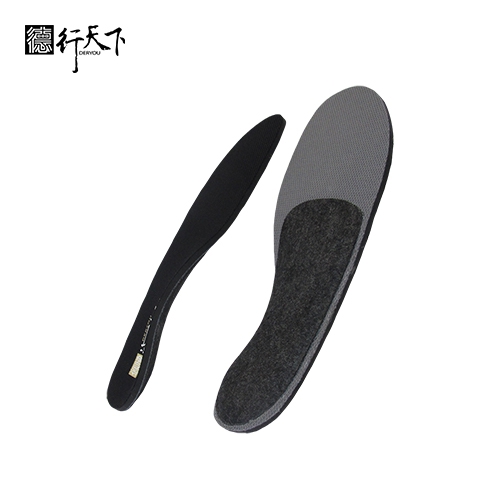
At GuangXin Industrial, our core strength lies in our deep expertise and versatility in insole and pillow manufacturing. We specialize in working with a wide range of materials, including PU (polyurethane), natural latex, and advanced graphene composites, to develop insoles and pillows that meet diverse performance, comfort, and health-support needs.
Whether it's cushioning, support, breathability, or antibacterial function, we tailor material selection to the exact requirements of each project-whether for foot wellness or ergonomic sleep products.
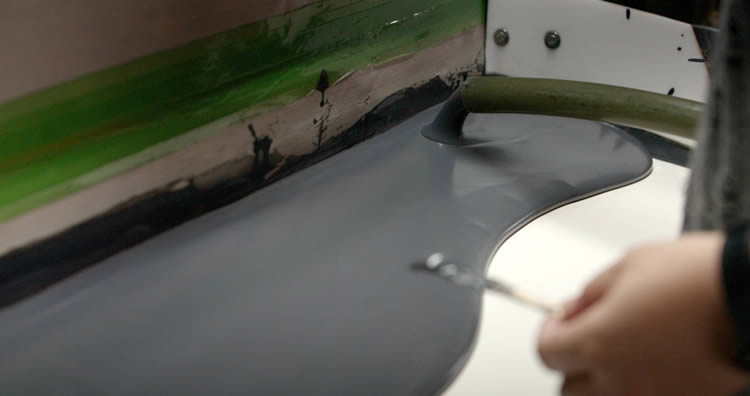
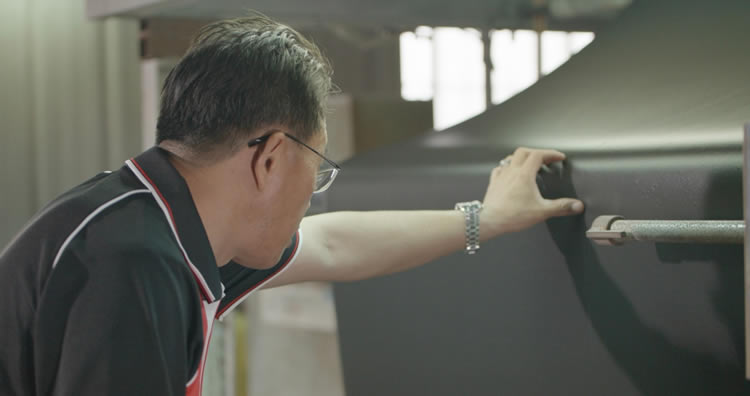
We provide end-to-end manufacturing capabilities under one roof—covering every stage from material sourcing and foaming, to precision molding, lamination, cutting, sewing, and strict quality control. This full-process control not only ensures product consistency and durability, but also allows for faster lead times and better customization flexibility.
With our flexible production capacity, we accommodate both small batch custom orders and high-volume mass production with equal efficiency. Whether you're a startup launching your first insole or pillow line, or a global brand scaling up to meet market demand, GuangXin is equipped to deliver reliable OEM/ODM solutions that grow with your business.
Customization & OEM/ODM Flexibility
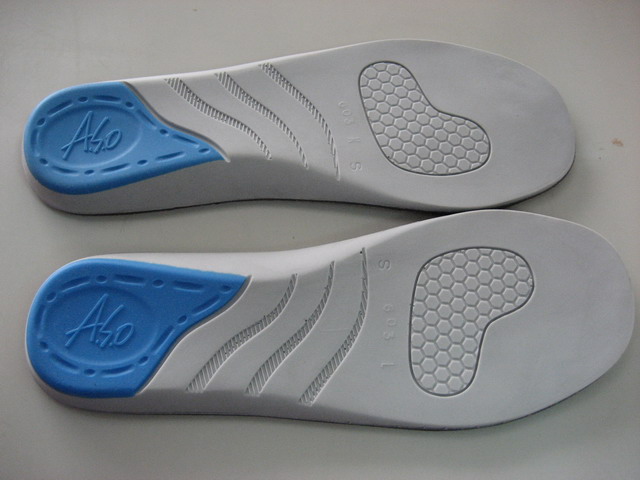
GuangXin offers exceptional flexibility in customization and OEM/ODM services, empowering our partners to create insole products that truly align with their brand identity and target market. We develop insoles tailored to specific foot shapes, end-user needs, and regional market preferences, ensuring optimal fit and functionality.
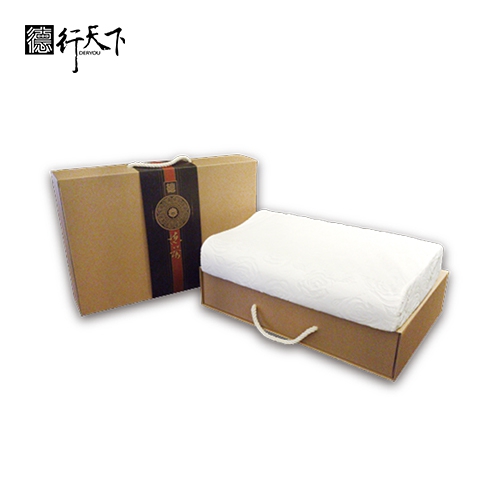
Our team supports comprehensive branding solutions, including logo printing, custom packaging, and product integration support for marketing campaigns. Whether you're launching a new product line or upgrading an existing one, we help your vision come to life with attention to detail and consistent brand presentation.
With fast prototyping services and efficient lead times, GuangXin helps reduce your time-to-market and respond quickly to evolving trends or seasonal demands. From concept to final production, we offer agile support that keeps you ahead of the competition.
Quality Assurance & Certifications
Quality is at the heart of everything we do. GuangXin implements a rigorous quality control system at every stage of production—ensuring that each insole meets the highest standards of consistency, comfort, and durability.
We provide a variety of in-house and third-party testing options, including antibacterial performance, odor control, durability testing, and eco-safety verification, to meet the specific needs of our clients and markets.
Our products are fully compliant with international safety and environmental standards, such as REACH, RoHS, and other applicable export regulations. This ensures seamless entry into global markets while supporting your ESG and product safety commitments.
ESG-Oriented Sustainable Production
At GuangXin Industrial, we are committed to integrating ESG (Environmental, Social, and Governance) values into every step of our manufacturing process. We actively pursue eco-conscious practices by utilizing eco-friendly materials and adopting low-carbon production methods to reduce environmental impact.
To support circular economy goals, we offer recycled and upcycled material options, including innovative applications such as recycled glass and repurposed LCD panel glass. These materials are processed using advanced techniques to retain performance while reducing waste—contributing to a more sustainable supply chain.
We also work closely with our partners to support their ESG compliance and sustainability reporting needs, providing documentation, traceability, and material data upon request. Whether you're aiming to meet corporate sustainability targets or align with global green regulations, GuangXin is your trusted manufacturing ally in building a better, greener future.
Let’s Build Your Next Insole Success Together
Looking for a reliable insole manufacturing partner that understands customization, quality, and flexibility? GuangXin Industrial Co., Ltd. specializes in high-performance insole production, offering tailored solutions for brands across the globe. Whether you're launching a new insole collection or expanding your existing product line, we provide OEM/ODM services built around your unique design and performance goals.
From small-batch custom orders to full-scale mass production, our flexible insole manufacturing capabilities adapt to your business needs. With expertise in PU, latex, and graphene insole materials, we turn ideas into functional, comfortable, and market-ready insoles that deliver value.
Contact us today to discuss your next insole project. Let GuangXin help you create custom insoles that stand out, perform better, and reflect your brand’s commitment to comfort, quality, and sustainability.
🔗 Learn more or get in touch:
🌐 Website: https://www.deryou-tw.com/
📧 Email: shela.a9119@msa.hinet.net
📘 Facebook: facebook.com/deryou.tw
📷 Instagram: instagram.com/deryou.tw
Thailand insole ODM design and production
Are you looking for a trusted and experienced manufacturing partner that can bring your comfort-focused product ideas to life? GuangXin Industrial Co., Ltd. is your ideal OEM/ODM supplier, specializing in insole production, pillow manufacturing, and advanced graphene product design.
With decades of experience in insole OEM/ODM, we provide full-service manufacturing—from PU and latex to cutting-edge graphene-infused insoles—customized to meet your performance, support, and breathability requirements. Our production process is vertically integrated, covering everything from material sourcing and foaming to molding, cutting, and strict quality control.Indonesia graphene sports insole ODM
Beyond insoles, GuangXin also offers pillow OEM/ODM services with a focus on ergonomic comfort and functional innovation. Whether you need memory foam, latex, or smart material integration for neck and sleep support, we deliver tailor-made solutions that reflect your brand’s values.
We are especially proud to lead the way in ESG-driven insole development. Through the use of recycled materials—such as repurposed LCD glass—and low-carbon production processes, we help our partners meet sustainability goals without compromising product quality. Our ESG insole solutions are designed not only for comfort but also for compliance with global environmental standards.Orthopedic pillow OEM development factory Taiwan
At GuangXin, we don’t just manufacture products—we create long-term value for your brand. Whether you're developing your first product line or scaling up globally, our flexible production capabilities and collaborative approach will help you go further, faster.Latex pillow OEM production in Taiwan
📩 Contact us today to learn how our insole OEM, pillow ODM, and graphene product design services can elevate your product offering—while aligning with the sustainability expectations of modern consumers.Taiwan insole ODM full-service provider factory
The interplay of environmental conditions and geographical barriers such as mountains and lakes determine where plants thrive – an international study shows how these patterns have developed over millions of years. Credit: Holger Kreft Global research team explores how environmental factors and dispersal barriers influence biodiversity. Why do certain plants flourish in some regions but not in others? A study led by researchers at the University of Göttingen sheds light on the factors that determine where plants grow and how these patterns have evolved over millions of years. The team analyzed data from nearly 270,000 seed plant species across the globe. Their findings, published in Nature Ecology & Evolution, reveal that both environmental conditions and natural barriers to movement, such as mountains, oceans, and climate zones, play key roles in shaping global plant diversity. To uncover these patterns, the researchers used advanced techniques that combine current plant distribution data with information about evolutionary relationships between species. They also incorporated modern environmental data and reconstructed Earth’s past climate and geography to understand how these factors have influenced plant distributions through deep time. The research showed that with enough time, plants can overcome the barriers of vast distances and geography, but they often remain limited by the environments they encounter. Credit: Holger Kreft The team examined how variations in climate, soil, and other environmental factors determine where plants can thrive and how physical barriers – such as oceans, mountain ranges, and areas with inhospitable climates – restrict plant dispersal. Environment vs. Barriers The findings show that environmental conditions, particularly climate, are important factors in shaping plant distributions, with their influence remaining consistent across evolutionary timescales. Physical barriers like oceans and mountains played a significant role in limiting the spread of more recently evolved plant groups but had a much smaller effect on ancient plant groups, which have had longer periods to disperse widely. Past tectonic plate positions and movements, reconstructed from geological data, were found to have only a modest impact on plant diversity, with their strongest effects occurring between 20 and 50 million years ago. “These findings reveal a fundamental process in nature,” says Dr Lirong Cai from the University of Göttingen and the German Centre for Integrative Biodiversity Research (iDiv). “Given enough time, plants can overcome the barriers of vast distances and geography, but they often remain limited by the environments they encounter.” Reference: “Environmental filtering, not dispersal history, explains global patterns of phylogenetic turnover in seed plants at deep evolutionary timescales” by Lirong Cai, Holger Kreft, Pierre Denelle, Amanda Taylor, Dylan Craven, Wayne Dawson, Franz Essl, Mark van Kleunen, Jan Pergl, Petr Pyšek, Marten Winter, Francisco J. Cabezas, Viktoria Wagner, Pieter B. Pelser, Jan J. Wieringa and Patrick Weigelt, 29 November 2024, Nature Ecology & Evolution. DOI: 10.1038/s41559-024-02599-y
Plant material from Yale-Myers Forest and YSE greenhouses were used to study how their vascular systems are constructed and how they compare to the extinct plants from the fossil record. Without developing their vascular systems, plants would largely still look like mosses. Shown here: Huperzia lucidula, also known as Shining club-moss. Credit: Craig Brodersen Lab. A recent study has solved a longstanding mystery in paleontology, revealing how early plants were able to transition from aquatic environments to land through changes in their vascular systems. For many years, scientists have been trying to understand how early land plants were able to adapt to new habitats and move beyond their original moist, boggy environments. These plants were small, usually no more than a few centimeters tall, and were found near streams and ponds. However, about 400 million years ago, they developed vascular systems that allowed them to extract water more efficiently from the soil and use it for photosynthesis, a change that had a significant impact on the Earth’s atmosphere and ecosystems. A team of researchers has now solved a 100-year-old mystery in paleontology by uncovering how these ancient plants were able to thrive in new habitats with limited access to water. A study published in Science by a team of researchers from Yale University has found that a small change in the vascular system of plants made them more resistant to drought, allowing them to thrive in new, drier environments. The team was led by Yale School of the Environment Professor Craig Brodersen and included lead author Martin Bouda and Kyra Prats. The findings have opened up new avenues for exploration in this field. The research was spurred by a century-long debate about why the simple, cylindrical vascular system of the earliest land plants rapidly changed to more complex shapes. In the 1920s, scientists noted this increasing complexity in the fossil record but were not able to pinpoint the reason — if there even was one — for the evolutionary changes. Xylem Function and the Challenge of Drought Over the past decade, Brodersen and colleagues have explored the implications of how modern plant vascular systems are constructed, especially within the context of drought. When plants begin to dry out, air bubbles get stuck in the xylem, which is the specialized tissue that transports water and nutrients from the soil to stems and leaves. The bubbles block the movement of water. Left unchecked, they spread throughout the network, disconnect plants from the soil, and ultimately lead to plant death. Avoiding the formation and spread of these bubbles is of critical importance for tolerating drought today, and the research team applied this same thinking to explain the patterns of vascular organization in the fossil record. Cross section through the leaf of Cheilanthes lanosa, also known as Hairy lip fern, showing a heart-shaped vascular system in the xylem. Credit: Craig Brodersen Lab Revolutionary Shifts in Vascular Complexity The cylinder-shaped vascular systems in the earliest land plants, which were similar to a bundle of straws, had initially served them well in their early watery habitats. But as they moved onto land with fewer water resources, the plants had to overcome drought-induced air bubbles. Early land plants did this by reconfiguring the ancestral, cylindrical-shaped xylem into more complex shapes that prevented air bubbles from spreading. Historically, observations of increasing vascular complexity in the fossil record were thought to be coincidental and of marginal significance, a byproduct of plants growing in size and developing more complex architecture. The new study reverses this view. “It didn’t just sort of happen. There’s actually a good evolutionary reason,” says Bouda. “There was strong pressure from drought that made it happen. That was the hundred-year-old riddle, which we’ve now answered.” Bouda notes that the makeup of the team of researchers who co-authored the study, which included a paleobotanist, plant physiologists, and a hydrologist, helped provide techniques and perspectives that led them to uncover the reason for the complex vascular structure that had emerged in Devonian-era plants. The team used microscopy and anatomical analysis to view the inner workings of plant specimens, which included fossil specimens from the Yale Peabody Museum, and living plants from Yale Myers Forest, the Marsh Botanical Garden, the New York Botanical Garden, and the University of Connecticut. Using this information, the team then predicted vascular configurations that could tolerate drought and illustrated how seemingly simple changes in shape lead to profound improvements in drought tolerance. “Every time a plant deviates from that cylindrical vascular system, every time it changes just a little bit, the plant gets a reward in terms of its ability to survive drought. And if that reward is constantly there, then it’s going to force plants in the direction away from the ancient cylindrical vascular system toward these more complex forms,” says Brodersen. “By making these very small changes, plants solved this problem that they had to figure out very early in the history of the earth, otherwise the forests that we see today just wouldn’t exist.” Implications for Modern Agriculture and Climate Resilience These changes happened rather rapidly — in paleontological timeframes, that is — over approximately 20-40 million years. The driving forces behind the change to plant vascular structure could help inform research in breeding drought-resistant plants, helping to build resilience to the impacts of climate change and address production-related food insecurity issues. “Now that we have a better understanding of how the vascular systems are put together and how that influences a plant’s ability to tolerate drought, that’s the kind of thing that could be used as a target for breeding programs — for example, making better root systems, making better vascular systems in plants,” Brodersen says. Reference: “Hydraulic failure as a primary driver of xylem network evolution in early vascular plants” by Martin Bouda, Brett A. Huggett, Kyra A. Prats, Jay W. Wason, Jonathan P. Wilson and Craig R. Brodersen, 10 November 2022, Science. DOI: 10.1126/science.add2910
When a cytokine (green) binds to receptors (teal), two parts of the Janus kinase protein (pink) come together, activating it to send signals inside a cell. In some cancers, mutations in the kinase lock it together, keeping it abnormally active. Credit: Eric Smith/Chris Garcia/Howard Hughes Medical Institute Stanford researchers have captured the 3D structure of a crucial signaling protein, Janus kinase, revealing how it functions and malfunctions in diseases like cancer. This breakthrough could lead to more precise drug development. The breakthrough came on molecular biologist Christopher Garcia’s birthday. For more than 20 years, his team and others around the world had been chasing an elusive quarry – the 3D structure of a crucial signaling protein in cells. In late 2021, his electron microscope images of the molecule started to come into focus. On December 8, postdoc Naotaka Tsutsumi and graduate student Caleb Glassman sent him an email with a startlingly clear picture of the protein latched on to a key receptor. “I was sitting in a meeting, and I realized we had it,” recalls Garcia, a Howard Hughes Medical Institute Investigator at Stanford University. “I immediately left the meeting and ran back to the lab.” Glassman, who had just moved to Boston for a Harvard postdoc, canceled his planned backcountry trip, and rushed back to Stanford. “I wanted to finish what Naotaka and I had started,” he explains. Then the three researchers worked around the clock to nail the complete structure of the protein, known as a Janus kinase, and beat competing labs to the discovery. “It was a big horse race between many great groups worldwide, and we were sprinting towards the finish line,” Garcia says. On December 26, they rushed a manuscript to the journal Science, which published the work on March 10, 2022. Garcia’s team has nabbed not just the full structure of a vitally important signaling molecule, but also the mechanism for how these kinases work, which had been “a fundamental question in biology,” says John O’Shea, an immunologist at the National Institutes of Health who helped to develop one of the first drugs to block Janus kinase function and was not involved with the new research. Because the proteins can go awry in disease, the results could lead to new and better drugs against certain cancers. “It’s amazing work,” O’Shea says. Chipping Away Janus kinases are one of the communication whizzes of the animal kingdom. They take signals that come from outside cells and pass the info along to molecules inside. Scientists have known for years that malfunctioning Janus kinases can cause disease. Some mutations that impair Janus kinases can severely curtail the body’s ability to fight off infection, causing a condition virtually identical to “bubble boy disease.” And when genetic glitches and exaggerated signals rev up the kinases too much, the result can be blood cancers like leukemia, and allergic or autoimmune diseases. Researchers knew the shape of parts of the proteins, including related enzyme and regulatory regions at the end of the molecule, which earned them the name Janus kinases, after the two-faced mythological Roman god. And sophisticated drug screens have unearthed molecules that inhibit these proteins, giving doctors a way to treat some cancers and disorders like rheumatoid arthritis. But scientists developed the drugs without knowing the molecules’ full structure or how they become activated. So most of the current arsenal of nearly a dozen drugs, plus more in clinical trials, are relatively blunt instruments, blocking both healthy and mutated Janus kinases. They can still treat many diseases, from eczema to COVID-19, but also can cause a range of side effects. Garcia wanted a more detailed view of the proteins but, as he learned when he first tried to image the molecules as a postdoc in 1995, it was a daunting challenge. The kinases are notoriously difficult to make in the lab. And they don’t easily form crystals, which scientists need to capture 3D structures using x-ray crystallography. So, for many years, Garcia and others could only view bits of the kinases at a time. “We kept chipping away without much to show for it,” he says. In the last few years, the pieces began to fall into place. One key advance was a method called cryo-EM, where scientists freeze samples and then view them using an electron microscope. Another was the choice by Garcia’s team to study a mouse Janus kinase rather than a less stable human one. They also introduced a common cancer-causing mutation into the mouse kinase, which stabilized the molecule even further. Lighting a Fire Garcia’s team’s work reveals the structure of a Janus kinase called JAK1 and outlines the steps it uses to sends signals within cells. First, receptor proteins stud cell membranes, poking from the inner and outer surfaces of the cell like a toothpick through a sandwich. Then, a single Janus kinase inside the cell attaches to the receptors, waiting for a signal. Next, molecules called cytokines approach the cell’s exterior, each binding to two receptors. The cytokines act like a bridge that pulls the two receptors even closer, Garcia explains. That brings the active ends of the Janus kinase together, switching them on. Like a match lighting a fire, the kinase relays a signal that tells genes to turn on or off. The structure also reveals how the cancer-causing mutation short-circuits this messaging chain – by gluing two parts of the Janus kinase together. That causes the two active regions to stay switched on even when there are no outside cytokines, sparking uncontrolled activity that can trigger cancers. Garcia hopes the new results could help scientists design better drugs that target only defective Janus kinases, allowing healthy versions to keep performing their normal duties. The work, he says, is an example of an “ideal situation in science, where solving a basic problem also has direct relevance for disease.” Reference: “Structure of a Janus kinase cytokine receptor complex reveals the basis for dimeric activation” by Caleb R. Glassman, Naotaka Tsutsumi, Robert A. Saxton, Patrick J. Lupardus, Kevin M. Jude and K. Christopher Garcia, 10 March 2022, Science. DOI: 10.1126/science.abn8933
DVDV1551RTWW78V
Private label insole and pillow OEM China 》where craftsmanship meets innovation and ESG valuesHigh-performance graphene insole OEM factory Taiwan 》built to serve both niche and mass production needsCustom graphene foam processing factory Taiwan 》elevating your brand with precision engineering and flexible production
下一則: Taiwan anti-odor insole OEM processing factory 》em
限會員,要發表迴響,請先登入


