Introduction – Company Background
GuangXin Industrial Co., Ltd. is a specialized manufacturer dedicated to the development and production of high-quality insoles.
With a strong foundation in material science and footwear ergonomics, we serve as a trusted partner for global brands seeking reliable insole solutions that combine comfort, functionality, and design.
With years of experience in insole production and OEM/ODM services, GuangXin has successfully supported a wide range of clients across various industries—including sportswear, health & wellness, orthopedic care, and daily footwear.
From initial prototyping to mass production, we provide comprehensive support tailored to each client’s market and application needs.
At GuangXin, we are committed to quality, innovation, and sustainable development. Every insole we produce reflects our dedication to precision craftsmanship, forward-thinking design, and ESG-driven practices.
By integrating eco-friendly materials, clean production processes, and responsible sourcing, we help our partners meet both market demand and environmental goals.


Core Strengths in Insole Manufacturing
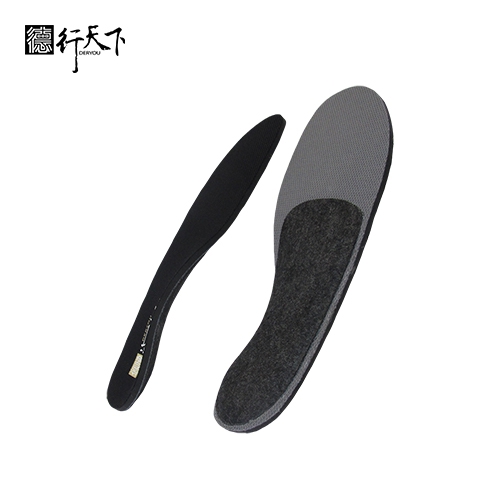
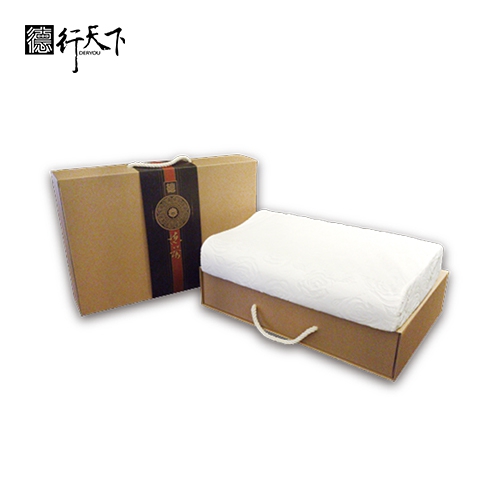
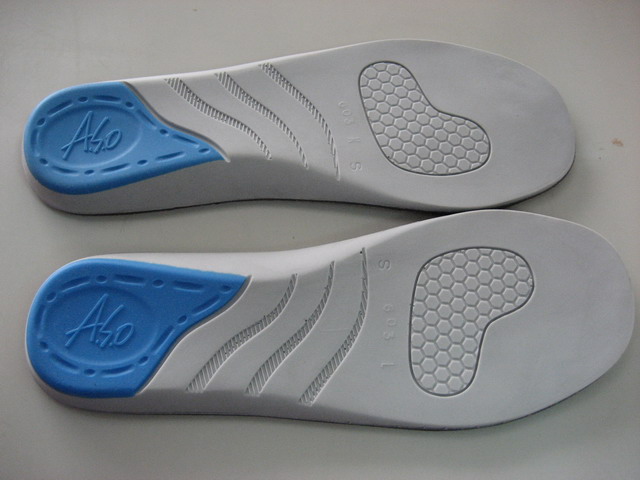
At GuangXin Industrial, our core strength lies in our deep expertise and versatility in insole and pillow manufacturing. We specialize in working with a wide range of materials, including PU (polyurethane), natural latex, and advanced graphene composites, to develop insoles and pillows that meet diverse performance, comfort, and health-support needs.
Whether it's cushioning, support, breathability, or antibacterial function, we tailor material selection to the exact requirements of each project-whether for foot wellness or ergonomic sleep products.
We provide end-to-end manufacturing capabilities under one roof—covering every stage from material sourcing and foaming, to precision molding, lamination, cutting, sewing, and strict quality control. This full-process control not only ensures product consistency and durability, but also allows for faster lead times and better customization flexibility.
With our flexible production capacity, we accommodate both small batch custom orders and high-volume mass production with equal efficiency. Whether you're a startup launching your first insole or pillow line, or a global brand scaling up to meet market demand, GuangXin is equipped to deliver reliable OEM/ODM solutions that grow with your business.
Customization & OEM/ODM Flexibility
GuangXin offers exceptional flexibility in customization and OEM/ODM services, empowering our partners to create insole products that truly align with their brand identity and target market. We develop insoles tailored to specific foot shapes, end-user needs, and regional market preferences, ensuring optimal fit and functionality.
Our team supports comprehensive branding solutions, including logo printing, custom packaging, and product integration support for marketing campaigns. Whether you're launching a new product line or upgrading an existing one, we help your vision come to life with attention to detail and consistent brand presentation.
With fast prototyping services and efficient lead times, GuangXin helps reduce your time-to-market and respond quickly to evolving trends or seasonal demands. From concept to final production, we offer agile support that keeps you ahead of the competition.
Quality Assurance & Certifications
Quality is at the heart of everything we do. GuangXin implements a rigorous quality control system at every stage of production—ensuring that each insole meets the highest standards of consistency, comfort, and durability.
We provide a variety of in-house and third-party testing options, including antibacterial performance, odor control, durability testing, and eco-safety verification, to meet the specific needs of our clients and markets.
Our products are fully compliant with international safety and environmental standards, such as REACH, RoHS, and other applicable export regulations. This ensures seamless entry into global markets while supporting your ESG and product safety commitments.
ESG-Oriented Sustainable Production
At GuangXin Industrial, we are committed to integrating ESG (Environmental, Social, and Governance) values into every step of our manufacturing process. We actively pursue eco-conscious practices by utilizing eco-friendly materials and adopting low-carbon production methods to reduce environmental impact.
To support circular economy goals, we offer recycled and upcycled material options, including innovative applications such as recycled glass and repurposed LCD panel glass. These materials are processed using advanced techniques to retain performance while reducing waste—contributing to a more sustainable supply chain.
We also work closely with our partners to support their ESG compliance and sustainability reporting needs, providing documentation, traceability, and material data upon request. Whether you're aiming to meet corporate sustainability targets or align with global green regulations, GuangXin is your trusted manufacturing ally in building a better, greener future.
Let’s Build Your Next Insole Success Together
Looking for a reliable insole manufacturing partner that understands customization, quality, and flexibility? GuangXin Industrial Co., Ltd. specializes in high-performance insole production, offering tailored solutions for brands across the globe. Whether you're launching a new insole collection or expanding your existing product line, we provide OEM/ODM services built around your unique design and performance goals.
From small-batch custom orders to full-scale mass production, our flexible insole manufacturing capabilities adapt to your business needs. With expertise in PU, latex, and graphene insole materials, we turn ideas into functional, comfortable, and market-ready insoles that deliver value.
Contact us today to discuss your next insole project. Let GuangXin help you create custom insoles that stand out, perform better, and reflect your brand’s commitment to comfort, quality, and sustainability.
🔗 Learn more or get in touch:
🌐 Website: https://www.deryou-tw.com/
📧 Email: shela.a9119@msa.hinet.net
📘 Facebook: facebook.com/deryou.tw
📷 Instagram: instagram.com/deryou.tw
Taiwan anti-bacterial pillow ODM production factory
Are you looking for a trusted and experienced manufacturing partner that can bring your comfort-focused product ideas to life? GuangXin Industrial Co., Ltd. is your ideal OEM/ODM supplier, specializing in insole production, pillow manufacturing, and advanced graphene product design.
With decades of experience in insole OEM/ODM, we provide full-service manufacturing—from PU and latex to cutting-edge graphene-infused insoles—customized to meet your performance, support, and breathability requirements. Our production process is vertically integrated, covering everything from material sourcing and foaming to molding, cutting, and strict quality control.Breathable insole ODM development China
Beyond insoles, GuangXin also offers pillow OEM/ODM services with a focus on ergonomic comfort and functional innovation. Whether you need memory foam, latex, or smart material integration for neck and sleep support, we deliver tailor-made solutions that reflect your brand’s values.
We are especially proud to lead the way in ESG-driven insole development. Through the use of recycled materials—such as repurposed LCD glass—and low-carbon production processes, we help our partners meet sustainability goals without compromising product quality. Our ESG insole solutions are designed not only for comfort but also for compliance with global environmental standards.Custom foam pillow OEM in Thailand
At GuangXin, we don’t just manufacture products—we create long-term value for your brand. Whether you're developing your first product line or scaling up globally, our flexible production capabilities and collaborative approach will help you go further, faster.China insole ODM service provider
📩 Contact us today to learn how our insole OEM, pillow ODM, and graphene product design services can elevate your product offering—while aligning with the sustainability expectations of modern consumers.Customized sports insole ODM Thailand
An artistic rendering of CRISPR-enhanced T-cells attacking a tumor. Research has shown that the gene-editing system CRISPR can modulate T-cell behavior to make them better cancer killers without actually editing any of their genes. Credit: Ella Maru Studio A CRISPR-based platform has discovered numerous genes with the potential to enhance T-cell therapies for cancer treatment. Researchers at Duke University have advanced CRISPR technologies for large-scale analysis of gene functions in human immune cells. They found that a single key regulator in the genome can reprogram a vast network of genes in T cells, significantly boosting their ability to kill cancer cells. The master regulator is called BATF3 and is one of several genes that the researchers identified and tested for improving T-cell therapies. These targets, and the methods developed to identify, test, and manipulate them, could make any of the T-cell cancer therapies currently in use and under development more potent. Combined with other advances, the platform could also enable generalized, off-the-shelf versions of the therapy and expansion into other disease areas such as autoimmune disorders. The results were recently published in the journal Nature Genetics. Challenges in T-Cell Therapy and New Methodologies T-cell therapy is a decade-old approach to treating cancer. More recent versions involve reprogramming the immune system’s primary soldiers to seek and destroy cancerous cells that they might otherwise overlook. Many companies are working to enhance the technology, mostly through the use of genetic engineering techniques that instruct the T cells on how to identify cancerous cells and make them more effective at destroying them. There are currently six FDA-approved T-cell therapies for specific leukemias, lymphomas, and multiple myeloma. Their approaches, however, do not currently fare well when applied to solid tumors, although there are hints of success in certain studies. Solid tumors often present large physical barriers for the T cells to overcome, and the sheer number and density of cancer cells presenting targets can lead to “T-cell exhaustion,” wearing the attackers out to the point that they are not able to mount an antitumor response. “In some cases, T-cell therapy works like a miracle drug, but in most others, it hardly works at all,” said Charles Gersbach, the John W. Strohbehn Distinguished Professor of Biomedical Engineering at Duke. “We are looking for generic solutions that can make these cells better across the board by reprogramming their gene regulation software, rather than rewriting or damaging their genetic hardware. This demonstration is a crucial step toward overcoming a major hurdle to getting T-cell therapy to work in more patients across a greater range of cancer types.” Gersbach and his laboratory have spent the past several years developing a method that uses a version of the gene-editing technology CRISPR-Cas9 to explore and modulate genes without cutting them. Instead, it makes changes to the structures that package and store the DNA, affecting the activity level of the accompanying genes. BATF3’s Role in Enhancing T-Cell Function Sean McCutcheon, a Ph.D. candidate working in Gersbach’s lab and lead author of the study, focused on regions of this ‘dark genome’ that change as T cells transition between states, such as functional versus exhausted. He identified 120 genes that encode “master regulators,” which are responsible for the activity levels of many other genes. Using the CRISPR platform, he dialed the activity levels of these targets both up and down to see how they affected other known markers of T cell function. While several promising candidates emerged, one of the most promising was a gene called BATF3. When McCutcheon subsequently delivered BATF3 directly to the T cells, there were thousands of tweaks to the packaging structure of the T cells’ DNA, and this correlated with increased potency and resistance to exhaustion. “A known barrier to using T cells to fight cancer is that they tend to get ‘tired’ over time and lose their ability to kill cancer cells,” McCutcheon said. “We’re identifying manipulations that make T cells stronger and more resilient by mimicking naturally occurring cell states that work well in clinical products.” The researchers put BATF3 through a battery of tests. The most interesting results came when they overexpressed BATF3 in T cells programmed to attack human breast cancer tumors in a mouse model. While the standard-of-care T-cell therapy struggled to slow tumor growth, the exact same dose of T-cells engineered with BATF3 completely eradicated the tumors. Broad Implications and Future Research While the results with BATF3 are exciting to Gersbach, McCutcheon, and the rest of the group, they are even more enthusiastic about the general success of the methodology to identify and modulate master regulators to improve therapeutic performance, which they have been developing for the better part of a decade. They can now readily profile master regulators of T cell fitness using any T cell source or cancer model and under various experimental conditions that mimic the clinical setting. For example, in the last part of this study, McCutcheon screened T cells, with or without BATF3, while using CRISPR to remove every other master regulator of gene expression — more than 1,600 regulators in total. This led to the discovery of a whole new set of factors that could be targeted alone or in combination with BATF3 to increase the potency of T-cell therapy. “This study focused in-depth on one particular target identified by these CRISPR screens, but now that Sean and the team have the whole discovery engine up and running, we can do this over and over again for different models and tumor types,” Gersbach said. “This study suggests many strategies for applying this approach to enhance T-cell therapy, from using a patient’s own T cells to having a bank of generalized T cells for a wide variety of cancers. We hope that these technologies can be generally applicable across all strategies.” Reference: “Transcriptional and epigenetic regulators of human CD8+ T cell function identified through orthogonal CRISPR screens” by Sean R. McCutcheon, Adam M. Swartz, Michael C. Brown, Alejandro Barrera, Christian McRoberts Amador, Keith Siklenka, Lucas Humayun, Maria A. ter Weele, James M. Isaacs, Timothy E. Reddy, Andrew S. Allen, Smita K. Nair, Scott J. Antonia and Charles A. Gersbach, 9 November 2023, Nature Genetics. DOI: 10.1038/s41588-023-01554-0 This research was supported by the National Institutes of Health (U01AI146356, UM1HG012053, UM1HG009428, RM1HG011123), the National Science Foundation (EFMA-1830957), the Paul G. Allen Frontiers, the Open Philanthropy Project, and the Duke-Coulter Translational Partnership.
Researchers at Brigham and Women’s Hospital have discovered a common brain network in substance use disorders by analyzing data from over 144 studies. This breakthrough, pointing to a unified target for neurostimulation therapies, marks a significant advancement in addiction treatment research. Researchers at Brigham examined data from 144 studies encompassing various brain imaging techniques and substances, uncovering a common brain network associated with addiction. Researchers at Brigham and Women’s Hospital, part of the Mass General Brigham healthcare system, have conducted a study indicating the presence of a common brain network in individuals with substance use disorder. This conclusion was drawn from an analysis of data from over 144 studies on addiction. The research revealed that regardless of the substance or lesion location, abnormalities in substance use disorders mapped to a shared brain network. This discovery opens up possibilities for targeting this specific brain circuit with neurostimulation therapies. The study’s findings have been published in the journal Nature Mental Health. Unified Brain Circuit in Addiction “Our study found that different brain regions implicated in addiction are all a part of a common brain circuit,” said Michael Fox, MD, PhD, a corresponding author on the paper and founding director of the Center for Brain Circuit Therapeutics at Brigham and Women’s Hospital. “Consistency across different papers means we now have a brain circuit to target addiction with treatments, rather than just a region.” Fox collaborated with others in the Center for Brain Circuit Therapeutics as well as researchers from British Columbia, Boston Children’s Hospital, Wake Forest School of Medicine, and Philips Healthcare to complete the study. The first author of the paper, Jacob Stubbs, PhD, is a medical student at the University of British Columbia. The study started when Stubbs was a visiting scholar at Brigham and Women’s Hospital under Fox. The team looked at data from previous studies involving more than 9,000 participants. Within each of those studies, different brain regions were noted as a place to target to treat addiction. “The best potential targets were unclear because of how many different abnormalities have been found across those previous studies,” Stubbs said. Network Mapping Approach to Identify Common Circuit Researchers used a network mapping approach with an average wiring diagram to find the link between the different types of brain imaging lesions that affect addiction. It also looked at different substances and found the network was common, whether someone was addicted to nicotine, alcohol, cocaine, or heroin. “What’s fascinating is that because there’s so much heterogeneity in the neuroimaging and substance use disorder literature, we thought it was unlikely that we’d find a common circuit. But after much work and collaboration, we found something,” Stubbs said. “It’s exciting science.” Challenges and Limitations in the Study One limitation of the study is because the data came from previous studies and the findings are correlative, the authors could not conclude causation. Stubbs also noted there are many ways to look at brain imaging, which makes looking at the data more complicated. Fox said that despite the extensive data points, narrowing down a specific circuit fills in a gap from previous studies done in the Center for Brain Circuit Therapeutics, bringing targeted neurostimulation to treat addiction, like transcranial magnetic stimulation, closer to patients in a clinical setting. “This study connects our previous work on lesions that stopped addiction to the last 50 years of research on neuroimaging abnormalities in patients with addiction,” Fox said. Joseph Taylor, MD, PhD, a psychiatrist and clinical director of transcranial magnetic stimulation at the CBCT, and a co-author of the paper, said that unification is a huge step in the field of brain circuit therapeutics. “This convergence boosts our confidence that we are starting to understand the circuitry of substance use disorders,” Taylor said. Reference: “Heterogeneous neuroimaging findings across substance use disorders localize to a common brain network” by Jacob L. Stubbs, Joseph J. Taylor, Shan H. Siddiqi, Frederic L. W. V. J. Schaper, Alexander L. Cohen, William Drew, Colleen A. Hanlon, Amir Abdolahi, Henry Z. Wang, William G. Honer, William J. Panenka and Michael D. Fox, 25 September 2023, Nature Mental Health. DOI: 10.1038/s44220-023-00128-7 Disclosures: CH is employed by BrainsWay and has financial interest in the company. SHS is a scientific consultant for Magnus Medical, and a clinical consultant for Acacia Mental Health, Kaizen Brain Center, and Boston Precision Neurotherapeutics. SHS has received investigator-initiated research funding from Neuronetics and BrainsWay. SHS has served as a speaker for BrainsWay (branded) and PsychU.org (unbranded, sponsored by Otsuka). SHS owns stock in BrainsWay (publicly traded) and Magnus Medical (not publicly traded). SHS owns intellectual property involving the use of functional connectivity to target TMS. MDF is a consultant for Magnus Medical, Solaris, and Boston Scientific and has intellectual property using connectivity imaging to guide brain stimulation. All other authors report no competing interests. Funding: JLS was supported by a Canadian Institutes of Health Research Vanier Scholarship and a University of British Columbia Friedman Award for Scholars in Health. JJT was supported by the National Institute of Mental Health (K23MH129829), the Brain and Behavior Research Foundation, Sidney R. Baer Foundation, the Baszucki Brain Research Fund, and Harvard Medical School. FLWVJS was supported by the NIH (R01NS127892). AC was supported by the NIH (K23MH120510), the Child Neurology Foundation, and the Simons Foundation. Data from the Rochester cohort was supported in part by the National Heart, Lung, and Blood Institute Preventive Cardiology Training Grant # T32 HL007937 and by the Clinical and Translational Science Institute Grant # UL1 RR024160 from the National Institutes of Health. WGH was supported by the Jack Bell Chair in Schizophrenia. MDF was supported by grants from the NIH (R01MH113929, R21MH126271, R56AG069086, R21NS123813, R01NS127892), the Kaye Family Research Endowment, the Ellison / Baszucki Family Foundation, and the Manley Family.
A week of stress changed how mice processed sound, making them less sensitive to loud noises. The study revealed altered brain activity in key auditory regions, suggesting stress reshapes perception, not just emotions. Stress doesn’t just affect emotions — it changes how we perceive the world. A study found that mice exposed to a week of stress became less sensitive to loud noises. Their brains showed altered activity in the auditory cortex, impacting how they processed sound. This suggests stress may not only influence memory and cognition but could also subtly shift our everyday sensory experiences, making us more reactive to noise and other stimuli. Stress Alters Sound Perception in Mice After a week of repeated stress, mice experienced changes in how their brains processed sound, making them less sensitive to loud noises. This finding comes from a study published on February 11th in PLOS Biology, led by Ghattas Bisharat of Ben-Gurion University of the Negev in Israel and his colleagues. Chronic stress doesn’t just affect mental health—it can also alter how we perceive the world. It might make us more startled by loud noises or more sensitive to uncomfortable textures and strong odors. To explore how stress impacts sensory processing, researchers subjected mice to daily 30-minute confinement in a small space for a week. Afterward, they examined how the mice’s brains responded to sound. Brain Changes in Stressed Mice After a week of stress, the animals’ ability to hear—measured in the auditory brainstem—remained normal. However, in the auditory cortex, stressed animals had higher spontaneous neuronal activity. In response to sounds, somatostatin-expressing inhibitory cells showed a higher response, while parvalbumin-expressing neurons and putative pyramidal neurons were less sensitive. In a behavioral task that required the stressed mice to categorize sounds as loud or soft, they were more likely to report louder sounds as soft, which indicates a reduced perception of loudness. While the current study is in mice, the results show that repeated stress could change how animals perceive and respond to the world around them. Physiological and behavioral evidence of stress. Left: Schematics of two-photon imaging during baseline and repetitive stress conditions. In repetitive stress sessions, the mice were placed in a 50 ml tube for 30 min to achieve mild stress. The imaging session started directly after the restraint. Individual cells were tracked over imaging days. Shown are examples of 2 imaging planes on day 1 and day 9 (scale bar, 50 μm) and the noise-evoked responses of 3 exemplar cells (mean ± SE). Credit: Bisharat G et al., 2025, PLOS Biology, CC-BY 4.0 Stress May Reshape Everyday Perception The authors add, “Our research suggests that repeated stress doesn’t just impact complex tasks like learning and memory—it may also alter how we respond to everyday neutral stimuli.” Reference: “Repeated stress gradually impairs auditory processing and perception” by Ghattas Bisharat, Ekaterina Kaganovski, Hila Sapir, Anita Temnogorod, Tal Levy and Jennifer Resnik, 11 February 2025, PLOS Biology. DOI: 10.1371/journal.pbio.3003012 This work was supported by the ISRAEL SCIENCE FOUNDATION, grant No. 725/21 to JR). The funders had no role in study design, data collection and analysis, decision to publish, or preparation of the manuscript.
DVDV1551RTWW78V
Indonesia OEM/ODM hybrid insole services 》where innovation meets ergonomic comfort and market demandVietnam pillow ODM development service 》preferred by clients worldwide for fast turnaround and precisionSmart pillow ODM manufacturer Thailand 》minimizing lead time, maximizing product value
下一則: China ODM expert for comfort products 》committed t
限會員,要發表迴響,請先登入


