Introduction – Company Background
GuangXin Industrial Co., Ltd. is a specialized manufacturer dedicated to the development and production of high-quality insoles.
With a strong foundation in material science and footwear ergonomics, we serve as a trusted partner for global brands seeking reliable insole solutions that combine comfort, functionality, and design.
With years of experience in insole production and OEM/ODM services, GuangXin has successfully supported a wide range of clients across various industries—including sportswear, health & wellness, orthopedic care, and daily footwear.
From initial prototyping to mass production, we provide comprehensive support tailored to each client’s market and application needs.
At GuangXin, we are committed to quality, innovation, and sustainable development. Every insole we produce reflects our dedication to precision craftsmanship, forward-thinking design, and ESG-driven practices.
By integrating eco-friendly materials, clean production processes, and responsible sourcing, we help our partners meet both market demand and environmental goals.
Core Strengths in Insole Manufacturing
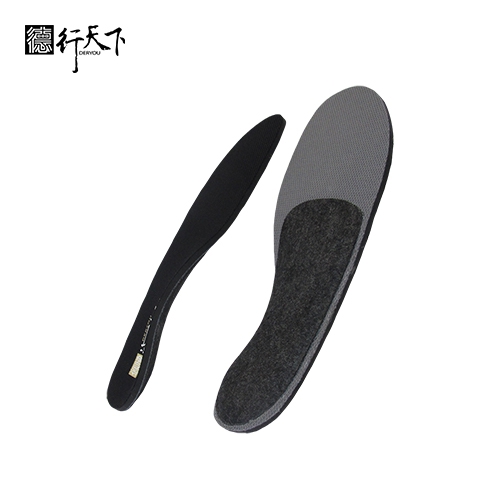
At GuangXin Industrial, our core strength lies in our deep expertise and versatility in insole and pillow manufacturing. We specialize in working with a wide range of materials, including PU (polyurethane), natural latex, and advanced graphene composites, to develop insoles and pillows that meet diverse performance, comfort, and health-support needs.
Whether it's cushioning, support, breathability, or antibacterial function, we tailor material selection to the exact requirements of each project-whether for foot wellness or ergonomic sleep products.
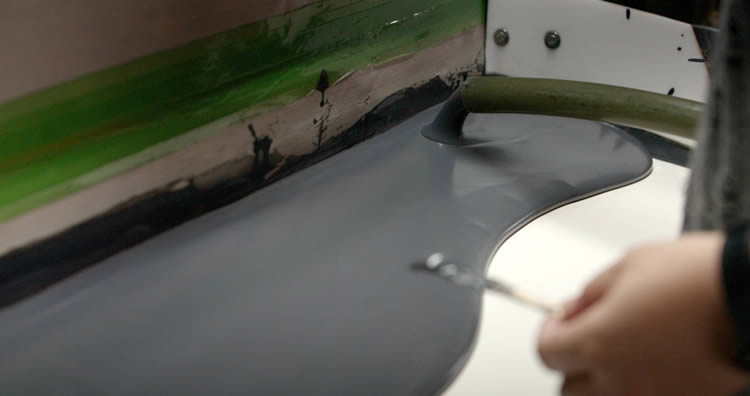
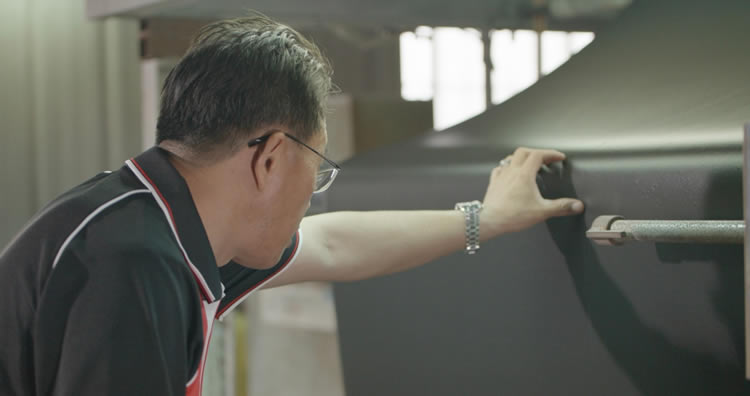
We provide end-to-end manufacturing capabilities under one roof—covering every stage from material sourcing and foaming, to precision molding, lamination, cutting, sewing, and strict quality control. This full-process control not only ensures product consistency and durability, but also allows for faster lead times and better customization flexibility.
With our flexible production capacity, we accommodate both small batch custom orders and high-volume mass production with equal efficiency. Whether you're a startup launching your first insole or pillow line, or a global brand scaling up to meet market demand, GuangXin is equipped to deliver reliable OEM/ODM solutions that grow with your business.
Customization & OEM/ODM Flexibility
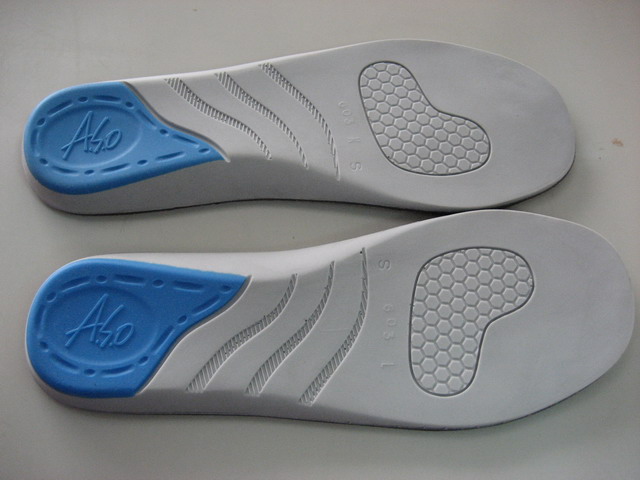
GuangXin offers exceptional flexibility in customization and OEM/ODM services, empowering our partners to create insole products that truly align with their brand identity and target market. We develop insoles tailored to specific foot shapes, end-user needs, and regional market preferences, ensuring optimal fit and functionality.
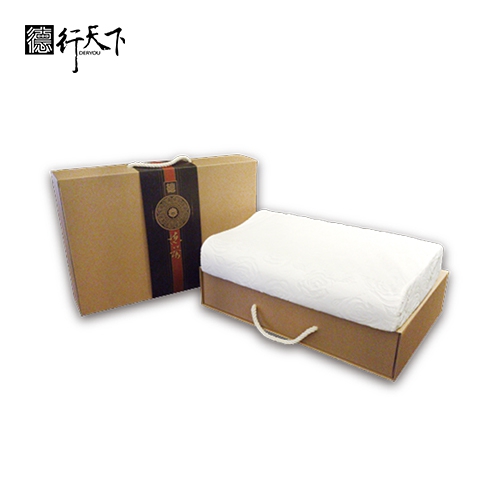
Our team supports comprehensive branding solutions, including logo printing, custom packaging, and product integration support for marketing campaigns. Whether you're launching a new product line or upgrading an existing one, we help your vision come to life with attention to detail and consistent brand presentation.
With fast prototyping services and efficient lead times, GuangXin helps reduce your time-to-market and respond quickly to evolving trends or seasonal demands. From concept to final production, we offer agile support that keeps you ahead of the competition.
Quality Assurance & Certifications
Quality is at the heart of everything we do. GuangXin implements a rigorous quality control system at every stage of production—ensuring that each insole meets the highest standards of consistency, comfort, and durability.
We provide a variety of in-house and third-party testing options, including antibacterial performance, odor control, durability testing, and eco-safety verification, to meet the specific needs of our clients and markets.
Our products are fully compliant with international safety and environmental standards, such as REACH, RoHS, and other applicable export regulations. This ensures seamless entry into global markets while supporting your ESG and product safety commitments.
ESG-Oriented Sustainable Production
At GuangXin Industrial, we are committed to integrating ESG (Environmental, Social, and Governance) values into every step of our manufacturing process. We actively pursue eco-conscious practices by utilizing eco-friendly materials and adopting low-carbon production methods to reduce environmental impact.
To support circular economy goals, we offer recycled and upcycled material options, including innovative applications such as recycled glass and repurposed LCD panel glass. These materials are processed using advanced techniques to retain performance while reducing waste—contributing to a more sustainable supply chain.
We also work closely with our partners to support their ESG compliance and sustainability reporting needs, providing documentation, traceability, and material data upon request. Whether you're aiming to meet corporate sustainability targets or align with global green regulations, GuangXin is your trusted manufacturing ally in building a better, greener future.
Let’s Build Your Next Insole Success Together
Looking for a reliable insole manufacturing partner that understands customization, quality, and flexibility? GuangXin Industrial Co., Ltd. specializes in high-performance insole production, offering tailored solutions for brands across the globe. Whether you're launching a new insole collection or expanding your existing product line, we provide OEM/ODM services built around your unique design and performance goals.
From small-batch custom orders to full-scale mass production, our flexible insole manufacturing capabilities adapt to your business needs. With expertise in PU, latex, and graphene insole materials, we turn ideas into functional, comfortable, and market-ready insoles that deliver value.
Contact us today to discuss your next insole project. Let GuangXin help you create custom insoles that stand out, perform better, and reflect your brand’s commitment to comfort, quality, and sustainability.
🔗 Learn more or get in touch:
🌐 Website: https://www.deryou-tw.com/
📧 Email: shela.a9119@msa.hinet.net
📘 Facebook: facebook.com/deryou.tw
📷 Instagram: instagram.com/deryou.tw
Innovative pillow ODM production solution in Taiwan
Are you looking for a trusted and experienced manufacturing partner that can bring your comfort-focused product ideas to life? GuangXin Industrial Co., Ltd. is your ideal OEM/ODM supplier, specializing in insole production, pillow manufacturing, and advanced graphene product design.
With decades of experience in insole OEM/ODM, we provide full-service manufacturing—from PU and latex to cutting-edge graphene-infused insoles—customized to meet your performance, support, and breathability requirements. Our production process is vertically integrated, covering everything from material sourcing and foaming to molding, cutting, and strict quality control.China insole ODM for global brands
Beyond insoles, GuangXin also offers pillow OEM/ODM services with a focus on ergonomic comfort and functional innovation. Whether you need memory foam, latex, or smart material integration for neck and sleep support, we deliver tailor-made solutions that reflect your brand’s values.
We are especially proud to lead the way in ESG-driven insole development. Through the use of recycled materials—such as repurposed LCD glass—and low-carbon production processes, we help our partners meet sustainability goals without compromising product quality. Our ESG insole solutions are designed not only for comfort but also for compliance with global environmental standards.Graphene insole OEM factory Vietnam
At GuangXin, we don’t just manufacture products—we create long-term value for your brand. Whether you're developing your first product line or scaling up globally, our flexible production capabilities and collaborative approach will help you go further, faster.Breathable insole ODM development Taiwan
📩 Contact us today to learn how our insole OEM, pillow ODM, and graphene product design services can elevate your product offering—while aligning with the sustainability expectations of modern consumers.Custom graphene foam processing Taiwan
UCLA-led research confirms and expands on protein’s role in blood vessel permeability and steps leading to white matter injury and cognitive decline. UCLA researchers have identified placental growth factor (PlGF) as a potential blood biomarker for early detection of cognitive impairment and dementia. High PlGF levels correlate with increased vascular permeability, suggesting its role in the development of cerebral small vessel disease. This finding could enable earlier identification and intervention for at-risk individuals compared to current MRI-based diagnostics. Vascular Changes and Dementia Researchers and clinicians typically use MRI scans to track brain blood vessel changes linked to cognitive impairment and dementia. These scans detect “downstream” biological markers — signs that appear later in the disease process. However, a multicenter study led by UCLA researchers suggests that a simple blood test could spot earlier changes, potentially identifying at-risk patients sooner and at a lower cost. “We studied a protein in the blood that is critical in the formation of blood vessels but that also appears to play a role in vascular permeability associated with cognitive decline,” explained Jason Hinman, MD, PhD, a vascular neurologist at UCLA Health, Interim Co-Director of the Mary S. Easton Center for Alzheimer’s Research and Care at David Geffen School of Medicine at UCLA and senior author of an article in Alzheimer’s & Dementia: The Journal of the Alzheimer’s Association. “Evaluating data from a large group of patients with a range of vascular risk profiles and cognition ranging from unimpaired to mild dementia, we found that plasma levels of this protein, placental growth factor (PlGF), could potentially be used as a biomarker to screen for and monitor cognitive impairment and dementia.” Cerebral Small Vessel Disease and Biomarkers Dysfunctional cells lining blood vessels in the brain are increasingly recognized as a key driver of processes leading to cerebral small vessel disease (CSVD), a major contributor to cognitive decline and dementia. The leaky vessels are believed to allow fluid and inflammatory molecules to seep into brain tissue. CSVD is typically diagnosed through costly brain MRI, where areas of vascular-mediated brain injury appear as bright spots on clinical MRI sequences – called white matter hyperintensities, or WMH. WMH and other structural changes are late markers of vascular brain injury. Potential of PlGF as a Biomarker The researchers studied possible associations involving several factors: plasma levels of PlGF, a highly sensitive research MRI measure of fluid accumulation in the brain called white matter free water (FW), white matter hyperintensities, and patients’ scores on cognitive assessments. Results were consistent with models suggesting that elevated PlGF increases vascular permeability, leading to accumulation of fluid in the brain’s white matter, development of white matter hyperintensities, and subsequent cognitive impairment. “As a biomarker for cerebral small vessel disease and the vascular contributions to cognitive impairment and dementia (VCID), PlGF could be used as a cost-effective screening tool for identifying patients at risk for vascular brain injury before the insidious onset of cognitive decline,” said first author Kyle Kern, MD, a vascular neurologist at UCLA Health and researcher at David Geffen School of Medicine at UCLA. “As a simple blood test, such a tool would be valuable not only for patients and clinicians, but also for researchers identifying patients for clinical trials,” he said. Study Design and Future Directions The study was conducted by researchers involved in MarkVCID, a multisite consortium established to validate candidate biomarkers for CSVD through recruitment of participants from diverse racial and ethnic backgrounds, with a range of vascular risk factors, and across the spectrum of cognitive impairment. Participants were 55 or older and had undergone brain MRI and blood tests for PlGF levels. The authors said that while the study’s multicenter design and large, diverse sample support the use of PlGF as a biomarker, additional longitudinal studies are needed to reach conclusions about causation and timing in the relationships among PlGF, FW, WMH, and cognition. Ideally, PlGF could be used to screen younger populations for whom currently available treatments and lifestyle modifications may prevent or reverse the deleterious effects of vascular injury before the onset of cognitive dysfunction. The research group is recruiting patients for future studies. Reference: “White matter free water mediates the associations between placental growth factor, white matter hyperintensities, and cognitive status” by Kyle C. Kern, Manu Vohra, Marissa L. Thirion, Danny J. J. Wang, Donna M. Wilcock, Jeffrey F. Thompson, Gary A. Rosenberg, Abhay Sagare, Abhay Moghekar, Hanzhang Lu, Tiffany Lee, Fanny M. Elahi, Claudia L. Satizabal, Russell Tracy, Sudha Seshadri, Kristin Schwab, Karl Helmer, Herpreet Singh, Pia Kivisäkk, Steven M. Greenberg, Keith Vossel, Joel H. Kramer, Pauline Maillard, Charles S. DeCarli and Jason D. Hinman, 18 December 2024, Alzheimer’s & Dementia. DOI: 10.1002/alz.14408 Funding: National Institutes of Health, Grant/Award Numbers: U24NS100591, UH2NS100599, UH2/UH3NS100605, UH2NS100588, UH2NS100608, UH2NS100606, UH2NS100598, UH2NS100614, UF1NS125513, the BrightFocus Foundation.
An in-depth analysis of the fossil record by researchers from the University of Bristol and the University of Fribourg has suggested that placental mammals, a group that includes species like humans, dogs, and bats, evolved during the Cretaceous period, co-existing briefly with dinosaurs before their extinction. (Unlike this artist’s depiction, the earliest placental mammals are thought to have resembled tiny chipmunks.) A Cretaceous origin for placental mammals, the group that includes humans, dogs, and bats, has been revealed by in-depth analysis of the fossil record, showing they co-existed with dinosaurs for a short time before the dinosaurs went extinct. The catastrophic destruction triggered by the asteroid hitting the Earth resulted in the death of all non-avian dinosaurs in an event termed the Cretaceous-Paleogene (K-Pg) mass extinction. Debate has long raged among researchers over whether placental mammals were present alongside the dinosaurs before the mass extinction, or whether they only evolved after the dinosaurs were done away with. Fossils of placental mammals are only found in rocks younger than 66 million years old, which is when the asteroid hit Earth, suggesting that the group evolved after the mass extinction. However, molecular data has long suggested an older age for placental mammals. In a new paper published in the journal Current Biology, a team of palaeobiologists from the University of Bristol and the University of Fribourg used statistical analysis of the fossil record to determine that placental mammals originated before the mass extinction, meaning they co-existed with dinosaurs for a short time. However, it was only after the asteroid impact that modern lineages of placental mammals began to evolve, suggesting that they were better able to diversify once the dinosaurs were gone. The researchers collected extensive fossil data from placental mammal groups extending all the way back to the mass extinction 66 million years ago. Lead author Emily Carlisle of Bristol’s School of Earth Sciences said: “We pulled together thousands of fossils of placental mammals and were able to see the patterns of origination and extinction of the different groups. Based on this, we could estimate when placental mammals evolved.” Co-author Daniele Silvestro (University of Fribourg) explained: “The model we used estimates origination ages based on when lineages first appear in the fossil record and the pattern of species diversity through time for the lineage. It can also estimate extinction ages based on last appearances when the group is extinct.” The Role of Mass Extinction Events in Mammalian Evolution Co-author Professor Phil Donoghue, also from Bristol, added: “By examining both origins and extinctions, we can more clearly see the impact of events such as the K-Pg mass extinction or the Paleocene-Eocene Thermal Maximum (PETM).” Primates, the group that includes the human lineage, as well as Lagomorpha (rabbits and hares) and Carnivora (dogs and cats) were shown to have evolved just before the K-Pg mass extinction, which means our ancestors were mingling with dinosaurs. After they survived the asteroid impact, placental mammals rapidly diversified, perhaps spurred on by the loss of competition from the dinosaurs. Reference: “A timescale for placental mammal diversification based on Bayesian modeling of the fossil record” by Emily Carlisle, Christine M. Janis, Davide Pisani, Philip C.J. Donoghue and Daniele Silvestro, 27 June 2023, Current Biology. DOI: 10.1016/j.cub.2023.06.016 This work was carried out using the computational facilities of the Advanced Computing Research Centre, University of Bristol.
Artistic rendition of the decapitation scene of Tanystropheus hydroides. Credit: Roc Olivé (Institut Català de Paleontologia Miquel Crusafont)/FECYT Fossil evidence reveals that the long necks of the ancient marine reptiles, Tanystropheus, made them vulnerable to predators. The study found bite marks on the necks of the fossils, providing the first direct proof of this long-suspected evolutionary disadvantage despite their survival success over a span of 175 million years. In the age of dinosaurs, many marine reptiles had extremely long necks compared to reptiles today. While it was clearly a successful evolutionary strategy, paleontologists have long suspected that their long-necked bodies made them vulnerable to predators. Now, after almost 200 years of continued research, direct fossil evidence confirms this scenario for the first time in the most graphic way imaginable. Researchers reporting in the journal Current Biology on June 19 studied the unusual necks of two Triassic species of Tanystropheus, a type of reptile distantly related to crocodiles, birds, and dinosaurs. The species had unique necks composed of 13 extremely elongated vertebrae and strut-like ribs. Consequently, these marine reptiles likely possessed stiffened necks and waited to ambush their prey. But Tanystropheus’s predators apparently also took advantage of the long neck for their own gain. Careful examination of their fossilized bones now shows that the necks of two existing specimens representing different species with severed necks have clear bite marks on them, in one case right where the neck was broken. The findings offer gruesome and exceedingly rare evidence for predator-prey interactions in the fossil record going back over 240 million years ago, the researchers say. A 200-Year-Old Hypothesis Confirmed “Paleontologists speculated that these long necks formed an obvious weak spot for predation, as was already vividly depicted almost 200 years ago in a famous painting by Henry de la Beche from 1830,” said Stephan Spiekman of the Staatliches Museum für Naturkunde Stuttgart, Germany. “Nevertheless, there was no evidence of decapitation—or any other sort of attack targeting the neck—known from the abundant fossil record of long-necked marine reptiles until our present study on these two specimens of Tanystropheus.” Spiekman had studied these reptiles as the main subject of his doctoral work at the Paleontological Museum of the University of Zurich, Switzerland, where the specimens are housed. He recognized that two species of Tanystropheus lived in the same environment, one small species, about a meter and a half in length, likely feeding on soft-shelled animals like shrimp, and a much larger species of up to six meters long that fed on fish and squid. He also found clear evidence in the shape of the skull that Tanystropheus likely spent most of its time in the water. It had been well known that two specimens of these species had well-preserved heads and necks that abruptly ended. It had been speculated that these necks were bitten off, but no one had studied this in detail. In the new study, Spiekman teamed up with Eudald Mujal, also of the Stuttgart Museum, and a research associate at the Institut Català de Paleontologia Miquel Crusafont, Spain, who is an expert on fossil preservation and predatory interactions in the fossil record based on bite traces on bones. After an afternoon spent examining the two specimens in Zurich, they concluded that the necks had clearly been bitten off. “Something that caught our attention is that the skull and portion of the neck preserved are undisturbed, only showing some disarticulation due to the typical decay of a carcass in a quiet environment,” Mujal said. “Only the neck and head are preserved; there is no evidence whatsoever of the rest of the animals. The necks end abruptly, indicating they were completely severed by another animal during a particularly violent event, as the presence of tooth traces evinces.” “The fact that the head and neck are so undisturbed suggests that when they reached the place of their final burial, the bones were still covered by soft tissues like muscle and skin,” Mujal continued. “They were clearly not fed on by the predator. Although this is speculative, it would make sense that the predators were less interested in the skinny neck and small head, and instead focused on the much meatier parts of the body. Taken together, these factors make it most likely that both individuals were decapitated during the hunt and not scavenged, although scavenging can never be fully excluded in fossils that are this old.” A Recurring Evolutionary Trade-Off “Interestingly, the same scenario—although certainly executed by different predators—played out for both specimens, which remember, represent individuals of two different Tanystropheus species, which are very different in size and possibly lifestyle,” Spiekman says. The findings confirm earlier interpretations that the ancient reptiles’ necks represent a completely unique evolutionary structure that was much narrower and stiffer than those of long-necked plesiosaurs, according to the researchers. They also show that evolving a long neck as a sea reptile came with potential downsides. Nevertheless, they note, elongated necks were clearly a highly successful evolutionary strategy, found in many different marine reptiles over a time span of 175 million years. “In a very broad sense, our research once again shows that evolution is a game of trade-offs,” Spiekman says. “The advantage of having a long neck clearly outweighed the risk of being targeted by a predator for a very long time. Even Tanystropheus itself was quite successful in evolutionary terms, living for at least 10 million years and occurring in what is now Europe, the Middle East, China, North America, and possibly South America.” Reference: “Decapitation in the long-necked reptile Tanystropheus (Archosauromorpha, Tanystropheidae)” by Stephan N.F. Spiekman and Eudald Mujal, 19 June 2023, Current Biology. DOI: 10.1016/j.cub.2023.04.027 This work was supported by the Fundación Española para la Ciencia y la Tecnología – Ministerio de Ciencia e Innovación, Deutsche Forschungsgemeinschaft, Generalitat de Catalunya.
DVDV1551RTWW78V
Pillow OEM for wellness brands China 》tailored support for growing product linesCustom foam pillow OEM in Taiwan 》helping your brand lead with innovation and integritySmart pillow ODM manufacturer Taiwan 》empowering smart brands through better materials and process
下一則: Custom graphene foam processing Vietnam 》committed
- China graphene material ODM solution 》small batch
- Orthopedic pillow OEM solutions Taiwan 》delivering
- Insole ODM factory in Indonesia 》empowering your p
- Customized sports insole ODM China 》the ideal part
- One-stop OEM/ODM solution provider China 》empoweri
- Vietnam anti-odor insole OEM service 》meeting your
限會員,要發表迴響,請先登入


