Introduction – Company Background
GuangXin Industrial Co., Ltd. is a specialized manufacturer dedicated to the development and production of high-quality insoles.
With a strong foundation in material science and footwear ergonomics, we serve as a trusted partner for global brands seeking reliable insole solutions that combine comfort, functionality, and design.
With years of experience in insole production and OEM/ODM services, GuangXin has successfully supported a wide range of clients across various industries—including sportswear, health & wellness, orthopedic care, and daily footwear.
From initial prototyping to mass production, we provide comprehensive support tailored to each client’s market and application needs.
At GuangXin, we are committed to quality, innovation, and sustainable development. Every insole we produce reflects our dedication to precision craftsmanship, forward-thinking design, and ESG-driven practices.
By integrating eco-friendly materials, clean production processes, and responsible sourcing, we help our partners meet both market demand and environmental goals.
Core Strengths in Insole Manufacturing
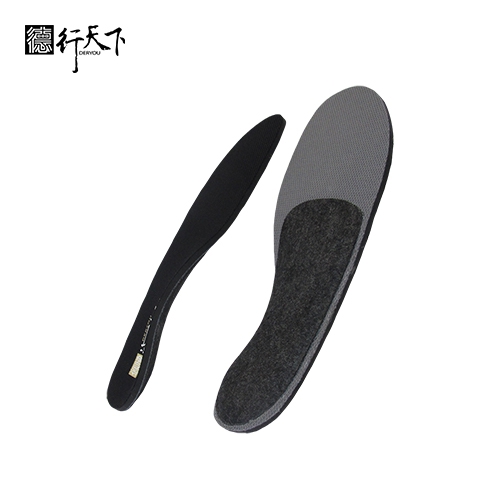
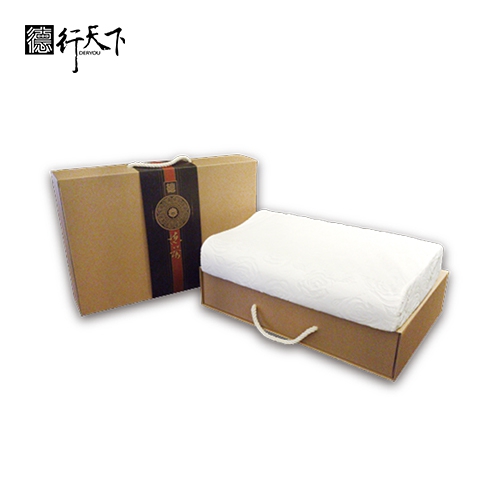
At GuangXin Industrial, our core strength lies in our deep expertise and versatility in insole and pillow manufacturing. We specialize in working with a wide range of materials, including PU (polyurethane), natural latex, and advanced graphene composites, to develop insoles and pillows that meet diverse performance, comfort, and health-support needs.
Whether it's cushioning, support, breathability, or antibacterial function, we tailor material selection to the exact requirements of each project-whether for foot wellness or ergonomic sleep products.
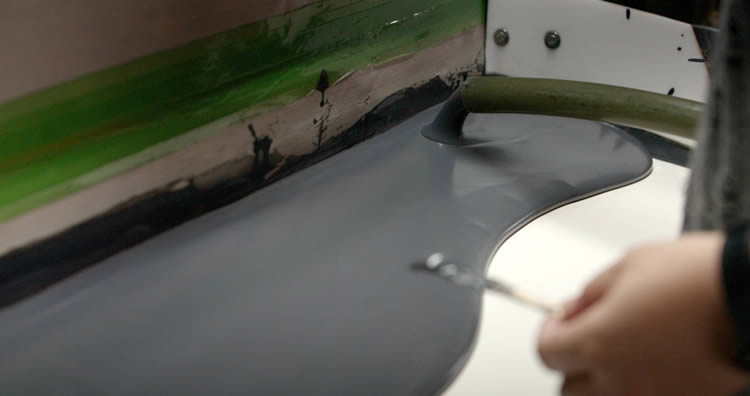
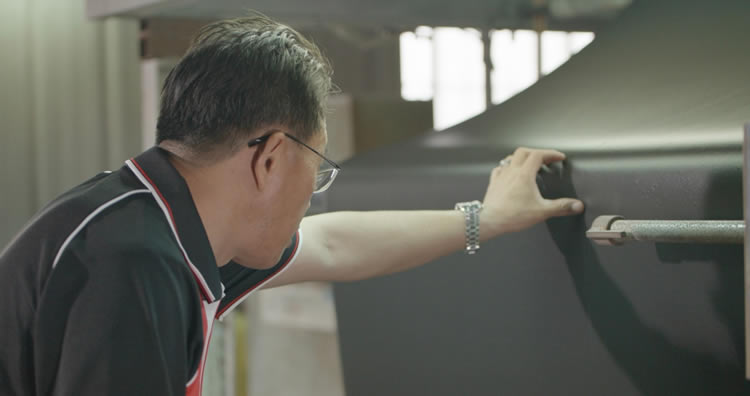
We provide end-to-end manufacturing capabilities under one roof—covering every stage from material sourcing and foaming, to precision molding, lamination, cutting, sewing, and strict quality control. This full-process control not only ensures product consistency and durability, but also allows for faster lead times and better customization flexibility.
With our flexible production capacity, we accommodate both small batch custom orders and high-volume mass production with equal efficiency. Whether you're a startup launching your first insole or pillow line, or a global brand scaling up to meet market demand, GuangXin is equipped to deliver reliable OEM/ODM solutions that grow with your business.
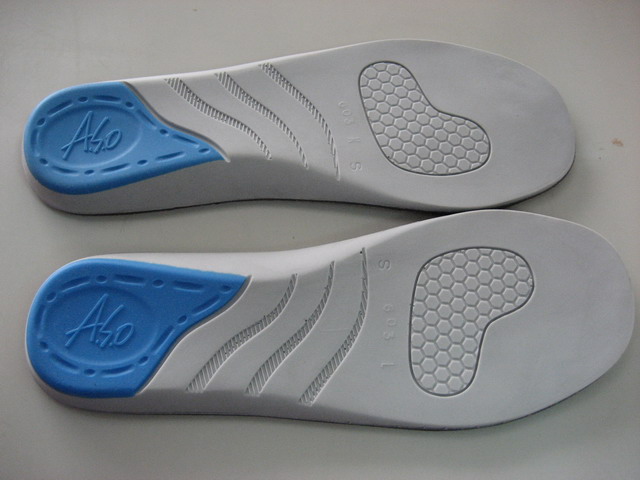
Customization & OEM/ODM Flexibility
GuangXin offers exceptional flexibility in customization and OEM/ODM services, empowering our partners to create insole products that truly align with their brand identity and target market. We develop insoles tailored to specific foot shapes, end-user needs, and regional market preferences, ensuring optimal fit and functionality.
Our team supports comprehensive branding solutions, including logo printing, custom packaging, and product integration support for marketing campaigns. Whether you're launching a new product line or upgrading an existing one, we help your vision come to life with attention to detail and consistent brand presentation.
With fast prototyping services and efficient lead times, GuangXin helps reduce your time-to-market and respond quickly to evolving trends or seasonal demands. From concept to final production, we offer agile support that keeps you ahead of the competition.
Quality Assurance & Certifications
Quality is at the heart of everything we do. GuangXin implements a rigorous quality control system at every stage of production—ensuring that each insole meets the highest standards of consistency, comfort, and durability.
We provide a variety of in-house and third-party testing options, including antibacterial performance, odor control, durability testing, and eco-safety verification, to meet the specific needs of our clients and markets.
Our products are fully compliant with international safety and environmental standards, such as REACH, RoHS, and other applicable export regulations. This ensures seamless entry into global markets while supporting your ESG and product safety commitments.
ESG-Oriented Sustainable Production
At GuangXin Industrial, we are committed to integrating ESG (Environmental, Social, and Governance) values into every step of our manufacturing process. We actively pursue eco-conscious practices by utilizing eco-friendly materials and adopting low-carbon production methods to reduce environmental impact.
To support circular economy goals, we offer recycled and upcycled material options, including innovative applications such as recycled glass and repurposed LCD panel glass. These materials are processed using advanced techniques to retain performance while reducing waste—contributing to a more sustainable supply chain.
We also work closely with our partners to support their ESG compliance and sustainability reporting needs, providing documentation, traceability, and material data upon request. Whether you're aiming to meet corporate sustainability targets or align with global green regulations, GuangXin is your trusted manufacturing ally in building a better, greener future.
Let’s Build Your Next Insole Success Together
Looking for a reliable insole manufacturing partner that understands customization, quality, and flexibility? GuangXin Industrial Co., Ltd. specializes in high-performance insole production, offering tailored solutions for brands across the globe. Whether you're launching a new insole collection or expanding your existing product line, we provide OEM/ODM services built around your unique design and performance goals.
From small-batch custom orders to full-scale mass production, our flexible insole manufacturing capabilities adapt to your business needs. With expertise in PU, latex, and graphene insole materials, we turn ideas into functional, comfortable, and market-ready insoles that deliver value.
Contact us today to discuss your next insole project. Let GuangXin help you create custom insoles that stand out, perform better, and reflect your brand’s commitment to comfort, quality, and sustainability.
🔗 Learn more or get in touch:
🌐 Website: https://www.deryou-tw.com/
📧 Email: shela.a9119@msa.hinet.net
📘 Facebook: facebook.com/deryou.tw
📷 Instagram: instagram.com/deryou.tw
ODM pillow for sleep brands Thailand
Are you looking for a trusted and experienced manufacturing partner that can bring your comfort-focused product ideas to life? GuangXin Industrial Co., Ltd. is your ideal OEM/ODM supplier, specializing in insole production, pillow manufacturing, and advanced graphene product design.
With decades of experience in insole OEM/ODM, we provide full-service manufacturing—from PU and latex to cutting-edge graphene-infused insoles—customized to meet your performance, support, and breathability requirements. Our production process is vertically integrated, covering everything from material sourcing and foaming to molding, cutting, and strict quality control.Graphene cushion OEM factory in Taiwan
Beyond insoles, GuangXin also offers pillow OEM/ODM services with a focus on ergonomic comfort and functional innovation. Whether you need memory foam, latex, or smart material integration for neck and sleep support, we deliver tailor-made solutions that reflect your brand’s values.
We are especially proud to lead the way in ESG-driven insole development. Through the use of recycled materials—such as repurposed LCD glass—and low-carbon production processes, we help our partners meet sustainability goals without compromising product quality. Our ESG insole solutions are designed not only for comfort but also for compliance with global environmental standards.Taiwan ergonomic pillow OEM factory supplier
At GuangXin, we don’t just manufacture products—we create long-term value for your brand. Whether you're developing your first product line or scaling up globally, our flexible production capabilities and collaborative approach will help you go further, faster.Cushion insole OEM solution Indonesia
📩 Contact us today to learn how our insole OEM, pillow ODM, and graphene product design services can elevate your product offering—while aligning with the sustainability expectations of modern consumers.Insole ODM factory in China
Syracuse University biologists co-authored a study exploring how sea urchin adhesive abilities are affected by differing levels of water salinity. Credit: Syracuse University Researchers from Syracuse University are investigating the effects of excess freshwater, resulting from climate change-driven occurrences like intensified heavy rainfall, on the survival of sea urchins. When navigating through a heavy rainstorm, maintaining grip on the road is essential. Should your vehicle’s tires be deficient in tread, you’ll find yourself skidding and sliding, unable to control the car safely. A parallel can be drawn with sea urchins living in nearshore, shallow water habitats during torrential rains. Such downpours lead to a change in the ocean’s salt concentration, resulting in lower salinity levels. This minor shift in salinity can have a profound effect on sea urchins’ ability to firmly affix their tube feet to the surfaces around them, akin to the way tires need to grip the road. For these small, spiky marine animals, this isn’t just an inconvenience but a matter of survival. Their adhesive structures enable them to move amidst the wave-swept rocks near the shore, and without this ability, their very lives are at risk. Syracuse University biologists co-authored a study exploring how sea urchin adhesive abilities are affected by differing levels of water salinity. The Critical Role of Sea Urchins in Marine Ecosystems The survival of sea urchins is vital for maintaining balance within marine ecosystems. Sea urchins are responsible for grazing around 45% of the algae on coral reefs. Without sea urchins, coral reefs can become overgrown with macroalgae, which can limit the growth of corals. With the importance of coral reefs for coastal protection and preservation of biodiversity, it is critical to safeguard the sea urchin population. Syracuse University graduate student Andrew Moura (right) and former Villanova University undergraduate student Jack Cucchiara check salinity levels among the 10 different groups of sea urchins at Friday Harbor Laboratories. Credit: Syracuse University, University of Washington As global climate change causes weather extremes ranging from heat waves and droughts to heavy rains and flooding, the large amounts of freshwater pouring into nearshore ecosystems are altering habitats. A team of biologists, led by Austin Garner, assistant professor in the College of Arts and Sciences’ Department of Biology, studied the impacts of low salinity and how it alters sea urchins’ ability to grip and move within their habitat. Garner, who is a member of Syracuse University’s BioInspired Institute, studies how animals attach to surfaces in variable environments from the perspective of both the life and physical sciences. The team’s study, recently published in the Journal of Experimental Biology, sought to understand how sea urchin populations will be affected by future extreme climatic events. “While many marine animals can regulate the amount of water and salts in their bodies, sea urchins are not as effective at this,” says Garner. “As a result, they tend to be restricted to a narrow range of salinity levels. Torrential precipitation can cause massive amounts of freshwater to be dumped into the ocean along the coastline causing rapid reductions in the concentration of salt in seawater.” The group’s research was conducted at the University of Washington’s Friday Harbor Laboratories (FHL). The study’s lead author, Andrew Moura, who is a graduate student in Garner’s lab at Syracuse, traveled to FHL along with Garner and researchers from Villanova University to conduct experiments with live green sea urchins. They worked alongside former FHL postdoctoral scholar Carla Narvaez, who is now an assistant professor of biology at Rhode Island College, and Villanova University professors Alyssa Stark and Michael Russell. Syracuse University biology professor Austin Garner holding a sea urchin. Credit: Syracuse University At FHL, the researchers separated sea urchins into 10 groups based on differing salinity levels within each tank, from normal to very low salt content. Among each group, they tested metrics including righting response (the ability for sea urchins to flip themselves over), locomotion (speed from one point to another), and adhesion (force at which their tube feet detach from a surface). In Garner’s lab at Syracuse, he and Moura completed data analysis to compare each metric. Reduced Salinity Weakens Sea Urchin Abilities The team found that sea urchin righting response, movement, and adhesive ability were all negatively impacted by low salinity conditions. Interestingly, though, sea urchin adhesive ability was not severely impacted until very low salinity levels, indicating that sea urchins may be able to remain attached in challenging nearshore environmental conditions even though activities that require greater coordination of tube feet (righting and movement) may not be possible. “When we see this decrease in performance under very low salinity, we might start seeing shifts in where sea urchins might be living as a consequence of their inability to remain stuck in certain areas that experience low salinity,” explains Moura. “That could change how much sea urchin grazing is happening and could have profound ecosystem effects.” Learning from Sea Urchin Adhesion Their work provides critical data that enhances researchers’ ability to predict how important animals like sea urchins will fare in a changing world. The adhesion principles Garner and his team are exploring could also come in handy for human-designed adhesive materials – work that aligns with the Syracuse University BioInspired Institute’s mission of addressing global challenges through innovative research. “If we can learn the fundamental principles and molecular mechanisms that allow sea urchins to secrete a permanent adhesive and use it for temporary attachment, we could harness that power into the design challenges or our adhesives today,” says Garner. “Imagine being able to have an adhesive that is otherwise permanent, but then you add another component, and it breaks it down and you can go stick it again somewhere else. It’s a perfect example of how biology can be used to enhance the everyday products around us.” Reference: “Hyposalinity reduces coordination and adhesion of sea urchin tube feet” by Andrew J. Moura, Austin M. Garner, Carla A. Narvaez, Jack P. Cucchiara, Alyssa Y. Stark and Michael P. Russell, 30 June 2023, Journal of Experimental Biology. DOI: 10.1242/jeb.245750
Scientists have discovered that elephant seals only average two hours of sleep per day when they are at sea on long foraging trips, with short naps occurring during deep, 30-minute dives. The study, led by Jessica Kendall-Bar at UC Santa Cruz, is the first to record brain activity in a wild marine mammal, shedding light on their unique sleep habits. Elephant seals are vulnerable to predators at the ocean surface, so they spend minimal time breathing there and instead fall into a deep slumber during their dives in deeper waters. Brainwave patterns show elephant seals take short naps while holding their breath on deep dives, averaging just 2 hours of sleep per day while at sea. For the first time, scientists have recorded brain activity in a free-ranging, wild marine mammal, revealing the sleep habits of elephant seals during the months they spend at sea. The new findings, published on April 20 in the journal Science, show that while elephant seals may spend 10 hours a day sleeping on the beach during the breeding season, they average just 2 hours of sleep per day when they are at sea on months-long foraging trips. They sleep for about 10 minutes at a time during deep, 30-minute dives, often spiraling downward while fast asleep, and sometimes lying motionless on the seafloor. First author Jessica Kendall-Bar led the study as a University of California, Santa Cruz (UCSC) graduate student working with Daniel Costa and Terrie Williams, both professors of ecology and evolutionary biology at UCSC. Elephant seals sleep about 10 hours a day on the beach, but during months-long foraging trips at sea they average just 2 hours of sleep per day. These 2-month-old northern elephant seals are sleeping on the beach at Año Nuevo State Park. Credit: Photo by Jessica Kendall-Bar, NMFS 23188 “For years, one of the central questions about elephant seals has been when do they sleep,” said Costa, who directs UCSC’s Institute of Marine Sciences. Costa’s lab has led the UCSC elephant seal research program at Año Nuevo Reserve for over 25 years, using increasingly sophisticated tags to track the movements and diving behavior of the seals during their foraging migrations, when they head out into the North Pacific Ocean for as long as 8 months. “The dive records show that they are constantly diving, so we thought they must be sleeping during what we call drift dives, when they stop swimming and slowly sink, but we really didn’t know,” Costa said. “Now we’re finally able to say they’re definitely sleeping during those dives, and we also found that they’re not sleeping very much overall compared to other mammals.” Data-driven animation showing the phases of a sleeping dive to 263 meters. Credit: Animation by Jessica Kendall-Bar In fact, during their months at sea, elephant seals rival the record for the least sleep among all mammals, currently held by African elephants, which appear to sleep just two hours per day based on their movement patterns. “Elephant seals are unusual in that they switch between getting a lot of sleep when they’re on land, over 10 hours a day, and two hours or less when they’re at sea,” said Kendall-Bar, who is currently a postdoctoral fellow at University of California, San Diego’s Scripps Institution of Oceanography. Safe Slumber in the Depths Elephant seals are most vulnerable to predators such as sharks and killer whales when they are at the surface in the open ocean, so they only spend a minute or two breathing at the surface in between dives. “They’re able to hold their breath for a long time, so they can go into a deep slumber on these dives deep below the surface where it’s safe,” Kendall-Bar said. Cetaceans (whales and dolphins) and otariids (fur seals and sea lions) keep one side of their brains awake while the other is asleep (unihemispheric sleep). In most other mammals, including phocids (true seals) and humans, both hemispheres of the brain are asleep at the same time. Credit: Graphic by Jessica Kendall-Bar Kendall-Bar developed a system that can reliably record brain activity (as an electroencephalogram or EEG) in wild elephant seals during their normal diving behavior at sea. With a neoprene headcap to secure the EEG sensors and a small data logger to record the signals, the system can be recovered when the animals return to the beach at Año Nuevo. “We used the same sensors you’d use for a human sleep study at a sleep clinic and a removable, flexible adhesive to attach the headcap so that water couldn’t get in and disrupt the signals,” Kendall-Bar said. In addition to the EEG system, the seals carried time-depth recorders, accelerometers, and other instruments that allowed the researchers to track the seals’ movements along with the corresponding brain activity. The recordings show diving seals going into the deep sleep stage known as slow-wave sleep while maintaining a controlled glide downward, then transitioning into rapid-eye-movement (REM) sleep, when sleep paralysis causes them to turn upside down and drift downwards in a “sleep spiral.” “They go into slow-wave sleep and maintain their body posture for several minutes before they transition into REM sleep, when they lose postural control and turn upside down,” Kendall-Bar said. At the depths at which this happens, the seals are usually negatively buoyant and continue to fall passively in a corkscrew spiral “like a falling leaf,” Williams said. In shallower waters over the continental shelf, elephant seals sometimes sleep while resting on the seafloor. When elephant seals go into rapid-eye-movement (REM) sleep during deep dives, sleep paralysis causes them to turn upside down and drift downwards in a “sleep spiral.” This data-driven graphic shows sleeping postures every 20 seconds, with accompanying 30-second segments of EEG traces in the background. Credit: Graphic by Jessica Kendall-Bar Insights into Seal Behavior and Decision-Making “It doesn’t seem possible that they would truly go into paralytic REM sleep during a dive, but it tells us something about the decision-making processes of these seals to see where in the water column they feel safe enough to go to sleep,” said Williams, who directs the Comparative Neurophysiology Lab at UCSC. In developing the new EEG instrument, Kendall-Bar first deployed it on elephant seals housed temporarily in the marine mammal facilities at UCSC’s Long Marine Laboratory. The next step was to deploy it on animals in the elephant seal colony at Año Nuevo Reserve north of Santa Cruz, where researchers could observe the animals on the beach. “I spent a lot of time watching sleeping seals,” Kendall-Bar said. “Our team monitored instrumented seals to make sure they were able to reintegrate with the colony and were behaving naturally.” Some of those seals took short excursions into the water, but to observe diving behavior the researchers used a translocation procedure developed by Costa’s lab. Juvenile female elephant seals outfitted with the EEG sensors and trackers were transported from Año Nuevo to Monterey and released on a beach at the southern end of Monterey Bay. Over the next few days, the animals would swim back to Año Nuevo across the deep Monterey Canyon, where their dive behavior is very similar to that seen during much longer foraging trips in the open ocean. With data on brain activity and dive behavior from 13 juvenile female elephant seals, including a total of 104 sleep dives, Kendall-Bar developed a highly accurate algorithm for identifying periods of sleep based on the dive data alone. This enabled her to estimate sleep quotas for 334 adult seals using dive data recorded over several months during their foraging trips. “Because of the dataset that Dan Costa has curated over 25 years of working with elephant seals at Año Nuevo, I was able to extrapolate our results to over 300 animals and get a population-level look at sleep behavior,” said Kendall-Bar, who now plans to use similar methods to study brain activity in other species of seals and sea lions and in human freedivers. Williams called Kendall-Bar’s work on the project a tour de force. “It’s an amazing feat to pull this off,” she said. “She developed an EEG system to work on an animal that’s diving several hundred meters in the ocean. Then she uses the data to create data-driven animations so we can really visualize what the animal is doing as it dives through the water column.” The results may be helpful for conservation efforts by revealing a “sleepscape” of preferred resting areas, Williams said. “Normally, we’re concerned about protecting the areas where animals go to feed, but perhaps the places where they sleep are as important as any other critical habitat,” she said. Reference: “Brain activity of diving seals reveals short sleep cycles at depth” by Jessica M. Kendall-Bar, Terrie M. Williams, Ritika Mukherji, Daniel A. Lozano, Julie K. Pitman, Rachel R. Holser, Theresa Keates, Roxanne S. Beltran, Patrick W. Robinson, Daniel E. Crocker, Taiki Adachi, Oleg I. Lyamin, Alexei L. Vyssotski and Daniel P. Costa, 20 April 2023, Science. DOI: 10.1126/science.adf0566 In addition to Kendall-Bar, Costa, and Williams, the coauthors of the paper include Daniel Lozano, Rachel Holser, Theresa Keates, Roxanne Beltran, Patrick Robinson, and Taiki Adachi at UC Santa Cruz; Ritika Mukherji at University of Oxford; Julie Pitman at Sleep Health MD in Santa Cruz; Daniel Crocker at Sonoma State University; Oleg Lyamin at UCLA; and Alexei Vyssotski at the University of Zurich and Swiss Federal Institute of Technology. This work was funded in part by the National Science Foundation and the Office of Naval Research.
A team of researchers has discovered a method to activate a bacterial defense system, known as CBASS, to self-destruct and prevent the spread of viruses among bacteria, potentially offering a new way to manage bacterial infections and combat antibiotic resistance. Credit: SciTechDaily.com Researchers unveil how the self-killing activity of bacteria can be harnessed in the fight against antibiotic resistance. Scientists at the Icahn School of Medicine at Mount Sinai have identified a new approach to controlling bacterial infections. The findings were described in the February 6 online issue of Nature Structural & Molecular Biology. The team found a way to turn on a vital bacterial defense mechanism to fight and manage bacterial infections. The defense system, called cyclic oligonucleotide-based antiphage signaling system (CBASS), is a natural mechanism used by certain bacteria to protect themselves from viral attacks. Bacteria self-destruct as a means to prevent the spread of virus to other bacterial cells in the population. CBASS Defense Mechanism Explored “We wanted to see how the bacterial self-killing CBASS system is activated and whether it can be leveraged to limit bacterial infections,” says co-senior author Aneel Aggarwal, PhD, Professor of Pharmacological Sciences at Icahn Mount Sinai. “This is a fresh approach to tackling bacterial infections, a significant concern in hospitals and other settings. It’s essential to find new tools for fighting antibiotic resistance. In the war against superbugs, we need to constantly innovate and expand our toolkit to stay ahead of evolving drug resistance.” According to a 2019 report by the Centers for Disease Control and Prevention, more than 2.8 million antimicrobial-resistant infections occur in the United States each year, with over 35,000 people dying as a result. Icahn Mount Sinai researchers unveil how the self-killing activity of bacteria can be used in the fight against antibiotic resistance. Above: 3-D structure of CBASS Cap5 protein tetramer (shown in cyan) formed upon binding to the cyclic dinucleotide (shown in orange) to destroy bacteria’s own DNA (model, shown in red). Essential magnesium ions for DNA cleavage are shown in green. Credit: Rechkoblit et al., Nature Structural & Molecular Biology Innovative Strategies Against Superbugs As part of the experiments, the researchers studied how “Cap5,” or CBASS-associated protein 5, is activated for DNA degradation and how it could be used to control bacterial infections through a combination of structural analysis and various biophysical, biochemical, and cellular assays. Cap5 is a key protein that becomes activated by cyclic nucleotides (small signaling molecules) to destroy the bacterial cell’s own DNA. “In our study, we started by identifying which of the many cyclic nucleotides could activate the effector Cap5 of the CBASS system,” says co-senior author Olga Rechkoblit, PhD, Assistant Professor of Pharmacological Sciences at Icahn Mount Sinai. “Once we figured that out, we looked closely at the structure of Cap5 when it’s bound to these small signaling molecules. Then, with expert help from Daniela Sciaky, PhD, a researcher at Icahn Mount Sinai, we showed that by adding these special molecules to the bacteria’s environment, these molecules could potentially be used to eliminate the bacteria.” Overcoming Technical Challenges The researchers found that determining the structure of Cap5 with cyclic nucleotides posed a technical challenge, requiring expert help from Dale F. Kreitler, PhD, AMX Beamline Scientist at Brookhaven National Laboratory. It was achieved by using micro-focused synchrotron X-ray radiation at the same facility. Micro-focused synchrotron X-ray radiation is a type of X-ray radiation that is not only produced using a specific type of particle accelerator (synchrotron) but is also carefully concentrated or focused on a tiny area for more detailed imaging or analysis. Future Directions Next, the researchers will explore how their discoveries apply to other types of bacteria and assess whether their method can be used to manage infections caused by various harmful bacteria. Reference: “Activation of CBASS Cap5 endonuclease immune effector by cyclic nucleotides” by Olga Rechkoblit, Daniela Sciaky, Dale F. Kreitler, Angeliki Buku, Jithesh Kottur and Aneel K. Aggarwal, 6 February 2024, Nature Structural & Molecular Biology. DOI: 10.1038/s41594-024-01220-x Other authors who contributed to this work are Angeliki Buku, PhD, and Jithesh Kottur, PhD, both with Icahn Mount Sinai. The work was funded by National Institutes of Health grants R35-GM131780, P41GM111244, KP1605010, P30 GM124165, S10OD021527, GM103310, and by the Simons Foundation grant SF349247.
DVDV1551RTWW78V
Indonesia sustainable material ODM solutions 》helping brands deliver comfort and performanceIndonesia orthopedic insole OEM manufacturer 》committed to ESG, comfort, and your brand is successInnovative insole ODM solutions in China 》empowering smart brands through better materials and process
下一則: Innovative pillow ODM solution in Thailand 》expert
- China graphene material ODM solution 》small batch
- Orthopedic pillow OEM solutions Taiwan 》delivering
- Insole ODM factory in Indonesia 》empowering your p
- Customized sports insole ODM China 》the ideal part
- One-stop OEM/ODM solution provider China 》empoweri
- Innovative pillow ODM solution in Thailand 》expert
限會員,要發表迴響,請先登入


