孩子出了一個作文題目,叫 “What were your friends like in high school?(你高中同學是什麽樣子?)”。
轉眼,他們去年母親節送我的禮物 “Storyworth " ,每周一篇,已經進入第37篇。我通常按時交卷,即使因爲旅行或生活忙碌沒空寫,事後也會很快補寫。雖然沒有人催促,但沒有補齊,我會很不舒服。可能是從小好學生當慣了,沒寫功課,自己會受不了。呵呵。
以下是我回復這個題目的作文,孩子們讀到媽媽當年的高中生活,都覺得很好玩。
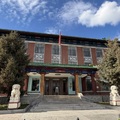
台灣每年各地成績優秀的學生,都希望能到台北參加「高中聯考」,進入最好的高中就讀。
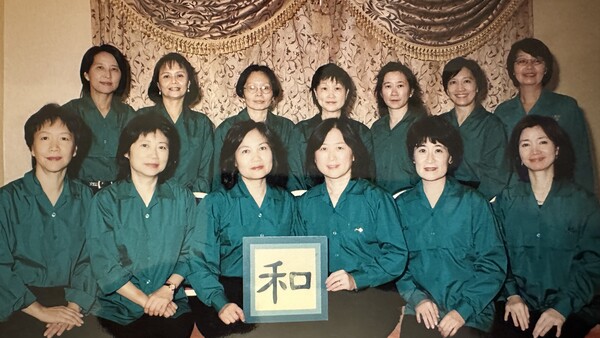
對女生而言,台北高中聯考的第一志願就是台北第一女子高級中學,也就是大家熟知的北一女。北一女的制服是綠色的,因此我們常被稱為「綠園」,意指綠色的校園。在台灣,只要提到北一女,就會聯想到「綠制服」,而綠制服幾乎就是頂尖學校的象徵。
當年進入北一女的同學,在我的印象中大致可以分成幾種類型。
第一種是來自南部或中部的學生。她們多半在學校附近或火車站一帶租屋居住,生活相對獨立,也比較保守安靜。也有一些同學來自桃園或新竹,每天搭乘將近一小時的火車通勤到台北。因為早出晚歸,下課後要趕火車,在外面租房子的回家還得自己準備晚餐、洗衣服,感覺上,她們總是來去匆匆,似乎也比較少與住在台北的同學互動。
第二類是來自私立中學的學生。私立學校需要繳交較高的學費,因此她們多半出身於家庭環境較優渥的家庭。這一群同學通常比較活潑外向,常在週末參加男校舉辦的郊遊、烤肉、登山等活動。印象中,她們多半是外省家庭背景,自信、活躍,也相當善於交際。
第三類則是像我這樣,來自普通公立國中的中產階級學生。我的大多數朋友都屬於這一型,家庭背景相近,個性也較為簡單務實。
在班級裡,同學之間其實也自然形成不同的小圈子。由於一個班大約有五、六十人,座位通常依身高排列,矮的坐前面,中等身高坐中間,高個子則坐在後面。因此,和我比較熟的同學,大多是坐在我附近、身高和我差不多的人,我的好朋友幾乎也都來自這一區。
我們這群朋友在國中時大多是班上的佼佼者,到了高中,雖然大家依然很認真讀書,但也明顯感受到差異。有些同學不需要特別用功,成績就依然名列前茅,這讓人既佩服又羨慕。
多年後參加同學會,我才慢慢發現,原來高中時有不少同學都是校隊成員,包括游泳隊、田徑隊、跳高隊、合唱團等。這些事情在當年幾乎沒有留在我的記憶裡。我唯一有印象的是樂隊和儀隊,因為她們常在下課後於操場練習,整齊的行進和音樂聲格外醒目。至於其他校隊成員,因為生活圈不同,當年幾乎沒有交集,直到多年後的聚會,才慢慢拼湊出大家各自精彩而多元的高中生活。
我高中時參加了學校的基督教團契。每個星期三放學後,我們都會到學校附近的一間教堂聚會。團契裡有幾位感情很好的姐妹,我們也常邀請班上的同學來參加佈道會。那段時間,我們常在校園裡與同學分享信仰、傳揚福音,這幾乎成了我高中生活中最重要的一部分。
回想起來,我在高中應該算是典型的「乖乖牌」學生。生活簡單而單純,除了讀書,就是參加教會與團契活動,幾乎沒有涉入校隊、社團或其他課外活動。當時並不覺得有所缺少,只是專注於自己熟悉、也感到安心的生活節奏。
我們這一屆的高中同學,在台灣各校中算是特別熱衷於舉辦同學會的一群。或許因為女生本來就喜歡聚會,加上大家畢業後多半發展得不錯、個性也較活躍,因此特別珍惜彼此相聚的機會。
原本我們在2020年計畫舉辦一次大型同學會,卻因疫情而無法成行。主辦單位於是改為線上聚會,在 Zoom 上定期舉辦演講、座談與交誼活動,由同學輪流主持與主講,甚至還舉辦線上新年、端午節、中秋節、母親節與聖誕節等慶祝活動,並由同學表演節目。
疫情之後,大家又陸續成立了各式各樣的線上群組,包括養生組、旅遊組、「字裡行間」讀書組、編織組、談天說地組,以及含飴弄孫組等。透過這些群組,同學之間的感情更加凝聚。過去只和同班同學熟識,如今不同班的同學也因網路而變得非常親近。每次我到灣區,或有人回台灣,我們都會找時間小聚。
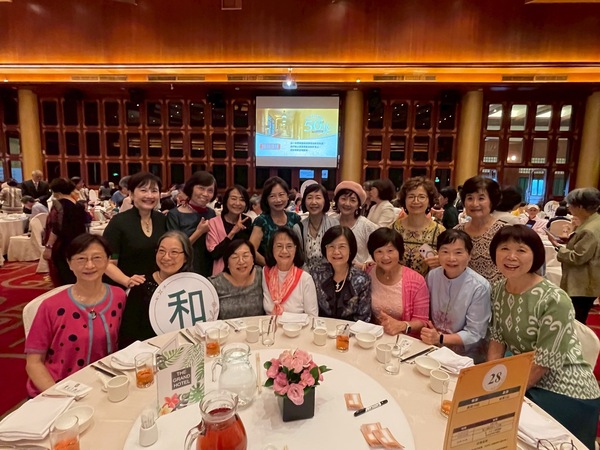
這些年來,與高中同學的持續往來,讓我退休後的生活更加豐富多彩。這些朋友充實了我的生命,拓展了我的視野,也為我保存了許多美好的回憶。和老同學在一起的最大好處,是不會感覺歲月流逝,也不會覺得自己老了,心中始終保有那份高中生般的純真與活力。
能在生命的下半場,與高中同學彼此鼓勵、互相扶持,一起走過人生的旅程,是我內心最深的感恩之一。
---------------------------
What were your friends like in high school?
Every year in Taiwan, top students from all over the country hoped to come to Taipei to take the highly competitive high school entrance exam. Getting into a prestigious school was seen as a major achievement.
For girls, the top choice was Taipei First Girls High School, commonly known as Bei Yi Nu. Its green uniform was iconic. Students were often referred to as belonging to the “Green Campus,” and in Taiwan, the green uniform itself symbolized academic excellence.
When I look back, the students at my high school seemed to fall into several distinct groups.
The first group came from southern or central Taiwan. Many of them rented small apartments near the school or close to the train station and lived very independently. They were usually quiet and conservative. Some students commuted daily from places like Taoyuan or Hsinchu, spending nearly an hour on the train each way. Because they had to leave home early in the morning and rush back after school or need to cook dinner for and do laundry themselves—they seemed constantly in a hurry and interacted less with classmates who lived in Taipei.
The second group came from private middle schools. Since private education required tuition, these students often came from more affluent families. They tended to be outgoing and socially active, frequently joining weekend activities such as hiking, barbecues, or outings organized by nearby boys’ schools. In my mind, many of them came from richer families, were confident, proud, and very sociable.
The third group consisted of students like me—graduates of ordinary public middle schools from middle-class families. Most of my close friends belonged to this group, and we shared similar backgrounds and values.
Even within the same classroom, friendships formed naturally. With classes of fifty or sixty students, seating was arranged by height: shorter students in the front, taller ones in the back. As a result, I became closest to classmates who sat near me and were about my height. Most of my good friends came from this small physical and social proximity.
In junior high, many of us had been top students. In high school, we all continued to study seriously, but differences became more noticeable. Some classmates were simply gifted—they did not need to study very hard to achieve excellent results, which we both admired and envied.
It was only years later, through class reunions, that I realized how many of my classmates had been members of school teams—swimming, track and field, high jump, choir, and more. At the time, I barely noticed. The only groups I clearly remember were the marching bands because they practiced visibly on the field after school, with music and synchronized movement. As for the others, our lives rarely overlapped back then. Only years later did we piece together how rich and varied everyone’s high school experience had been.
During high school, I joined some campus Christian fellowship. Every Wednesday after school, we gathered at a nearby church. I formed close friendships with several girls there, and we often invited classmates to evangelistic meetings. Sharing our faith and talking about the gospel became one of the most important parts of my high school life.
Looking back, I would describe myself as a typical “good student.” My life was simple and routine. I studied hard and spent most of my free time attending church and fellowship activities. I rarely participated in sports teams, clubs, or social activities with boys. At the time, I did not feel that anything was missing. I was comfortable within the rhythm of a life I knew well.
Among high schools in Taiwan, my high school graduates are probably the most enthusiastic about holding reunions. Perhaps it is because girls enjoy staying connected, or because many of us have led fulfilling lives after graduation. Either way, we genuinely enjoy getting together.
In 2020, we had planned a major reunion, but the pandemic made in-person travel impossible. Instead, the organizers created an online reunion. We met regularly on Zoom for lectures, discussions, and social gatherings, with classmates taking turns hosting and speaking. We even celebrated holidays such as Lunar New Year, Dragon Boat Festival, Mid-Autumn Festival, Mother’s Day, and Christmas online, complete with performances by classmates.
After the pandemic, many online chat groups formed—wellness groups, travel groups, reading and writing groups, knitting groups, casual chat groups, and even grandparent groups. These virtual spaces brought us closer than ever. In the past, we mostly knew our own classmates, but now students from different classes have become close friends as well. Whenever I visit the Bay Area or someone returns to Taiwan, we often find time to meet in person.
Over the years, staying connected with my high school friends has made my life after retirement richer and more colorful. These friendships have enriched my life, broadened my perspective, and preserved precious memories of the past. The best part of being with old friends is that time seems to stand still. I never feel old, and a part of me always remains a high school student at heart.
Being able to encourage and support one another as we walk through the second half of life together is something I feel deeply grateful for.


限會員,要發表迴響,請先登入
 5樓. 東村James2026/02/02 07:59北一女的女生都好優秀. 我們學校也不遠, 在濟南路, 成功高中我哥哥也是成功的,你們成功的也都好優秀呀! 悅己 於 2026/02/11 11:35回覆
 4樓. blue phoenix 【甲乙丙丁】的愛情2026/01/15 22:58我發現雖然就讀的高中不一樣,我的同學和越級分析的很類似,但是校外聯誼的同學就不限私校生了。悅己和兒女寫作時是用英文,然後再寫中文給網友嗎?辛苦了啊
blue phoenix
我還是先寫中文再由谷歌翻譯成英文
這是女兒去年母親節送的生日禮物
Storyworth 請訂閱者每個星期寫一篇女兒選的作文
一年累積52 篇由story worth 出書
轉眼今年五月就滿一年
每個星期寫作文,一忙,就荒廢好幾篇了呢 悅己 於 2026/02/11 11:40回覆 3樓. 安歐門2026/01/14 11:21
一次又一次的聯考,殘忍的宣告智力等級,人天生不平等。
我的大學同學,建中畢業,他說建中是他一生的噩夢,
從小一直都是全校第一(鄉下),進了建中變三十幾名(其實很正常),
拼死拼活一年,還是三十幾名,從此放棄不拼了。
呵呵,上帝是公平的
不是有人說:this world is run by C students 嗎? 悅己 於 2026/02/15 03:21回覆 2樓. 新天新地2026/01/12 20:58下面那張穿便服的合照,我仔細端詳了幾回合,確定悅己是數一數二的美。:)呵呵,謝謝新天新地!
新天新地特別偏心悦己喔! 悅己 於 2026/02/15 03:19回覆 1樓. 看雲2026/01/12 14:56高中時活動多,又有作業、小考、週考、月考....
就算沒有參家社團,也是一年忙到頭。我還沒有補習哩。