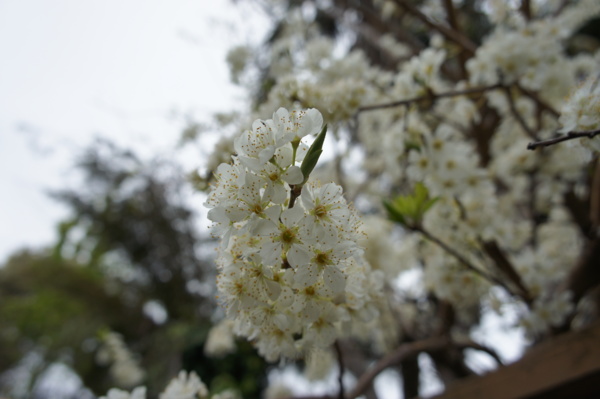
每年春天﹐林子裡會開一種小小的白花﹐樹很高﹐花很繁﹐比櫻花開得早﹐那時候還沒有買較遠的鏡頭﹐每次看得到卻拍不到﹐只是在心中留個問號。等葉子長滿了﹑花落盡了﹐也就把它給放諸腦後。
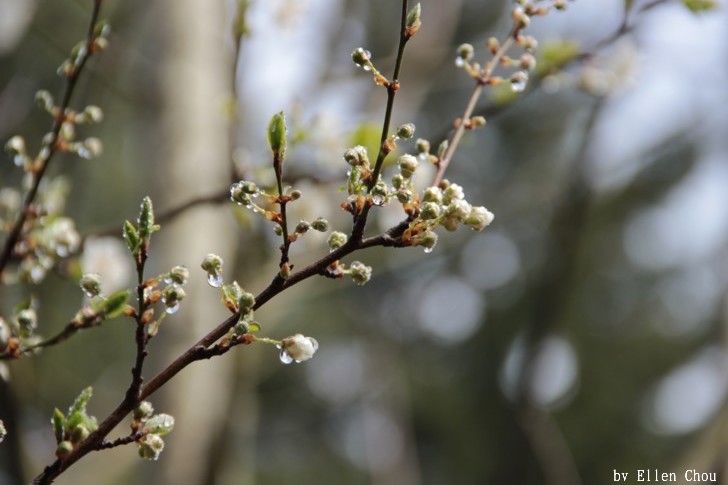
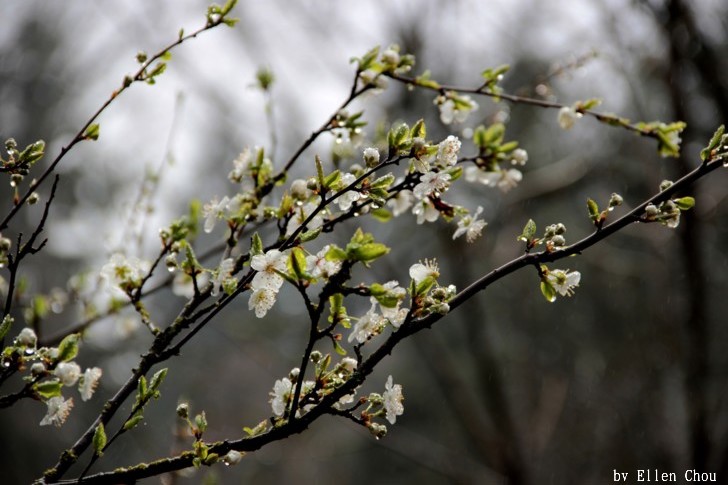
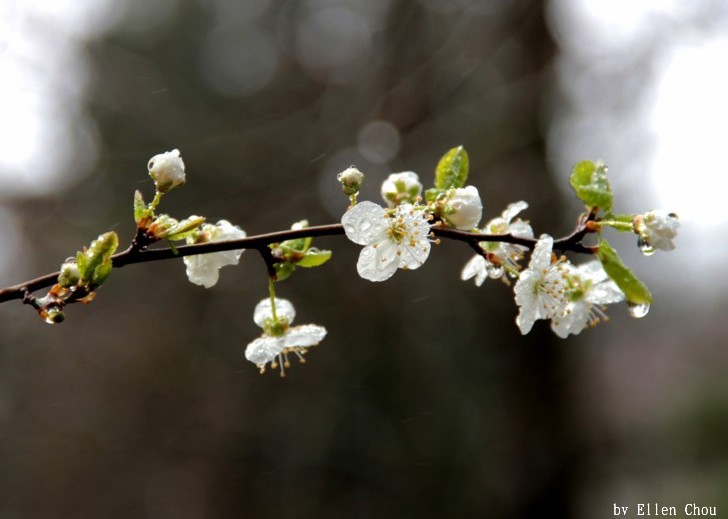
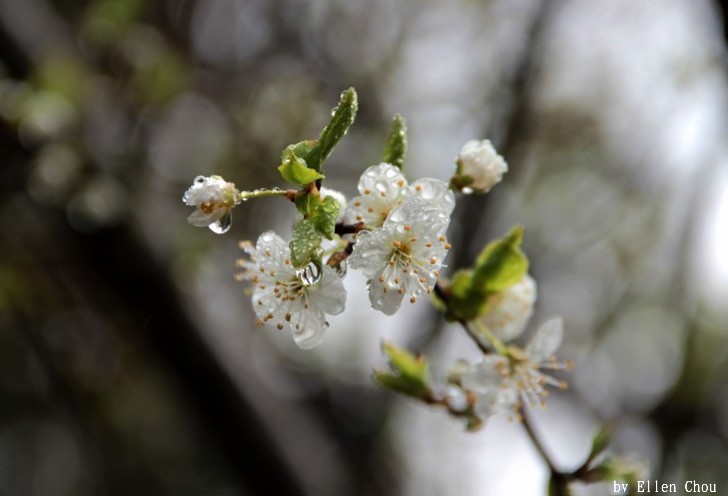
今年我負責送小外孫去上學(Nature Kids at Discovery Park)﹐送進教室後﹐我也隨興在林子裡走走﹐巧遇這一棵年輕的樹﹐在微雨中讓我盡情地拍呀拍呀…
非常開心!
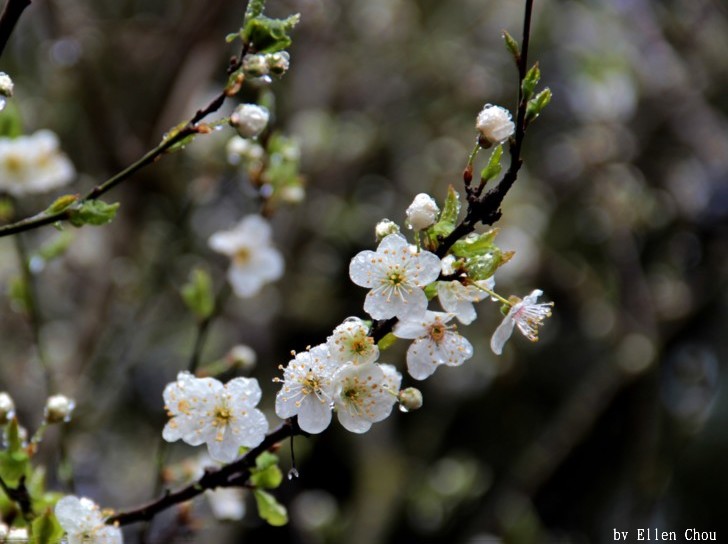
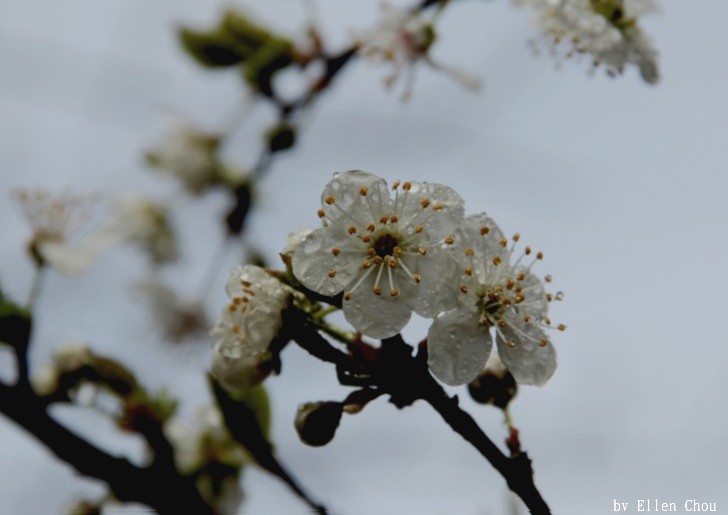
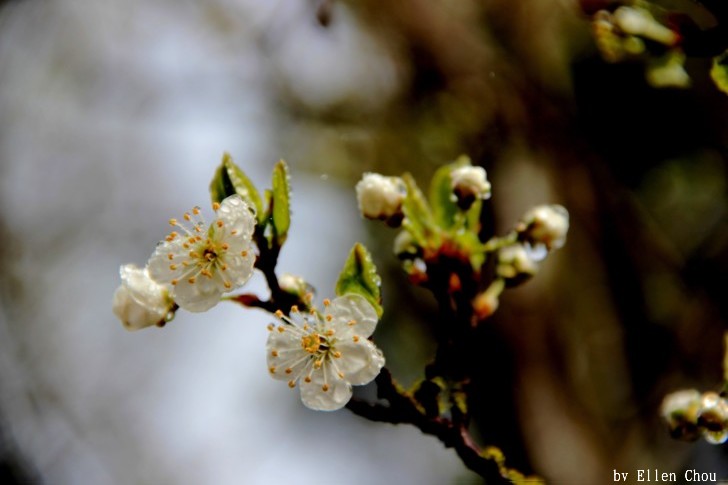
然後﹐雨停了﹐露出藍色的天空。
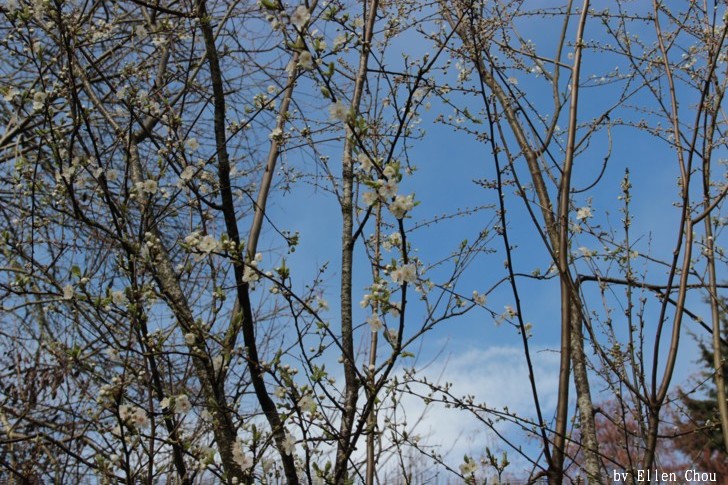
也許是李花。
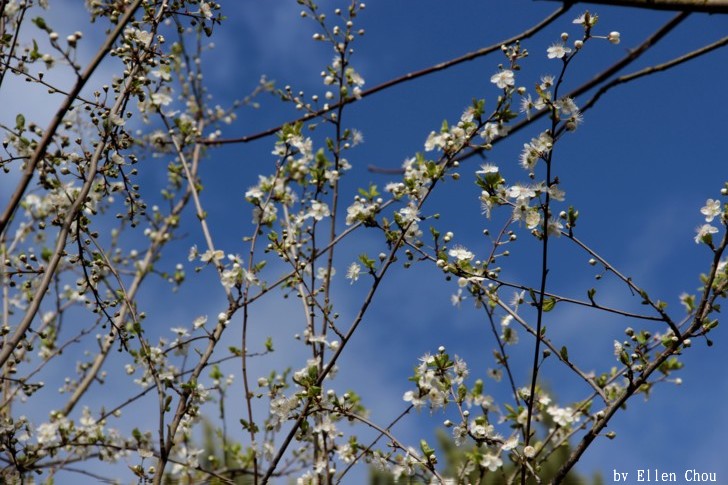
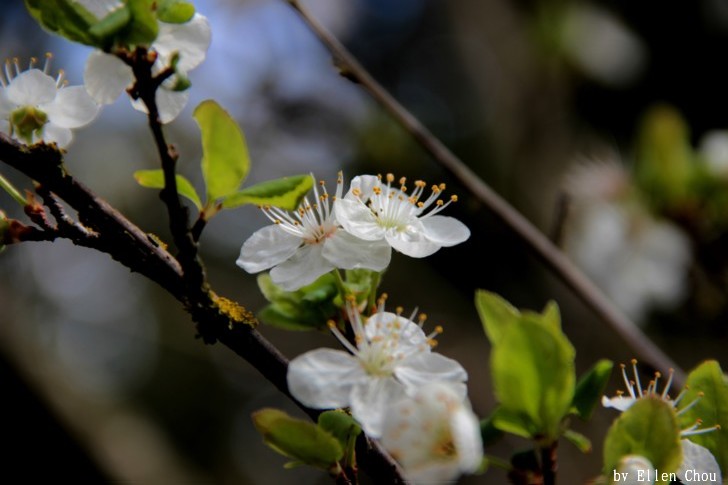
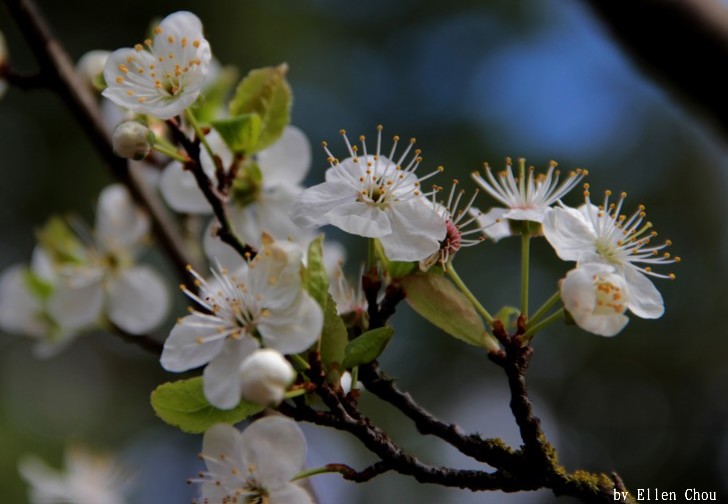
西雅圖有很多品種的櫻花﹐開放時間也不同﹐這棵是比較早的﹐
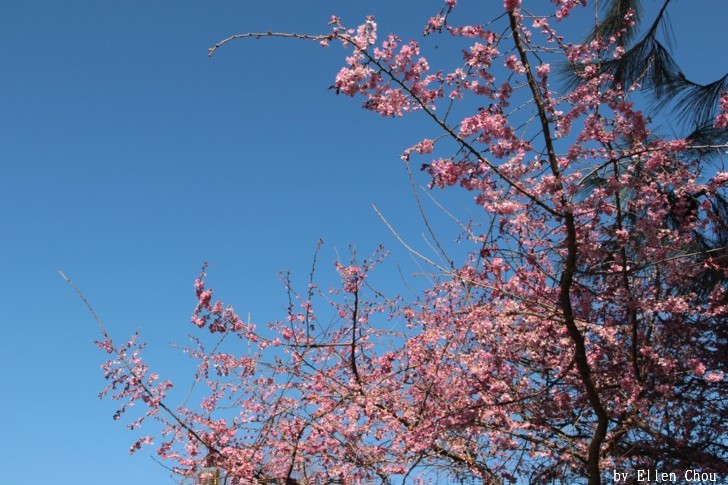
這個角度﹐可以拍到一面飄揚的星條旗。
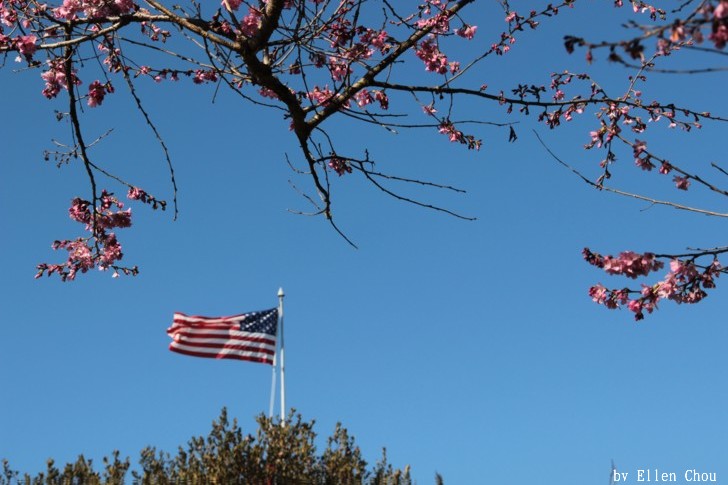
可是﹐我多麼希望是一面青天白日滿地紅的國旗啊!
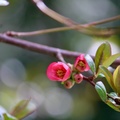
當我在Carl S. English Jr. Gardens花園裡發現了這棵「Peggy Clarke」梅花之後﹐隔了兩天我又去了一趟﹐心想﹐那些花蕾應該開出來了! 花開堪拍直需拍呀!
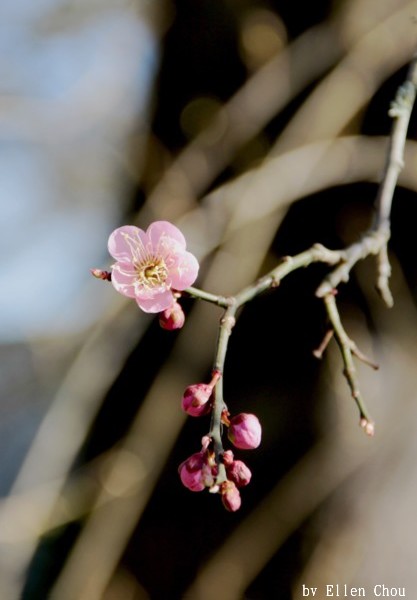
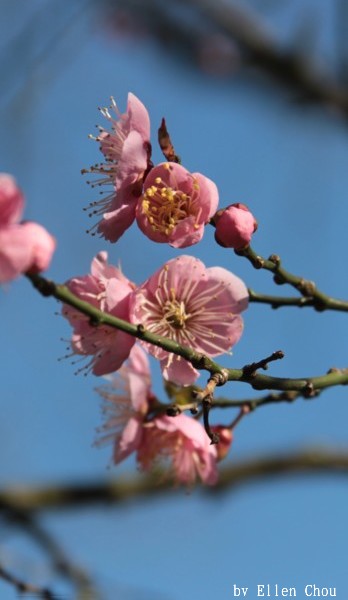
園藝家周楚狷說:梅花的拉丁學名是「Prunus mume」,一般人卻稱它為「Japanese flowering apricot」(日本杏花樹),美國梅花品種有限,沒有太多選擇餘地,少數園藝郵購公司供售的梅花品種都比較混亂,不能確定是不是真梅,比較知名的是「克拉克系列」的四個品種,都是園藝家W.B. Clarkes在1980年代從日本引進,以他本人和他三個女兒的名字來命名,其中,「W.B. Clarke」是開粉紅花的垂枝梅,植株成熟後枝條下垂。以三個女兒命名的都是直枝梅,「Bonita Clarke」開複瓣紅花,「Rosemary Clarke」開重瓣白花,「Peggy Clarke」開複瓣粉紅色花,都帶有真梅的香味。
據說﹐這梅花有香味﹐我特別把梅枝拉近來用力聞﹐無感。
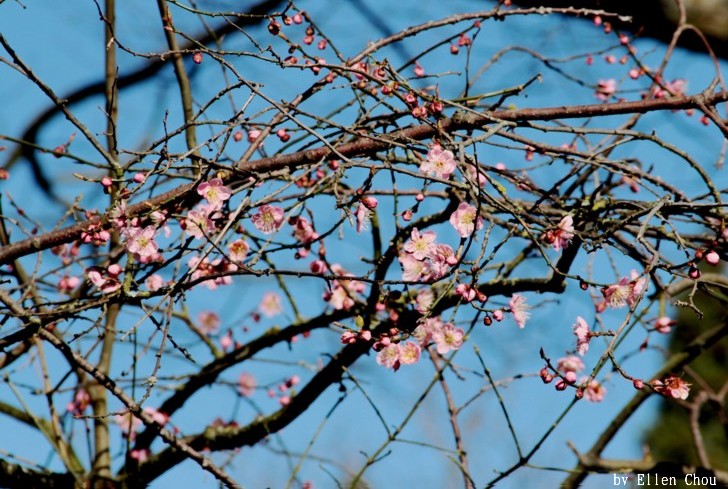
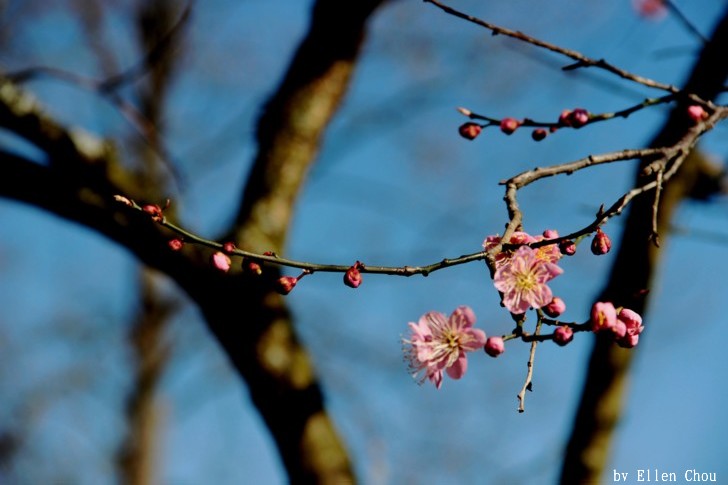
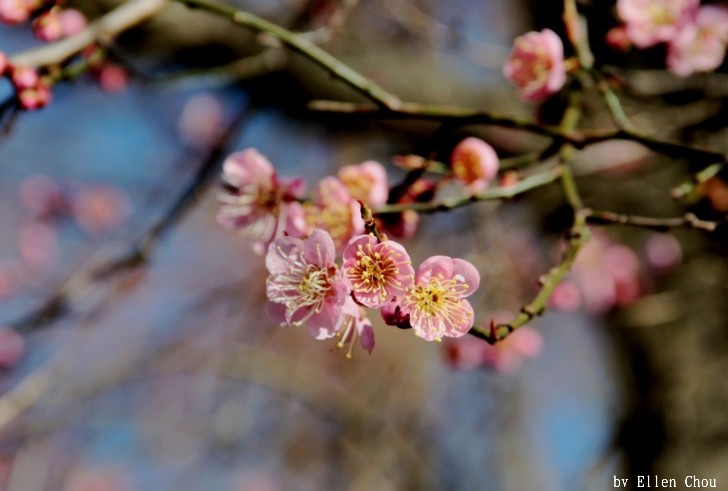
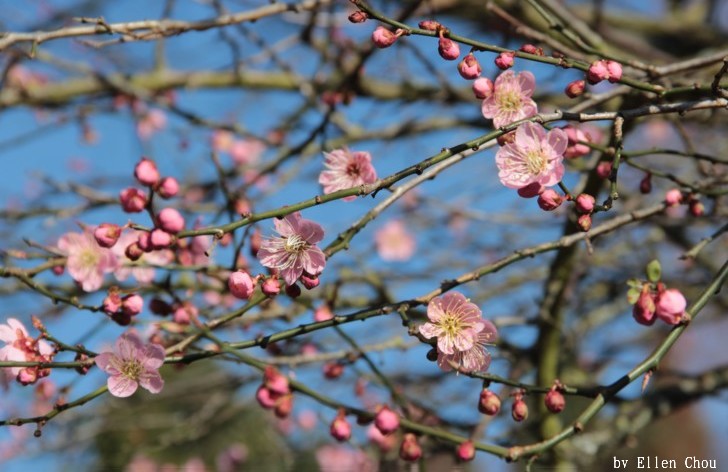
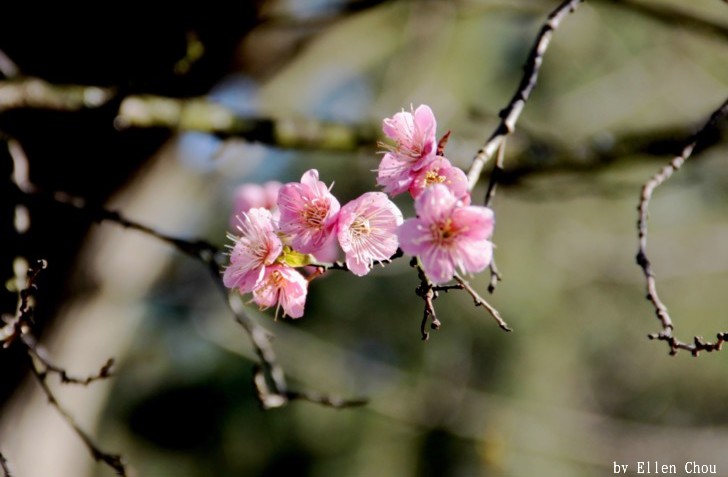
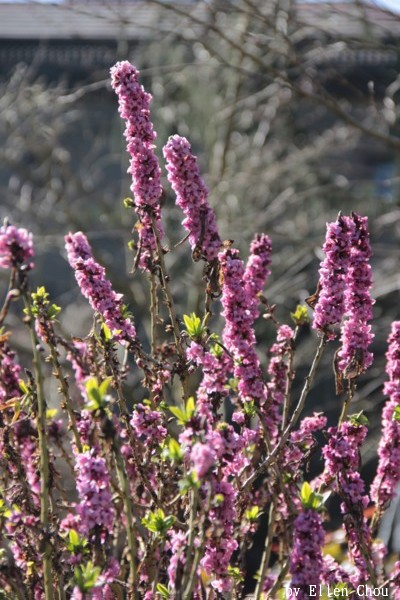
反倒是就在梅樹不遠處有一棵盛開的矮花﹐不知其名﹐有異香。
這個周末,雲門舞集在華大演出。
同學邀我一起去欣賞。
機會難得。
林懷民也算是一位故人。
他出國留學的第一站是密蘇里新聞學院,
和我們做了半年同學
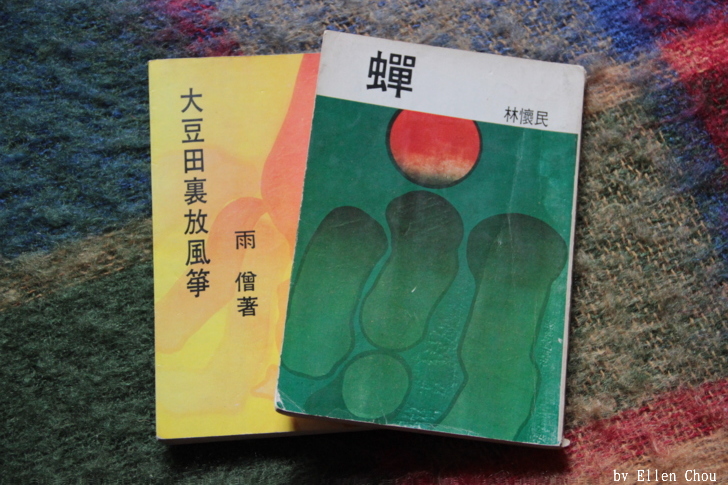
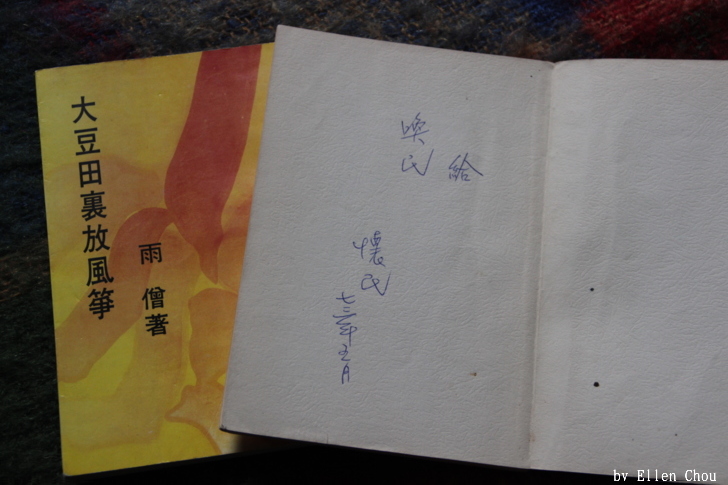
民國六十二年(1973)五、六月,大地出版社分別出版了我們的書:
〈蟬〉和〈大豆田裡放風箏〉
那時,
他剛開始學跳舞
我剛開始學做飯
後來
我為生活開過餐館
他為理想
創辦了雲門
見證林懷民長達四十年的堅持
我將在臺下含著熱淚鼓掌
!!!
西雅圖時報藝評:
Originally published Friday, March 7, 2014 at 10:43 AM
Golden visions from Cloud Gate Dance Theatre of Taiwan | Dance review
In its Seattle debut, Cloud Gate Dance Theatre of Taiwan presents its visionary signature piece, “Songs of the Wanderers,” inspired by the choreographer’s visit to the village in India where Buddha attained enlightenment. Through March 8, 2014.
Seattle Times arts writer


Yu Hui-Hung / Yu Hui-Hung
Cloud Gate Dance Theatre of Taiwan is performing for the first time in Seattle, bringing its signature “Songs of the Wanderers.”
You hear the rice before you see it.
As the curtain rises in the darkened theater, a spotlight illuminates a short, narrow vertical shaft of something shimmering. Phase by phase, the strangely fluid shaft grows longer until you register what it is: a steady stream of golden rice rattling down on the head of a Buddhist monk (Wang Rong-yu).
The monk will stand motionless under that shower for almost the entire 90 minutes of Cloud Gate Dance Theatre of Taiwan’s “Songs of the Wanderers.” But the stage world surrounding him will go through struggles, convulsions and precarious balancing acts, before exploding into ecstasy.
Cloud Gate Dance Theatre was founded in Taiwan in 1973, and “Songs of the Wanderers,” from 1994, is one of its signature pieces. Cloud Gate’s founder/director, choreographer Lin Hwai-min, describes it as “a work about practicing asceticism … and the quest for quietude.” It was inspired by a trip he made to the village in India where Buddha achieved enlightenment.
Enlightenment, however, doesn’t come easily — and that’s where the controlled tension and reckless prowess of Cloud Gate’s dancers come into the picture. When they first emerge on the stage holding tall gnarled wooden staffs, they slink forward more like hunters than any kind of pilgrim. Their faces are striped in pale tribal markings; their costumes are a bare minimum of loin-cloth and tunic.
Soon their butoh-slow contortions and acrobatics build up to desperate/rapturous expansions of limbs and torso. The maze of golden rice they’ve entered — three and a half tons of it — seems to both entrap them and guide them. At moments of frustration or breakthrough, they fling the rice in golden arcs. Specific dance motions phase in and out, with unison passages frequently dissolving, dancer by dancer, into something new.
The sense of ambiguous progress being made within a gathering timeless stasis is palpable.
While virtuosic solo turns aren’t the point of the piece, two soloists do stand out: Huang Pei-hau and Hou Tang-li in sections dubbed “prayers,” both highlighting prayer as a volatile business, as filled with reversals as it is with hope. The two performers approach their task with intensity and abandon.
Also operating on their own, but on a very different plane, are Wang’s motionless monk and a second figure who appears throughout the piece: Lin Hsin-fang as a rice raker who continually works to create a meditative pattern in the chaos of the flowing rice.
Chang Tsan-tao’s extraordinary, intricate lighting design feels like a character in itself, alternately engulfing and releasing the dancers as it shifts in shape and emphasis.
The choral music accompanying the piece — spare, melancholy folk songs performed by Ensemble Rustavi of Georgia — is the final element that creates the spell onstage. (Some lucky audiences will get to hear Ensemble Rustavi perform them live when Cloud Gate takes “Songs” to Germany in May.)
This is the first time Cloud Gate has performed in Seattle. Judging by the jubilant reception they got, they’ll surely be welcomed back.
Michael Upchurch: mupchurch@seattletimes.com




限會員,要發表迴響,請先登入
 20樓. 清香的 梔子花啊 終於開放了 !2014/03/27 12:41
姐姐與林懷民是同學舊識啊 , 我們的舞蹈界 幸虧有他當保姆 孕育呢 , 說到作人 呵 他可踢到鐵板了.
梅花稀疏互生 不成團 , 天冷時 才送出一股冷香 , 可真是傲骨呢.
好朋友 ellen chou 秋色漸濃 於 2014/03/27 12:55回覆
 19樓. 人日2014/03/19 19:56
大姐
大地出版社--我少女時期最火紅的出版社之一(萬卷文庫),再就是水牛、新潮......等。
啊!好懷想那個捧書囫圇吞棗,三餐不斷的日子。
「二民」已是當年響叮噹的文青!
硬是要得!日前看了雲門2的報導,一張舞作照片;在我知道「陶身體」後,很清楚看到前者模仿的切面;
欸只能說模仿是最高的敬意吧。
原來大姐觀賞的是「流浪者之歌」;我以為會是最新作品「稻禾」呢。
以此地的春天問候大姐!

 18樓. 一畝桑田2014/03/18 20:13這本書
這本書,
大豆田裡放風箏,
在下已拜讀完畢,
在書中看到年輕的雨僧。
 17樓. blue phoenix 老二的研究所畢業典禮2014/03/18 05:35
恭 喜雨僧姐找到故人
多麼難得啊
blue phoenix
 16樓. 李小花2014/03/15 10:35前兩張相片
一枝梨花春帶雨 15樓. 提琴2014/03/13 12:26要不要發文寫雲門舞集觀後感? 是否真的有從台灣運來的稻米?
三噸半,金黃色的稻穀,不假。
「流浪者之歌」舞劇自從1994在台北首演以來,
走過世界二十幾個國家、彙集佳評無數,
這是雲門舞集第一次到西雅圖,也是我第一次「現場觀賞」。
雲端的點滴,好話早被說盡,想不起來錦上再添甚麼花
倒是2007年,我寫過 有趣的往事 比較接「地氣」。
ellen chou 秋色漸濃 於 2014/03/13 20:50回覆 14樓. ~大邱~2014/03/09 23:43
雨僧姊的日子比我精彩多了
這兒能賞的還是只有雪花和白雪遍地
更沒有故人來訪 惆悵啊
 13樓. 賈媽2014/03/09 06:17可能是李花
不過,也和我後院的那棵桃子有點像
 12樓. 浮生2014/03/08 23:21我對花種沒有特別研究,但是讀您的文章,格外溫暖有味。他鄉遇故知的感動,想必您是點滴在心頭。在台灣住久了,有些細微的心緒,不容易察覺,反倒在格友們的文字裡,尋到些許妥貼!
你的文章中討論的「愛台灣」情愫,並非三言兩語可以道盡。
比如:自我介紹時,我說:生於大陸、長在台灣。
意思是對台灣的認同、是感念台灣,是對養育之恩的不忘本。
比如:我的父母親安葬在台灣,是對土地的認同、感念,是對政治制度的信任!
因為在大陸的「祖墳」已被填平,只剩下一個「大約的方向」。
台灣的美好,是在「不選舉」的時候。
溫暖,善良。
ellen chou 秋色漸濃 於 2014/03/09 02:52回覆 11樓. 看雲2014/03/08 13:56
梅花、李花 … 讓我想起《後宮甄嬛傳》
女主角在花下吹笛是劇中最美的鏡頭
(是不是電視劇看瘋了
 )
) 我也對那場美人梅林相映成趣印象很深,雖然我不算迷。 ellen chou 秋色漸濃 於 2014/03/08 14:29回覆


