Metal recycling is entering a new phase in which efficiency, flexibility, and environmental performance matter as much as scale. In this transition, small induction melting furnaces are poised to play a larger role. Once seen mainly as niche equipment for laboratories or small foundries, compact induction units are increasingly attractive to recyclers who need clean melting, fast turnaround, and precise process control.
One reason for their growing relevance is the changing nature of scrap. Modern waste streams are more diverse and often contain coatings, mixed alloys, and contaminants that require careful handling. Small induction furnaces allow operators to sort and melt in smaller batches, reducing the risk of cross-contamination and enabling better alloy management. This is especially valuable for high-value materials such as copper, aluminum alloys, stainless steel, and specialty metals, where chemistry control directly affects resale price.
Energy and emissions pressures also support adoption. Induction heating is inherently efficient because it heats the metal directly rather than relying on combustion and refractory mass heating. When powered by low-carbon electricity, small induction melting can significantly reduce a recycler’s carbon footprint while improving workplace air quality. As grids incorporate more renewables, electric melting becomes even more competitive relative to fuel-fired alternatives, particularly in regions with strict emissions regulations.
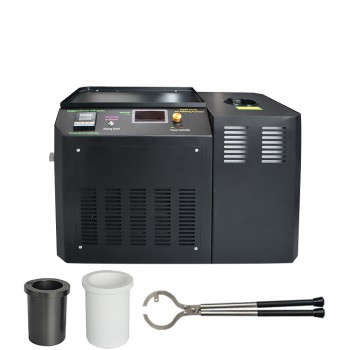
Digitalization will further shape the future. Newer small furnaces increasingly integrate sensors, automated power control, and data logging, making it easier to standardize melt quality and trace recycled metal batches. Paired with scrap identification tools—such as handheld analyzers and AI-assisted sorting—small induction systems can become part of a “smart recycling cell” that produces consistent secondary metal with less waste.
Challenges remain, including electricity price volatility, the need for skilled operators, and limitations in throughput compared with large-scale furnaces. However, modular designs and distributed recycling models may turn these limitations into strengths. Instead of transporting scrap long distances, localized micro-recycling facilities equipped with small induction furnaces could process materials closer to where they are generated, cutting logistics costs and emissions.
Overall, small induction melting furnaces are likely to become essential tools in a more decentralized, data-driven, and sustainability-focused metal recycling industry. Their ability to deliver clean melts, flexible batch control, and compatibility with renewable power positions them well for the next decade.
Related articles: https://raovat49.com/s/integrating-air-compressors-into-your-jewelry-design-process-6442337
下一則: Exploring Different Types of Jewelry Rolling Mills
- The Future of Small Induction Melting Furnaces in Jewelry Manufacturing
- Creating Textured Metal Sheets Using a Jewelry Rolling Mill Machine
- Preventing Cracks and Thermal Shock in Ceramic Melting Crucibles
- How Inside Ring Engraving Machines Support Small Jewelry Businesses
- The Evolution of Pearl Drilling Technology in Jewelry Making
- Cleaning and Maintenance of Clay Graphite Crucibles
限會員,要發表迴響,請先登入


