Introduction – Company Background
GuangXin Industrial Co., Ltd. is a specialized manufacturer dedicated to the development and production of high-quality insoles.
With a strong foundation in material science and footwear ergonomics, we serve as a trusted partner for global brands seeking reliable insole solutions that combine comfort, functionality, and design.
With years of experience in insole production and OEM/ODM services, GuangXin has successfully supported a wide range of clients across various industries—including sportswear, health & wellness, orthopedic care, and daily footwear.
From initial prototyping to mass production, we provide comprehensive support tailored to each client’s market and application needs.
At GuangXin, we are committed to quality, innovation, and sustainable development. Every insole we produce reflects our dedication to precision craftsmanship, forward-thinking design, and ESG-driven practices.
By integrating eco-friendly materials, clean production processes, and responsible sourcing, we help our partners meet both market demand and environmental goals.
Core Strengths in Insole Manufacturing
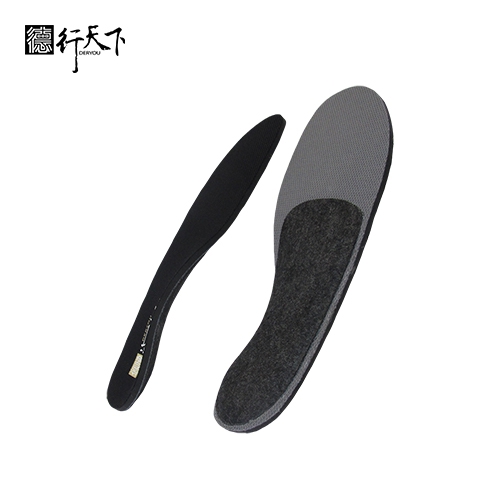
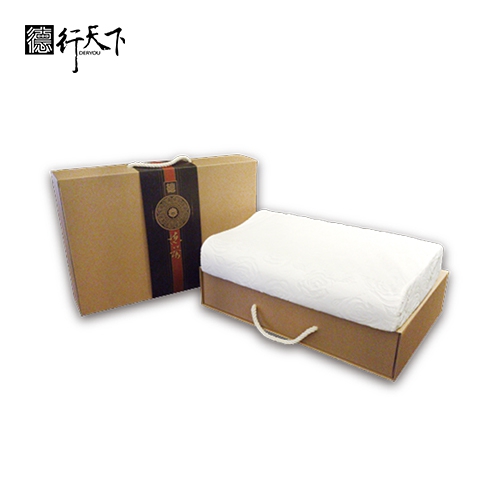
At GuangXin Industrial, our core strength lies in our deep expertise and versatility in insole and pillow manufacturing. We specialize in working with a wide range of materials, including PU (polyurethane), natural latex, and advanced graphene composites, to develop insoles and pillows that meet diverse performance, comfort, and health-support needs.
Whether it's cushioning, support, breathability, or antibacterial function, we tailor material selection to the exact requirements of each project-whether for foot wellness or ergonomic sleep products.
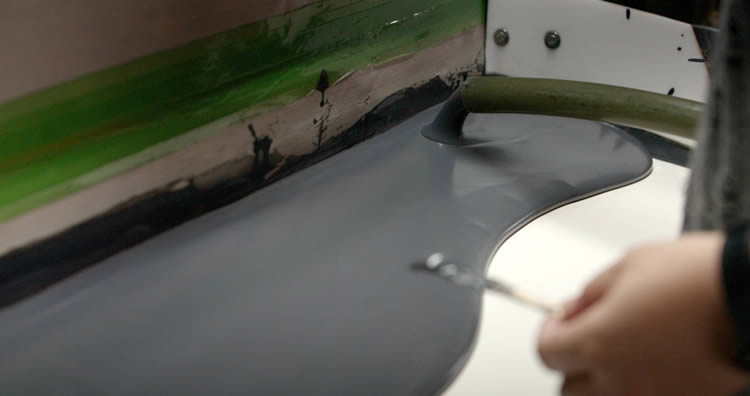
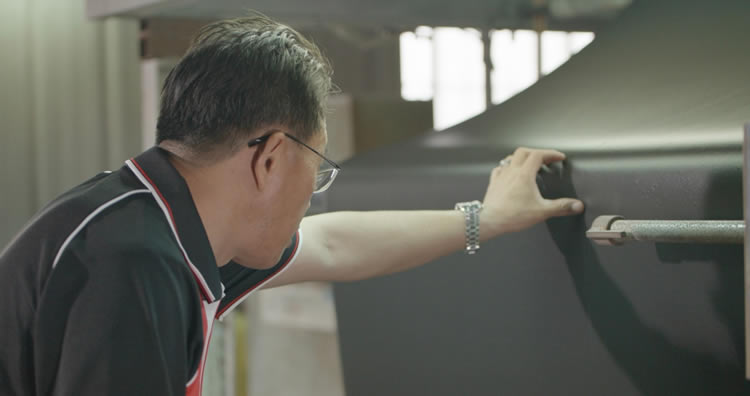
We provide end-to-end manufacturing capabilities under one roof—covering every stage from material sourcing and foaming, to precision molding, lamination, cutting, sewing, and strict quality control. This full-process control not only ensures product consistency and durability, but also allows for faster lead times and better customization flexibility.
With our flexible production capacity, we accommodate both small batch custom orders and high-volume mass production with equal efficiency. Whether you're a startup launching your first insole or pillow line, or a global brand scaling up to meet market demand, GuangXin is equipped to deliver reliable OEM/ODM solutions that grow with your business.
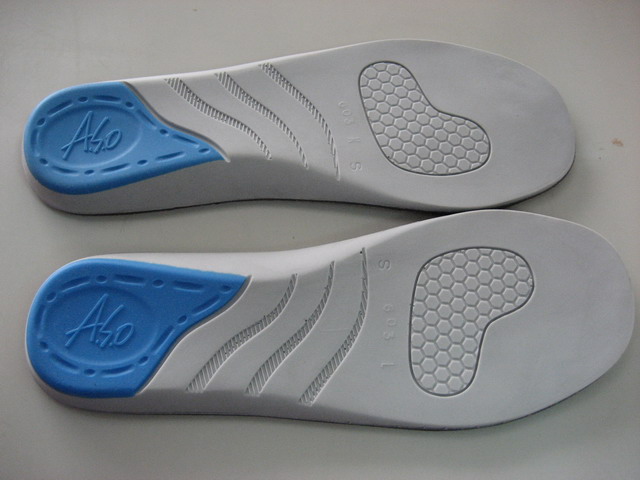
Customization & OEM/ODM Flexibility
GuangXin offers exceptional flexibility in customization and OEM/ODM services, empowering our partners to create insole products that truly align with their brand identity and target market. We develop insoles tailored to specific foot shapes, end-user needs, and regional market preferences, ensuring optimal fit and functionality.
Our team supports comprehensive branding solutions, including logo printing, custom packaging, and product integration support for marketing campaigns. Whether you're launching a new product line or upgrading an existing one, we help your vision come to life with attention to detail and consistent brand presentation.
With fast prototyping services and efficient lead times, GuangXin helps reduce your time-to-market and respond quickly to evolving trends or seasonal demands. From concept to final production, we offer agile support that keeps you ahead of the competition.
Quality Assurance & Certifications
Quality is at the heart of everything we do. GuangXin implements a rigorous quality control system at every stage of production—ensuring that each insole meets the highest standards of consistency, comfort, and durability.
We provide a variety of in-house and third-party testing options, including antibacterial performance, odor control, durability testing, and eco-safety verification, to meet the specific needs of our clients and markets.
Our products are fully compliant with international safety and environmental standards, such as REACH, RoHS, and other applicable export regulations. This ensures seamless entry into global markets while supporting your ESG and product safety commitments.
ESG-Oriented Sustainable Production
At GuangXin Industrial, we are committed to integrating ESG (Environmental, Social, and Governance) values into every step of our manufacturing process. We actively pursue eco-conscious practices by utilizing eco-friendly materials and adopting low-carbon production methods to reduce environmental impact.
To support circular economy goals, we offer recycled and upcycled material options, including innovative applications such as recycled glass and repurposed LCD panel glass. These materials are processed using advanced techniques to retain performance while reducing waste—contributing to a more sustainable supply chain.
We also work closely with our partners to support their ESG compliance and sustainability reporting needs, providing documentation, traceability, and material data upon request. Whether you're aiming to meet corporate sustainability targets or align with global green regulations, GuangXin is your trusted manufacturing ally in building a better, greener future.
Let’s Build Your Next Insole Success Together
Looking for a reliable insole manufacturing partner that understands customization, quality, and flexibility? GuangXin Industrial Co., Ltd. specializes in high-performance insole production, offering tailored solutions for brands across the globe. Whether you're launching a new insole collection or expanding your existing product line, we provide OEM/ODM services built around your unique design and performance goals.
From small-batch custom orders to full-scale mass production, our flexible insole manufacturing capabilities adapt to your business needs. With expertise in PU, latex, and graphene insole materials, we turn ideas into functional, comfortable, and market-ready insoles that deliver value.
Contact us today to discuss your next insole project. Let GuangXin help you create custom insoles that stand out, perform better, and reflect your brand’s commitment to comfort, quality, and sustainability.
🔗 Learn more or get in touch:
🌐 Website: https://www.deryou-tw.com/
📧 Email: shela.a9119@msa.hinet.net
📘 Facebook: facebook.com/deryou.tw
📷 Instagram: instagram.com/deryou.tw
Indonesia insole ODM for global brands
Are you looking for a trusted and experienced manufacturing partner that can bring your comfort-focused product ideas to life? GuangXin Industrial Co., Ltd. is your ideal OEM/ODM supplier, specializing in insole production, pillow manufacturing, and advanced graphene product design.
With decades of experience in insole OEM/ODM, we provide full-service manufacturing—from PU and latex to cutting-edge graphene-infused insoles—customized to meet your performance, support, and breathability requirements. Our production process is vertically integrated, covering everything from material sourcing and foaming to molding, cutting, and strict quality control.China neck support pillow OEM
Beyond insoles, GuangXin also offers pillow OEM/ODM services with a focus on ergonomic comfort and functional innovation. Whether you need memory foam, latex, or smart material integration for neck and sleep support, we deliver tailor-made solutions that reflect your brand’s values.
We are especially proud to lead the way in ESG-driven insole development. Through the use of recycled materials—such as repurposed LCD glass—and low-carbon production processes, we help our partners meet sustainability goals without compromising product quality. Our ESG insole solutions are designed not only for comfort but also for compliance with global environmental standards.Pillow OEM for wellness brands Taiwan
At GuangXin, we don’t just manufacture products—we create long-term value for your brand. Whether you're developing your first product line or scaling up globally, our flexible production capabilities and collaborative approach will help you go further, faster.Indonesia anti-odor insole OEM service
📩 Contact us today to learn how our insole OEM, pillow ODM, and graphene product design services can elevate your product offering—while aligning with the sustainability expectations of modern consumers.Customized sports insole ODM Vietnam
Images showing the green fluorescence signals in different body parts of the live-birth chimeric monkey at the age of 3 days Credit: Cell/Cao et al. Breakthrough in Primate Research: Birth of a Chimeric Monkey Chinese researchers have reported the first live birth of a chimeric monkey, a significant breakthrough in primate research. This achievement opens new avenues in understanding stem cell pluripotency and has significant implications for genetic engineering and biomedical studies. A team of researchers in China has reported for the first time the live birth of a monkey that contains a high proportion of cells derived from a monkey stem cell line. This “chimeric” monkey is composed of cells that originate from two genetically distinct embryos of the same species of monkey. This has previously been demonstrated in rats and mice but, until now, has not been possible in other species, including non-human primates. The details of the research are reported November 9 in the journal Cell. Implications in Pluripotency and Biomedical Research “This is a long-sought goal in the field,” says senior author Zhen Liu of the Chinese Academy of Sciences (CAS). “This research not only has implications for understanding naive pluripotency in other primates, including humans, but it also has relevant practical implications for genetic engineering and species conservation. Specifically, this work could help us to generate more precise monkey models for studying neurological diseases as well as for other biomedicine studies.” Methodology of the Study The monkeys used in the study were cynomolgus monkeys, also known as crab-eating or long-tailed macaques, a primate common in biomedical research. The investigators first established nine stem cell lines using cells removed from 7-day-old blastocyst embryos. They then placed the cell lines in culture to give them enhanced ability to differentiate into different cell types. They performed a number of different tests on the cells to confirm that they were pluripotent—having the ability to differentiate into all of the cell types needed to create a live animal. The stem cells were also labeled with green fluorescent protein so the researchers would be able to determine which tissues had grown out of the stem cells in any animals that developed and survived. Successful Generation of Chimeric Monkeys Ultimately, the scientists selected a particular subset of stem cells to inject into early monkey morula embryos (embryos that are 4–5 days old). The embryos were implanted into female macaques, resulting in 12 pregnancies and six live births. An analysis confirmed that one monkey that was born alive and one fetus that was miscarried were substantially chimeric, containing cells that grew out of the stem cells throughout their bodies. Both were male. The investigators used the green fluorescent protein label to determine which tissues contained cells derived from the injected stem cells. They also used gene sequencing and other tests to confirm the presence of stem-cell-derived tissue across different organs. The tissue types they tested that contained the stem-cell-derived cells included the brain, heart, kidney, liver, and gastrointestinal tract. In the live monkey, the contribution of the stem cells in the different tissue types ranged from 21% to 92%, with an average of 67% across the 26 different types of tissue that were tested. The numbers were lower in the monkey fetus. In both animals, they also confirmed the presence of stem-cell-derived cells in the testes and in cells that eventually develop into sperm cells. Future Directions and Enhancements “In this study, we have provided strong evidence that naive monkey pluripotent stem cells possess the capability of differentiating in vivo into all the various tissues composing a monkey body,” says co-corresponding author Miguel Esteban of BGI Research and CAS. “This study deepens our understanding of the developmental potential of pluripotent stem cells in primate species.” “This work helps us to better understand naive pluripotency in primate cells,” adds co-corresponding author Qiang Sun of CAS. “In the future, we will try to increase the efficiency of this method for generating chimeric monkeys by optimizing the culture conditions for the stem cells, the cultures for the blastocysts where the stem cells are inserted, or both.” The investigators also plan to further explore the mechanisms that underlie the survival of the embryos in the host animals, which they say will help improve the efficiency of chimera generation. Reference: “Live birth of chimeric monkey with high contribution from embryonic stem cells” by Jing Cao, Wenjuan Li, Jie Li, Md. Abdul Mazid, Chunyang Li, Yu Jiang, Wenqi Jia, Liang Wu, Zhaodi Liao, Shiyu Sun, Weixiang Song, Jiqiang Fu, Yan Wang, Yong Lu, Yuting Xu, Yanhong Nie, Xinyan Bian, Changshan Gao, Xiaotong Zhang, Liansheng Zhang, Shenshen Shang, Yunpan Li, Lixin Fu, Hao Liu, Junjian Lai, Yang Wang, Yue Yuan, Xin Jin, Yan Li, Chuanyu Liu, Yiwei Lai, Xuyang Shi, Patrick H. Maxwell, Xun Xu, Longqi Liu, Muming Poo, Xiaolong Wang, Qiang Sun, Miguel A. Esteban and Zhen Liu, 9 November 2023, Cell. DOI: 10.1016/j.cell.2023.10.005 This work was funded by the National Key Research and Development Program of China, the National Natural Science Foundation of China, the Shanghai Municipal Science and Technology Major Project, the Strategic Priority Research Program of the Chinese Academy of Sciences, the Basic Frontier Scientific Research Program of Chinese Academy of Sciences, the National Science and Technology Innovation 2030 Major Program, and Shenzhen Basic Research Project for Excellent Young Scholars.
Digital reconstructions of endocasts of a woodpecker, Melanerpes aurifrons (top), and a troodontid dinosaur, Zanabazar junior (bottom). The blue area is the cerebellum. Credit: Amy Balanoff Evolutionary biologists at Johns Hopkins Medicine report they have combined PET scans of modern pigeons along with studies of dinosaur fossils to help answer an enduring question in biology: How did the brains of birds evolve to enable them to fly? The answer, they say, appears to be an adaptive increase in the size of the cerebellum in some fossil vertebrates. The cerebellum is a brain region responsible for movement and motor control. The research findings were recently published in the journal Proceedings of the Royal Society B. The Importance of the Cerebellum in Flight Scientists have long thought that the cerebellum should be important in bird flight, but they lacked direct evidence. To pinpoint its value, the new research combined modern PET scan imaging data of ordinary pigeons with the fossil record, examining brain regions of birds during flight and braincases of ancient dinosaurs. “Powered flight among vertebrates is a rare event in evolutionary history,” says Amy Balanoff, Ph.D., assistant professor of functional anatomy and evolution at the Johns Hopkins University School of Medicine and first author of the published research. In fact, Balanoff says, just three groups of vertebrates, or animals with a backbone, evolved to fly: extinct pterosaurs, the terrors of the sky during the Mesozoic period, which ended over 65 million years ago, bats, and birds. The three species are not closely related to the evolutionary tree, and the key factors or factors that enabled flight in all three have remained unclear. Besides the outward physical adaptations for flight, such as long upper limbs, certain kinds of feathers, a streamlined body, and other features, Balanoff and her colleagues designed research to find features that created a flight-ready brain. To do so, she worked with biomedical engineers at Stony Brook University in New York to compare the brain activity of modern pigeons before and after flight. Methodology and Findings The researchers performed positron emission tomography, or PET, imaging scans, the same technology commonly used on humans, to compare activity in 26 regions of the brain when the bird was at rest and immediately after it flew for 10 minutes from one perch to another. They scanned eight birds on different days. PET scans use a compound similar to glucose that can be tracked to where it’s most absorbed by brain cells, indicating increased use of energy and thus activity. The tracker degrades and gets excreted from the body within a day or two. Of the 26 regions, one area — the cerebellum — had statistically significant increases in activity levels between resting and flying in all eight birds. Overall, the level of activity increase in the cerebellum differed by more than two standard statistical deviations, compared with other areas of the brain. The researchers also detected increased brain activity in the so-called optic flow pathways, a network of brain cells that connect the retina in the eye to the cerebellum. These pathways process movement across the visual field. Balanoff says their findings of activity increase in the cerebellum and optic flow pathways weren’t necessarily surprising, since the areas have been hypothesized to play a role in flight. What was new in their research was linking the cerebellum findings of flight-enabled brains in modern birds to the fossil record that showed how the brains of birdlike dinosaurs began to develop brain conditions for powered flight. To do so, Balanoff used a digitized database of endocasts, or molds of the internal space of dinosaur skulls, which when filled, resemble the brain. Balanoff identified and traced a sizable increase in cerebellum volume to some of the earliest species of maniraptoran dinosaurs, which preceded the first appearances of powered flight among ancient bird relatives, including Archaeopteryx, a winged dinosaur. Linking Modern Birds to Dinosaur Ancestors Balanoff and her team also found evidence in the endocasts of an increase in tissue folding in the cerebellum of early maniraptorans, an indication of increasing brain complexity. The researchers cautioned that these are early findings, and brain activity changes during powered flight could also occur during other behaviors, such as gliding. They also note that their tests involved straightforward flying, without obstacles and with an easy flight path, and other brain regions may be more active during complex flight maneuvers. The research team plans next to pinpoint precise areas in the cerebellum that enable a flight-ready brain and the neural connections between these structures. Scientific theories for why the brain gets bigger throughout evolutionary history include the need to traverse new and different landscapes, setting the stage for flight and other locomotive styles, says Gabriel Bever, Ph.D., associate professor of functional anatomy and evolution at the Johns Hopkins University School of Medicine. “At Johns Hopkins, the biomedical community has a wide-ranging set of tools and technology to help us understand evolutionary history and link our findings to fundamental research on how the brain works,” he adds. Reference: “Quantitative functional imaging of the pigeon brain: implications for the evolution of avian powered flight” by Amy Balanoff, Elizabeth Ferrer, Lemise Saleh, Paul M. Gignac, M. Eugenia L. Gold, Jesús Marugán-Lobón, Mark Norell, David Ouellette, Michael Salerno, Akinobu Watanabe, Shouyi Wei, Gabriel Bever and Paul Vaska, 31 January 2024, Proceedings of the Royal Society B. DOI: 10.1098/rspb.2023.2172 In addition to Balanoff and Bever, other authors of the study are Elizabeth Ferrer of the American Museum of Natural History and Samuel Merritt University; Lemise Saleh and Paul Vaska of Stony Brook University; Paul Gignac of the American Museum of Natural History and University of Arizona, M. Eugenia Gold of the American Museum of Natural History and Suffolk University; Jesús Marugán-Lobón of the Autonomous University of Madrid; Mark Norell of the American Museum of Natural History; David Ouellette of Weill Cornell Medical College; Michael Salerno of the University of Pennsylvania; Akinobu Watanabe of the American Museum of Natural History, New York Institute of Technology College of Osteopathic Medicine, and Natural History Museum of London; and Shouyi Wei of the New York Proton Center. Funding for the research was provided by the National Science Foundation.
Contact between Europeans and Native Americans is recorded in the DNA of head lice. Credit: Vincent Smith, Natural History Museum, London, CC-BY 4.0 Global genetic study of lice suggests they arrived twice in the New World on human hosts. A new analysis of lice genetic diversity suggests that lice came to the Americas twice – once during the first wave of human migration across the Bering Strait, and again during European colonization. Marina Ascunce, currently at the United States Department of Agriculture’s Agricultural Research Service (USDA-ARS), and colleagues, report these findings in a new study published on November 8 in the open-access journal PLOS ONE. Lice as Indicators of Human Evolution The human louse is a wingless, blood-sucking parasite that lives its entire life on its host. It is one of the oldest known parasites to live on humans, and the two species have coevolved for millennia. Due to this intimate relationship, studying lice can offer clues to how humans evolved as well. In the new study, researchers analyzed the genetic variation in 274 human lice from 25 geographic sites around the world. Genetic Clusters Reveal Migration Patterns A genetic analysis based on louse DNA revealed the existence of two distinct clusters of lice that rarely interbred. Cluster I had a worldwide distribution, while cluster II was found in Europe and the Americas. The only lice with ancestry from both clusters are found in the Americas. This distinct group appears to be the result of a mixture between lice descended from populations that arrived with the First People and those descended from European lice, which were brought over during the colonization of the Americas. Link Between Asian and Central American Lice The researchers also identified a genetic relationship between lice in Asia and Central America. This supports the idea that people from East Asia migrated to North America and became the first Native Americans. These people then spread south into Central America, where modern louse populations today still retain a genetic signature from their distant Asian ancestors. Future Research and Conclusions The patterns observed in the new study support existing ideas about human migration and provide additional knowledge about how lice have evolved. The researchers point out that they selected genetic markers that evolve quickly and are best suited to recent events. Thus, future studies that use markers that have changed more slowly could shed light on more ancient events. Additionally, the methods developed for this work could guide the development of new analyses to study other host-parasite systems. The authors add: “Human lice are more than annoying human parasites, they are ‘satellites’ of our evolution. Because human lice feed on human blood, they need us to survive, and over millions of years this resulted in a long co-evolutionary history together.” Reference: “Nuclear genetic diversity of head lice sheds light on human dispersal around the world” by Marina S. Ascunce, Ariel C. Toloza, Angélica González-Oliver and David L. Reed, 8 November 2023, PLOS ONE. DOI: 10.1371/journal.pone.0293409
DVDV1551RTWW78V
China graphene product OEM service 》from raw material to finished product,we do it allChina athletic insole OEM supplier 》flexible, experienced, and ready to support your growthTaiwan neck support pillow OEM 》a trusted OEM/ODM partner across comfort-driven industries
下一則: China custom neck pillow ODM 》driving your product
限會員,要發表迴響,請先登入


