Introduction – Company Background
GuangXin Industrial Co., Ltd. is a specialized manufacturer dedicated to the development and production of high-quality insoles.
With a strong foundation in material science and footwear ergonomics, we serve as a trusted partner for global brands seeking reliable insole solutions that combine comfort, functionality, and design.
With years of experience in insole production and OEM/ODM services, GuangXin has successfully supported a wide range of clients across various industries—including sportswear, health & wellness, orthopedic care, and daily footwear.
From initial prototyping to mass production, we provide comprehensive support tailored to each client’s market and application needs.
At GuangXin, we are committed to quality, innovation, and sustainable development. Every insole we produce reflects our dedication to precision craftsmanship, forward-thinking design, and ESG-driven practices.
By integrating eco-friendly materials, clean production processes, and responsible sourcing, we help our partners meet both market demand and environmental goals.

Core Strengths in Insole Manufacturing
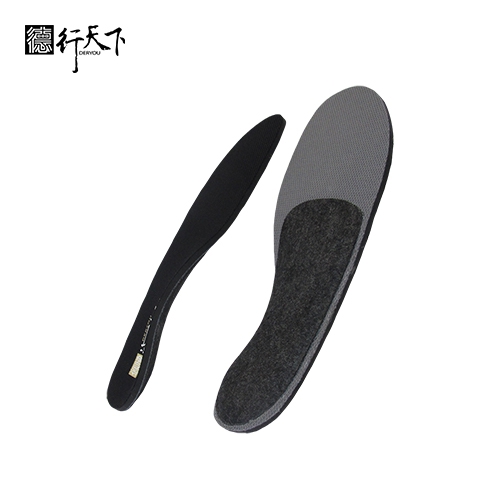
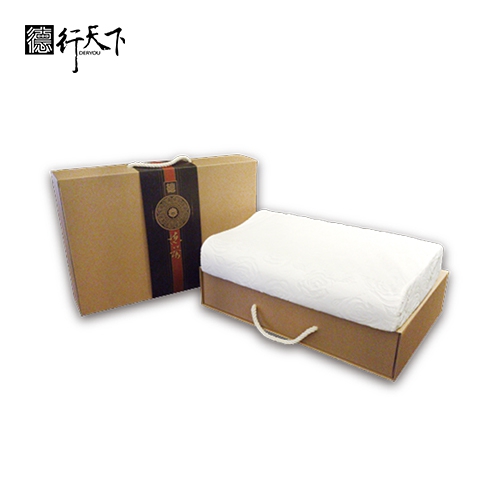
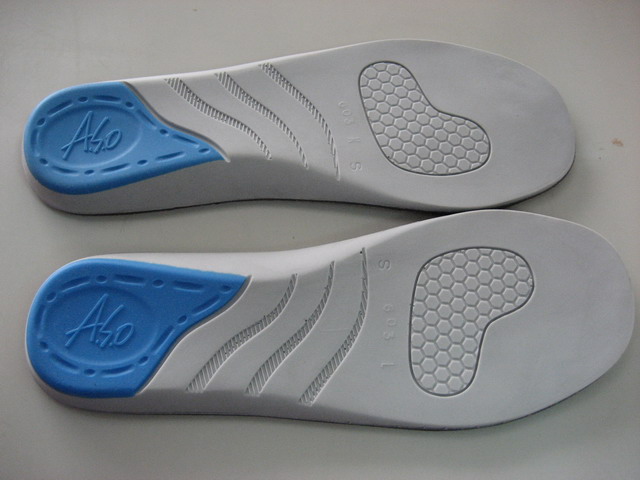
At GuangXin Industrial, our core strength lies in our deep expertise and versatility in insole and pillow manufacturing. We specialize in working with a wide range of materials, including PU (polyurethane), natural latex, and advanced graphene composites, to develop insoles and pillows that meet diverse performance, comfort, and health-support needs.
Whether it's cushioning, support, breathability, or antibacterial function, we tailor material selection to the exact requirements of each project-whether for foot wellness or ergonomic sleep products.
We provide end-to-end manufacturing capabilities under one roof—covering every stage from material sourcing and foaming, to precision molding, lamination, cutting, sewing, and strict quality control. This full-process control not only ensures product consistency and durability, but also allows for faster lead times and better customization flexibility.
With our flexible production capacity, we accommodate both small batch custom orders and high-volume mass production with equal efficiency. Whether you're a startup launching your first insole or pillow line, or a global brand scaling up to meet market demand, GuangXin is equipped to deliver reliable OEM/ODM solutions that grow with your business.
Customization & OEM/ODM Flexibility
GuangXin offers exceptional flexibility in customization and OEM/ODM services, empowering our partners to create insole products that truly align with their brand identity and target market. We develop insoles tailored to specific foot shapes, end-user needs, and regional market preferences, ensuring optimal fit and functionality.
Our team supports comprehensive branding solutions, including logo printing, custom packaging, and product integration support for marketing campaigns. Whether you're launching a new product line or upgrading an existing one, we help your vision come to life with attention to detail and consistent brand presentation.
With fast prototyping services and efficient lead times, GuangXin helps reduce your time-to-market and respond quickly to evolving trends or seasonal demands. From concept to final production, we offer agile support that keeps you ahead of the competition.
Quality Assurance & Certifications
Quality is at the heart of everything we do. GuangXin implements a rigorous quality control system at every stage of production—ensuring that each insole meets the highest standards of consistency, comfort, and durability.
We provide a variety of in-house and third-party testing options, including antibacterial performance, odor control, durability testing, and eco-safety verification, to meet the specific needs of our clients and markets.
Our products are fully compliant with international safety and environmental standards, such as REACH, RoHS, and other applicable export regulations. This ensures seamless entry into global markets while supporting your ESG and product safety commitments.
ESG-Oriented Sustainable Production
At GuangXin Industrial, we are committed to integrating ESG (Environmental, Social, and Governance) values into every step of our manufacturing process. We actively pursue eco-conscious practices by utilizing eco-friendly materials and adopting low-carbon production methods to reduce environmental impact.
To support circular economy goals, we offer recycled and upcycled material options, including innovative applications such as recycled glass and repurposed LCD panel glass. These materials are processed using advanced techniques to retain performance while reducing waste—contributing to a more sustainable supply chain.
We also work closely with our partners to support their ESG compliance and sustainability reporting needs, providing documentation, traceability, and material data upon request. Whether you're aiming to meet corporate sustainability targets or align with global green regulations, GuangXin is your trusted manufacturing ally in building a better, greener future.
Let’s Build Your Next Insole Success Together
Looking for a reliable insole manufacturing partner that understands customization, quality, and flexibility? GuangXin Industrial Co., Ltd. specializes in high-performance insole production, offering tailored solutions for brands across the globe. Whether you're launching a new insole collection or expanding your existing product line, we provide OEM/ODM services built around your unique design and performance goals.
From small-batch custom orders to full-scale mass production, our flexible insole manufacturing capabilities adapt to your business needs. With expertise in PU, latex, and graphene insole materials, we turn ideas into functional, comfortable, and market-ready insoles that deliver value.
Contact us today to discuss your next insole project. Let GuangXin help you create custom insoles that stand out, perform better, and reflect your brand’s commitment to comfort, quality, and sustainability.
🔗 Learn more or get in touch:
🌐 Website: https://www.deryou-tw.com/
📧 Email: shela.a9119@msa.hinet.net
📘 Facebook: facebook.com/deryou.tw
📷 Instagram: instagram.com/deryou.tw
Thailand custom insole OEM supplier
Are you looking for a trusted and experienced manufacturing partner that can bring your comfort-focused product ideas to life? GuangXin Industrial Co., Ltd. is your ideal OEM/ODM supplier, specializing in insole production, pillow manufacturing, and advanced graphene product design.
With decades of experience in insole OEM/ODM, we provide full-service manufacturing—from PU and latex to cutting-edge graphene-infused insoles—customized to meet your performance, support, and breathability requirements. Our production process is vertically integrated, covering everything from material sourcing and foaming to molding, cutting, and strict quality control.Smart pillow ODM manufacturer Indonesia
Beyond insoles, GuangXin also offers pillow OEM/ODM services with a focus on ergonomic comfort and functional innovation. Whether you need memory foam, latex, or smart material integration for neck and sleep support, we deliver tailor-made solutions that reflect your brand’s values.
We are especially proud to lead the way in ESG-driven insole development. Through the use of recycled materials—such as repurposed LCD glass—and low-carbon production processes, we help our partners meet sustainability goals without compromising product quality. Our ESG insole solutions are designed not only for comfort but also for compliance with global environmental standards.Vietnam pillow ODM development service
At GuangXin, we don’t just manufacture products—we create long-term value for your brand. Whether you're developing your first product line or scaling up globally, our flexible production capabilities and collaborative approach will help you go further, faster.Indonesia ODM expert for comfort products
📩 Contact us today to learn how our insole OEM, pillow ODM, and graphene product design services can elevate your product offering—while aligning with the sustainability expectations of modern consumers.Insole ODM factory in Indonesia
A groundbreaking study has mapped the molecular structures of integral components of the visual system, revealing how they degenerate over time and contribute to age-related macular degeneration. By sequencing the RNA of single cells, the researchers identified the gene ELN as a potential target for therapy against retinal diseases. A landmark study published in the journal Genes & Diseases has substantially advanced our understanding of the human visual system. A groundbreaking study has taken a significant step toward understanding the complexities of the human eye. By mapping the molecular architecture of the retinal pigment epithelium (RPE) and choroid – integral components of the visual system – the research provides crucial insights into the cell compositions and molecular mechanisms underlying the eye’s changes with age and region. The RPE and choroid, located behind the human retina, are fundamental to vision, playing a myriad of roles from light absorption to providing oxygenated blood to the photoreceptor cells. However, our understanding of the gene expressions within these cells and how they contribute to retinal diseases has been limited. Over time, the human RPE accumulates lipofuscin, an end product of phagosome breakdown, which weakens the RPE cells. Concurrently, the choroidal thickness decreases dramatically with age, reducing its blood flow. Both factors contribute to age-related macular degeneration (AMD), a condition that affects millions of people worldwide. In a study published in the journal Genes & Diseases, researchers from Sichuan Provincial People’s Hospital revealed these degenerative processes and, importantly, identified potential therapeutic targets. The study sequenced the RNA of approximately 0.3 million single cells from the human RPE and choroids across two regions at seven different ages. This detailed analysis has unveiled regional and age-specific differences between the human RPE and choroid. Such cellular interactions underscore the extensive connectivity networks between the RPE and different choroid cell types. Transcription Factors and Aging Additionally, the research team discovered that specific transcription factors and their target genes change during aging. Notably, they identified the gene ELN as a potential candidate for mitigating RPE degeneration and choroidal structure deterioration during aging, offering promising avenues for interventions in retinal diseases. In conclusion, this study offers a comprehensive single-cell transcriptomic atlas of the human RPE and choroid across different regions and ages. It provides a wealth of information about the gene signatures of these integral components of the visual system. Moreover, the identification of ELN as a candidate for combating degeneration of choroidal and RPE structures paves the way for targeted interventions for anti-aging or ocular disease therapy. This novel research has the potential to revolutionize our understanding of the human visual support system. It stands as a valuable resource for future studies into distinct gene-expression signatures and lays a solid foundation for future research into the functions of RPE and choroid genes. Reference: “Dynamic human retinal pigment epithelium (RPE) and choroid architecture based on single-cell transcriptomic landscape analysis” by Lulin Huang, Lin Ye, Runze Li, Shanshan Zhang, Chao Qu, Shujin Li, Jie Li, Mu Yang, Biao Wu, Ran Chen, Guo Huang, Bo Gong, Zheng Li, Hongjie Yang, Man Yu, Yi Shi, Changguan Wang, Wei Chen and Zhenglin Yang, 15 December 2022, Genes & Diseases. DOI: 10.1016/j.gendis.2022.11.007 Funding: National Natural Science Foundation of China, Sichuan Science and Technology Program, CAMS Innovation Fund for Medical Sciences
Santo Antao (Cabo Verde). Credit: Sandra Nogue Research has shed new light on the impact of humans on Earth’s biodiversity. The findings suggest that the rate of change in an ecosystem’s plant life increases significantly during the years following human settlement, with the most dramatic changes occurring in locations settled in the last 1500 years. An international research team studied fossilized pollen dating back 5000 years, extracted from sediments on 27 islands. By analyzing the fossils they were able to build up an understanding of the composition of each island’s vegetation and how it changed from the oldest to the most recent pollen samples. Field Work in Cabo Verde. Credit: Sandra Nogue The study was led by Dr. Sandra Nogué, Lecturer in Palaeoenvironmental Science at the University of Southampton, UK and Professor Manuel Steinbauer from the University of Bayreuth, Germany and University of Bergen, Norway. PhD student Dr. Alvaro Castilla-Beltrán was also a member of the Southampton team. Dr. Nogué said, “Islands provide the ideal environment to measure human impact as most were settled in the past 3000 years when climates were similar to today’s conditions. Knowing when the settlers arrived on an island means that scientists can study how the composition of its ecosystem changed in the years before and after.” The results, published in Science, showed a consistent pattern on 24 of the islands where human arrival accelerated the turnover of vegetation by, on average, a factor of eleven. The most rapid changes occurred in islands that were settled more recently — such as the Galápagos, first inhabited in the 16th Century. Islands where humans arrived more than 1500 years ago, such as Fiji and New Caledonia, saw a slower rate of change. “This difference in change could mean that the islands populated earlier were more resilient to human arrival but it is more likely that the land-use practices, technology, and introduced species brought in by the later settlers were more transformative than those of the earlier settlers,” explained Dr. Nogué. The trends were observed across a range of geographic locations and climates, with islands such as Iceland producing similar results to Tenerife and other tropical and temperate islands. Teide Fieldwork — Canary Islands. Credit: José María Fernández Palacios Ecosystem change can also be driven by a number of natural factors such as earthquakes, volcanic eruptions, extreme weather, and changing sea levels, however, the researchers have found that disturbance caused by humans surpasses all of these events and the change is often irreversible. They therefore advise that conservation strategies must account for the long-term impact of humans and the degree to which ecological changes today differ from prehuman times. “Whilst it is unrealistic to expect ecosystems to return to their pre-settlement conditions, our findings may help to inform targeted restoration efforts and provide greater understanding into the islands’ responsiveness to change,” concludes Dr. Nogué. Reference: “The human dimension of biodiversity changes on islands” by Sandra Nogué, Ana M. C. Santos, H. John B. Birks, Svante Björck, Alvaro Castilla-Beltrán, Simon Connor, Erik J. de Boer, Lea de Nascimento, Vivian A. Felde, José María Fernández-Palacios, Cynthia A. Froyd, Simon G. Haberle, Henry Hooghiemstra, Karl Ljung, Sietze J. Norder, Josep Peñuelas, Matthew Prebble, Janelle Stevenson, Robert J. Whittaker, Kathy J. Willis, Janet M. Wilmshurst and Manuel J. Steinbauer, 29 April 2021, Science. DOI: 10.1126/science.abd6706
Mouse embryos, like the one depicted here, die in utero if they are missing the choline transporter FLVCR1. But giving them supplemental choline can increase their lifespan. Credit: Laboratory of Metabolic Regulation and Genetics at The Rockefeller University Scientists identified FLVCR1 as the choline transporter protein, offering a direct therapeutic pathway for PCARP. Proteins integrated into the cell membrane play a crucial role in transporting nutrients to the intended destination within our cells. If this transportation system malfunctions and metabolites are unable to reach their target, it can have adverse effects on human health, ranging from rare illnesses to neurodegenerative disorders and even cancer. A deeper comprehension of how metabolites are transported into cells could pave the way for potential therapies for diseases associated with metabolite transportation. But matching which proteins transport which nutrients has proven difficult—to date, some 30 percent of carrier proteins have yet to be mapped back to their nutrients. Now, a new study reveals the protein responsible for transporting choline into the cell. The findings, published in Cell Metabolism, may have immediate implications for people living with posterior column ataxia with retinitis pigmentosa (PCARP), a disease caused by a mutation in this transporter protein. “You can get supplemental choline over-the-counter—it’s easily administered and patients can tolerate fairly high levels of it,” says Timothy Kenny, a postdoctoral fellow in the laboratory of Kivanc Birsoy at Rockefeller. “Our findings could be easily translated into the clinic.” The results may also pave the way for further discoveries that chip away at the inner workings of other transport proteins and diseases that are linked to their dysfunction. “The whole study is a proof of concept,” Birsoy says. “By systematically identifying so-called ‘orphan’ transport proteins, we can solve mysteries not only in human biology but also in human health.” A Metabolite in a Haystack There are about 5,000 different metabolites in human blood, and scientists still do not know how many of them enter cells. Determined to change that, Birsoy, Kenny, and colleagues began investigating transport proteins. The team took a uniquely broad approach to the problem and scoured scores of studies mapping associations between transporters and metabolites across the entire human genome. Casting a wide net bore fruit, and one metabolite—choline—was shown to be very strongly associated with a membrane transport protein known as FLVCR1. “Within our data, one could actually pull out multiple transport proteins linked to specific metabolites,” Birsoy says. “We chose to focus on choline because it had the strongest signal.” Choline was also an appealing choice because of the bevy of diseases associated with its deficiency. “Choline is a key component of cell membranes and neurotransmitters, so it’s biologically important, and choline deficiency is also associated with fetal alcohol spectrum disorders, neurodegeneration, liver disease, and some cancers,” Birsoy says. The fact that prior studies have noted a link between FLVCR1 mutations and PCARP (which results in vision problems, muscle weakness, and difficulties with spatial orientation) only sharpened the team’s sense that they had hit on a possible pairing with important implications. Confirming Choline Birsoy and colleagues then conducted a series of experiments to definitively demonstrate that FLVCR1 was indeed the transporter in question. They found that mice without FLVCR1 die in utero (but live longer if given supplemental choline), and that human cells missing the gene that produces FLVCR1 are not only choline-deficient, but also can have their metabolism corrected with the equivalent gene in flies—a demonstration of just how fundamental to life the gene must be. Moreover, the experiment with mouse embryos provided evidence that FLVCR1 mutations may be treatable with supplemental choline. If that holds in humans, that would mean that it may make more sense to provide PCARP patients’ missing choline through a dietary supplement than to try to fix the transporter that should have been bringing choline into their cells. “Scientists knew that PCARP was linked to FLVCR1, but they didn’t know that FLVCR1 was linked to choline, so providing supplemental choline for PCARP patients was not even considered,” Kenny says. “This is an example of how basic biology allows us to rationally design therapies.” Meanwhile, the Birsoy lab intends to use the method described in this study to identify more mystery connections between metabolites and transporters. “Given that many transporters are associated with diseases and drug targets, identifying these transporters is a top priority,” Birsoy says. “We have now devised one important strategy for accomplishing this.” Reference: “Integrative genetic analysis identifies FLVCR1 as a plasma-membrane choline transporter in mammals” by Timothy C. Kenny, Artem Khan, Yeeun Son, Lishu Yue, Søren Heissel, Anurag Sharma, H. Amalia Pasolli, Yuyang Liu, Eric R. Gamazon, Hanan Alwaseem, Richard K. Hite and Kıvanç Birsoy, 25 April 2023, Cell Metabolism. DOI: 10.1016/j.cmet.2023.04.003
DVDV1551RTWW78V
Indonesia flexible graphene product manufacturing 》dedicated to product consistency, material innovation, and fast lead timeTaiwan insole ODM design and production 》combining comfort, performance, and brand-level supportIndonesia OEM/ODM hybrid insole services 》your go-to partner for comfort-focused OEM/ODM solutions
下一則: Soft-touch pillow OEM service in Thailand 》where c
限會員,要發表迴響,請先登入


