Introduction – Company Background
GuangXin Industrial Co., Ltd. is a specialized manufacturer dedicated to the development and production of high-quality insoles.
With a strong foundation in material science and footwear ergonomics, we serve as a trusted partner for global brands seeking reliable insole solutions that combine comfort, functionality, and design.
With years of experience in insole production and OEM/ODM services, GuangXin has successfully supported a wide range of clients across various industries—including sportswear, health & wellness, orthopedic care, and daily footwear.
From initial prototyping to mass production, we provide comprehensive support tailored to each client’s market and application needs.
At GuangXin, we are committed to quality, innovation, and sustainable development. Every insole we produce reflects our dedication to precision craftsmanship, forward-thinking design, and ESG-driven practices.
By integrating eco-friendly materials, clean production processes, and responsible sourcing, we help our partners meet both market demand and environmental goals.
Core Strengths in Insole Manufacturing
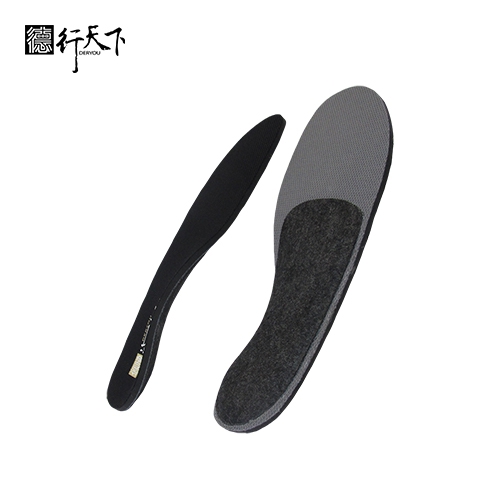
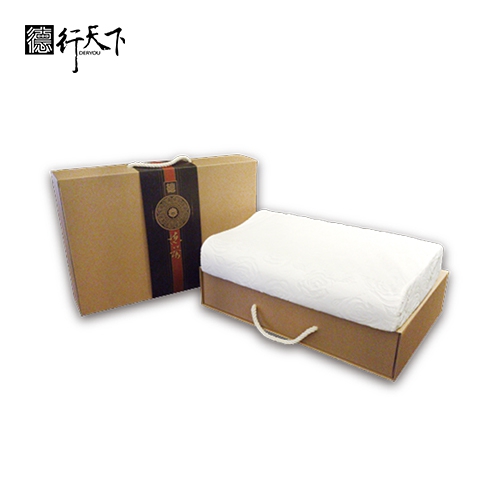
At GuangXin Industrial, our core strength lies in our deep expertise and versatility in insole and pillow manufacturing. We specialize in working with a wide range of materials, including PU (polyurethane), natural latex, and advanced graphene composites, to develop insoles and pillows that meet diverse performance, comfort, and health-support needs.
Whether it's cushioning, support, breathability, or antibacterial function, we tailor material selection to the exact requirements of each project-whether for foot wellness or ergonomic sleep products.
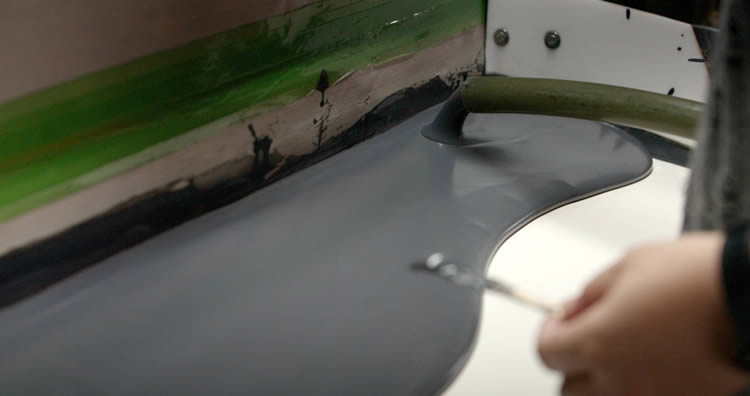
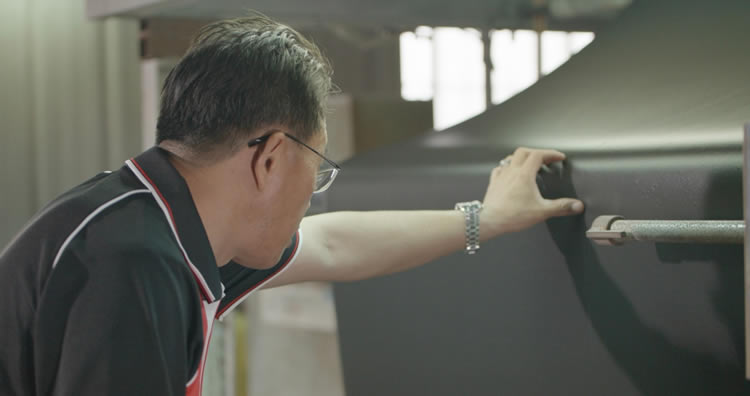
We provide end-to-end manufacturing capabilities under one roof—covering every stage from material sourcing and foaming, to precision molding, lamination, cutting, sewing, and strict quality control. This full-process control not only ensures product consistency and durability, but also allows for faster lead times and better customization flexibility.
With our flexible production capacity, we accommodate both small batch custom orders and high-volume mass production with equal efficiency. Whether you're a startup launching your first insole or pillow line, or a global brand scaling up to meet market demand, GuangXin is equipped to deliver reliable OEM/ODM solutions that grow with your business.
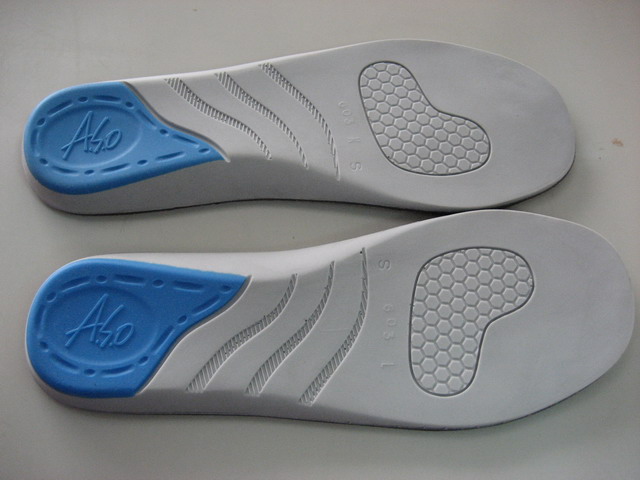
Customization & OEM/ODM Flexibility
GuangXin offers exceptional flexibility in customization and OEM/ODM services, empowering our partners to create insole products that truly align with their brand identity and target market. We develop insoles tailored to specific foot shapes, end-user needs, and regional market preferences, ensuring optimal fit and functionality.
Our team supports comprehensive branding solutions, including logo printing, custom packaging, and product integration support for marketing campaigns. Whether you're launching a new product line or upgrading an existing one, we help your vision come to life with attention to detail and consistent brand presentation.
With fast prototyping services and efficient lead times, GuangXin helps reduce your time-to-market and respond quickly to evolving trends or seasonal demands. From concept to final production, we offer agile support that keeps you ahead of the competition.
Quality Assurance & Certifications
Quality is at the heart of everything we do. GuangXin implements a rigorous quality control system at every stage of production—ensuring that each insole meets the highest standards of consistency, comfort, and durability.
We provide a variety of in-house and third-party testing options, including antibacterial performance, odor control, durability testing, and eco-safety verification, to meet the specific needs of our clients and markets.
Our products are fully compliant with international safety and environmental standards, such as REACH, RoHS, and other applicable export regulations. This ensures seamless entry into global markets while supporting your ESG and product safety commitments.
ESG-Oriented Sustainable Production
At GuangXin Industrial, we are committed to integrating ESG (Environmental, Social, and Governance) values into every step of our manufacturing process. We actively pursue eco-conscious practices by utilizing eco-friendly materials and adopting low-carbon production methods to reduce environmental impact.
To support circular economy goals, we offer recycled and upcycled material options, including innovative applications such as recycled glass and repurposed LCD panel glass. These materials are processed using advanced techniques to retain performance while reducing waste—contributing to a more sustainable supply chain.
We also work closely with our partners to support their ESG compliance and sustainability reporting needs, providing documentation, traceability, and material data upon request. Whether you're aiming to meet corporate sustainability targets or align with global green regulations, GuangXin is your trusted manufacturing ally in building a better, greener future.
Let’s Build Your Next Insole Success Together
Looking for a reliable insole manufacturing partner that understands customization, quality, and flexibility? GuangXin Industrial Co., Ltd. specializes in high-performance insole production, offering tailored solutions for brands across the globe. Whether you're launching a new insole collection or expanding your existing product line, we provide OEM/ODM services built around your unique design and performance goals.
From small-batch custom orders to full-scale mass production, our flexible insole manufacturing capabilities adapt to your business needs. With expertise in PU, latex, and graphene insole materials, we turn ideas into functional, comfortable, and market-ready insoles that deliver value.
Contact us today to discuss your next insole project. Let GuangXin help you create custom insoles that stand out, perform better, and reflect your brand’s commitment to comfort, quality, and sustainability.
🔗 Learn more or get in touch:
🌐 Website: https://www.deryou-tw.com/
📧 Email: shela.a9119@msa.hinet.net
📘 Facebook: facebook.com/deryou.tw
📷 Instagram: instagram.com/deryou.tw
Taiwan pillow OEM manufacturing factory
Are you looking for a trusted and experienced manufacturing partner that can bring your comfort-focused product ideas to life? GuangXin Industrial Co., Ltd. is your ideal OEM/ODM supplier, specializing in insole production, pillow manufacturing, and advanced graphene product design.
With decades of experience in insole OEM/ODM, we provide full-service manufacturing—from PU and latex to cutting-edge graphene-infused insoles—customized to meet your performance, support, and breathability requirements. Our production process is vertically integrated, covering everything from material sourcing and foaming to molding, cutting, and strict quality control.Custom graphene foam processing Taiwan
Beyond insoles, GuangXin also offers pillow OEM/ODM services with a focus on ergonomic comfort and functional innovation. Whether you need memory foam, latex, or smart material integration for neck and sleep support, we deliver tailor-made solutions that reflect your brand’s values.
We are especially proud to lead the way in ESG-driven insole development. Through the use of recycled materials—such as repurposed LCD glass—and low-carbon production processes, we help our partners meet sustainability goals without compromising product quality. Our ESG insole solutions are designed not only for comfort but also for compliance with global environmental standards.Graphene cushion OEM factory in Vietnam
At GuangXin, we don’t just manufacture products—we create long-term value for your brand. Whether you're developing your first product line or scaling up globally, our flexible production capabilities and collaborative approach will help you go further, faster.Insole ODM factory in Taiwan
📩 Contact us today to learn how our insole OEM, pillow ODM, and graphene product design services can elevate your product offering—while aligning with the sustainability expectations of modern consumers.Indonesia athletic insole OEM supplier
For millennia, evolution naturally mutated tomatoes, with humans later selecting preferred traits. Now, CRISPR genome editing allows even more precise changes. Researchers at Cold Spring Harbor Laboratory studied the predictability of breeding tomatoes with both natural and CRISPR-induced mutations. Their findings reveal that “background” mutations from evolutionary and agricultural history can significantly impact the outcome of engineered mutations. This emphasizes the need to understand and consider these background mutations when introducing new genetic changes. For tens of thousands of years, evolution has shaped tomatoes through natural mutations. Once humans entered the picture, they spent centuries breeding tomatoes, selecting for their preferred traits. Today, CRISPR genome editing allows us to make new crop mutations that improve traits even further. However, individual mutations, whether natural or engineered, don’t work alone. Each operates in a sea of thousands of so-called “background” mutations. These changes have been sowed by evolution and agricultural history. And what if just one could dramatically alter the desired outcome of an engineered mutation? Study on Genetic Predictability in Tomatoes Now, a plant geneticist and a computational scientist at Cold Spring Harbor Laboratory (CSHL) have teamed up to explore just how predictable plant breeding actually is with natural and CRISPR mutations. To do so, they turned back the evolutionary clock. CSHL Professor & HHMI Investigator Zachary Lippman and Associate Professor David McCandlish wondered if different natural and engineered mutations could have similar effects on tomato size depending on the presence of two other gene mutations. Using CRISPR, they created a series of mutations in the SlCLV3 gene. (Natural mutation of this gene is known to increase fruit size.) They then combined those mutations with others in genes that work with SlCLV3. Cold Spring Harbor Laboratory scientists created a collection of over 40 tomato strains with natural and engineered mutations that affected fruit size. The strains were grown over several years and across several geographic locations, including Florida and Cold Spring Harbor, NY. Credit: Lippman lab/Cold Spring Harbor Laboratory Altogether, they created 46 tomato strains with different combinations of mutations. They found the SlCLV3 mutations produced more predictable effects when certain other mutations were also present. Mutations in one gene produced predictable changes in tomato size, but mutations in another yielded random outcomes. Remarkably, the most beneficial effect involved two mutations that arose millennia ago and were central in tomato domestication. Implications for Genome Editing New research by McCandlish and Lippman may help us better understand genetic predictability. But one thing’s certain. Context matters when introducing new crop mutations. Lippman explains: “Is genome editing a way to quickly bring in consumer benefits—better flavor, nutrition? The answer is probably yes. The question is how predictable is it going to be.” A collection of tomatoes with different combinations of artificial and natural mutations. The mutations affected the number of locules, or seed pockets, resulting in different fruit sizes. Lyndsey Aguirre, a CSHL School of Biological Sciences graduate, led the project. Credit: Lippman lab/Cold Spring Harbor Laboratory Lippman and McCandlish’s work suggests the role of background mutations demands reassessment. “The field will have to grapple with this as we start to make more highly engineered organisms,” says McCandlish. “Once you start making 10, 20 mutations, the probability of having unanticipated results may increase.” Deciphering the Genetic Code of Evolution The book of evolution has been written in all different languages, many of which we’re still learning. Plant genetics and computational biology offer two means of deciphering the text. Lippman and McCandlish hope their collaborative interpretation will help science meet the challenge. Looking ahead, it may also help humanity adapt crops to meet the ever-evolving needs of society. Reference: “Idiosyncratic and dose-dependent epistasis drives variation in tomato fruit size” by Lyndsey Aguirre, Anat Hendelman, Samuel F. Hutton, David M. McCandlish and Zachary B. Lippman, 19 October 2023, Science. DOI: 10.1126/science.adi5222 The study was funded by the National Science Foundation, the Hearst Foundations, the National Institutes of Health, the Alfred P. Sloan Foundation, and the Howard Hughes Medical Institute.
Rutgers University research teams have discovered key factors in predicting egg cell viability and identified a gene mutation linked to miscarriage, providing valuable insights for improving IVF success and understanding female infertility. Two studies led by Rutgers provide insights into the success and failure of egg cells. Scientists researching the challenge of high miscarriage rates have been exploring whether it’s possible to determine if an egg cell will develop successfully into an embryo or if there is a marker indicating when it is destined to fail. Two Rutgers-led research teams have found strong clues in two separate studies using both human and mouse data that will allow them to begin to answer “yes” to both questions. Reporting in Nature Communications, one team found that mouse egg cells that form an unusual cap-like structure before being fertilized are more likely to be viable, attach to the womb, and grow than egg cells without the structure. “These are important findings because, as many people seek [in vitro fertilization] for family building, success rates are low,” said Karen Schindler, a professor in the Department of Genetics in the Rutgers School of Arts and Sciences (SAS) and senior author of the paper. “Understanding the basic mechanisms of what makes a high-quality egg and embryo are essential for improving clinical success rates.” Gene Mutation Linked to Miscarriage In the second study, published in the American Journal of Human Genetics, the Rutgers-led team identified a gene that when mutated causes an abnormal number of chromosomes in mouse eggs – a leading cause of early miscarriage and in vitro fertilization (IVF) failure. “We are seeking to understand the genetic roots of female infertility,” said Jinchuan Xing, a professor in the Department of Genetics in SAS and senior author of the paper. “In this case, the method we developed for identifying genetic risk can be applied by many researchers for further inquiry.” Understanding Infertility and Egg Production Infertility, defined as the inability to conceive after one year or longer of unprotected sex, is a common problem. In the United States, among females ages 15 to 49 with no previous births, about 1 in 5 or 19 percent are unable to get pregnant after one year of trying, according to the U.S. Centers for Disease Control and Prevention. Also, about 1 in 4 or about 26 percent of women in this group have difficulty getting pregnant or carrying a pregnancy to term, a condition known as impaired fecundity, the CDC said. Schindler, Xing, and their teams want to understand how some women produce highly viable eggs and why the process that produces eggs is so error-prone. In Schindler’s study, the team zeroed in on one of the last steps of the egg production process. Schindler said the team was inspired by work on cancer cells by a colleague, Ahna Skop, a geneticist at the University of Wisconsin who is an author on the paper. Skop discovered that the region that forms between dividing cells contains essential materials such as RNAs and proteins. Because an embryo relies on these essential materials to develop, Schindler wondered whether a mechanism with life-protecting proteins could also be produced when an egg cell divides into two daughter cells. Unlike other cell types, egg cells that divide into two cells form them unequally. One, the egg, receives most of the vital material, such as genetic information and the structures that produce proteins, while the second, known as the polar body, receives little and eventually withers away and dies. Implications of the Research Using a microscope that produces high-resolution images of living cells, the Schindler team found that egg cells also have a region between the dividing cells that is enriched in essential materials. In this analysis, they discovered a new cap-like structure that forms between the cells. In egg cells that are successfully fertilized and grow into embryos, the caps form a protective barrier that prevents the essential materials from escaping into the adjoining polar body cell. In egg cells where the cap was disrupted, embryos were not viable. “The cap is the boundary between the egg that will become fertilized by sperm and the non-functional polar body,” Schindler said. “Without this cap, essential materials can leak into the polar body and the egg is less likely to become an embryo.” In the second paper, Xing and his team analyzed a pool of data collected by IVF clinics during genetic testing of embryos for an abnormal number of chromosomes before implantation. Xing said the data gathered in this collection method, which employs an inexpensive DNA sequencing technology, hasn’t been regarded as useful for in-depth searches of genetic patterns. Although this low-coverage whole-genome sequencing method produces a fraction of the data from each genetic sample and relies on computational methods to fill in the missing information, Xing’s team was able to detect a gene mutation common to egg failure. When tested in mice, the mutation causes mistakes in the number of chromosomes divided between the egg and the polar body. “The findings and the method used have broad implications, not only for clinicians and patients investigating emerging causes of IVF failure, but in providing the world with a new way to do genetic studies using low-coverage sequencing data,” Xing said. References: “An oocyte meiotic midbody cap is required for developmental competence in mice” by Gyu Ik Jung, Daniela Londoño-Vásquez, Sungjin Park, Ahna R. Skop, Ahmed Z. Balboula and Karen Schindler, 16 November 2023, Nature Communications. DOI: 10.1038/s41467-023-43288-x “Identifying risk variants for embryo aneuploidy using ultra-low coverage whole-genome sequencing from preimplantation genetic testing” by Siqi Sun, Mansour Aboelenain, Daniel Ariad, Mary E. Haywood, Charles R. Wageman, Marlena Duke, Aishee Bag, Manuel Viotti, Mandy Katz-Jaffe, Rajiv C. McCoy, Karen Schindler and Jinchuan Xing, 28 November 2023, The American Journal of Human Genetics. DOI: 10.1016/j.ajhg.2023.11.002
New research shows genome duplication in the ancestor of modern gymnosperms, a group of seed plants that includes cypresses and pines, might have directly contributed to the origin of the group over 350 million years ago. Credit: Kristen Grace/Florida Museum of Natural History Plants are DNA hoarders. Adhering to the maxim of never throwing anything out that might be useful later, they often duplicate their entire genome and hang on to the added genetic baggage. All those extra genes are then free to mutate and produce new physical traits, hastening the tempo of evolution. A new study shows that such duplication events have been vitally important throughout the evolutionary history of gymnosperms, a diverse group of seed plants that includes pines, cypresses, sequoias, ginkgos, and cycads. Published on July 19, 2021, in Nature Plants, the research indicates that a genome duplication in the ancestor of modern gymnosperms might have directly contributed to the origin of the group over 350 million years ago. Subsequent duplications provided raw material for the evolution of innovative traits that enabled these plants to persist in dramatically changing ecosystems, laying the foundation for a recent resurgence over the last 20 million years. “This event at the start of their evolution created an opportunity for genes to evolve and create totally new functions that potentially helped gymnosperms transition to new habitats and aided in their ecological ascendance,” said Gregory Stull, a recent doctoral graduate of the Florida Museum of Natural History and lead author of the study. Some conifer and cycad species have highly restricted distributions and are at risk of going extinct due to climate change and habitat loss. These conifers, Araucaria goroensis, also known as the monkey puzzle tree, and Dacrydium araucarioides are unique to New Caledonia. Credit: Nicolas Anger Taking a closer look at gymnosperms While having more than two sets of chromosomes – a phenomenon called polyploidy – is rare in animals, in plants it is commonplace. Most of the fruits and vegetables we eat, for example, are polyploids, often involving hybridization between two closely related species. Many plants, including wheat, peanuts, coffee, oats, and strawberries, benefit from having multiple divergent copies of DNA, which can lead to faster growth rates and an increase in size and weight. Until now, however, it’s been unclear how polyploidy may have influenced the evolution of gymnosperms. Although they have some of the largest genomes in the plant kingdom, they have low chromosome numbers, which for decades prompted scientists to assume that polyploidy wasn’t as prevalent or important in these plants. Gymnosperm genetics are also complex. Their large genomes make them challenging to study, and much of their DNA consists of repeating sequences that don’t code for anything. Some gymnosperm traits, such as cone structure, color, shape and size, may have arisen as a result of multiple genome duplications. This is a female cone of the species Callitris pancheri. Credit: Nicolas Anger “What makes gymnosperm genomes complex is they seem to have a proclivity for accumulating lots of repetitive elements,” said study co-author Douglas Soltis, Florida Museum curator and University of Florida distinguished professor. “Things like ginkgos, cycads, pines and other conifers are loaded with all this repetitive stuff that has nothing to do with genome duplication.” However, a recent collaborative effort among plant biologists, including Soltis, to obtain massive numbers of genetic sequences from more than 1,000 plants has opened new doors for scientists attempting to piece together the long history of land plant evolution. Stull, now a postdoctoral researcher at the Chinese Academy of Sciences’ Kunming Institute of Botany, and his colleagues used a combination of these data and newly generated sequences to give gymnosperms another look. Genome duplication gave rise to gymnosperms By comparing the DNA of living gymnosperms, the researchers were able to peer back in time, uncovering evidence for multiple ancient genome duplication events that coincided with the origin of major groups. Gymnosperms have undergone significant extinctions throughout their long history, making it difficult to decipher the exact nature of their relationships. But the genomes of all living gymnosperms share the signature of an ancient duplication in the distant past, more than 350 million years ago. More than 100 million years later, another duplication gave rise to the pine family, while a third led to the origin of podocarps, a group containing mostly trees and shrubs that today are primarily restricted to the Southern Hemisphere. In each case, analyses revealed a strong link between duplicated DNA and the evolution of unique traits. While future studies are needed to determine exactly which traits arose due to polyploidy, possible candidates include the strange egglike roots of cycads that harbor nitrogen-fixing bacteria and the diverse cone structures found across modern conifers. Podocarp cones, for example, are highly modified and look deceptively like fruit, said Stull: “Their cones are very fleshy, have various colors, and are dispersed by different animals.” Competition and climate change led to extinction and diversification Stull and his colleagues also wanted to know whether genome duplications influenced the rate at which new gymnosperm species evolved through time. But instead of a clear-cut pattern, they found a complex interplay of extinction and diversification amidst a backdrop of a significantly changing global climates. Today, there are about 1,000 gymnosperm species, which may not seem like many when compared with the 300,000 or so species of flowering plants. But in their heyday, gymnosperms were much more diverse. Gymnosperms were still thriving prior to the asteroid extinction event 66 million years ago, best known for the demise of dinosaurs. But the dramatic ecological changes brought about by the impact tipped the scales: After the dinosaurs disappeared, flowering plants quickly began outcompeting gymnosperm lineages, which suffered major bouts of extinction as a result. Some groups were snuffed out entirely, while others barely managed to survive to the present. The once-flourishing ginkgo family, for example, is today represented by a single living species. But the results from this study indicate that at least some gymnosperm groups made a comeback starting around 20 million years ago, coinciding with Earth’s transition to a cooler, drier climate. “We see points in history where gymnosperms didn’t just continue to decline, but they actually diversified in species numbers as well, which makes for a more dynamic picture of their evolutionary history,” said co-author Pamela Soltis, Florida Museum curator and UF distinguished professor. While some gymnosperms failed to cope with the dual specter of climate change and competition, others had an advantage in certain habitats due to the very traits that caused them to lose out in their ancient rivalry with flowering plants. Groups such as pines, spruces, firs and junipers got fresh starts. “In some respects, gymnosperms maybe aren’t that flexible,” Pamela Soltis said. “They kind of have to ‘wait around’ until climate is more favorable in order for them to diversify.” In some environments, gymnosperms adapted to live at the extremes. In pine forests of southeastern North America, longleaf pines are adapted to frequent fires that incinerate their competition, and conifers dominate the boreal forests of the far north. But take away the fire or the cold, and flowering plants quickly start to encroach. While gymnosperms are still in the process of diversifying, they’ve been interrupted by human-made changes to the environment. Currently, more than 40% of gymnosperms are threatened by extinction due to the cumulative pressures of climate change and habitat loss. Future studies clarifying how their underlying genetics enabled them to persist to the present may give scientists a better framework for ensuring they survive well into the future. “Even though some conifer and cycad groups have diversified considerably over the past 20 million years, many species have highly restricted distributions and are at risk of extinction,” Stull said. “Efforts to reduce habitat loss are likely essential for conserving the many species currently threatened by extinction.” The researchers published their findings in Nature Plants. Reference: “Gene duplications and phylogenomic conflict underlie major pulses of phenotypic evolution in gymnosperms” by Gregory W. Stull, Xiao-Jian Qu, Caroline Parins-Fukuchi, Ying-Ying Yang, Jun-Bo Yang, Zhi-Yun Yang, Yi Hu, Hong Ma, Pamela S. Soltis, Douglas E. Soltis, De-Zhu Li, Stephen A. Smith and Ting-Shuang Yi, 19 July 2021, Nature Plants. DOI: 10.1038/s41477-021-00964-4 Other co-authors of the study are Xiao-Jian Qu of Shandong Normal University; Caroline Parins-Fukuchi of the University of Chicago; Ying-Ying Yang, Jun-Bo Yang, Zhi-Yun Yang, De-Zhu Li and Ting-Shuang Yi of the Chinese Academy of Sciences; Yi Hu and Hong Ma of Pennsylvania State University; and Stephen Smith of the University of Michigan. Funding for the research was provided by the Chinese Academy of Sciences, the National Natural Science Foundation of China, the Yunling International High-end Experts Program of Yunnan Province and the Natural Science Foundation of Shandong Province. Stull also received support from the CAS President’s International Fellowship Initiative and the China Postdoctoral Science Foundation’s International Postdoctoral Exchange Program.
DVDV1551RTWW78V
Vietnam high-end foam product OEM/ODM 》the preferred OEM/ODM solution for emerging and established brandsChina anti-odor insole OEM service 》where craftsmanship meets innovation and ESG valuesGraphene-infused pillow ODM factory Taiwan 》where quality, comfort, and credibility come together
- Pillow ODM design company in Taiwan 》meeting your
- Ergonomic insole ODM support Indonesia 》committed
- High-performance insole OEM Thailand 》where form m
- Innovative insole ODM solutions in Indonesia 》the
- Thailand insole ODM design and production 》preferr
- Taiwan insole OEM manufacturing factory 》experienc
限會員,要發表迴響,請先登入


