Introduction – Company Background
GuangXin Industrial Co., Ltd. is a specialized manufacturer dedicated to the development and production of high-quality insoles.
With a strong foundation in material science and footwear ergonomics, we serve as a trusted partner for global brands seeking reliable insole solutions that combine comfort, functionality, and design.
With years of experience in insole production and OEM/ODM services, GuangXin has successfully supported a wide range of clients across various industries—including sportswear, health & wellness, orthopedic care, and daily footwear.
From initial prototyping to mass production, we provide comprehensive support tailored to each client’s market and application needs.
At GuangXin, we are committed to quality, innovation, and sustainable development. Every insole we produce reflects our dedication to precision craftsmanship, forward-thinking design, and ESG-driven practices.
By integrating eco-friendly materials, clean production processes, and responsible sourcing, we help our partners meet both market demand and environmental goals.
Core Strengths in Insole Manufacturing
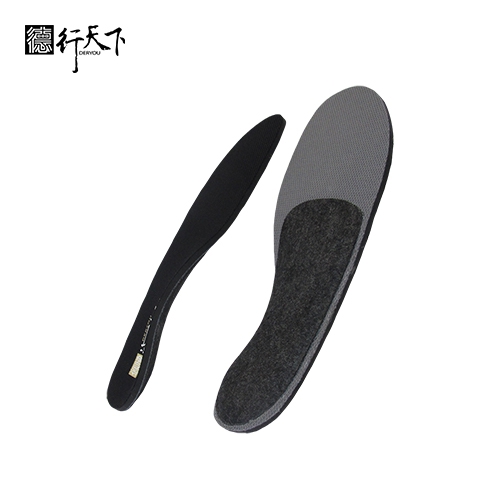
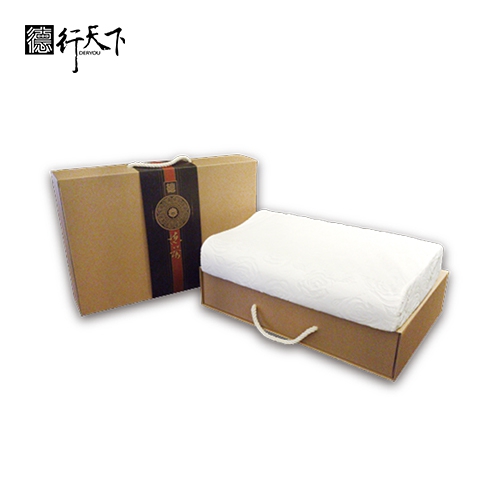
At GuangXin Industrial, our core strength lies in our deep expertise and versatility in insole and pillow manufacturing. We specialize in working with a wide range of materials, including PU (polyurethane), natural latex, and advanced graphene composites, to develop insoles and pillows that meet diverse performance, comfort, and health-support needs.
Whether it's cushioning, support, breathability, or antibacterial function, we tailor material selection to the exact requirements of each project-whether for foot wellness or ergonomic sleep products.
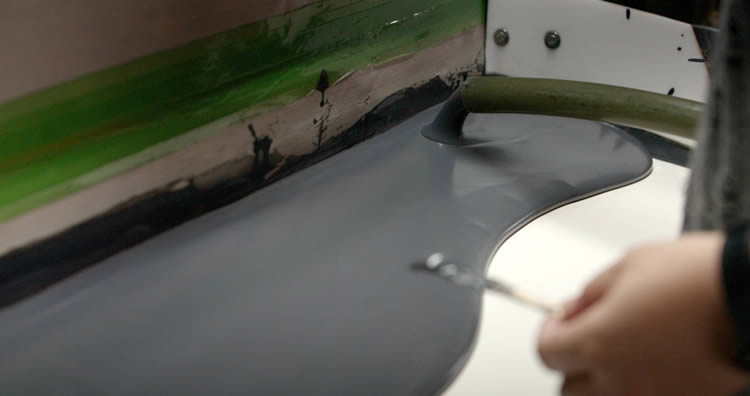
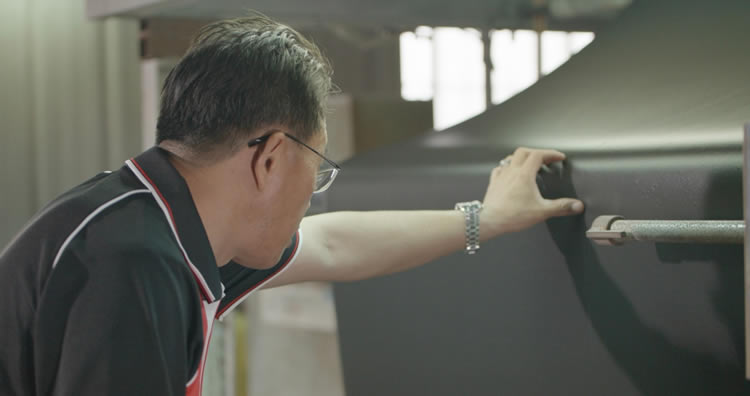
We provide end-to-end manufacturing capabilities under one roof—covering every stage from material sourcing and foaming, to precision molding, lamination, cutting, sewing, and strict quality control. This full-process control not only ensures product consistency and durability, but also allows for faster lead times and better customization flexibility.
With our flexible production capacity, we accommodate both small batch custom orders and high-volume mass production with equal efficiency. Whether you're a startup launching your first insole or pillow line, or a global brand scaling up to meet market demand, GuangXin is equipped to deliver reliable OEM/ODM solutions that grow with your business.
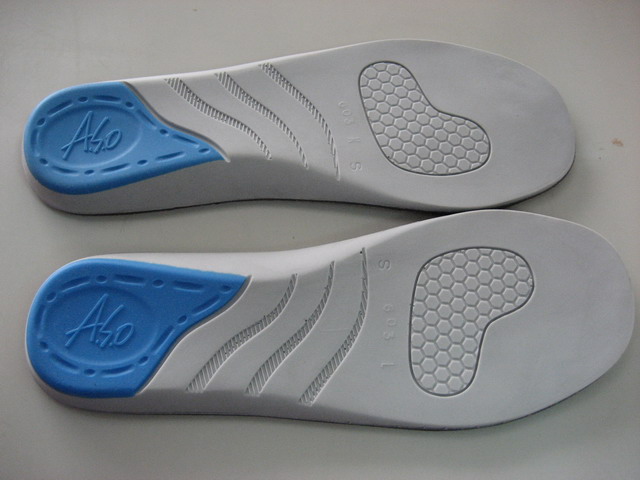
Customization & OEM/ODM Flexibility
GuangXin offers exceptional flexibility in customization and OEM/ODM services, empowering our partners to create insole products that truly align with their brand identity and target market. We develop insoles tailored to specific foot shapes, end-user needs, and regional market preferences, ensuring optimal fit and functionality.
Our team supports comprehensive branding solutions, including logo printing, custom packaging, and product integration support for marketing campaigns. Whether you're launching a new product line or upgrading an existing one, we help your vision come to life with attention to detail and consistent brand presentation.
With fast prototyping services and efficient lead times, GuangXin helps reduce your time-to-market and respond quickly to evolving trends or seasonal demands. From concept to final production, we offer agile support that keeps you ahead of the competition.
Quality Assurance & Certifications
Quality is at the heart of everything we do. GuangXin implements a rigorous quality control system at every stage of production—ensuring that each insole meets the highest standards of consistency, comfort, and durability.
We provide a variety of in-house and third-party testing options, including antibacterial performance, odor control, durability testing, and eco-safety verification, to meet the specific needs of our clients and markets.
Our products are fully compliant with international safety and environmental standards, such as REACH, RoHS, and other applicable export regulations. This ensures seamless entry into global markets while supporting your ESG and product safety commitments.
ESG-Oriented Sustainable Production
At GuangXin Industrial, we are committed to integrating ESG (Environmental, Social, and Governance) values into every step of our manufacturing process. We actively pursue eco-conscious practices by utilizing eco-friendly materials and adopting low-carbon production methods to reduce environmental impact.
To support circular economy goals, we offer recycled and upcycled material options, including innovative applications such as recycled glass and repurposed LCD panel glass. These materials are processed using advanced techniques to retain performance while reducing waste—contributing to a more sustainable supply chain.
We also work closely with our partners to support their ESG compliance and sustainability reporting needs, providing documentation, traceability, and material data upon request. Whether you're aiming to meet corporate sustainability targets or align with global green regulations, GuangXin is your trusted manufacturing ally in building a better, greener future.
Let’s Build Your Next Insole Success Together
Looking for a reliable insole manufacturing partner that understands customization, quality, and flexibility? GuangXin Industrial Co., Ltd. specializes in high-performance insole production, offering tailored solutions for brands across the globe. Whether you're launching a new insole collection or expanding your existing product line, we provide OEM/ODM services built around your unique design and performance goals.
From small-batch custom orders to full-scale mass production, our flexible insole manufacturing capabilities adapt to your business needs. With expertise in PU, latex, and graphene insole materials, we turn ideas into functional, comfortable, and market-ready insoles that deliver value.
Contact us today to discuss your next insole project. Let GuangXin help you create custom insoles that stand out, perform better, and reflect your brand’s commitment to comfort, quality, and sustainability.
🔗 Learn more or get in touch:
🌐 Website: https://www.deryou-tw.com/
📧 Email: shela.a9119@msa.hinet.net
📘 Facebook: facebook.com/deryou.tw
📷 Instagram: instagram.com/deryou.tw
Thailand anti-bacterial pillow ODM design
Are you looking for a trusted and experienced manufacturing partner that can bring your comfort-focused product ideas to life? GuangXin Industrial Co., Ltd. is your ideal OEM/ODM supplier, specializing in insole production, pillow manufacturing, and advanced graphene product design.
With decades of experience in insole OEM/ODM, we provide full-service manufacturing—from PU and latex to cutting-edge graphene-infused insoles—customized to meet your performance, support, and breathability requirements. Our production process is vertically integrated, covering everything from material sourcing and foaming to molding, cutting, and strict quality control.Taiwan sustainable material ODM production base
Beyond insoles, GuangXin also offers pillow OEM/ODM services with a focus on ergonomic comfort and functional innovation. Whether you need memory foam, latex, or smart material integration for neck and sleep support, we deliver tailor-made solutions that reflect your brand’s values.
We are especially proud to lead the way in ESG-driven insole development. Through the use of recycled materials—such as repurposed LCD glass—and low-carbon production processes, we help our partners meet sustainability goals without compromising product quality. Our ESG insole solutions are designed not only for comfort but also for compliance with global environmental standards.Smart pillow ODM manufacturing factory Taiwan
At GuangXin, we don’t just manufacture products—we create long-term value for your brand. Whether you're developing your first product line or scaling up globally, our flexible production capabilities and collaborative approach will help you go further, faster.Graphene insole OEM factory Thailand
📩 Contact us today to learn how our insole OEM, pillow ODM, and graphene product design services can elevate your product offering—while aligning with the sustainability expectations of modern consumers.Taiwan foot care insole ODM expert
A baby bamboo shark born via artificial insemination. Credit: Photo by Jay Harvey, Aquarium of the Pacific It’s a tough time to be a shark. Pollution, industrialized fishing, and climate change threaten marine life, and the populations of many top ocean predators have declined in recent years. In addition to studying sharks in the wild, scientists working to save sharks rely on ones living in zoos and aquariums so that they can help build breeding programs and learn more about the conditions sharks need to thrive. One important way the scientists do that is by playing matchmakers to the sharks, pairing up individuals in ways that increase genetic diversity. In a new study in Scientific Reports, scientists undertook the largest-ever effort to artificially inseminate sharks. Their work resulted in 97 new baby sharks, including ones whose parents live on opposite sides of the country and a few that don’t have fathers at all. “Our goal was to develop artificial insemination as a tool that could be used to help support and maintain healthy reproducing populations of sharks in aquariums,” says Jen Wyffels, the paper’s lead author who conducted the research for this paper with the South-East Zoo Alliance for Reproduction & Conservation and is currently a researcher at the University of Delaware. “Moving whole animals from one aquarium to another to mate is expensive and can be stressful for the animal, but now we can just move genes around through sperm,” says Kevin Feldheim, a researcher at Chicago’s Field Museum and a co-author of the study who led the DNA analysis of the newborn sharks to determine their parentage. Egg cases (aka “mermaid’s purses”) laid by bamboo sharks and fertilized via artificial insemination. Credit: Photo by Jay Harvey, Aquarium of the Pacific Figuring out shark parentage can be tricky because shark reproduction isn’t always straightforward. In some species, female sharks can store sperm for months after mating and they use it for fertilization “on demand,” so the father of a newborn shark isn’t necessarily the male the mother most recently had contact with. Some female sharks are even capable of reproducing with no male at all, a process called parthenogenesis. In parthenogenesis, the female’s egg cells are able to combine with each other, creating an embryo that only contains genetic material from the mother. To study shark reproduction, the researchers focused on whitespotted bamboo sharks. “When people think of sharks, they picture great whites, tiger sharks, and bull sharks — the big, scary, charismatic ones,” says Feldheim. “Whitespotted bamboo sharks are tiny, about three feet long. If you go to an aquarium, they’re generally just resting on the bottom.” But while bamboo sharks’ gentleness and small size make them unlikely candidates for Hollywood fame, those qualities make them ideal for researchers to try to artificially inseminate. Before attempting artificial insemination, researchers have to make sure that the potential mothers aren’t already carrying sperm from a previous rendezvous. “Candidate females are isolated from males and the eggs they lay afterwards are monitored to make sure they are infertile,” says Wyffels. Egg-laying sharks regularly lay eggs on a regular schedule, much like chickens, says Wyffels, to the point that they’re nicknamed “chickens of the sea.” To determine if the eggs are infertile, scientists shine an underwater light through the leathery, rectangular egg cases (called “mermaid’s purses”) to see if there’s a wriggling embryo on top of the yolk. If there are no fertilized eggs for six weeks or more, the shark is ready to be inseminated. A group of bamboo shark hatchlings in a tube. Credit: Photo by Jay Harvey, Aquarium of the Pacific Scientists collected and evaluated 82 semen samples from 19 sharks in order to tell the difference between good and bad samples. Some of the good samples went to nearby females for insemination, while others were kept cold and shipped around and across the country. Once the semen reached Ripley’s Aquarium of the Smokies or Aquarium of the Pacific, where a female was waiting, researchers sedated her and placed the semen in her reproductive tract — the procedure took less than ten minutes. All in all, 20 females were inseminated as part of the study. Baby sharks hatched from fertilized eggs after 4 months of incubation. “The hatchlings are about the size of your hand, and they have distinctive spot patterns that help to tell them apart,” says Wyffels. Tissue samples were taken from all the babies, along with their parents, so Feldheim could analyze their DNA at the Field Museum’s Pritzker Laboratory for Molecular Systematics and Evolution. Feldheim developed a suite of genetic markers to determine parentage. “We sequenced the DNA and found sections where the code repeats itself,” says Feldheim. “These repeating bits of code serve as signatures, and when we see them in the babies, we match them up to the potential dads.” The team found that freshly collected semen was effective in fertilizing eggs in 27.6% of cases; semen that had been cold-stored for 24 or 48 hours had 28.1% and 7.1% success rates, respectively. In the genetic analysis of the offspring, the team also found two instances of parthenogenesis, where the mother reproduced on her own without using the sperm she’d been inseminated with. “These cases of parthenogenesis were unexpected and help illustrate how little we know about the basic mechanisms of sexual reproduction and embryo development among sharks,” says Wyffels. From these preliminary results, the scientists hope to help aquariums expand and manage their shark breeding programs. “There have been other reports on artificial insemination of sharks, but they include very few females. In this study, we’re in the double digits and as a result we could investigate different methods for preparing and preserving sperm for insemination” says Wyffels. “And a hatchling from shark parents that live almost 3,000 miles apart from sperm collected days in advance, that’s definitely a first.” “One of the goals of this pilot project was to just see if it worked,” says Feldheim. “Now, we can extend it to other animals that actually need help breeding, from other species in aquariums to sharks under threat in the wild.” The researchers also note that if studies like these contribute to the conservation of sharks in the wild, it will be largely thanks to aquariums. “We wouldn’t know about parthenogenesis in sharks if it wasn’t for aquariums,” says Feldheim. “Aquariums allow you to observe the same individual animals over time, and that’s very difficult to do in the wild,” says Wyffels. “Aquarists have eyes on their animals every day. They pick up on subtle changes in behavior related to reproduction, and they tell us what they see. Research like this depends on that collaboration. We are already taking what we learned from this study and applying it to other species, especially the sand tiger shark, a protected species that does not reproduce often in aquariums.” Reference: “Artificial insemination and parthenogenesis in the whitespotted bamboo shark Chiloscyllium plagiosum” by Jennifer T. Wyffels, Lance M. Adams, Frank Bulman, Ari Fustukjian, Michael W. Hyatt, Kevin A. Feldheim & Linda M. Penfold 13 May 2021, Scientific Reports. DOI: 10.1038/s41598-021-88568-y This study was led by researchers from the South-East Zoo Alliance for Reproduction & Conservation in collaboration with, the Aquarium of the Pacific, Ripley’s Aquarium of the Smokies, The Florida Aquarium, Adventure Aquarium and the Field Museum.
Chimpanzee dung samples were collected across Africa to determine if populations were recently connected despite historical barriers to gene flow. Credit: © PanAf A new large-scale study uncovers recent genetic connectivity between chimpanzee subspecies despite past isolation events. Researchers from the Pan African Programme: The Cultured Chimpanzee (PanAf) at the Max Planck Institute for Evolutionary Anthropology (MPI-EVA) and a team of international researchers, collected over 5000 fecal samples from 55 sites in 18 countries across the chimpanzee range over 8 years. This is by far the most complete sampling of the species to date, with a known location of origin for every sample, thus addressing the sampling limitations of previous studies. “Collecting these samples was often a daunting task for our amazing field teams. The chimpanzees were almost all unhabituated to human presence, so it took a lot of patience, skill and luck to find chimpanzee dung at each of the sites,” explains Mimi Arandjelovic, co-director of the PanAf and senior author of the study. Jack Lester, first author of the study, explains: “We used rapidly-evolving genetic markers that reflect the recent population history of species and, in combination with the dense sampling from across their range, we show that chimpanzee subspecies have been connected, or, more likely, reconnected, for extended periods during the most recent maximal expansion of African forests.” Anthony Agbor, co-author of the study and field site manager at several PanAf sites, prepares samples for processing in the field. Credit: © PanAf Reconnecting Subspecies Through DNA So although chimpanzees were separated into different subspecies in their distant past, prior to the rise of recent anthropogenic disturbances, the proposed subspecies-specific geographic barriers were permeable to chimpanzee dispersal. Paolo Gratton, co-author of the study and researcher at the Università di Roma “Tor Vergata” adds: “It is widely thought that chimpanzees persisted in forest refugia during glacial periods, which has likely been responsible for isolating groups of populations which we now recognize as subspecies. Our results from fast-evolving microsatellite DNA markers however indicate that genetic connectivity in the most recent millennia mainly mirrors geographic distance and local factors, masking the older subspecies subdivisions.” Furthermore, “these results suggest that the great behavioral diversity observed in chimpanzees are therefore not due to local genetic adaptation but that they rely on behavioral flexibility, much like humans, to respond to changes in their environment,” notes Hjalmar Kuehl, co-director of the PanAf and researcher at the German Centre for Integrative Biodiversity Research (iDiv). As the chimpanzees were not habituated to human presence, scat samples were used as sources of DNA for the study. Here a chimpanzee from one of the study areas is recorded by a PanAf camera trap. At the Chimp&See (http://chimpandsee.org) citizen science project, all PanAf videos can be viewed and annotated. Credit: © PanAf Human Impact Already Affecting Diversity The team also observed signals of reductions in diversity at some sites that appeared to be associated with recent anthropogenic pressures. In fact, at some locations, PanAf teams visited no, or few, chimpanzees were detected despite recordings of their presence within the last decades. “Although not unforeseen, we were disheartened to already find the influence of human impacts at some field sites where genetic diversity was markedly lower than what we expected,” says Jack Lester. These results highlight the importance of genetic connectivity for chimpanzees in their recent history. “Every effort should be made to re-establish and maintain dispersal corridors across their range, with perhaps special attention to trans-national protected areas,” notes Christophe Boesch, co-director of the PanAf and director of the Wild Chimpanzee Foundation. Chimpanzees are known to be adaptable to human disturbance and can survive in human-modified landscapes, however, habitat loss, zoonotic diseases, bushmeat, and pet trades are all threats to chimpanzee survival. These results warn of future critical impacts on their genetic health and viability if habitat fragmentation and isolation continue unabated. Reference: “Recent genetic connectivity and clinal variation in chimpanzees” by Jack D. Lester, Linda Vigilant, Paolo Gratton, Maureen S. McCarthy, Christopher D. Barratt, Paula Dieguez, Anthony Agbor, Paula Álvarez-Varona, Samuel Angedakin, Emmanuel Ayuk Ayimisin, Emma Bailey, Mattia Bessone, Gregory Brazzola, Rebecca Chancellor, Heather Cohen, Emmanuel Danquah, Tobias Deschner, Villard Ebot Egbe, Manasseh Eno-Nku, Annemarie Goedmakers, Anne-Céline Granjon, Josephine Head, Daniela Hedwig, R. Adriana Hernandez-Aguilar, Kathryn J. Jeffery, Sorrel Jones, Jessica Junker, Parag Kadam, Michael Kaiser, Ammie K. Kalan, Laura Kehoe, Ivonne Kienast, Kevin E. Langergraber, Juan Lapuente, Anne Laudisoit, Kevin Lee, Sergio Marrocoli, Vianet Mihindou, David Morgan, Geoffrey Muhanguzi, Emily Neil, Sonia Nicholl, Christopher Orbell, Lucy Jayne Ormsby, Liliana Pacheco, Alex Piel, Martha M. Robbins, Aaron Rundus, Crickette Sanz, Lilah Sciaky, Alhaji M. Siaka, Veronika Städele, Fiona Stewart, Nikki Tagg, Els Ton, Joost van Schijndel, Magloire Kambale Vyalengerera, Erin G. Wessling, Jacob Willie, Roman M. Wittig, Yisa Ginath Yuh, Kyle Yurkiw, Klaus Zuberbuehler, Christophe Boesch, Hjalmar S. Kühl and Mimi Arandjelovic, 5 March 2021, Communications Biology. DOI: 10.1038/s42003-021-01806-x
Left: Normal spermatogenesis in the scrotum (34°C) Right: Impaired spermatogenesis in the abdomen (38°C). Credit: NIBB Spermatogenesis fails at elevated temperatures, disrupting meiosis and other processes, as shown in organ culture studies. This highlights the critical role of lower scrotal temperatures in maintaining male fertility. Testicles of most mammals are cooled in the scrotum, and elevated testicular temperatures lead to spermatogenesis failure and male infertility. A team of researchers led by Shosei Yoshida at the National Institute for Basic Biology in Japan detailed this process using organ cultures and revealed that spermatogenesis is impaired at multiple steps in a delicate temperature-dependent manner. Spermatogenesis is the process by which haploid spermatozoa develop from germ cells in the seminiferous tubules of the testis. In particular, although spermatogenesis is completed at 34°C/93°F (the scrotal temperature), warming to 37–38°C/98.6–100°F (temperatures in the abdomen) severely affects meiosis—the process of segregating homologous chromosomes into haploid sperms—and the damaged cells undergo cell death. Demonstrating the utility of organ culture, this study will boost the study of heat vulnerability in spermatogenesis. Blue bars indicate the germ cell types observed in testis explants cultured at the indicated temperatures. *No germ cells survived at 40°C. Credit: NIBB Many studies have been conducted on the heat impairment of spermatogenesis by raising the testis temperature using animal models, for example, surgical relocation of the testis to the abdomen. However, actual testicular temperature could not be controlled in these experiments. Furthermore, the effects of extra-testicular factors such as the endocrine and nervous systems cannot be excluded. To overcome these limitations, the research group took advantage of the testis organ culture setting that supports complete spermatogenesis in incubators, which was developed by Takehiko Ogawa and colleagues at Yokohama City University. By culturing mouse testes at different temperatures, spermatogenesis was found to fail at multiple steps (e.g., progression of meiosis, and generation and transformation of haploid cells), showing sharp temperature dependencies between 30°C/86°F and 40°C/104°F. Meiosis and DNA Repair at Elevated Temperatures Yoshida says, “We did not expect such a delicate ensemble of multiple temperature-dependent events to underpin this well-known phenomenon. This discovery could only have been achieved using an organ culture system.” At 34°C (scrotal temperature), meiosis proceeds normally with all the homologous chromosomes paired normally. At 37 and 38°C (body core temperature), spermatocytes show aberrant chromosome pairing and undergo cell death. Credit: NIBB The group further revealed that meiosis, through which homologous chromosomes segregate into haploid sperms, was severely affected at 37–38°C. Specifically, the repair of DNA double-strand breaks and homologous chromosome pairing, which are requisites for proper chromosome segregation, were impaired. Damaged cells undergo cell death through a surveillance mechanism or a checkpoint. Kodai Hirano, the primary contributor to this study, says, “It was surprising that essential processes, such as meiosis, can be easily damaged at normal body core temperatures. Through the combined functions of the scrotum and checkpoint, only sperm developed at low temperatures fertilizes eggs to generate the next generation. Key questions for future studies include the molecular mechanism of heat sensitivity and the biological significance of low temperatures in sperm production.” This study has been published in Communications Biology. Reference: “Temperature sensitivity of DNA double-strand break repair underpins heat-induced meiotic failure in mouse spermatogenesis” by Kodai Hirano, Yuta Nonami, Yoshiaki Nakamura, Toshiyuki Sato, Takuya Sato, Kei-ichiro Ishiguro, Takehiko Ogawa and Shosei Yoshida, 26 May 2022, Communications Biology. DOI: 10.1038/s42003-022-03449-y
DVDV1551RTWW78V
Memory foam pillow OEM factory Taiwan 》meeting your quality standards, exceeding your expectationsTaiwan flexible graphene product manufacturing factory 》your competitive edge in product performance and speedGraphene-infused pillow ODM Taiwan 》meeting your quality standards, exceeding your expectations
下一則: High-performance insole OEM Thailand 》where form m
限會員,要發表迴響,請先登入


