week 6
A. In-class notes
Declaration of Independence
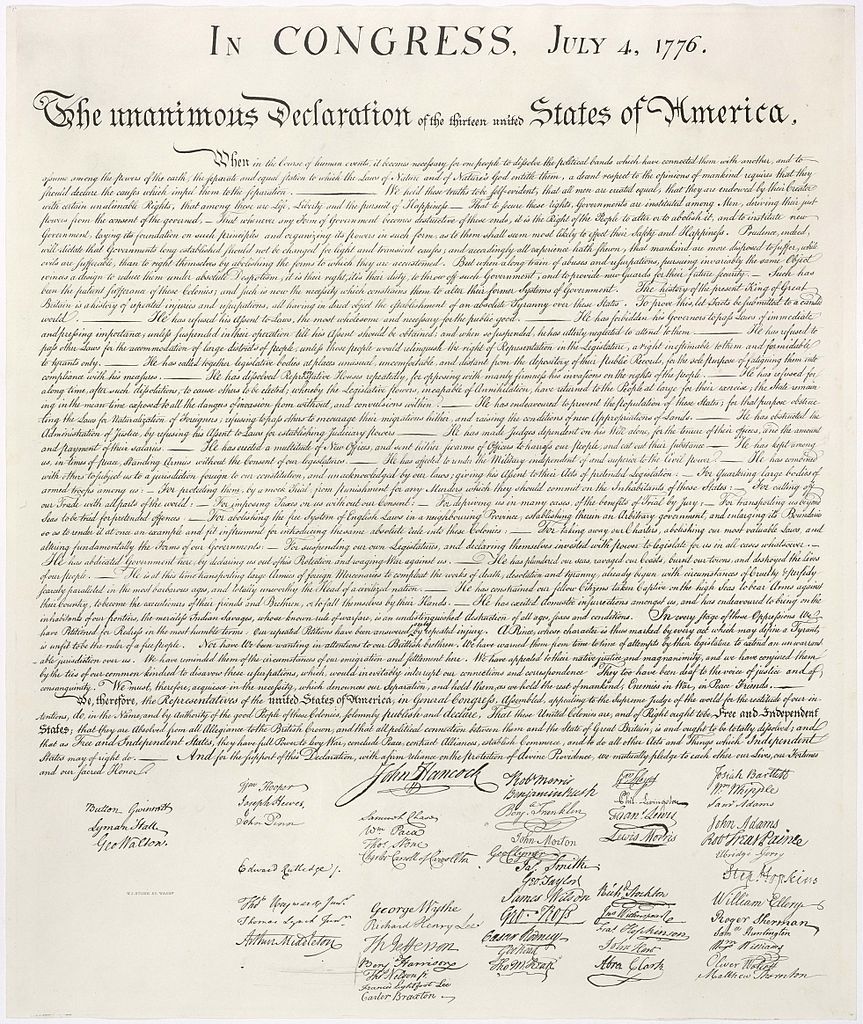
The Declaration of Independence is the statement adopted by the Second Continental Congress meeting at the Pennsylvania State House (Independence Hall) in Philadelphia on July 4, 1776, which announced that the thirteen American colonies, then at war with the Kingdom of Great Britain, regarded themselves as thirteen newly independent sovereign states, and no longer under British rule.
Victor Hugo
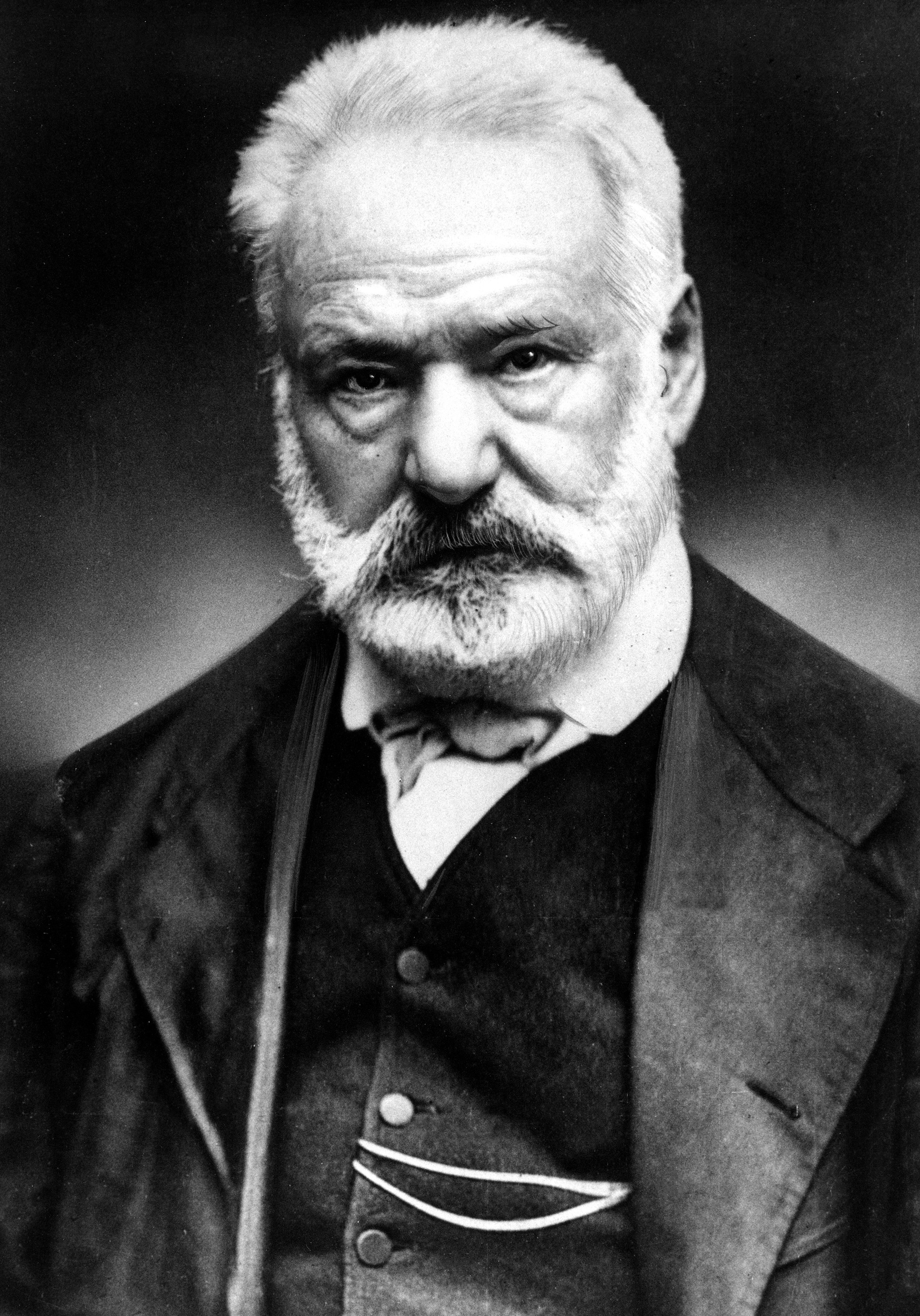
Victor Marie Hugo was a French poet, novelist, and dramatist of the Romantic Movement. He is considered one of the greatest and best-known French writers. Outside France, his best-known works are the novels Les Misérables, 1862, and The Hunchback of Notre-Dame (French: Notre-Dame de Paris), 1831. In France, Hugo is known primarily for his poetry collections, such as Les Contemplations (The Contemplations) and La Légende des siècles (The Legend of the Ages).
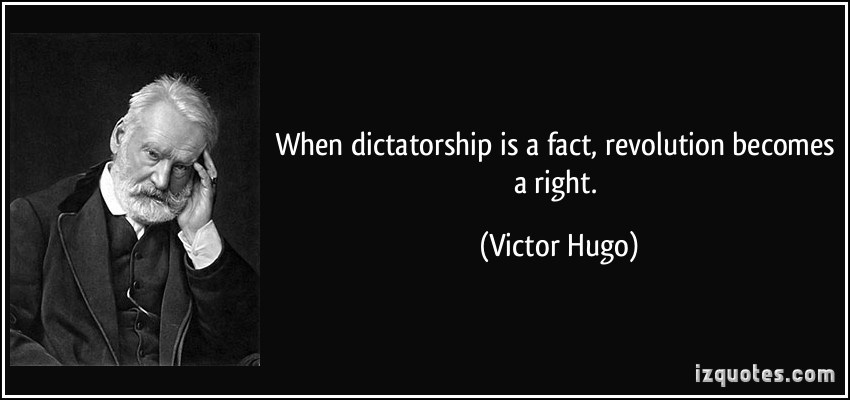
When dictatorship is a fact, revolution becomes a right.
Les Misérables
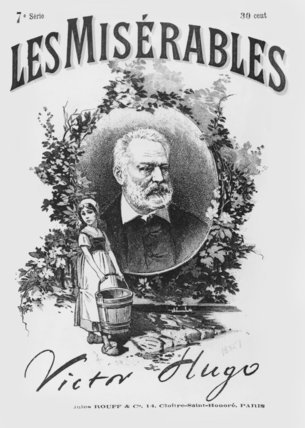

Les Misérables is a French historical novel by Victor Hugo, first published in 1862, that is considered one of the greatest novels of the 19th century. In the English-speaking world, the novel is usually referred to by its original French title. Beginning in 1815 and culminating in the 1832 June Rebellion in Paris, the novel follows the lives and interactions of several characters, particularly the struggles of ex-convict Jean Valjean and his experience of redemption.
The Hunchback of Notre-Dame
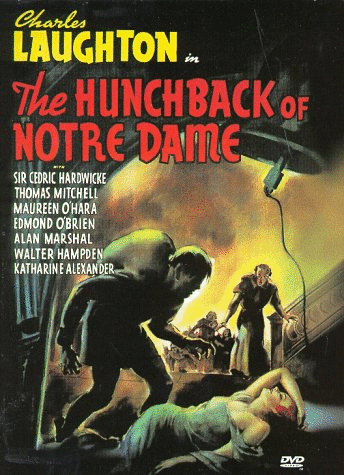
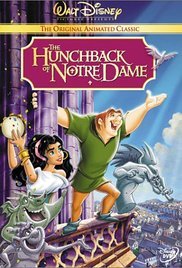
The Hunchback of Notre-Dame is a French Romantic/Gothic novel by Victor Hugo, published in 1831. The original French title refers to Notre Dame Cathedral, on which the story is centered. English translator Frederic Shoberl named the novel The Hunchback of Notre Dame in 1833 because at the time, Gothic novels were more popular than Romance novels in England. The story is set in Paris, France in the Late Middle Ages, during the reign of Louis XI.
B. 1100 words you need to know
desist- to stop doing something, especially something that someone else does not want you to do
de- down, down from, from, off
recoil- to move back because of fear or disgust
obsess- think about it all the time
ob- toward, against, across, down
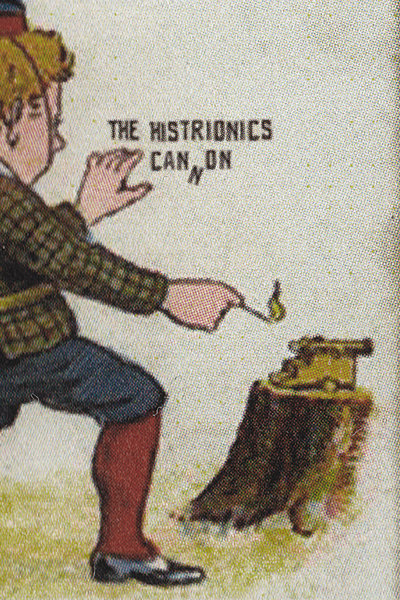 histrionics-very emotional and energetic behavior that is not sincere
elusive- difficult to describe, find, achieve, or remember
elude- delude, make a fool of
inundate- to overflow, run over
garbled- not clear to understand
 phlegmatic- cool, calm, self-possessed
zealous- enthusiastic, eager
elapse- slip or glide away, escape
lapse- to lose one's footing, slip, slide
 meticulous- very careful and with great attention to every detail
lax- loose
rash- nimble, quick, vigorous
obviate- to remove a difficulty
lurid- ghastly
quip- a humorous and clever remark
 diatribe- critical dissertation
ilk- a particular type
 placard- formal document authenticated by an affixed seal
 expunge- to rub off or remove information
pugnacious(a.)- combative, fond of fighting
anathema- an accursed thing
ana- upward; back, backward, against; again, anew,
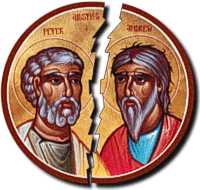 schism- dissension within the church

 utopia- the idea of a perfect society
eu- good, well
jaunty- happy and confident
 ostentatious- too obviously showing your money, possessions, or power, in an attempt to make other people notice and admire you


