week 11
A.syllabus
Sophocles
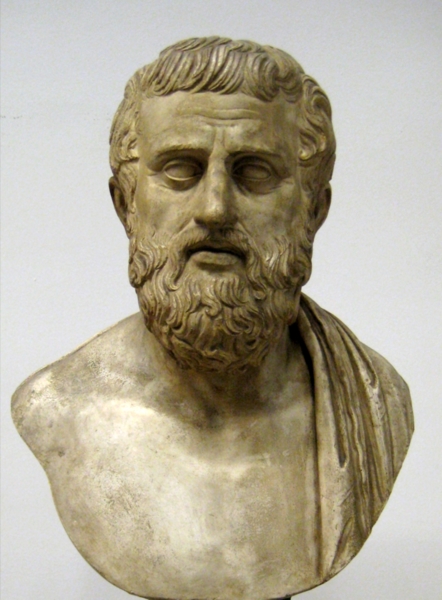
Sophocles is one of three ancient Greek tragedians whose plays have survived. His first plays were written later than those of Aeschylus, and earlier than or contemporary with those of Euripides. Sophocles wrote 120 plays during the course of his life, but only seven have survived in a complete form: Ajax, Antigone, The Women of Trachis, Oedipus the King, Electra, Philoctetes and Oedipus at Colonus.For almost 50 years, Sophocles was the most celebrated playwright in the dramatic competitions of the city-state of Athens that took place during the religious festivals of the Lenaea and the Dionysia. He competed in 30 competitions, won 18, and was never judged lower than second place. Aeschylus won 14 competitions, and was sometimes defeated by Sophocles, while Euripides won 5 competitions.
B. notes in class
e.e. Cummings
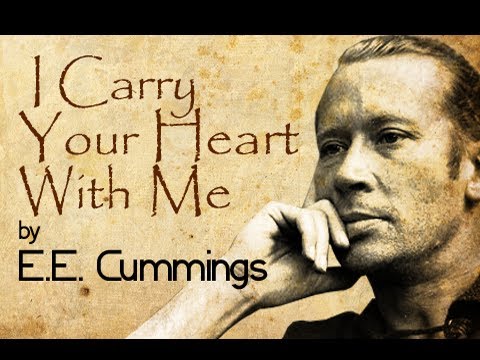
Edward Estlin "E. E." Cummings, often stylized as e e cummings (in the style of some of his poems—see name and capitalization below), was an American poet, painter, essayist, author, and playwright. His body of work encompassed approximately 2,900 poems; two autobiographical novels; four plays; and several essays, as well as numerous drawings and paintings. He is remembered as an eminent voice of 20th-century English literature.
I Like My Body When It Is With Your
I like my body when it is with your
body. It is so quite new a thing.
Muscles better and nerves more.
i like your body. i like what it does,
i like its hows. i like to feel the spine
of your body and its bones, and the trembling
-firm-smooth ness and which i will
again and again and again
kiss, i like kissing this and that of you,
i like, slowly stroking the, shocking fuzz
of your electric furr, and what-is-it comes
over parting flesh….And eyes big love-crumbs,
and possibly i like the thrill
of under me you so quite new
Book: 100 Selected Poems by E. E. Cummings
Herodotus
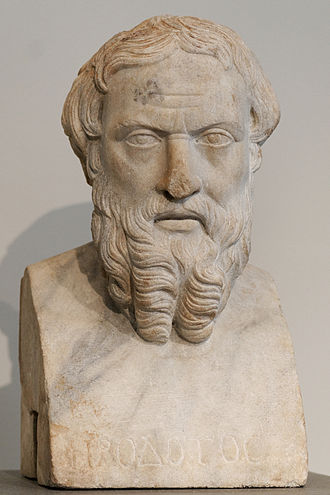
Herodotus was a Greek historian who was born in Halicarnassus in the Persian Empire and lived in the fifth century BC (c. 484–c. 425 BC), a contemporary of Socrates. He is widely referred to as "The Father of History"; he was the first historian known to have broken from Homeric tradition to treat historical subjects as a method of investigation—specifically, by collecting his materials systematically and critically, and then arranging them into a historiographic narrative.
Icarus
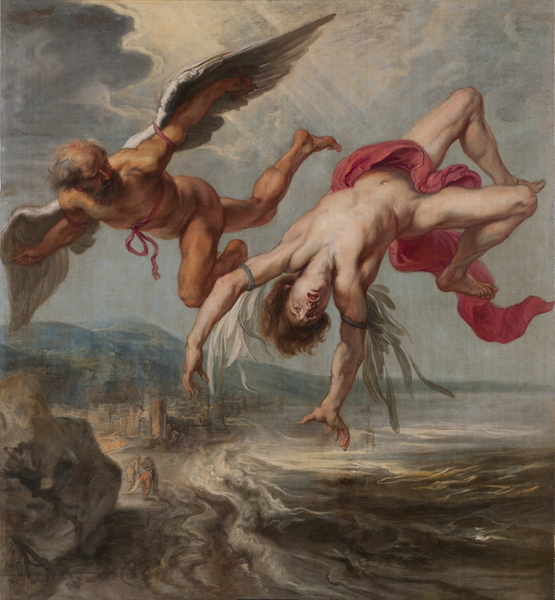
In Greek mythology, Icarus is the son of the master craftsman Daedalus, the creator of the Labyrinth. Often depicted in art, Icarus and his father attempt to escape from Crete by means of wings that his father constructed from feathers and wax. Icarus' father warns him first of complacency and then of hubris, asking that he fly neither too low nor too high, so the sea's dampness would not clog his wings or the sun's heat melt them. Icarus ignored his father's instructions not to fly too close to the sun, when the wax in his wings melted and he fell into the sea. This tragic theme of failure at the hands of hubris contains similarities to that of Phaëthon.
Medea
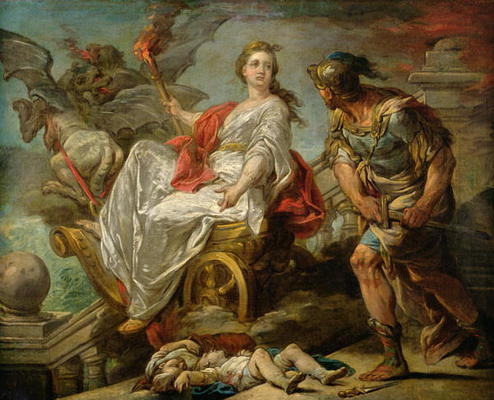
In Greek mythology, Medeais a sorceress who was the daughter of King Aeëtes of Colchis, niece of Circe, granddaughter of the sun god Helios, and later wife to the hero Jason. In Euripides's play Medea, Jason abandons Medea when Creon, king of Corinth, offers his daughter Glauce. The play tells of Medea avenging her husband's betrayal by killing their children.
Medea figures in the myth of Jason and the Argonauts, a myth known best from a late literary version worked up by Apollonius of Rhodes in the 3rd century BC and called the Argonautica. Medea is known in most stories as an enchantress and is often depicted as being a priestess of the goddess Hecate or a witch. The myth of Jason and Medea is very old, originally written around the time Hesiod wrote the Theogony.
John Milton
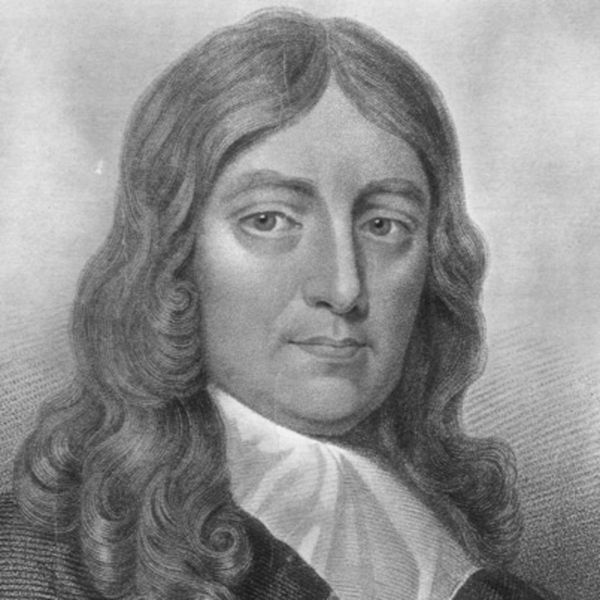
John Milton was an English poet, polemicist, man of letters, and civil servant for the Commonwealth of England under Oliver Cromwell. He wrote at a time of religious flux and political upheaval, and is best known for his epic poem Paradise Lost (1667), written in blank verse.
C. Definitions
peculiar- unusual and strange, sometimes in an unpleasant way
patronage- the support given to a organization by someone
限會員,要發表迴響,請先登入


