很多殊勝義意於內!
-----------------------------------------------------------------------------------------------------------------
॥ नमो रत्न - त्रयाय॥
॥ ॐ मणि - पद्मे हुम्॥
॥ ॐ आः हुम्॥
॥ ॐ स्वभाव-शून्याः सर्व-धर्माः स्वभाव-शुद्धोऽहम्॥
॥ ॐ शून्यता-ज्ञान-वज्र-स्वभावात्मकोऽहम्॥
॥ ॐ मुनि मुनि महामुनये स्वाहा॥
॥ ॐ नमो अमिताभाय॥
॥ ॐ नमो आर्यावलोकितेश्वराय॥
॥ ॐ आः हुम्॥
.. namo ratna trayäya ..
.. om maëi padme hum ..
.. om ä迄 hum ..
.. om svabhäva ç邦nyä迄 sarva dharmä迄 svabhäva çuddho ‘ham ..
.. om ç邦nyatä jïäna vajra svabhävätmako ‘ham ..
.. om muni muni mahämunaye svähä ..
.. om namo amitäbhäya ..
.. om namo äryävalokiteçvaräya ..
.. om ä迄 hum ..
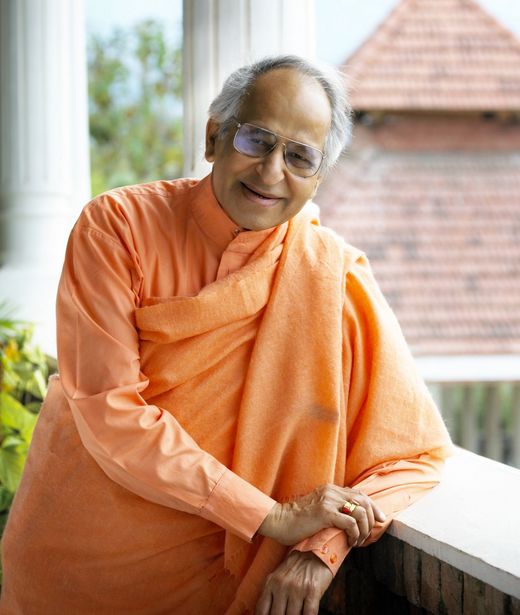
譯者按,斯瓦米韋達挑了幾個佛教的短咒,以梵文頌讀。他說過,咒語的力量是來自於音聲,所以發音要正確。請讀者聽從他的原音頌唸,盡可能不要用漢字音譯的讀音發音。他並且為每個咒語做了簡單的說明,請讀者在頌咒時也要體會咒語之意義,否則就成了機械式的頌咒。
Here each mantra has been repeated three times. The word nama迄, namas or namo means joining the hands before the heart and bowing the head and declaring, “Not mine, I surrender worshipfully all my claims of ego”.
在錄音裡,每句咒語都重覆了三次。「南無[1]」這個字可以寫成namah,namas,namo,意思是:雙手合十於心前,垂首禮敬,宣言:“無我!伏唯捨盡一切我執!”
namo ratna trayäya
I pay homage to the three jewels -
Buddha, Dharma and Sangha.
皈依禮敬佛、法、僧三寶[2]。
om maëi padme hum
嗡,是禮拜者之身、口、意與佛之身、口、意相印。禮敬佛之法、報、化三身。與蓮花中之寶相印故(吽)我托上寶力。
om ä迄 hum
These are three mantras of the rays of consciousness that destroys the darkness in the three main centres of consciousness and elevates the devotee to a realm of light.
此三咒字是覺性之光芒,能摧折三個主要覺性中心之內的昏闇,拔升禮拜者入光明之界。
om svabhäva ç邦nyä迄 sarva dharmä迄 svabhäva çuddho ‘ham
All dharmas, all attributes, are empty of any self nature. By self-nature, I am a pure being, purified of all self-nature.
嗡,諸法空無自性。以本然故,我本自清凈,凈無一切性。
om ç邦nyatä jïäna vajra svabhävätmako ‘ham
嗡,我本自即為堅如金剛[3]雷霆之空智。吾即彼。
om muni muni mahämunaye svähä
嗡,身、口、意與佛之身、口、意相印,憶念摩尼,摩尼彼冥思者、彼靜默者。娑婆訶[4],燃己作光,供奉彼冥思禪定之師。
om namo amitäbhäya
Joining my Mind, Speech and Body to the Mind, Speech and the Body of the Buddha. I do prostration, pay homage, express my total sentiment of namo unto the Bodhisattva of Immeasurable Light, to amitäbha.
嗡,身、口、意與佛之身、口、意相印。頂禮膜拜彼無量光「阿彌他拔[5]」,盡表「南無」情懷。
om namo äryävalokiteçvaräya
With same declaration of om I declare namo to the noblest of the noble Lord who looks down upon all beings in deep compassion.
嗡之意義如前,口稱「南無」,致彼大慈大悲俯視眾生之聖者[6]。
om ä迄 hum
嗡 阿 吽
[1] 譯注:「南無」namo是古代佛經的音譯,今日普通話則建議讀成「拿莫」。
[2] 譯注:此咒語亦為「大悲咒」之起始句,舊的音譯為「南無喝囉柦那哆囉夜耶」,讀者試以今日普通話讀音與梵文讀音比較,就會察覺差異之大。
[3] 譯注:vajra中文多譯意為金剛,藏文為dorje,音多傑。
[4] 譯注:「娑婆訶」svaha是古代佛經的音譯,今日普通話則建議讀成「斯瓦哈」。
[5]譯注:amitabha古代佛經音譯為「阿彌陀佛」,今日普通話則建議讀成「阿彌他拔」。按,此句咒語即漢傳佛教所持之「南無阿彌陀佛」。
[6] 譯注:此聖者即為聖觀自在(arya avalokiteshvara)。按,此句咒語即漢傳佛教所持之「南無觀自在菩薩」。至於觀自在與觀世音是一是異,則非所論。
限會員,要發表迴響,請先登入


