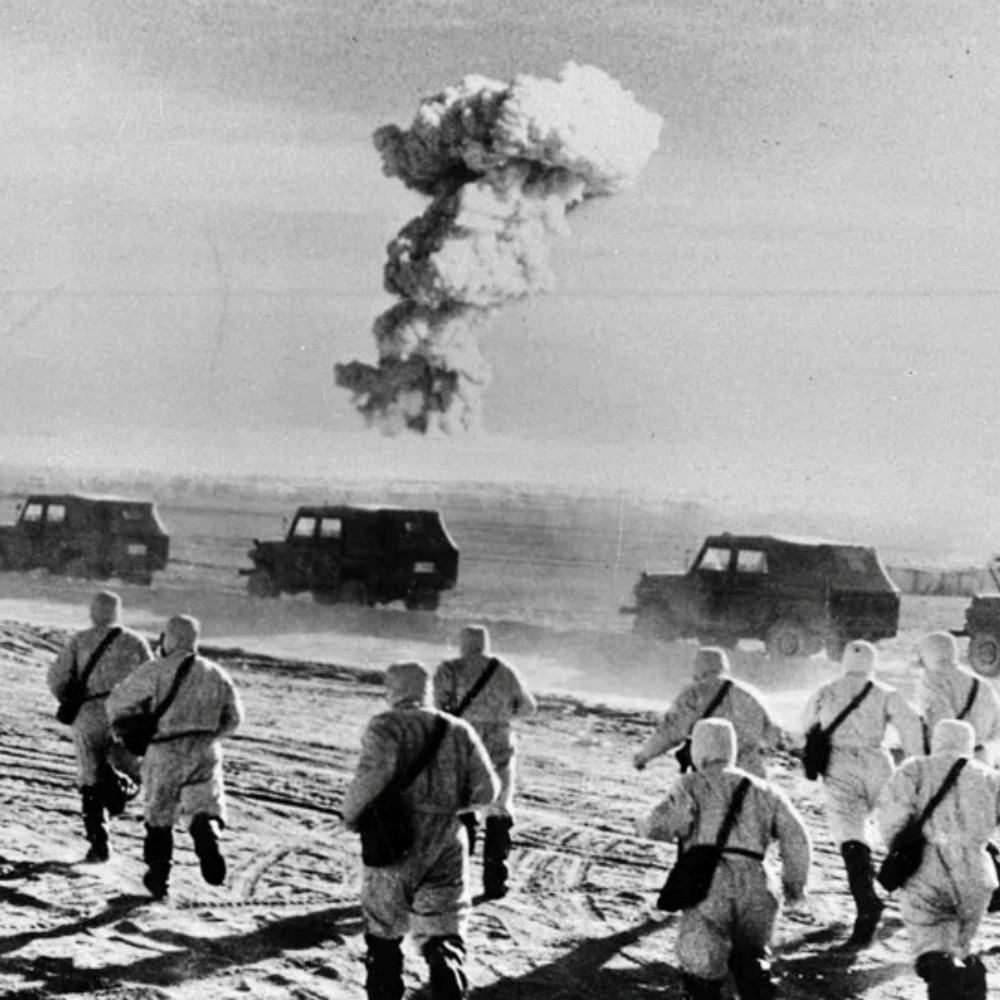

中華人民共和國的原子彈研發始於1950年代中期,1958年青海221核武器基地開始建設,1959年新疆羅布泊馬蘭核試驗基地開始建設,1960年前的原子彈研發獲得了蘇聯方面的重要援助
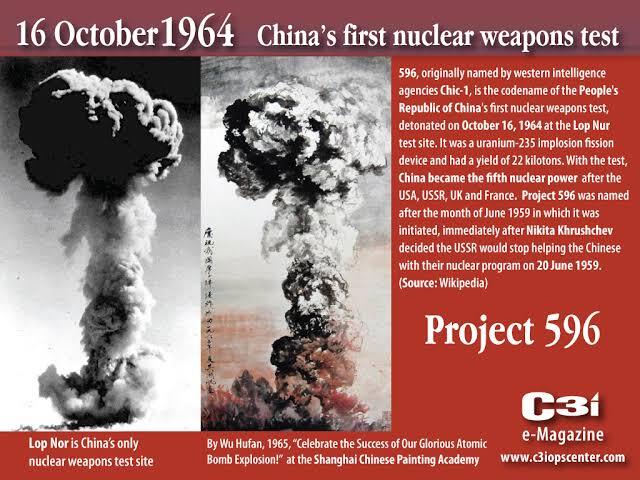
1964年10月,596原子彈在羅布泊成功爆炸,這顆裝置以高濃鈾為裝料,採用「內爆法」和塔爆方式。它的當量為22千噸TNT,與1949年蘇聯的第一顆核彈RDS-1和1945年美國在日本長崎投下的「胖子」原子彈相當。通過這次核試驗,中華人民共和國成為了世界上第五個擁有核武器的國家,也是第一個擁有核能力的亞洲國家]。這是中國在1964年至1996年間進行的45次成功核試驗中的第一次,所有這些試驗都於羅布泊試驗場進行]。
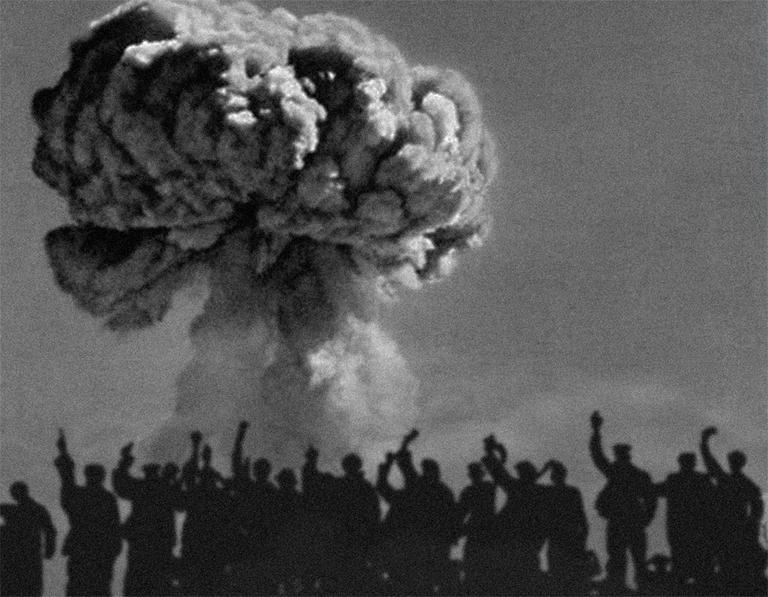
- 試爆時間:1964年10月16日 15時
- 試爆地點:新疆羅布泊核試驗基地(馬蘭基地)
- 代號與名稱:596工程(西方稱為 Chic-1)
- 技術特點:採用高濃縮鈾作裝料、內爆法與塔爆方式
- 爆炸當量:約 22 千噸(22 kilotons)TNT當量
- 歷史意義:中國成為世界上第五個、也是亞洲第一個擁有核武器的國家..


 .
. .
.It had a yield of 22 kilotons, comparable to the Soviet Unions first nuclear bomb RDS-1 in 1949 and the American Fat Man bomb dropped on Nagasaki, Japan in 1945.[5] Key figures in the devices design included Deng Jiaxian, Qian Sanqiang, and Peng Huanwu. With the test, China became the worlds fifth nuclear-armed state. This was the first of 45 successful nuclear tests China conducted between 1964 and 1996, all of which occurred at the Lop Nur test site.[6] The atomic bomb is now honored under Chinas "Two Bombs, One Satellite".
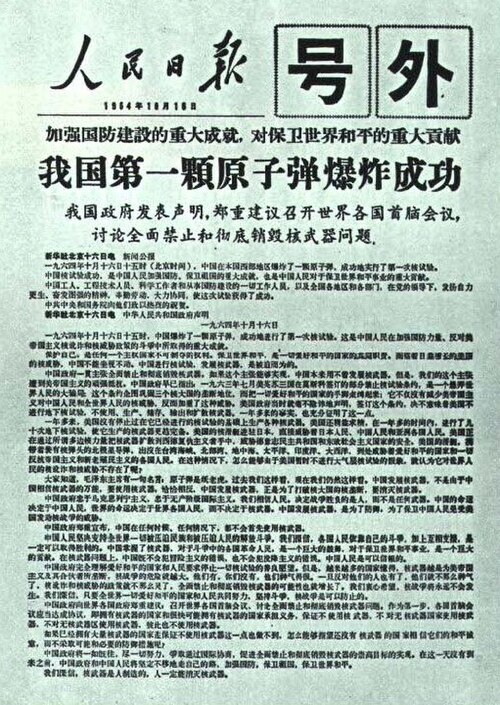
Premier Zhou Enlai announced the test the same day, during which he criticized US "nuclear blackmail" and the 1963 Partial Nuclear Test Ban Treaty as imposing a "nuclear monopoly". A key moment in the history of the Peoples Republic, the test influenced the ultimate UN recognition of the mainland seven years later, and Chinas advance towards a superpower. US leadership had previously decided against military strikes on nuclear facilities in China; following the test its espionage against the program was enhanced. The test caused the government of Taiwan under Chiang Kai-shek to pursue its own clandestine nuclear weapons until 1988. Relations with the Soviet Union, which had turned hostile since 1961, worsened after the test; tensions briefly approached nuclear war in 1969.


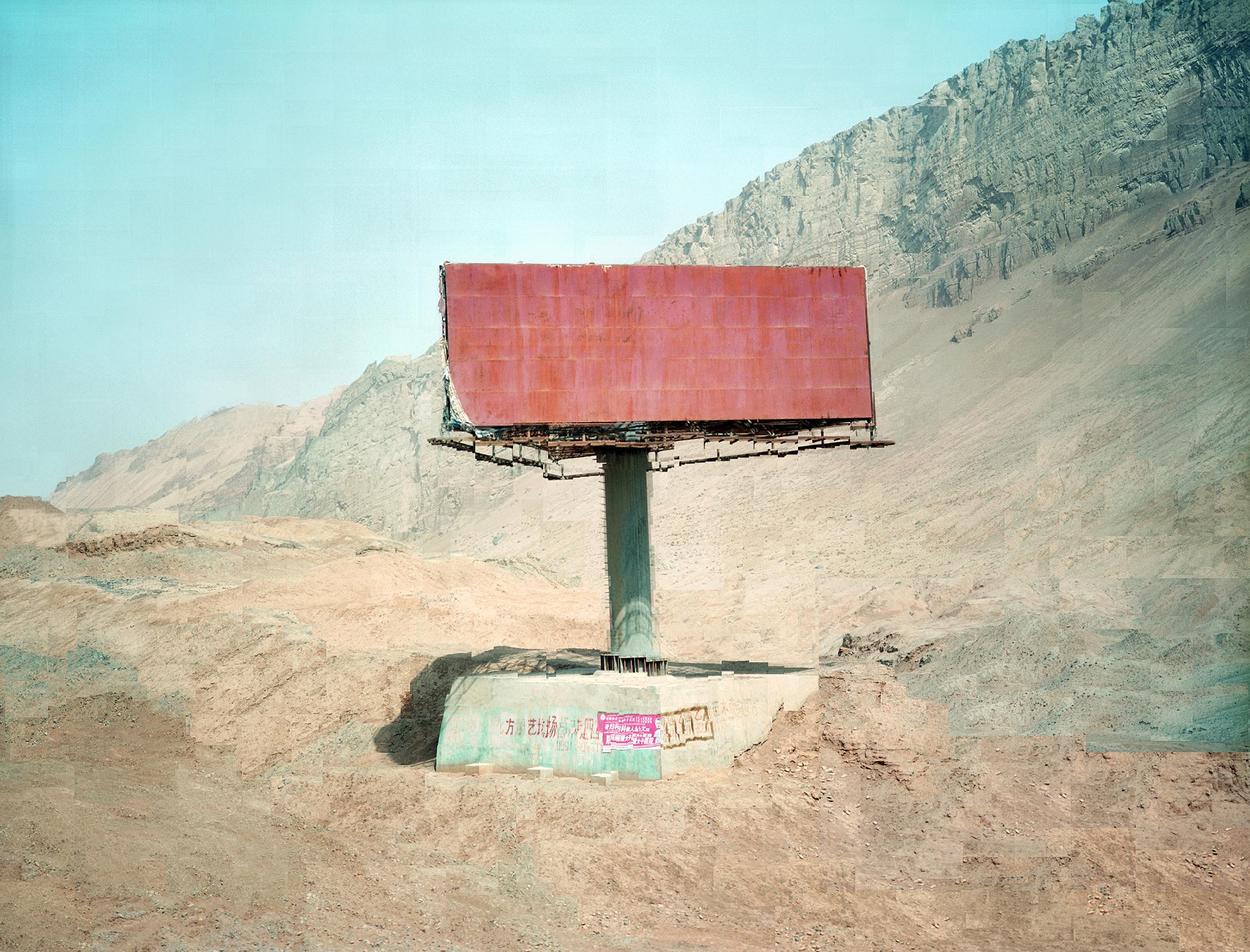
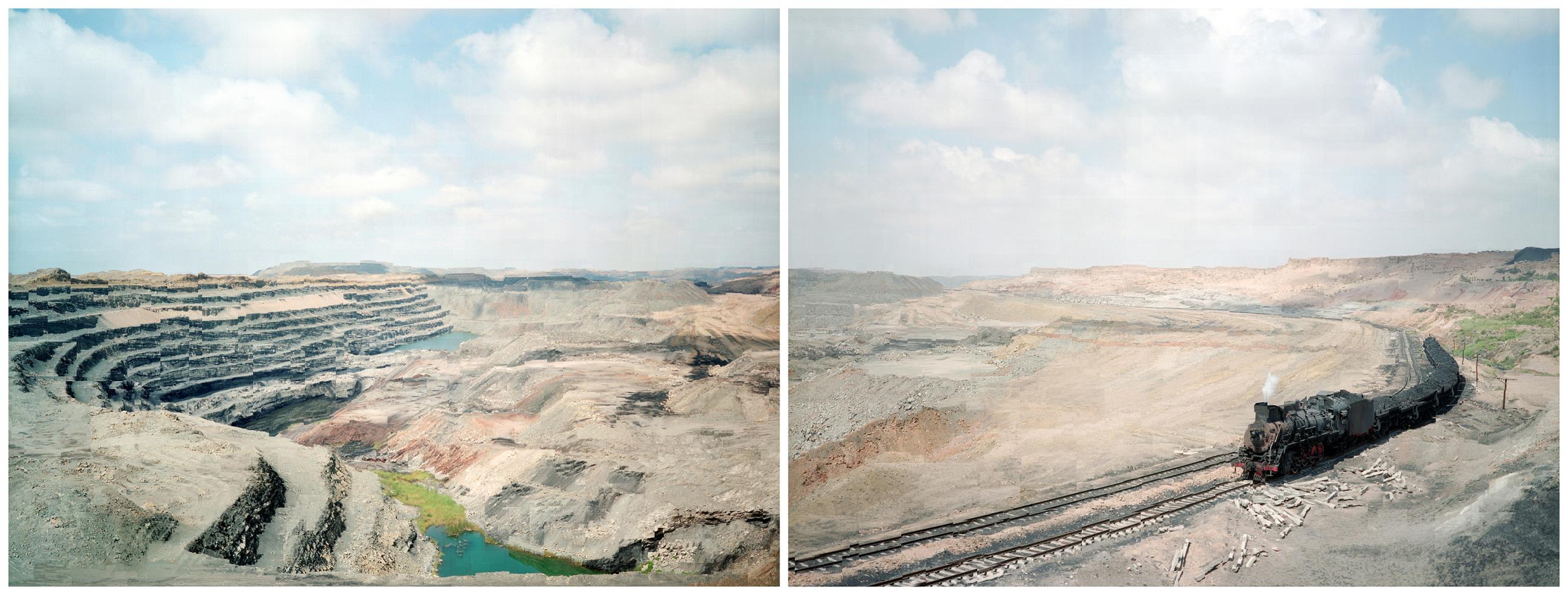
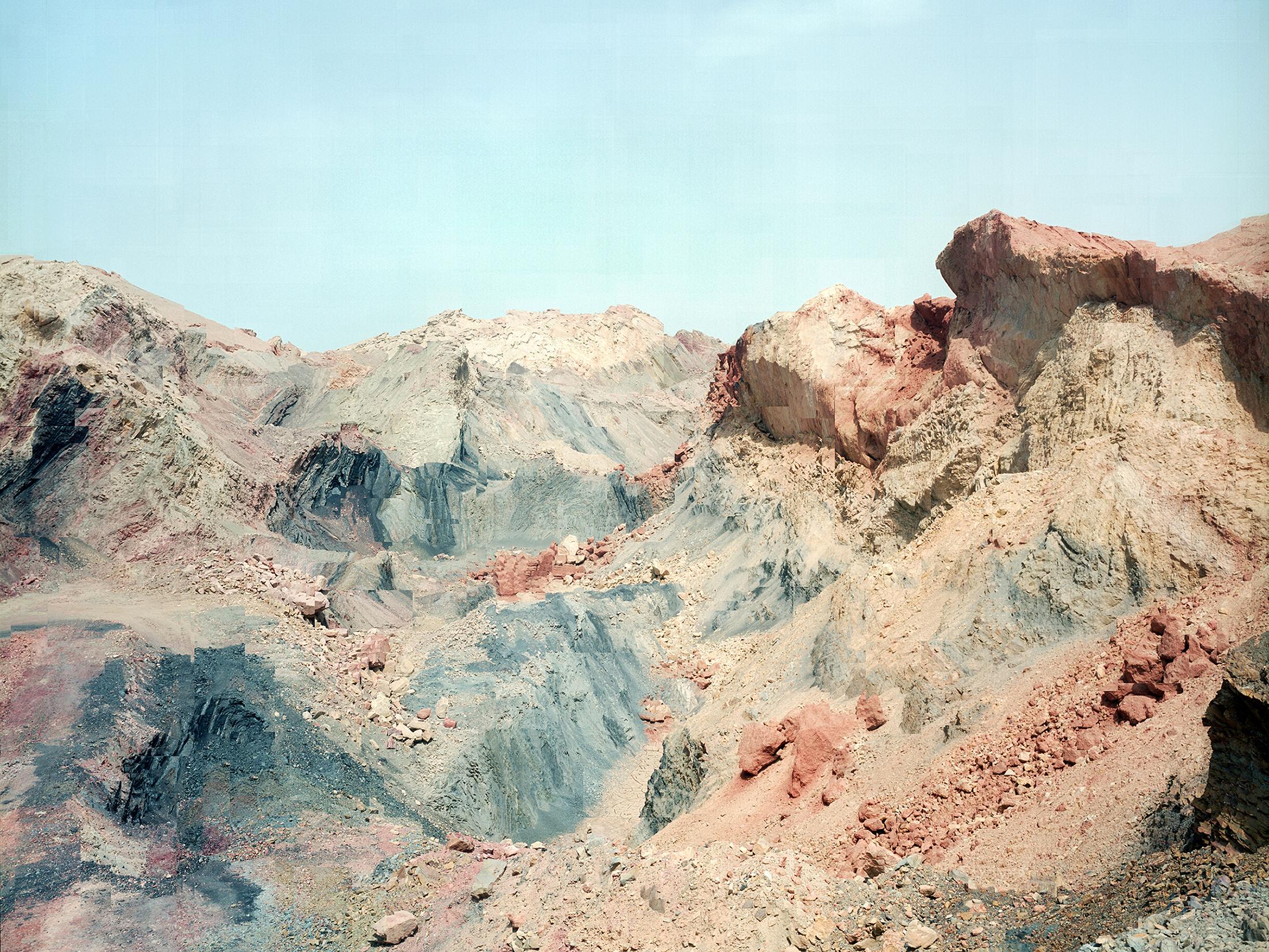
Project 596 (Chinese Nuclear Landscape)
Lop Nor is a former salt lake, now largely dried-up, located in Xinjiang province in northwest China. This barren area was used intermittently as a nuclear weapons testing site from 1964 to 1996, with as many as 45 tests carried out underground and in the atmosphere. The first Chinese nuclear bomb test, codenamed Project 596, was conducted here in October 1964. As a result of these activities, the region is still heavily contaminated. With Project 596 (Chinese Nuclear Landscape) I wanted to show the invisible danger in this desolate area. Using a Geiger counter I measured the presence of radiation in becquerels (Bq). The title of each image is the level of soil contamination I recorded, expressed in Bq. Using digital techniques, I superimposed image fragments, suggesting atoms altering and a general feeling of impermanence. These broken perspectives show the landscape twisting and changing, leading to a sort of vertigo or malaise. The work hints at the danger hidden behind the landscapes.
.
.
.
On October 16, 1964, China detonated Project 596 at the Lop Nur testing ground in Xinjiang, becoming the fifth country to successfully test a nuclear weapon.
The uranium-based device was exploded from a tower and produced an estimated yield of around 22 kilotons. Archival footage associated with the test also captured one of the strangest images of the early nuclear age: People’s Liberation Army cavalrymen riding through the desert while both the soldiers and their horses wore gas masks.
The exercise formed part of military preparations for a battlefield transformed by nuclear, chemical and biological weapons. Mounted troops advanced across the testing area as strategists examined whether conventional forces could remain mobile and continue operating after a nuclear explosion.
The masks could help reduce the inhalation of radioactive dust and other airborne contaminants, although they could not protect the soldiers or horses from the blast, intense heat or penetrating radiation itself.


限會員,要發表迴響,請先登入


