..
.The Carnegie Russia Eurasia Center in Berlin is home to the world’s leading regional experts on Russia and the wider region. The center’s scholars and digital media platform, Carnegie Politika, deliver independent analysis and strategic insight that are unique among research institutions. That analysis focuses on major policy challenges across the entire region in the wake of Russia’s unprovoked invasion of Ukraine, including responding to Vladimir Putin’s behavior and countering disinformation.
.
Putin thinks time is on his side. Sadly he may be right,
says Alexander Gabuev.Efforts are under way to find a negotiated settlement. But, asks the head of Carnegie Russia Eurasia Centre, has the Kremlin got the memo?
.BACK IN THE White House, President Donald Trump says that he will end the war in Ukraine—although not in a day, as he used to promise. But there is a problem: Vladimir Putin appears to be in no hurry to make concessions and accept a deal that is not on his terms. With the third anniversary of his invasion approaching, the Russian president appears to believe that time is on his side and that he has the advantage over both Ukraine and its Western backers.
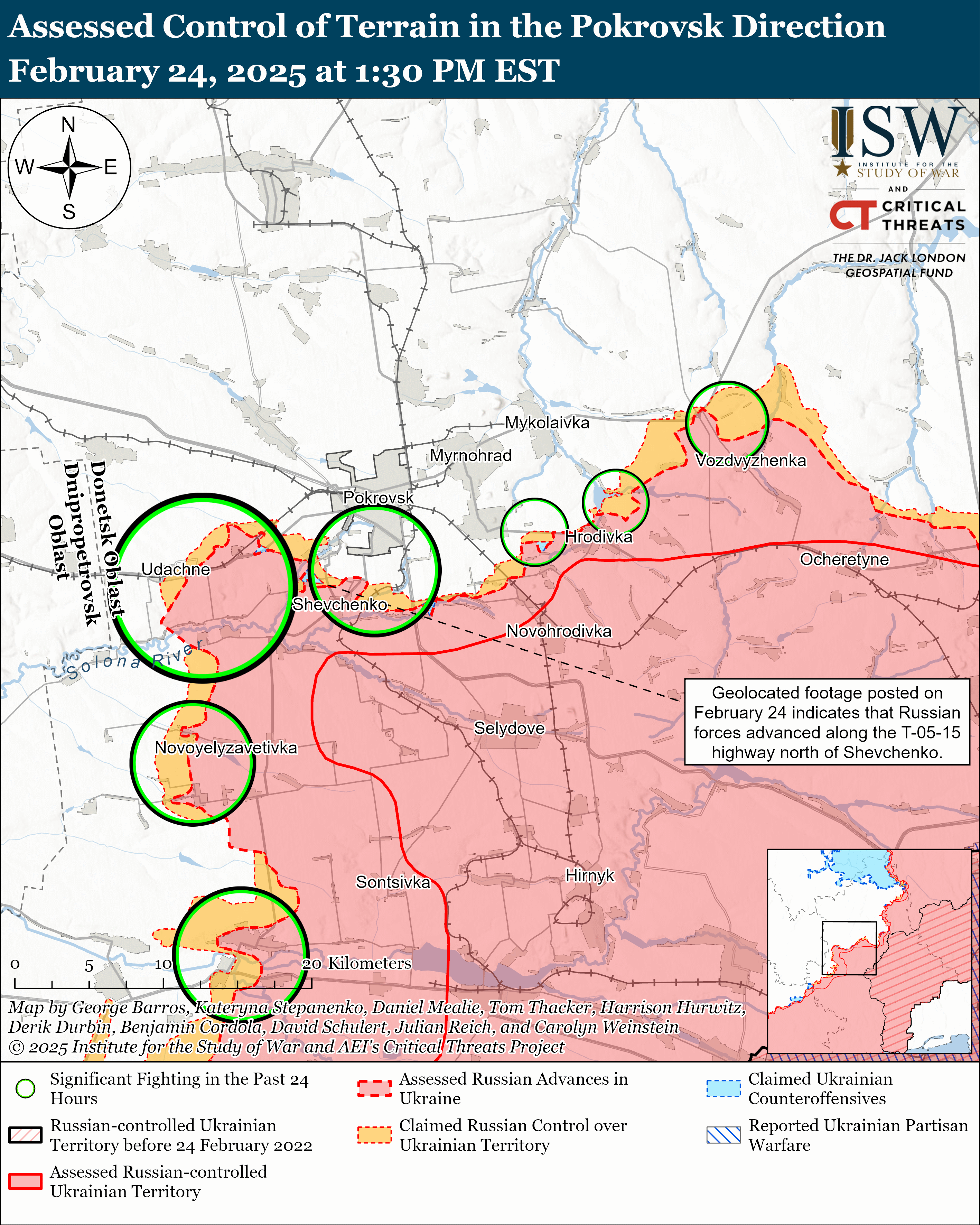
It is true that Mr Putin’s approach, during a quarter of a century in power, has been to project implacable confidence, regardless of the objective reality. That makes it hard to read his mind, especially as the nature of decision-making inside the Kremlin has grown ever more opaque. Still, news brought to him from the battlefield must be fuelling a sense of optimism. At the front, Russia has momentum, massing forces around the strategic town of Pokrovsk while overstretched Ukrainian lines are starting to buckle. Ukraine is hugely unsure about Mr Trump’s future political and material support—and Europe’s. Even if the political will is there, the West’s defence-industrial base will struggle to feed Ukraine with weaponry at levels maintained till now. Meanwhile, at home, President Volodymyr Zelensky’s political authority looks fragile. His government is starting to look for some kind of time-out in the fighting.
The Kremlin has lured Russian men into the army with lavish payouts. Even should this stream of recruits dry up, other options are there, such as a new electronic system for issuing draft summonses. (Meanwhile, an estimated 12,000 North Korean elite troops came to Russia’s assistance to beat Ukrainian forces out of Russia’s Kursk region.) The Kremlin tolerates colossal losses so long as it thinks that Ukraine struggles more than Russia does to replace its own casualties at the front. According to the Russian calculation, Ukraine loses this grinding war of attrition gradually—and then suddenly.
Then there is the economic frontline. It’s true that the cumulative weight of Western sanctions has constrained Mr Putin’s wartime economy. But Russia’s technocrats have impressively managed the consequences of an overheating economy, high inflation, labour shortages and dwindling exports. At some point, these will become far more difficult to handle. But at least for the next year or more, Mr Putin can probably count on the resources to pay for the war before the economy runs into real trouble. And given the fear that Mr Putin instils in Russian society and among the elites, he is not worried about popular demands to end the war or plots to unseat him.
Mr Putin may also be confident about the international picture—above all, about Mr Trump. His threats to impose fresh sanctions on Russia and countenance an American drilling frenzy that hurts Russian oil revenues will not trouble the Kremlin. If they hit Russia at all, such measures would take time.
Mr Putin’s demands include recognition of Russia’s annexation of Ukrainian territory, and safeguarding of the rights of Russian speakers in Ukraine (thereby giving Russia a say in Ukrainian politics). He wants an end to Western sanctions. Above all, he wants an end to Western security guarantees and an assurance that NATO will never have Ukraine as a member (a prospect Mr Trump himself has poured cold water on). European peacekeepers in Ukraine after a negotiated ceasefire or settlement would also be unacceptable. Not least, their presence along the line of contact would complicate Russia’s option, one day, of reinvading—should Mr Putin choose to.
If Mr Trump agreed to meet Russia’s core demands, the Kremlin might agree to a ceasefire and to freezing of the current front line; it might even honour the deal for as long as Mr Trump remains in office. That would enable the American president to boast of his credentials as a dealmaker and bringer of peace.
Russians no doubt calculate that a Ukraine with no Western security guarantees would become an uninvestable, depopulated rump, at risk of implosion. Ukrainians, of course, would be appalled by such a deal, which they would resist having rammed down their throats. Yet if Mr Putin does not get his way in negotiations, he appears confident that Russia can keep fighting for at least another year and get what it wants via the battlefield. Ukraine, he calculates, lacks the time or resources to hold out indefinitely. Proving Mr Putin wrong is possible, but it will take more Ukrainian blood and Western weaponry—and, perhaps more importantly than anything, more time than Mr Trump’s impatience for a deal would seem to allow.■
.
Key Takeaways: •
Zelensky does not imminently risk losing all of Ukraine. • Most Ukrainian cities have not been destroyed.
• Ukrainian law prohibits holding elections in wartime (unlike the US Constitution, which requires it).
• Ukraine has not suffered millions of losses.
• Europe provides about as much direct aid to Ukraine as the United States. • European loans to Ukraine are backed by income from frozen Russian assets, not Ukraine.
• Ukraine did not misuse or lose half of the aid the United States has provided.
• Ukraine repeatedly invited Putin to negotiate in early 2022. .
.\
.美國與俄羅斯密謀刮分烏克蘭已經定案
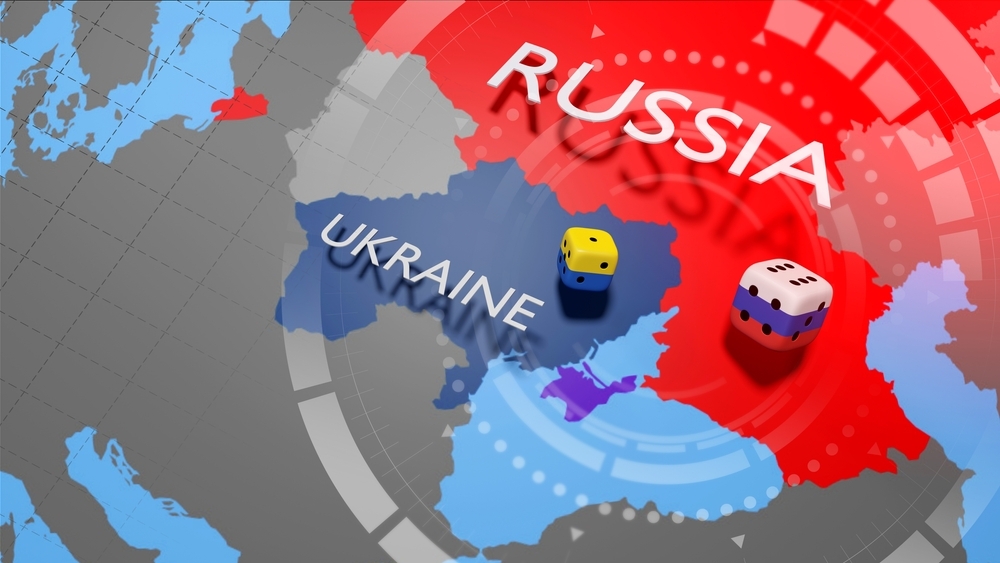
俄烏戰爭遊戲猶如賭博,俄羅斯既是莊家也就是說賭徒,資本雄厚,穩贏得戰爭勝利,烏克蘭無法再取得歐盟及美國浥注資金,輸光離場而已,賠了夫人又折兵,得不償失,至少未來30年無法翻身,國際間大國搏奕,小國永遠是棋子,任人擺佈操縱.
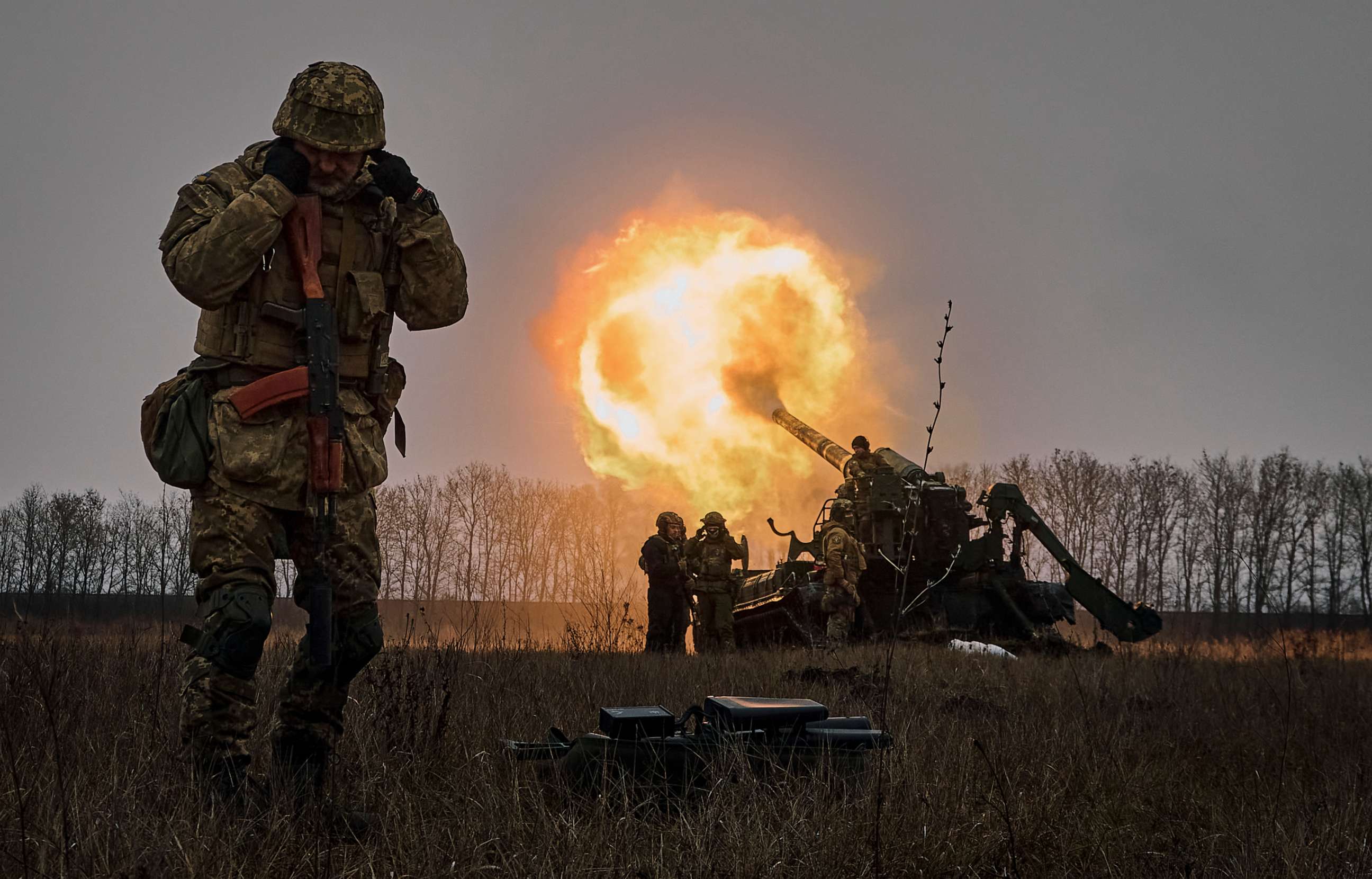
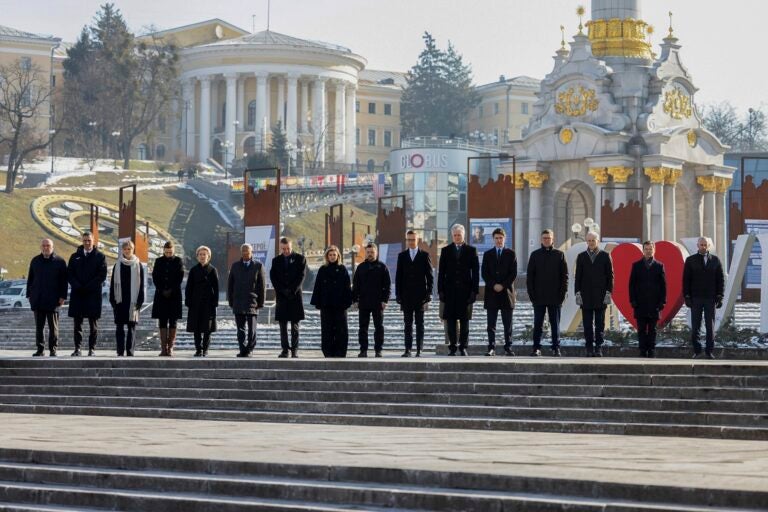
Western leaders visit Kyiv and pledge military support against Russia on the war’s 3rd anniversary.
.
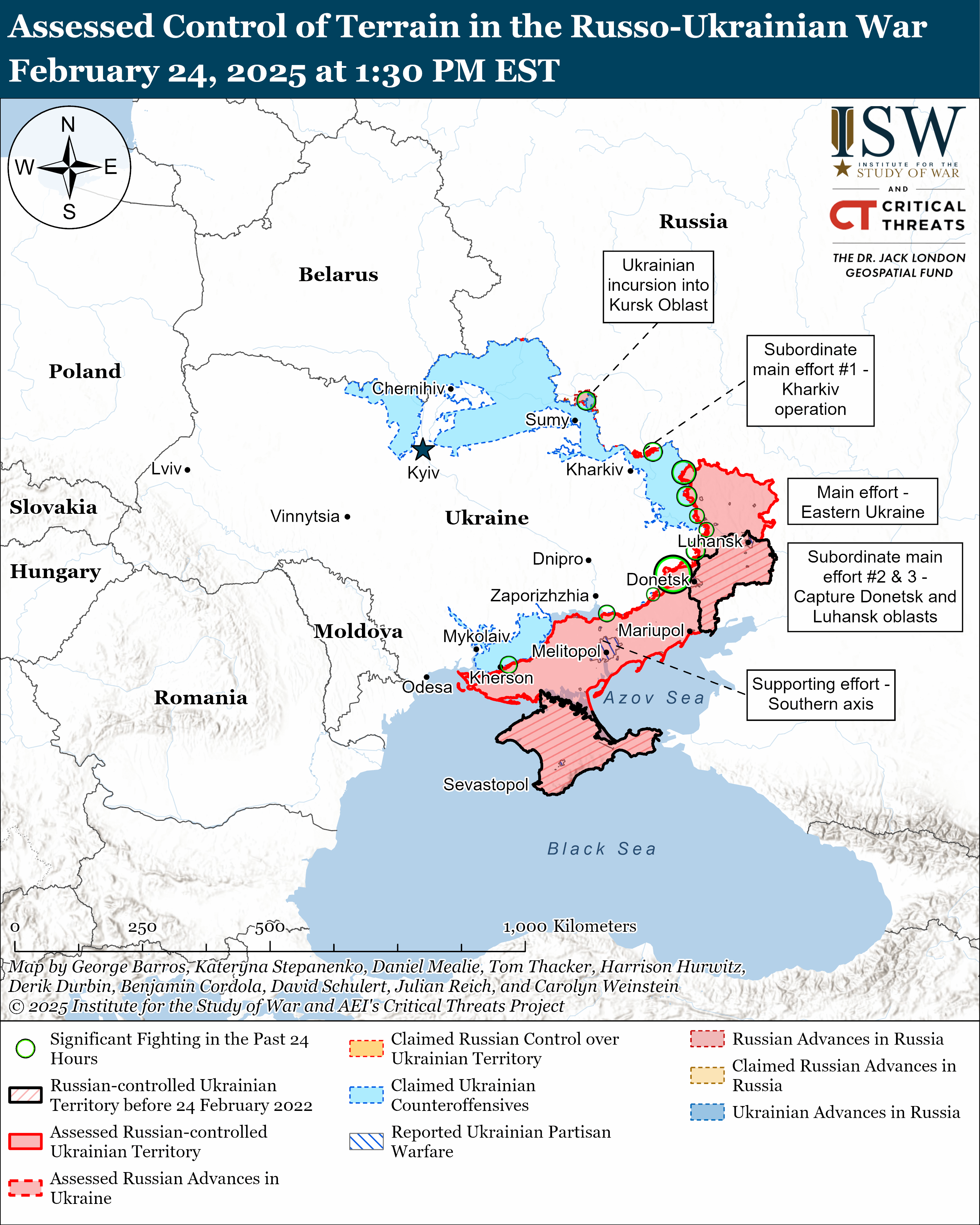
烏俄戰爭滿3年(2022-2025.),俄羅斯總統普丁與美國總統川普正在協商如何結束戰爭,有專家分析普丁達成停戰的5大操作手法,停戰日可能最快會在5/9日,配合俄國二戰勝利日。
擔任柏林智庫卡內基俄羅斯歐亞中心(Carnegie Russia Eurasia Center)高級研究員的(Alexander Baunov)點出普丁的操作手法,
1:普丁先製造問題,再讓自己變成解決問題的關鍵角色,從而掌握談判主導權。
2:普丁深知川普的心理,利用川普渴望「快速達成勝利」的心態,提供一個容易兌現的外交成就。
3:普丁的外交策略之一,就是強調只有「偉大的大國」才能決定世界秩序,小國只是棋子。
4:普丁透過時間拖延與「政治現實」改變事實,他深知西方的注意力有限,時間拖得越久,西方內部對烏的支持會減弱,部分國家開始接受「割地求和」的想法。
5;普丁用「軟性手段」打造俄國勝利的敘事,普丁不再被描述為侵略者,而是「被迫參戰」,「捍衛俄羅斯利益」。
美俄雙方可能正緊鑼密鼓地策劃,使川普的訪問與俄羅斯的「勝利日」紀念活動(5月9日,紀念二戰勝利)相結合。有傳言指出,可能在復活節(4月20日)達成烏克蘭戰爭停火,這個時間點剛好能夠與勝利日活動相呼應。
如果川普真的出現在莫斯科的勝利日閱兵典禮,克宮的宣傳組織勢必將此描繪為對抗過去與現在「納粹」的勝利,所謂的「納粹」就是烏克蘭。
川普主導下的停戰,是否會符合普丁所聲稱的「全球反帝國主義鬥爭」,?
但可以確定的是,俄羅斯對烏克蘭的執念,使他將對這場戰爭的承認視為新的世界秩序本身


限會員,要發表迴響,請先登入


