西洋文學概論Week2
The content of the course
1.Quiz 50題
2.Vocabulary
Dia— go through
For example:
dialogue(n./v.)對話 dialect(n.)方言(adj.)方言的
diagnosis(n.)診斷 diameter(n.)直徑
De — down, away from
For example:
departure(n.)離開,出發
depreciate(v.)(使)貶值
decline (n.)晚年,衰退 (v.)傾斜 (vi.)衰落,下降 (vt.)婉拒
monotheistic(adj.)一神教的 〔mono-- 單一, the-- 神〕
For example:
monopoly (n.)壟斷,獨佔
--ium 有形無形的範疇
For example:
aquarium水族館
millennium 千禧年: A millennium (plural millennia) is a period of time
equal to 1000 years.
equilibrium/,ikwəl'ɪbriəm/ 平衡
auditorium禮堂〔audi— 聽〕
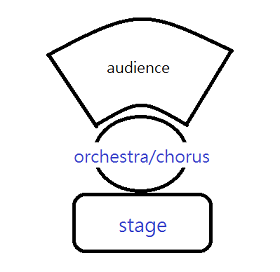
ps. Auditor聽眾 v.s. spectator圍觀群眾
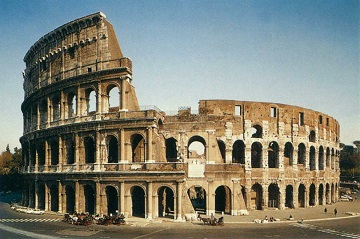
coliseum /kɒləˈsiːəm/ (n.)競技場
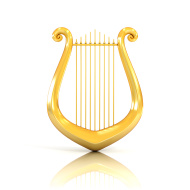
lyre七弦豎琴〔延伸: lyric(adj.)抒情的, --s(n.) 歌詞〕
patron(n.)主顧
patronage(n.)政治酬庸
patronize (vt.)贊助
3.appreciate professor’s brilliant pictures(travel to Greece )
4.recommend movie:我的心留在愛琴海

(sorry,I can’t find movie photo)
5.orpheus
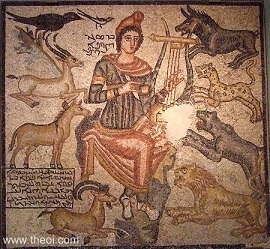
Orpheus was a legendary Thracian musician, poet, and prophet in
ancient Greek religion and myth. The major stories about him are
centered on his ability to charm all living things and even stones with
his music, his attempt to retrieve his wife, Eurydice, from the underworld,
and his death at the hands of those who could not hear his divine music.
6.next class:荷馬史詩, quizzes
限會員,要發表迴響,請先登入


