12/12 Notes
‧oral presentation:
→The use of ”,”
Poem
‧Anna Karenina: “Happy family are all alike; every unhappy family is unhappy in it own way.”
‧stanza: 詩的段落
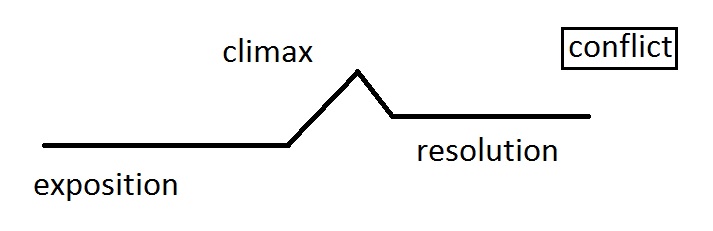
Contrast
‧sibling: a brother or sister
‧rivalry: a serious and often continuing competition
‧enemy: a person who hates or opposes another person and tries to harm that person
‧foe: an enemy, or a competitor
- - -
‧herbivorous: an animal that eats only plants
‧cannibalrous: eat meats
‧omnivorous: eating both plants and meat
- - -
‧conscience: the feeling that you know and should do what is right and should avoid doing what is wrong, and that makes you feel guilty when you have done something you know is wrong
‧consciousness: the state of being awake, aware of what is around you, and able to think
Etymology
‧omni-全知全能, e.g.: omnipotent, omnicious, omnicient
- - - -
Words of a day
12/8
‧ levy [v.]
a. Impose (a tax, fee, or fine)
e.g.: A tax of two per cent was levied on all cargoes.
‧ bar [v.]
a. Prevent or prohibit (someone) from doing something or from going somewhere
e.g.: The doors had been barred shut, then pried open, allowing us to slip inside.
‧ blur [v.]
a. Make or become unclear or less distinct
e.g.: His novels blur the boundaries between criticism and fiction.
‧pedantic [adj.]
a. Excessively concerned with minor details or rules; overscrupulous
e.g.: His analyses are careful and even painstaking, but never pedantic.
‧cozy [adj.]
a. Giving a feeling of comfort, warmth, and relaxation
e.g.: The flickering lamp gave the room a cozy lived-in air.
12/9
‧calibrate [v.]
a. Mark (a gauge or instrument) with a standard scale of readings
e.g.: The depth gauge is calibrated in centimeters.
‧ twirl [v.]
a. Spin quickly and lightly round, especially repeatedly
e.g.: She twirled in delight to show off her new dress.
‧ stuff [v.]
a. Fill (a receptacle or space) tightly with something
His head has been stuffed with myths and taboos.
‧ prejudice [v.]
a. Give rise to prejudice in (someone); make biased
e.g.: The statement might prejudice the jury.
‧custody [n.]
a. The protective care or guardianship of someone or something
e.g.: The property was placed in the custody of a trustee.
12/10
‧ trap [v.]
a. Catch (an animal) in a trap.
e.g.: Once he dreamed he was trying to trap foxes but kept catching Dalmatians.
‧ nail [v.]
a. Detect or catch (someone, especially a suspected criminal)
e.g.: The police, through hours and hours and hours of work, nailed that criminal.
‧mast [n.]
a. A tall upright post, spar, or other structure on a ship or boat, in sailing vessels generally carrying a sail or sails.
e.g.: She had two masts and carried fore-and-aft auxiliary sails.
‧ mild [adj.]
a. Not severe, serious, or harsh
e.g.: In moderate poisoning, the symptoms listed for mild poisoning become more severe.
‧ segregation [n.]
a. The action or state of setting someone or something apart from others
e.g.: Both are oil towns with amazingly strict class segregation.
12/11
‧ intimate [adj.]
a. Closely acquainted; familiar
e.g.: They are on intimate terms.
‧ intimidate [v.]
a. Frighten or overawe (someone), especially in order to make them do what one wants
e.g.: The forts are designed to intimidate the nationalist population.
‧ irritate [v.]
a. Make (someone) annoyed or a little angry
e.g.: Later that evening, Jenny remarked that she was irritated with Sara.
‧sanguine [adj.]
a. Optimistic or positive, especially in an apparently bad or difficult situation
He is sanguine about prospects for the global economy.
‧volley [n.]
a. A number of bullets, arrows, or other projectiles discharged at one time
e.g.: Royal Marines fired three volleys over the grave at the interment.
12/12
‧rinse [v.]
a. Wash (something) with clean water to remove soap, detergent, dirt, or impurities
e.g.: Wash the face piece in detergent and water, rinse it thoroughly, and dry it in a well-ventilated area.
‧ peripheral [adj.]
a. Relating to or situated on the edge or periphery of something
e.g.: Instead, it is a better idea to sample from the peripheral edges of affected areas where plant symptoms are less severe and nematode population densities are still high.
‧ ruthless [adj.]
a. Having or showing no pity or compassion for others
e.g.: Not that people had much choice in the matter - bandits were ruthless and bloodthirsty.
‧ insurgent [adj.]
a. Rising in active revolt
e.g.: No, I do not remember any crimes being committed, other than the work of terrorist organisations and insurgent forces.
‧ reconcile [v.]
a. Restore friendly relations between
e.g.: The king and the archbishop were publicly reconciled.
限會員,要發表迴響,請先登入


