Introduction – Company Background
GuangXin Industrial Co., Ltd. is a specialized manufacturer dedicated to the development and production of high-quality insoles.
With a strong foundation in material science and footwear ergonomics, we serve as a trusted partner for global brands seeking reliable insole solutions that combine comfort, functionality, and design.
With years of experience in insole production and OEM/ODM services, GuangXin has successfully supported a wide range of clients across various industries—including sportswear, health & wellness, orthopedic care, and daily footwear.
From initial prototyping to mass production, we provide comprehensive support tailored to each client’s market and application needs.
At GuangXin, we are committed to quality, innovation, and sustainable development. Every insole we produce reflects our dedication to precision craftsmanship, forward-thinking design, and ESG-driven practices.
By integrating eco-friendly materials, clean production processes, and responsible sourcing, we help our partners meet both market demand and environmental goals.
Core Strengths in Insole Manufacturing
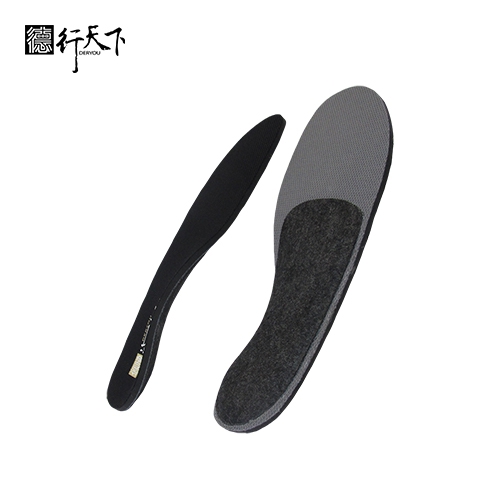
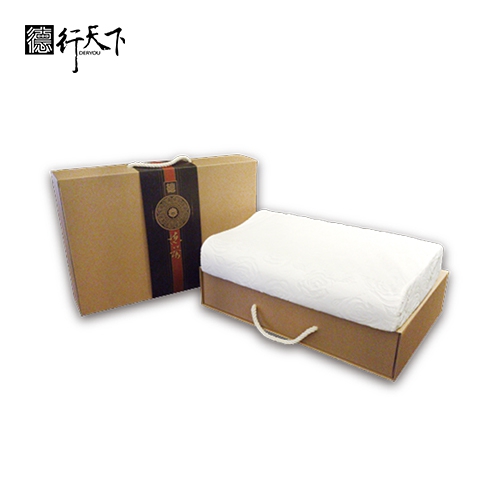
At GuangXin Industrial, our core strength lies in our deep expertise and versatility in insole and pillow manufacturing. We specialize in working with a wide range of materials, including PU (polyurethane), natural latex, and advanced graphene composites, to develop insoles and pillows that meet diverse performance, comfort, and health-support needs.
Whether it's cushioning, support, breathability, or antibacterial function, we tailor material selection to the exact requirements of each project-whether for foot wellness or ergonomic sleep products.
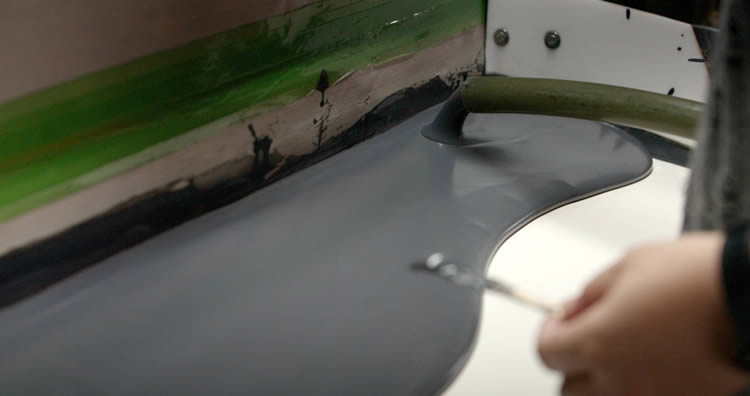
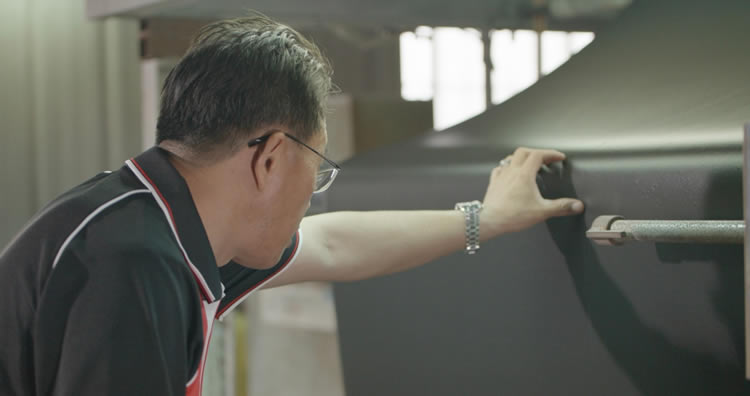
We provide end-to-end manufacturing capabilities under one roof—covering every stage from material sourcing and foaming, to precision molding, lamination, cutting, sewing, and strict quality control. This full-process control not only ensures product consistency and durability, but also allows for faster lead times and better customization flexibility.
With our flexible production capacity, we accommodate both small batch custom orders and high-volume mass production with equal efficiency. Whether you're a startup launching your first insole or pillow line, or a global brand scaling up to meet market demand, GuangXin is equipped to deliver reliable OEM/ODM solutions that grow with your business.
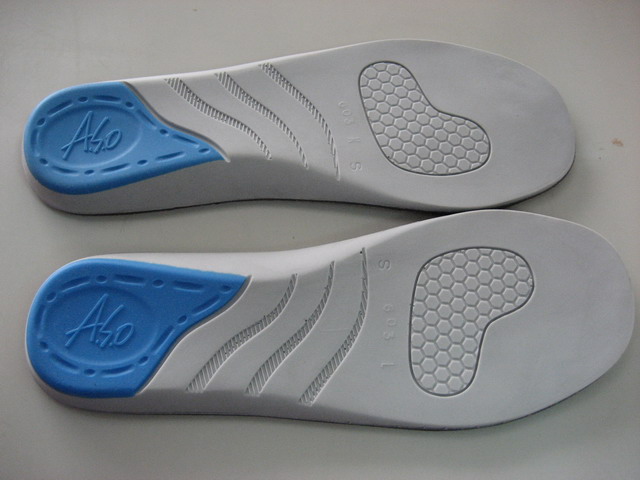
Customization & OEM/ODM Flexibility
GuangXin offers exceptional flexibility in customization and OEM/ODM services, empowering our partners to create insole products that truly align with their brand identity and target market. We develop insoles tailored to specific foot shapes, end-user needs, and regional market preferences, ensuring optimal fit and functionality.
Our team supports comprehensive branding solutions, including logo printing, custom packaging, and product integration support for marketing campaigns. Whether you're launching a new product line or upgrading an existing one, we help your vision come to life with attention to detail and consistent brand presentation.
With fast prototyping services and efficient lead times, GuangXin helps reduce your time-to-market and respond quickly to evolving trends or seasonal demands. From concept to final production, we offer agile support that keeps you ahead of the competition.
Quality Assurance & Certifications
Quality is at the heart of everything we do. GuangXin implements a rigorous quality control system at every stage of production—ensuring that each insole meets the highest standards of consistency, comfort, and durability.
We provide a variety of in-house and third-party testing options, including antibacterial performance, odor control, durability testing, and eco-safety verification, to meet the specific needs of our clients and markets.
Our products are fully compliant with international safety and environmental standards, such as REACH, RoHS, and other applicable export regulations. This ensures seamless entry into global markets while supporting your ESG and product safety commitments.
ESG-Oriented Sustainable Production
At GuangXin Industrial, we are committed to integrating ESG (Environmental, Social, and Governance) values into every step of our manufacturing process. We actively pursue eco-conscious practices by utilizing eco-friendly materials and adopting low-carbon production methods to reduce environmental impact.
To support circular economy goals, we offer recycled and upcycled material options, including innovative applications such as recycled glass and repurposed LCD panel glass. These materials are processed using advanced techniques to retain performance while reducing waste—contributing to a more sustainable supply chain.
We also work closely with our partners to support their ESG compliance and sustainability reporting needs, providing documentation, traceability, and material data upon request. Whether you're aiming to meet corporate sustainability targets or align with global green regulations, GuangXin is your trusted manufacturing ally in building a better, greener future.
Let’s Build Your Next Insole Success Together
Looking for a reliable insole manufacturing partner that understands customization, quality, and flexibility? GuangXin Industrial Co., Ltd. specializes in high-performance insole production, offering tailored solutions for brands across the globe. Whether you're launching a new insole collection or expanding your existing product line, we provide OEM/ODM services built around your unique design and performance goals.
From small-batch custom orders to full-scale mass production, our flexible insole manufacturing capabilities adapt to your business needs. With expertise in PU, latex, and graphene insole materials, we turn ideas into functional, comfortable, and market-ready insoles that deliver value.
Contact us today to discuss your next insole project. Let GuangXin help you create custom insoles that stand out, perform better, and reflect your brand’s commitment to comfort, quality, and sustainability.
🔗 Learn more or get in touch:
🌐 Website: https://www.deryou-tw.com/
📧 Email: shela.a9119@msa.hinet.net
📘 Facebook: facebook.com/deryou.tw
📷 Instagram: instagram.com/deryou.tw
Private label insole and pillow OEM Vietnam
Are you looking for a trusted and experienced manufacturing partner that can bring your comfort-focused product ideas to life? GuangXin Industrial Co., Ltd. is your ideal OEM/ODM supplier, specializing in insole production, pillow manufacturing, and advanced graphene product design.
With decades of experience in insole OEM/ODM, we provide full-service manufacturing—from PU and latex to cutting-edge graphene-infused insoles—customized to meet your performance, support, and breathability requirements. Our production process is vertically integrated, covering everything from material sourcing and foaming to molding, cutting, and strict quality control.Vietnam sustainable material ODM solutions
Beyond insoles, GuangXin also offers pillow OEM/ODM services with a focus on ergonomic comfort and functional innovation. Whether you need memory foam, latex, or smart material integration for neck and sleep support, we deliver tailor-made solutions that reflect your brand’s values.
We are especially proud to lead the way in ESG-driven insole development. Through the use of recycled materials—such as repurposed LCD glass—and low-carbon production processes, we help our partners meet sustainability goals without compromising product quality. Our ESG insole solutions are designed not only for comfort but also for compliance with global environmental standards.Innovative insole ODM solutions in Thailand
At GuangXin, we don’t just manufacture products—we create long-term value for your brand. Whether you're developing your first product line or scaling up globally, our flexible production capabilities and collaborative approach will help you go further, faster.Graphene-infused pillow ODM China
📩 Contact us today to learn how our insole OEM, pillow ODM, and graphene product design services can elevate your product offering—while aligning with the sustainability expectations of modern consumers.Memory foam pillow OEM factory Thailand
Impressions of the Ediacaran fossils Dickinsonia (at center) with the smaller anchor-shaped Parvancorina (left) in sandstone of the Ediacara Member from the Nilpena Ediacara National Park in South Australia. Credit: Scott Evans A new study reveals a significant loss of diversity during the Ediacaran Period, which lasted from 635 million to 540 million years ago. According to a new study conducted by Virginia Tech geobiologists, the cause of the first known mass extinction of animals was decreased global oxygen availability, leading to the loss of a majority of animals present near the end of the Ediacaran Period some 550 million years ago. The study, led by Scott Evans, a postdoctoral researcher in the Department of Geosciences at the Virginia Tech College of Science, shows the earliest mass extinction of about 80 percent of animals across this interval. “This included the loss of many different types of animals, however those whose body plans and behaviors indicate that they relied on significant amounts of oxygen seem to have been hit particularly hard,” Evans said. “This suggests that the extinction event was environmentally controlled, as are all other mass extinctions in the geologic record.” Evans’ work was recently published in the journal Proceedings of the National Academy of Sciences. The study was co-authored by Shuhai Xiao, also a professor in the Department of Geosciences, and several researchers led by Mary Droser from the University of California Riverside’s Department of Earth and Planetary Sciences, where Evans earned his master’s degree and Ph.D. Impressions of the Ediacaran fossils Dickinsonia (at left) and related but rare form Andiva (at right) in sandstone of the Ediacara Member from the Nilpena Ediacara National Park in South Australia. Credit: Scott Evans “Environmental changes, such as global warming and deoxygenation events, can lead to massive extinction of animals and profound disruption and reorganization of the ecosystem,” said Xiao, who is an affiliated member of the Global Change Center, part of the Virginia Tech Fralin Life Sciences Institute. “This has been demonstrated repeatedly in the study of Earth’s history, including this work on the first extinction documented in the fossil record. This study thus informs us about the long-term impact of current environmental changes on the biosphere.” Causes of Decreased Global Oxygen Availability What exactly caused the drop in global oxygen? That’s still up for debate. “The short answer to how this happened is we don’t really know,” Evans said. “It could be any number and combination of volcanic eruptions, tectonic plate motion, an asteroid impact, etc., but what we see is that the animals that go extinct seem to be responding to decreased global oxygen availability.” The study by Evans and Xiao is timelier than one would think. In an unconnected study, Virginia Tech scientists recently found that anoxia, the loss of oxygen availability, is affecting the world’s fresh waters. The cause? The warming of waters brought on by climate change and excess pollutant runoff from land use. Warming waters diminish freshwater’s capacity to hold oxygen, while the breakdown of nutrients in runoff by freshwater microbes gobbles up oxygen. “Our study shows that, as with all other mass extinctions in Earth’s past, this new, first mass extinction of animals was caused by major climate change — another in a long list of cautionary tales demonstrating the dangers of our current climate crisis for animal life,” said Evans, who is an Agouron Institute Geobiology fellow. Timeline of the Ediacaran Extinction Some perspective: The Ediacaran Period spanned roughly 96 million years, bookended on either side by the end of the Cryogenian Period — 635 million years ago — and the beginning of the Cambrian Period — 539 million years ago. The extinction event comes just before a significant break in the geologic record, from the Proterozoic Eon to the Phanerozoic Eon. There are five known mass extinctions that stand out in the history of animals, the “Big Five,” according to Xiao, including the Ordovician-Silurian Extinction (440 million years ago), the late Devonian Extinction (370 million years ago), the Permian-Triassic Extinction (250 million years ago), the Triassic-Jurassic Extinction (200 million years ago), and the Cretaceous-Paleogene Extinction (65 million years ago). “Mass extinctions are well recognized as significant steps in the evolutionary trajectory of life on this planet,” Evans and team wrote in the study. Whatever the instigating cause of the mass extinction, the result was multiple major shifts in environmental conditions. “Particularly, we find support for decreased global oxygen availability as the mechanism responsible for this extinction. This suggests that abiotic controls have had significant impacts on diversity patterns throughout the more than 570 million-year history of animals on this planet,” the authors wrote. Extinction’s Role in Animal Evolution Fossil imprints in rock tell researchers how the creatures that perished in this extinction event would have looked. And they looked, in Evans’ words, “weird.” “These organisms occur so early in the evolutionary history of animals that in many cases they appear to be experimenting with different ways to build large, sometimes mobile, multicellular bodies,” Evans said. “There are lots of ways to recreate how they look, but the take-home is that before this extinction the fossils we find don’t often fit nicely into the ways we classify animals today. Essentially, this extinction may have helped pave the way for the evolution of animals as we know them.” The study, like scores of other recent publications, came out of the COVID-19 pandemic. Because Evans, Xiao, and their team couldn’t get access to the field, they decided to put together a global database based mostly on published records to test ideas about changing diversity. “Others had suggested that there might be an extinction at this time, but there was a lot of speculation. So we decided to put together everything we could to try and test those ideas.” Evans said. Reference: “Environmental drivers of the first major animal extinction across the Ediacaran White Sea-Nama transition” by Scott D. Evans, Chenyi Tu, Adriana Rizzo, Rachel L. Surprenant, Phillip C. Boan, Heather McCandless, Nathan Marshall, Shuhai Xiao and Mary L. Droser, 7 November 2022, Proceedings of the National Academy of Sciences. DOI: 10.1073/pnas.2207475119 Much of the data used in the study was collected by Droser and several graduate students from the University of California Riverside.
New research reveals that the vertebrate head mesoderm evolved from a distinct ancient mesoderm, challenging traditional views on the evolution of the vertebrate skull. Advanced microscopy techniques showed that the head mesoderm in lamprey embryos is fundamentally different from somites, indicating an early divergence in vertebrate evolution. Scientists are examining the development of lamprey embryos to shed light on the origin of the vertebrate head, which could enhance our understanding of ancestral vertebrates. The origins of the vertebrate skull remain a subject of much debate amongst evolutionary biologists. There are those who argue that the development of the vertebrate head can be attributed to alterations in the segmented parts of the body, like the vertebrae and somites. In contrast, some scientists hold the view that the vertebrate head emerged as a distinct, non-segmented body part, not connected to the commonly seen embryonic segments known as somites. Interestingly, previous studies on embryos have revealed the presence of some vestiges of somites in the head mesoderm (e.g., head cavities and somitomeres). However, homology between trunk somites and such head segments has been controversial. The failure to understand the evolutionary origins of the vertebrate head is also attributable to the lack of studies on extant species such as lampreys, which are known to share several traits with fossil jawless vertebrates and retain primitive traits related to the head mesoderm. While some studies have focused on the embryonic morphology of lampreys, they have often fallen short because of challenges like tissue destruction and acidic fixation during examination, making it difficult to observe the formation of head mesoderm and trunk somites. Recent Advances in Research Now, however, a research team led by Assistant Professor Takayuki Onai from the University of Fukui, Japan, has utilized advanced techniques like transmission electron microscopy and serial block-face scanning electron microscopy (SBF-SEM) to understand the development of the head mesoderm and somites in lamprey embryos. The researchers also analyzed the morphology and gene expression patterns of cephalochordate and hemichordate (both being invertebrates) to understand the origins of somites and head mesoderm from an evolutionary perspective. These primitive jawless fish could hold clues to the evolutionary origin of vertebrate heads, as evidenced by detailed embryological analyses. Credit: Takayuki Onai from University of Fukui This paper was recently published in the journal iScience, and is co-authored by Dr. Noritaka Adachi from Aix-Marseille Université, Dr. Hidetoshi Urakubo from the National Institute for Physiological Sciences (NIPS), Dr. Fumiaki Sugahara from Hyogo Medical University, Dr. Toshihiro Aramaki from Osaka University, Dr. Mami Matsumoto from NIPS and Nagoya City University, and Dr. Nobuhiko Ohno from NIPS and Jichi Medical University. To clarify the presence or absence of somites in the head mesoderm during the early stages of diversification, the researchers focused on rosettes, which are major somite patterns and are important for the subsequent development of vertebrae. Their initial observations of lamprey embryos showed that the tissue closely related to the formation of facial muscles and other elements of the skull, known as the head mesoderm, did have cell clusters with features similar to somite rosettes. To clarify if these cell clusters were indeed rosettes, they conducted ultrastructural experiments, including the SBF-SEM and gene expression analysis. This examination of the cellular morphology and gene expression revealed that the cell clusters were clearly distinct from rosettes. “The cell clusters we observed are likely lamprey-specific features, as they are not recognizable in the head mesoderm of both hagfish and shark embryos,” explains Dr. Onai. Gene Expression and Evolutionary Findings Furthermore, gene expression analysis also revealed the absence of segmental expression of somitogenesis-related genes, indicating their distinctiveness from somites. These findings indicate that the rosette pattern typically seen in somites is not necessarily the essential or most basic feature that defines the process of bodily segmentation. Moreover, the experiments provide evidence that the vertebrate head mesoderm diverged during the early phases of vertebrate evolution. Furthermore, a comparison of embryos of hemichordates (a basal deuterostome), amphioxus (a basal chordate), and vertebrates revealed that the somites likely arose from the “endomesoderm” tissue of an ancient deuterostome ancestor. The evolutionary origin of somites has been the central question in zoology for more than 150 years, and in this study, Onai et al., revealed the enigma. Regarding the evolutionary mechanism for the emergence of head mesoderm, they found that the head mesoderm emerged upon the segregation of mesodermal genes between the front and back parts (rostro-caudal axis) of organisms. “Taken together, our findings revealed a different evolutionary origin for the vertebrate head mesoderm, suggesting that it evolved from the repatterning of an ancient mesoderm and diversified even before the emergence of jawed vertebrates,” concludes Dr. Onai. In summary, the finding that the cell clusters present in the head mesoderm are distinct morphologically and molecularly from somites, favors a new model where the vertebrate head mesoderm diverged during early evolution. This sheds more light on the age-old debate on the evolution of the vertebrate head and can help us advance the understanding of our own origins. Reference: “Ultrastructure of the lamprey head mesoderm reveals evolution of the vertebrate head” by Takayuki Onai, Noritaka Adachi, Hidetoshi Urakubo, Fumiaki Sugahara, Toshihiro Aramaki, Mami Matsumoto and Nobuhiko Ohno, 13 November 2023, iScience. DOI: 10.1016/j.isci.2023.108338
To better understand and perhaps prevent cancers brought on by multiple genetic mutations, Rice University researchers are constructing a theoretical framework. A new theory suggests that mutations have few straightforward ways to establish themselves in cells and cause tumors. For many researchers, the road to cancer prevention is long and difficult, but a recent study by Rice University scientists suggests that there may be shortcuts. A theoretical framework is being developed by Rice scientist Anatoly Kolomeisky, postdoctoral researcher Hamid Teimouri, and research assistant Cade Spaulding that will explain how cancers brought on by several genetic mutations might be more readily recognized and perhaps prevented. A new paper by a Rice University lab shows how to increase the odds of identifying cancer-causing mutations before tumors take hold. Authors are, from the left, Cade Spaulding, Anatoly Kolomeisky, and Hamid Teimouri. Credit: Rice University It does this by detecting and ignoring transition pathways that don’t significantly contribute to the fixation of mutations in a cell that later becomes a tumor. The study, which was published on May 13th, 2022 in the Biophysical Journal, details their analysis of the effective energy landscapes of cellular transformation pathways connected to a number of cancers. The ability to narrow the number of paths to those most likely to initiate cancer could help in the development of strategies to interrupt the process before it begins. Identifying Low-Probability Pathways “In some sense, cancer is a bad-luck story,” said Kolomeisky, a professor of chemistry and of chemical and biomolecular engineering. “We think we can decrease the probability of this bad luck by looking for low-probability collections of mutations that typically lead to cancer. Depending on the type of cancer, this can range between two mutations and 10.” Calculating the effective energies that govern interactions in biomolecular systems may help anticipate how they will behave. The theory is widely used to anticipate how a protein will fold based on the sequence of its constituent atoms and how they interact. The Rice team is applying the same idea to cancer initiation pathways that work in cells but sometimes include mutations that are undetected by the body’s protections. When two or more of these mutations are fixed in a cell, they are carried on when cells divide and tumors develop. An algorithm developed at Rice University identifies and ignores transition pathways that don’t contribute much to the fixation of mutations in a cell that goes on to establish a tumor. Credit: Hamid Teimouri/Rice University By their calculations, the odds favor the most dominant pathways, those that carry mutations forward while expending the least amount of energy, Kolomeisky said. “Instead of looking at all possible chemical reactions, we identify the few that we might need to look at,” he explained. “It seems to us that most tissues involved in the initiation of cancer are trying to be as homogenous as possible. The rule is a pathway that decreases heterogeneity is always going to be the fastest on the road to tumor formation.” The huge number of possible pathways seems to make narrowing them down an intractable problem. “But it turned out that using our chemical intuition and building an effective free-energy landscape helped by allowing us to calculate where in the process a mutation is likely to become fixated in a cell,” Kolomeisky said. The team simplified calculations by focusing initially on pathways involving only two mutations that, when fixed, initiate a tumor. Kolomeisky said mechanisms involving more mutations will complicate calculations, but the procedure remains the same. Computer Simulations Much of the credit goes to Spaulding, who under Teimouri’s direction created the algorithms that greatly simplify the calculations. The visiting research assistant was 12 when he first met Kolomeisky to ask for guidance. After graduating from a Houston high school two years early, he joined the Rice lab last year at 16 and will attend Trinity University in San Antonio this fall. “Cade has outstanding ability in computer programming and in implementing sophisticated algorithms despite his very young age,” Kolomeisky said. “He came up with the most efficient Monte Carlo simulations to test our theory, where the size of the system can involve up to a billion cells.” Spaulding said the project brought together chemistry, physics, and biology in a way that meshes with his interests, along with his computer programming skills. “It was a good way to combine all of the branches of science and also programming, which is what I find most interesting,” he said. The study follows a 2019 paper in which the Rice lab modeled stochastic (random) processes to learn why some cancerous cells overcome the body’s defenses and trigger spread of the disease. But understanding how those cells become cancerous in the first place could help head them off at the pass, Kolomeisky said. “This has implications for personalized medicine,” he said. “If a tissue test can find mutations, our framework might tell you if you are likely to develop a tumor and whether you need to have more frequent checkups. I think this powerful framework can be a tool for prevention.” Reference: “Optimal pathways control fixation of multiple mutations during cancer initiation” by Hamid Teimouri, Cade Spaulding and Anatoly B. Kolomeisky, 13 May 2022, Biophysical Journal. DOI: 10.1016/j.bpj.2022.05.011 The Welch Foundation (C-1559), the National Science Foundation (1953453, 1941106) and the NSF-supported Center for Theoretical Biological Physics (2019745) supported the research.
DVDV1551RTWW78V
Taiwan orthopedic insole OEM manufacturer 》preferred by clients worldwide for fast turnaround and precisionVietnam pillow OEM manufacturer 》meeting your quality standards, exceeding your expectationsHigh-performance insole OEM China 》your reliable OEM/ODM partner for long-term collaboration
下一則: Cushion insole OEM solution Taiwan 》your trusted s
限會員,要發表迴響,請先登入


