Introduction – Company Background
GuangXin Industrial Co., Ltd. is a specialized manufacturer dedicated to the development and production of high-quality insoles.
With a strong foundation in material science and footwear ergonomics, we serve as a trusted partner for global brands seeking reliable insole solutions that combine comfort, functionality, and design.
With years of experience in insole production and OEM/ODM services, GuangXin has successfully supported a wide range of clients across various industries—including sportswear, health & wellness, orthopedic care, and daily footwear.
From initial prototyping to mass production, we provide comprehensive support tailored to each client’s market and application needs.
At GuangXin, we are committed to quality, innovation, and sustainable development. Every insole we produce reflects our dedication to precision craftsmanship, forward-thinking design, and ESG-driven practices.
By integrating eco-friendly materials, clean production processes, and responsible sourcing, we help our partners meet both market demand and environmental goals.
Core Strengths in Insole Manufacturing
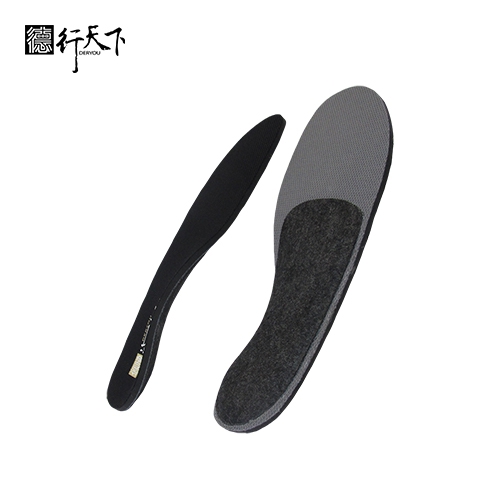
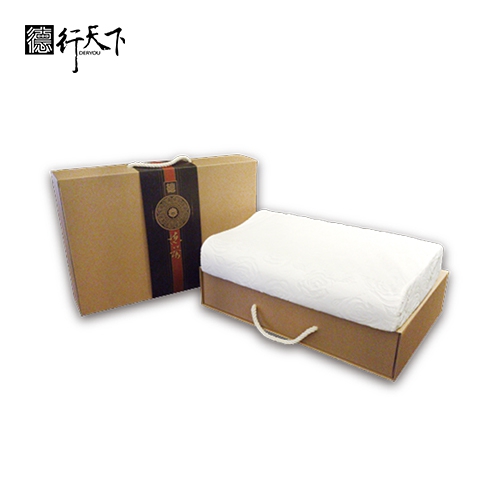
At GuangXin Industrial, our core strength lies in our deep expertise and versatility in insole and pillow manufacturing. We specialize in working with a wide range of materials, including PU (polyurethane), natural latex, and advanced graphene composites, to develop insoles and pillows that meet diverse performance, comfort, and health-support needs.
Whether it's cushioning, support, breathability, or antibacterial function, we tailor material selection to the exact requirements of each project-whether for foot wellness or ergonomic sleep products.
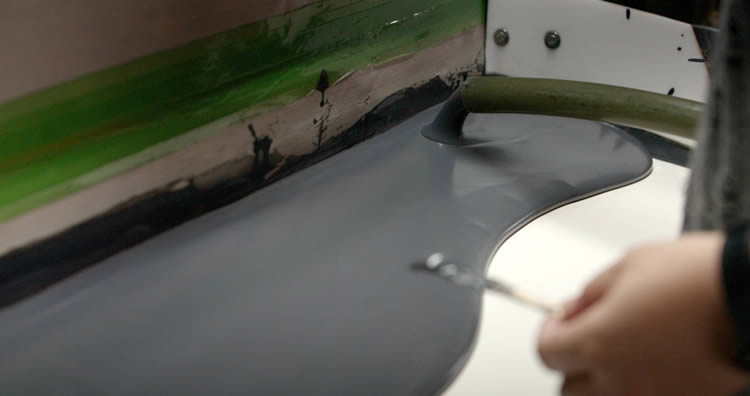
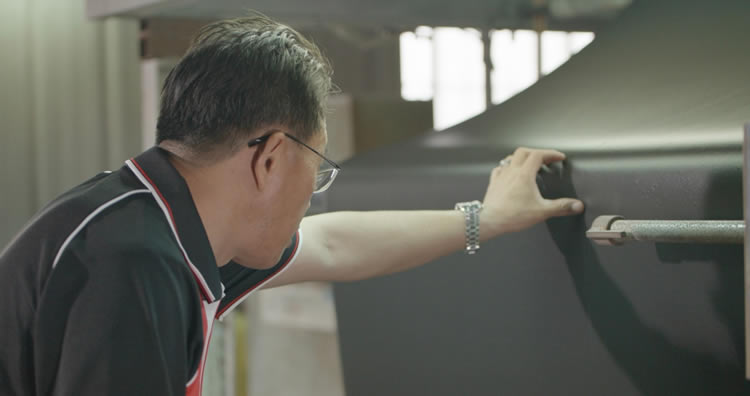
We provide end-to-end manufacturing capabilities under one roof—covering every stage from material sourcing and foaming, to precision molding, lamination, cutting, sewing, and strict quality control. This full-process control not only ensures product consistency and durability, but also allows for faster lead times and better customization flexibility.
With our flexible production capacity, we accommodate both small batch custom orders and high-volume mass production with equal efficiency. Whether you're a startup launching your first insole or pillow line, or a global brand scaling up to meet market demand, GuangXin is equipped to deliver reliable OEM/ODM solutions that grow with your business.
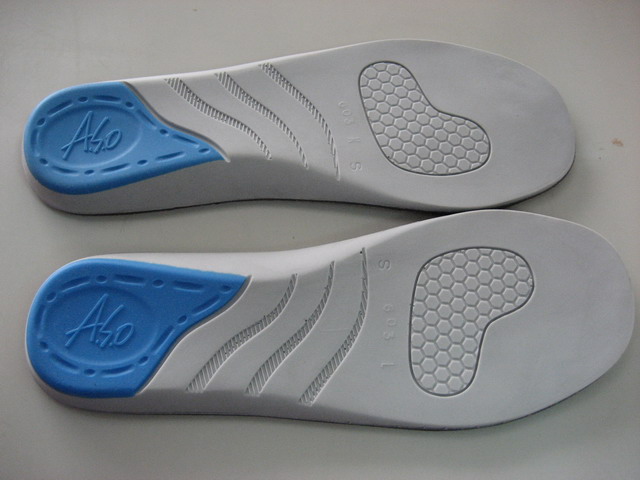
Customization & OEM/ODM Flexibility
GuangXin offers exceptional flexibility in customization and OEM/ODM services, empowering our partners to create insole products that truly align with their brand identity and target market. We develop insoles tailored to specific foot shapes, end-user needs, and regional market preferences, ensuring optimal fit and functionality.
Our team supports comprehensive branding solutions, including logo printing, custom packaging, and product integration support for marketing campaigns. Whether you're launching a new product line or upgrading an existing one, we help your vision come to life with attention to detail and consistent brand presentation.
With fast prototyping services and efficient lead times, GuangXin helps reduce your time-to-market and respond quickly to evolving trends or seasonal demands. From concept to final production, we offer agile support that keeps you ahead of the competition.
Quality Assurance & Certifications
Quality is at the heart of everything we do. GuangXin implements a rigorous quality control system at every stage of production—ensuring that each insole meets the highest standards of consistency, comfort, and durability.
We provide a variety of in-house and third-party testing options, including antibacterial performance, odor control, durability testing, and eco-safety verification, to meet the specific needs of our clients and markets.
Our products are fully compliant with international safety and environmental standards, such as REACH, RoHS, and other applicable export regulations. This ensures seamless entry into global markets while supporting your ESG and product safety commitments.
ESG-Oriented Sustainable Production
At GuangXin Industrial, we are committed to integrating ESG (Environmental, Social, and Governance) values into every step of our manufacturing process. We actively pursue eco-conscious practices by utilizing eco-friendly materials and adopting low-carbon production methods to reduce environmental impact.
To support circular economy goals, we offer recycled and upcycled material options, including innovative applications such as recycled glass and repurposed LCD panel glass. These materials are processed using advanced techniques to retain performance while reducing waste—contributing to a more sustainable supply chain.
We also work closely with our partners to support their ESG compliance and sustainability reporting needs, providing documentation, traceability, and material data upon request. Whether you're aiming to meet corporate sustainability targets or align with global green regulations, GuangXin is your trusted manufacturing ally in building a better, greener future.
Let’s Build Your Next Insole Success Together
Looking for a reliable insole manufacturing partner that understands customization, quality, and flexibility? GuangXin Industrial Co., Ltd. specializes in high-performance insole production, offering tailored solutions for brands across the globe. Whether you're launching a new insole collection or expanding your existing product line, we provide OEM/ODM services built around your unique design and performance goals.
From small-batch custom orders to full-scale mass production, our flexible insole manufacturing capabilities adapt to your business needs. With expertise in PU, latex, and graphene insole materials, we turn ideas into functional, comfortable, and market-ready insoles that deliver value.
Contact us today to discuss your next insole project. Let GuangXin help you create custom insoles that stand out, perform better, and reflect your brand’s commitment to comfort, quality, and sustainability.
🔗 Learn more or get in touch:
🌐 Website: https://www.deryou-tw.com/
📧 Email: shela.a9119@msa.hinet.net
📘 Facebook: facebook.com/deryou.tw
📷 Instagram: instagram.com/deryou.tw
Pillow ODM design company in Indonesia
Are you looking for a trusted and experienced manufacturing partner that can bring your comfort-focused product ideas to life? GuangXin Industrial Co., Ltd. is your ideal OEM/ODM supplier, specializing in insole production, pillow manufacturing, and advanced graphene product design.
With decades of experience in insole OEM/ODM, we provide full-service manufacturing—from PU and latex to cutting-edge graphene-infused insoles—customized to meet your performance, support, and breathability requirements. Our production process is vertically integrated, covering everything from material sourcing and foaming to molding, cutting, and strict quality control.Pillow ODM design company in Thailand
Beyond insoles, GuangXin also offers pillow OEM/ODM services with a focus on ergonomic comfort and functional innovation. Whether you need memory foam, latex, or smart material integration for neck and sleep support, we deliver tailor-made solutions that reflect your brand’s values.
We are especially proud to lead the way in ESG-driven insole development. Through the use of recycled materials—such as repurposed LCD glass—and low-carbon production processes, we help our partners meet sustainability goals without compromising product quality. Our ESG insole solutions are designed not only for comfort but also for compliance with global environmental standards.Vietnam high-end foam product OEM/ODM
At GuangXin, we don’t just manufacture products—we create long-term value for your brand. Whether you're developing your first product line or scaling up globally, our flexible production capabilities and collaborative approach will help you go further, faster.Thailand insole ODM service provider
📩 Contact us today to learn how our insole OEM, pillow ODM, and graphene product design services can elevate your product offering—while aligning with the sustainability expectations of modern consumers.China anti-bacterial pillow ODM design
The research group analyzed the ancient DNA extracted from 50,000-year-old sedimentary feces (the oldest sample of fecal material available to date). The samples were collected in El Salt (Spain), a site where many Neanderthals lived. Credit: University of Bologna Ancient Neanderthal microbes show shared gut health roots with modern humans. Neanderthals’ gut microbiota already included some beneficial micro-organisms that are also found in our own intestines. An international research group led by the University of Bologna achieved this result by extracting and analyzing ancient DNA from 50,000-year-old fecal sediments sampled at the archaeological site of El Salt, near Alicante (Spain). Published in Communication Biology, their paper puts forward the hypothesis of the existence of ancestral components of human microbiota that have been living in the human gastrointestinal tract since before the separation between the Homo Sapiens and Neanderthals that occurred more than 700,000 years ago. “These results allow us to understand which components of the human gut microbiota are essential for our health, as they are integral elements of our biology also from an evolutionary point of view” explains Marco Candela, the professor of the Department of Pharmacy and Biotechnology of the University of Bologna, who coordinated the study. “Nowadays there is a progressive reduction of our microbiota diversity due to the context of our modern life: this research group’s findings could guide us in devising diet- and lifestyle-tailored solutions to counteract this phenomenon.” The Issues of the “Modern” Microbiota The gut microbiota is the collection of trillions of symbiont micro-organisms that populate our gastrointestinal tract. It represents an essential component of our biology and carries out important functions in our bodies, such as regulating our metabolism and immune system and protecting us from pathogenic micro-organisms. Recent studies have shown how some features of modernity — such as the consumption of processed food, drug use, life in hyper-sanitized environments — lead to a critical reduction of biodiversity in the gut microbiota. This depletion is mainly due to the loss of a set of microorganisms referred to as “old friends.” “The process of depletion of the gut microbiota in modern western urban populations could represent a significant wake-up call,” says Simone Rampelli, who is a researcher at the University of Bologna and first author of the study. “This depletion process would become particularly alarming if it involved the loss of those microbiota components that are crucial to our physiology.” Indeed, there are some alarming signs. For example, in the West, we are witnessing a dramatic increase in cases of chronic inflammatory diseases, such as inflammatory bowel disease, metabolic syndrome, type 2 diabetes, and colorectal cancer. How the “Ancient” Microbiota Can Help How can we identify the components of the gut microbiota that are more important for our health? And how can we protect them with targeted solutions? This was the starting point behind the idea of identifying the ancestral traits of our microbiota — i.e. the core of the human gut microbiota, which has remained consistent throughout our evolutionary history. Technology nowadays allows to successfully rise to this challenge thanks to a new scientific field, paleomicrobiology, which studies ancient microorganisms from archaeological remains through DNA sequencing. The research group analyzed ancient DNA samples collected in El Salt (Spain), a site where many Neanderthals lived. To be more precise, they analyzed the ancient DNA extracted from 50,000-year-old sedimentary feces (the oldest sample of fecal material available to date). In this way, they managed to piece together the composition of the micro-organisms populating the intestine of Neanderthals. By comparing the composition of the Neanderthals’ microbiota to ours, many similarities arose. “Through the analysis of ancient DNA, we were able to isolate a core of microorganisms shared with modern Homo sapiens,” explains Silvia Turroni, researcher at the University of Bologna and first author of the study. “This finding allows us to state that these ancient micro-organisms populated the intestine of our species before the separation between Sapiens and Neanderthals, which occurred about 700,000 years ago.” Safeguarding the Microbiota These ancestral components of the human gut microbiota include many well-known bacteria (among which Blautia, Dorea, Roseburia, Ruminococcus, and Faecalibacterium) that are fundamental to our health. Indeed, by producing short-chain fatty acids from dietary fiber, these bacteria regulate our metabolic and immune balance. There is also the Bifidobacterium: a microorganism playing a key role in regulating our immune defenses, especially in early childhood. Finally, in the Neanderthal gut microbiota, researchers identified some of those “old friends.” This confirms the researchers’ hypotheses about the ancestral nature of these components and their recent depletion in the human gut microbiota due to our modern life context. “In the current modernization scenario, in which there is a progressive reduction of microbiota diversity, this information could guide integrated diet- and lifestyle-tailored strategies to safeguard the micro-organisms that are fundamental to our health,” concludes Candela. “To this end, promoting lifestyles that are sustainable for our gut microbiota is of the utmost importance, as it will help maintain the configurations that are compatible with our biology.” Reference: “Components of a Neanderthal gut microbiome recovered from fecal sediments from El Salt” by Simone Rampelli, Silvia Turroni, Carolina Mallol, Cristo Hernandez, Bertila Galván, Ainara Sistiaga, Elena Biagi, Annalisa Astolfi, Patrizia Brigidi, Stefano Benazzi, Cecil M. Lewis Jr., Christina Warinner, Courtney A. Hofman, Stephanie L. Schnorr and Marco Candela, 5 February 2021, Communications Biology. DOI: 10.1038/s42003-021-01689-y The study titled “Components of a Neanderthal gut microbiome recovered from fecal sediments from El Salt” was published in Communication Biology. The University of Bologna participated in this study thanks to Marco Candela, Simone Rampelli, Silvia Turroni and Elena Biagi from the Department of Pharmacy and Biotechnology; Annalisa Astolfi from the Interdepartmental Center for Cancer Research “Giorgio Prodi”; Patrizia Brigidi from the Department of Medical and Surgical Sciences; and Stefano Benazzi from the Department of Cultural Heritage. Moreover, this study saw the participation of researchers from the Universidad de La Laguna (Spain), from the Massachusetts Institute of Technology (USA) as well as the University of Oklahoma (USA) and Konrad Lorenz Institute for Evolution and Cognition Research (Austria).
Six monotremes living in the same place at the same time, 100 million years ago at Lightning Ridge, NSW. Clockwise from lower left: Opalios splendens, a newly described species dubbed an ‘echidnapus’; Stirtodon elizabethae, the largest monotreme of the time; Kollikodon ritchiei, with hot-cross-bun shaped molars; Steropodon galmani, now known from additional opalised fossils; Parvopalus clytiei, the smallest monotreme of the time; and Dharragarra aurora, the earliest known species of platypus. Credit: Illustration by Peter Shouten Australian researchers have discovered the oldest confirmed platypus specimen along with a new species they’ve named ‘echidnapus.’ This newly identified species combines characteristics of platypuses with traits that are more typical of echidnas. In a study recently published in Alcheringa: An Australasian Journal of Palaeontology, a team of Australian scientists from the Australian Museum, Museums Victoria, and the Australian Opal Centre have unveiled evidence suggesting an ‘Age of Monotremes.’ The findings were led by two renowned mammalogists, Honorary Associate of the Australian Museum, Professor Tim Flannery; and Professor Kris Helgen, Chief Scientist and Director of the Australian Museum Research Institute (AMRI). Found in the Lightning Ridge opal fields, NSW, the opalized jaws date back to the Cenomanian Age of the Cretaceous Period, between 102 million to 96.6 million years ago. Professor Flannery said the research reveals that 100 million years ago, Australia was home to a diversity of monotremes, of which the platypus and the echidna are the only surviving descendants. Uncovering New Monotreme Species “Today, Australia is known as a land of marsupials, but discovering these new fossils is the first indication that Australia was previously home to a diversity of monotremes. It’s like discovering a whole new civilization,” Professor Flannery said. Chief Scientist and Director of the Australian Museum Research Institute, Professor Kris Helgen, said the three new species demonstrate combinations of features not previously seen before in other living or fossil monotremes. One of the most striking of the new monotremes, Opalios splendens, retains characteristics of the earliest known monotremes, but also some that foreshadow adaptations in the living monotremes, the echidnas and platypus. Portrait of Paleontologist Professor Kris Helgen holding a tiny tooth fragment dated at one hundred million years old (and projected at scale in background) on-site at the Australian Museum in Sydney where much of the academic work about the finding was made. Credit: Photograph by James Alcock / Australian Museum “Opalios splendens sits on a place in the evolutionary tree prior to the evolution of the common ancestor of the monotremes we have today. Its overall anatomy is probably quite like the platypus, but with features of the jaw and snout a bit more like an echidna – you might call it an ‘echidnapus’,” Professor Helgen said. “The story of how our egg-laying mammals evolved is ‘toothy to toothless’ on the oldest monotreme, Teinolophos trusleri, which dates back to Victoria 130 million years ago. What we see at Lightning Ridge is that by 100 million years ago, some of the monotremes still have five molars but some of them are down to three,” Professor Helgen said. The Mystery of Monotreme Evolution Professor Flannery highlighted that today, echidnas have no teeth, and platypuses too are essentially toothless. “Adult platypus have no teeth, though juveniles have rudimentary molars. Just when and why adult platypuses lost their teeth after nearly 100 million years is a mystery we think we have solved. It may have been competition with the Australian water rat, which arrived in Australia within the last 2 million years, which caused platypus to seek out softer, slipperier food best processed with the leathery pads that adults use today,” Professor Flannery said. “What is so unusual about this uniquely Australian story is that in one snapshot we see six different egg-laying mammals living together in Lightning Ridge over 100 million years ago. All of them are holding potential evolutionary destinies that can go off in different directions, and all of them are deep distant ancestors and relatives of the current living monotremes.” Dr. Matthew McCurry, Curator of Palaeontology, Australian Museum, said the discovery of three new genera of monotremes helps to piece together their remarkable evolutionary story. “There are six species of monotremes, including the three newly described here, within the Cenomanian Lightning Ridge fauna of New South Wales making it the most diverse monotreme assemblage on record. Four species are known from a single specimen, suggesting that diversity remains underrepresented. This discovery adds more than 20 percent to the previously known diversity of monotremes,” Dr. McCurry said. “We have very few monotreme fossils, and so finding new fossils can tell us more about where they lived, what they looked like, and how changes in the environment influenced their evolution. Every significant monotreme fossil currently known fits into this evolutionary story, from Teinolophos, the tiny shrew-like creature in Antarctica 130 million years ago to the present day,” Dr. McCurry said. Ongoing Research and Excitement Co-authors from Museums Victoria Research Institute, Dr. Thomas Rich, Senior Curator of Vertebrate Palaeontology, and Honorary Associate Professor Patricia Vickers-Rich AO said these curious, unique, and ancient Australian animals still have the power to interest the scientific world. “The platypus and echidna are iconic Australian species. The discovery of these several new species in one small area suggests that the family tree of the egg-laying monotremes is far more complicated than the living platypus and echidna alone suggest,” Dr. Thomas Rich said. “As the fieldwork continues in the Mesozoic of Australia, we continue to increase our understanding of how life changed over time. This, to me, is what makes science so exciting,” Professor Patricia Vickers-Rich AO said. The fossils were found by Elizabeth Smith and her daughter Clytie of the Australian Opal Centre in Lightning Ridge, who have spent decades working and searching over the opal fields. “Opal fossils are rare, but opalized monotreme fossils are infinitely more rare, as there’s one monotreme fragment to a million other pieces. We don’t know when, or exactly where, they’ll turn up,” Elizabeth Smith said. “These specimens are a revelation. They show the world that long before Australia became the land of pouched mammals, marsupials, this was a land of furry egg-layers – monotremes. It seems that 100 million years ago, there were more monotremes at Lightning Ridge than anywhere else on earth, past or present,” Elizabeth said. Reference: “A diverse assemblage of monotremes (Monotremata) from the Cenomanian Lightning Ridge fauna of New South Wales, Australia” by Timothy F. Flannery, Matthew R. McCurry, Thomas H. Rich, Patricia Vickers-Rich, Elizabeth T. Smith and Kristofer M. Helgen, 26 May 2024, Alcheringa: An Australasian Journal of Palaeontology. DOI: 10.1080/03115518.2024.2348753
Researchers at Mount Sinai have discovered how the protein TIMP2 affects the hippocampus, a brain area vital for memory and learning. Using advanced techniques in mutant mouse models, the team showed that decreasing TIMP2 levels led to reduced plasticity and memory function. Researchers have revealed how the protein TIMP2 regulates brain plasticity, particularly in the hippocampus, offering new insights into treating age-related disorders like Alzheimer’s by targeting the brain’s extracellular matrix. Mount Sinai scientists have shed valuable light on the mechanism of a key protein that regulates the plasticity and function of the hippocampus, a key brain region involved in memory and learning, and that decreases with age in mice. The team’s findings, published in Molecular Psychiatry, could pave the way for a better understanding of how the protein, known as tissue inhibitor of metalloproteinases 2 (TIMP2), could potentially be targeted in age-related disorders like Alzheimer’s disease to help restore affected molecular processes in the brain. Understanding Aging and Neurodegenerative Disorders Aging is known to be the top risk factor for many neurodegenerative disorders, including Alzheimer’s disease. Previous work by Mount Sinai researchers and others found that proteins that are enriched in young blood, including TIMP2, could be harnessed to rejuvenate brain function in aged animals by affecting plasticity—or the flexibility of neural processes related to memory—in the hippocampus. Despite that important discovery, little was known about the biology of how TIMP2 regulates plasticity of the hippocampus at the molecular level. Accumulation of extracellular matrix content in brain of TIMP2-deficient “KO” mice (left column) that leads to impaired plasticity processes, including the migration of adult-born neurons (right column). Credit: Mount Sinai Health System Insights Into TIMP2’s Molecular Mechanism “In our latest study, we detailed a molecular link involving this protein that ties processes of plasticity, including the generation of new neurons in adulthood, to the structural nature—or what we call the extracellular matrix—of the hippocampal microenvironment,” says Joseph Castellano, PhD, Assistant Professor of Neuroscience, and Neurology, at the Icahn School of Medicine at Mount Sinai and senior author of the paper. “TIMP2 controls these processes by changing the flexibility of the microenvironment through components of the extracellular matrix. Studying pathways that regulate the extracellular matrix could be important for designing novel therapies for diseases in which plasticity is affected.” Innovative Research Methods and Findings For their work, the team used a mutant mouse model mimicking the loss of TIMP2 levels in the blood and hippocampus that is known to occur with age. The team also created a model that allowed researchers to specifically target and delete the pool of TIMP2 expressed by neurons in the hippocampus. These models, in combination with RNA sequencing, confocal imaging, super-resolution microscopy, and behavioral studies, allowed for a detailed molecular examination of TIMP2’s regulation of plasticity. The researchers, including first author Ana Catarina Ferreira, PhD, a postdoctoral fellow in Dr. Castellano’s group, learned that the loss of TIMP2 results in an accumulation of extracellular matrix components in the hippocampus that occurs alongside a reduction in plasticity processes, including the generation of adult-born neurons, synaptic integrity, and memory. The extracellular matrix is a network of many macromolecular components that make up the structural microenvironment around and between cells. Implications and Future Research Directions “We directly targeted this phenotype with an enzyme delivered to the hippocampus that affects the extracellular matrix and found that plasticity processes normally impaired in the setting of reduced TIMP2 were now restored,” notes Dr. Castellano. “This finding has important implications for fundamentally understanding how plasticity is regulated at the structural level in brain regions involved in memory.” Overall, the findings suggest that targeting processes that regulate the extracellular matrix may be an important direction for designing approaches that improve plasticity in the brain. Dr. Castellano, whose lab is focused on characterizing factors with the potential to reverse features of brain aging, plans to explore molecules beyond TIMP2 that regulate the extracellular matrix, and is optimistic about where this research may take the field in the context of mitigating a variety of disorders associated with aging. Reference: “Neuronal TIMP2 regulates hippocampus-dependent plasticity and extracellular matrix complexity” by Ana Catarina Ferreira, Brittany M. Hemmer, Sarah M. Philippi, Alejandro B. Grau-Perales, Jacob L. Rosenstadt, Hanxiao Liu, Jeffrey D. Zhu, Tatyana Kareva, Tim Ahfeldt, Merina Varghese, Patrick R. Hof and Joseph M. Castellano, 2 November 2023, Molecular Psychiatry. DOI: 10.1038/s41380-023-02296-5 The study was supported by funding from the National Institutes of Health, National Institute on Aging (R01AG061382, RF1AG072300, T32AG049688).
DVDV1551RTWW78V
Ergonomic insole ODM support Indonesia 》trusted by DTC and B2B brands alikeIndonesia foot care insole ODM expert 》your competitive edge in product performance and speedIndonesia foot care insole ODM expert 》the smart choice for brands seeking quality and customization
限會員,要發表迴響,請先登入


