Introduction – Company Background
GuangXin Industrial Co., Ltd. is a specialized manufacturer dedicated to the development and production of high-quality insoles.
With a strong foundation in material science and footwear ergonomics, we serve as a trusted partner for global brands seeking reliable insole solutions that combine comfort, functionality, and design.
With years of experience in insole production and OEM/ODM services, GuangXin has successfully supported a wide range of clients across various industries—including sportswear, health & wellness, orthopedic care, and daily footwear.
From initial prototyping to mass production, we provide comprehensive support tailored to each client’s market and application needs.
At GuangXin, we are committed to quality, innovation, and sustainable development. Every insole we produce reflects our dedication to precision craftsmanship, forward-thinking design, and ESG-driven practices.
By integrating eco-friendly materials, clean production processes, and responsible sourcing, we help our partners meet both market demand and environmental goals.
Core Strengths in Insole Manufacturing
At GuangXin Industrial, our core strength lies in our deep expertise and versatility in insole and pillow manufacturing. We specialize in working with a wide range of materials, including PU (polyurethane), natural latex, and advanced graphene composites, to develop insoles and pillows that meet diverse performance, comfort, and health-support needs.
Whether it's cushioning, support, breathability, or antibacterial function, we tailor material selection to the exact requirements of each project-whether for foot wellness or ergonomic sleep products.
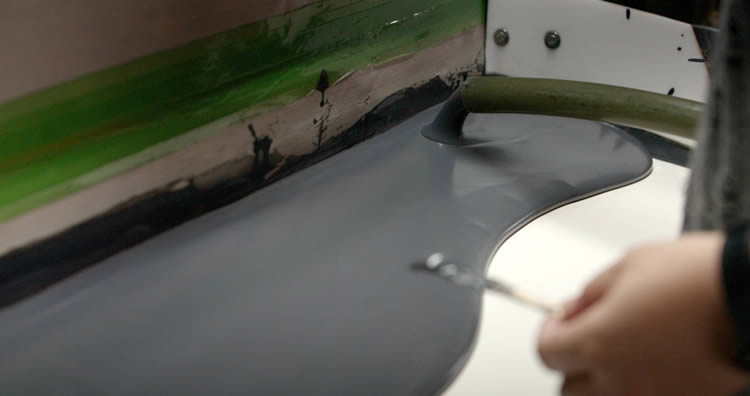
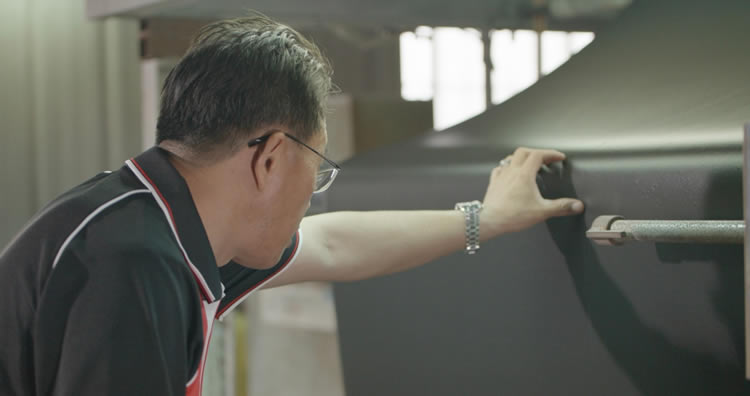
We provide end-to-end manufacturing capabilities under one roof—covering every stage from material sourcing and foaming, to precision molding, lamination, cutting, sewing, and strict quality control. This full-process control not only ensures product consistency and durability, but also allows for faster lead times and better customization flexibility.
With our flexible production capacity, we accommodate both small batch custom orders and high-volume mass production with equal efficiency. Whether you're a startup launching your first insole or pillow line, or a global brand scaling up to meet market demand, GuangXin is equipped to deliver reliable OEM/ODM solutions that grow with your business.
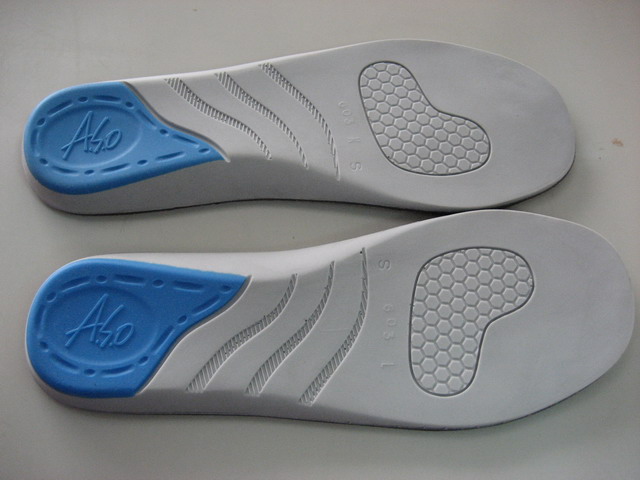
Customization & OEM/ODM Flexibility
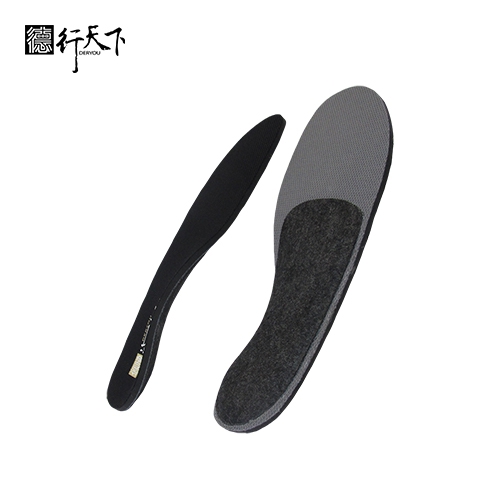
GuangXin offers exceptional flexibility in customization and OEM/ODM services, empowering our partners to create insole products that truly align with their brand identity and target market. We develop insoles tailored to specific foot shapes, end-user needs, and regional market preferences, ensuring optimal fit and functionality.
Our team supports comprehensive branding solutions, including logo printing, custom packaging, and product integration support for marketing campaigns. Whether you're launching a new product line or upgrading an existing one, we help your vision come to life with attention to detail and consistent brand presentation.
With fast prototyping services and efficient lead times, GuangXin helps reduce your time-to-market and respond quickly to evolving trends or seasonal demands. From concept to final production, we offer agile support that keeps you ahead of the competition.
Quality Assurance & Certifications
Quality is at the heart of everything we do. GuangXin implements a rigorous quality control system at every stage of production—ensuring that each insole meets the highest standards of consistency, comfort, and durability.
We provide a variety of in-house and third-party testing options, including antibacterial performance, odor control, durability testing, and eco-safety verification, to meet the specific needs of our clients and markets.
Our products are fully compliant with international safety and environmental standards, such as REACH, RoHS, and other applicable export regulations. This ensures seamless entry into global markets while supporting your ESG and product safety commitments.
ESG-Oriented Sustainable Production
At GuangXin Industrial, we are committed to integrating ESG (Environmental, Social, and Governance) values into every step of our manufacturing process. We actively pursue eco-conscious practices by utilizing eco-friendly materials and adopting low-carbon production methods to reduce environmental impact.
To support circular economy goals, we offer recycled and upcycled material options, including innovative applications such as recycled glass and repurposed LCD panel glass. These materials are processed using advanced techniques to retain performance while reducing waste—contributing to a more sustainable supply chain.
We also work closely with our partners to support their ESG compliance and sustainability reporting needs, providing documentation, traceability, and material data upon request. Whether you're aiming to meet corporate sustainability targets or align with global green regulations, GuangXin is your trusted manufacturing ally in building a better, greener future.
Let’s Build Your Next Insole Success Together
Looking for a reliable insole manufacturing partner that understands customization, quality, and flexibility? GuangXin Industrial Co., Ltd. specializes in high-performance insole production, offering tailored solutions for brands across the globe. Whether you're launching a new insole collection or expanding your existing product line, we provide OEM/ODM services built around your unique design and performance goals.
From small-batch custom orders to full-scale mass production, our flexible insole manufacturing capabilities adapt to your business needs. With expertise in PU, latex, and graphene insole materials, we turn ideas into functional, comfortable, and market-ready insoles that deliver value.
Contact us today to discuss your next insole project. Let GuangXin help you create custom insoles that stand out, perform better, and reflect your brand’s commitment to comfort, quality, and sustainability.
🔗 Learn more or get in touch:
🌐 Website: https://www.deryou-tw.com/
📧 Email: shela.a9119@msa.hinet.net
📘 Facebook: facebook.com/deryou.tw
📷 Instagram: instagram.com/deryou.tw
Indonesia OEM insole and pillow supplier
Are you looking for a trusted and experienced manufacturing partner that can bring your comfort-focused product ideas to life? GuangXin Industrial Co., Ltd. is your ideal OEM/ODM supplier, specializing in insole production, pillow manufacturing, and advanced graphene product design.
With decades of experience in insole OEM/ODM, we provide full-service manufacturing—from PU and latex to cutting-edge graphene-infused insoles—customized to meet your performance, support, and breathability requirements. Our production process is vertically integrated, covering everything from material sourcing and foaming to molding, cutting, and strict quality control.Indonesia neck support pillow OEM
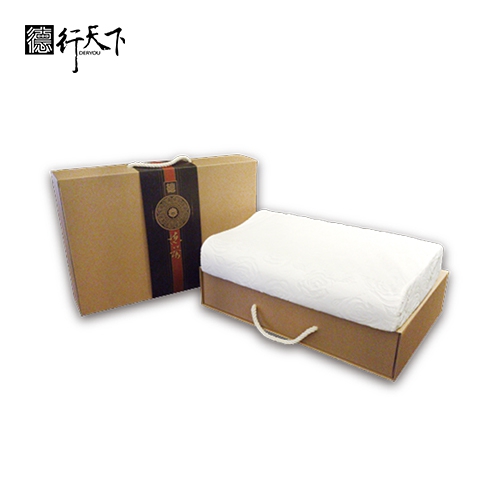
Beyond insoles, GuangXin also offers pillow OEM/ODM services with a focus on ergonomic comfort and functional innovation. Whether you need memory foam, latex, or smart material integration for neck and sleep support, we deliver tailor-made solutions that reflect your brand’s values.
We are especially proud to lead the way in ESG-driven insole development. Through the use of recycled materials—such as repurposed LCD glass—and low-carbon production processes, we help our partners meet sustainability goals without compromising product quality. Our ESG insole solutions are designed not only for comfort but also for compliance with global environmental standards.China sustainable material ODM solutions
At GuangXin, we don’t just manufacture products—we create long-term value for your brand. Whether you're developing your first product line or scaling up globally, our flexible production capabilities and collaborative approach will help you go further, faster.Taiwan anti-odor insole OEM processing factory
📩 Contact us today to learn how our insole OEM, pillow ODM, and graphene product design services can elevate your product offering—while aligning with the sustainability expectations of modern consumers.Orthopedic pillow OEM solutions Indonesia
The German cockroach, resolved by a team including Warren Booth from Virginia Tech, originated about 2,100 years ago in Asia, not Germany as commonly thought. This discovery came from analyzing over 280 specimens from six continents. The species, known for its resistance to insecticides and association with human habitats, poses serious public health risks by spreading diseases and triggering allergies and asthma. Credit: Photo courtesy of Matthew Bertone and Coby Schal Scientists have traced the German cockroach’s origins to Asia around 2,100 years ago, debunking the myth of its German origin. This pest, known for its resistance to insecticides and health risks, remains a major global concern. A team of international scientists, including Virginia Tech entomologist Warren Booth, has solved a 250-year-old mystery regarding the origin of the most prevalent indoor urban pest insect: the German cockroach. The team’s research findings, representing the genomic analyses of over 280 specimens from 17 countries and six continents, show that this species evolved some 2,100 years ago from an outside species in Asia and were released this week in the Proceedings of the National Academy of Sciences journal. One may think by its name that its origins are in Germany. But it is not native to any wilderness in that country. In fact, it doesn’t seem to have any home in the wild anywhere in the world. To date, populations have never been found outside of structures. Following its evolution, the German cockroach spread from Southeast Asia, hitchhiking around the world in association with humans. In addition to the rapid spread, it evolved resistance to a variety of insecticides, making it extremely difficult to control using over-the-counter products. According to Booth, the German cockroach is a major public health issue due to its links to disease spread, the contamination of food, and its role in triggering asthma and allergies. Reference: “Solving the 250-year-old mystery of the origin and global spread of the German cockroach, Blattella germanica” by Qian Tang, Edward L. Vargo, Intan Ahmad, Hong Jiang, Zuzana Kotyková Varadínová, Pilot Dovih, Dongmin Kim, Thomas Bourguignon, Warren Booth, Coby Schal, Dmitry V. Mukha, Frank E. Rheindt and Theodore A. Evans, 20 May 2024, Proceedings of the National Academy of Sciences. DOI: 10.1073/pnas.2401185121
Atomic force microscopy images show hepatitis B DNA in its natural state (left) and a zoomed-in look at how it wraps around human histones during an infection (right). The research team determined that in order for a critical protein to get made, the hepatitis B virus’s DNA needs to get organized into these DNA-histone complexes. Preventing this from happening could be a new way of treating the deadly disease, the research suggests. Credit: Memorial Sloan Kettering Cancer Center Scientists discovered a way to block hepatitis B infection using an anticancer drug, offering hope for new treatments. Researchers from Memorial Sloan Kettering Cancer Center (MSK), Weill Cornell Medicine, and The Rockefeller University have uncovered a key vulnerability in the hepatitis B virus (HBV), shedding light on how it establishes infection in liver cells. Their findings, published on February 20 in Cell, could pave the way for new treatments. In laboratory experiments, the team successfully blocked HBV from infecting human liver cells using a compound already in clinical trials for cancer. This discovery lays the foundation for further studies in animal models and potential drug development. Dr. Yael David. Credit: Memorial Sloan Kettering Cancer Center Hepatitis B is a liver infection that affects almost 5% of the world’s population. It causes long-term damage to liver cells and is one of the leading causes of liver cancer. More than 250 million people worldwide have chronic HBV infections and the virus causes more than 1 million deaths a year, making it the second most deadly infection worldwide, according to the World Health Organization. The research was led by chemical biologist Yael David, PhD, at MSK, working together with hepatologist and virologist Robert Schwartz, MD, PhD, at Weill Cornell Medicine and Viviana Risca, PhD, at The Rockefeller University. “This project started from our fundamental interest in how the virus’s chromosomes might look and function and led to unexpected discoveries of how the viral infection is established in human cells,” Dr. David says. Study first author Nicholas Prescott, PhD, pursued the research in the David Lab as his graduate thesis. “This is a great example of how investment in ‘basic science’ and investigation of fundamental biological questions can open the door to medical advances,” he says. “I always thought I’d be working on questions that decades later someone might cite in a paper when they come up with a cure for some disease. Never in a million years did I expect to lead a project that identified such a strong candidate for drug development for a global scourge like hepatitis B.” Dr. Nicholas Prescott. Credit: Memorial Sloan Kettering Cancer Center A Biological Paradox Sparks a Collaboration The research began with a chance meeting and a longstanding paradox. Dr. Schwartz, an associate professor of medicine in the Division of Gastroenterology and Hepatology at Weill Cornell Medicine, was introduced to Dr. David about six years ago at a retreat for Weill Cornell Physiology, Biophysics and Systems Biology graduate school faculty, where they both hold appointments. “On the surface, our research programs seem to have no overlap,” Dr. David says. “He studies hepatitis B, while my lab focuses on understanding how gene expression is regulated through a process called epigenetics. However, I was fascinated to discover that viruses like hepatitis B hijack epigenetic mechanisms, even using human DNA-packaging proteins to regulate their activity.” Not long after, Dr. Prescott, then a doctoral student in the Tri-Institutional PhD Program in Chemical Biology, was preparing for a stint in the David Lab at MSK’s Sloan Kettering Institute. “His interest in epigenetic regulation in pathogens immediately made me consider HBV an ideal model system for him to explore,” Dr. David says. At the heart of the mystery that intrigued the researchers lies a key viral gene that encodes for a protein called X. This protein is essential for HBV to establish a productive infection in host cells and the expression of its viral genes. However, the X gene itself is encoded within the viral genome. Dr. Robert Schwartz. Credit: Weill Cornell Medicine “This raises a classic chicken-and-egg question that has puzzled scientists for decades,” Dr. David says. “How does the virus produce enough X protein to drive viral gene expression and establish infection?” Furthermore, the gene that encodes protein X is considered the virus’s oncogene — that is, the gene responsible for the disease’s progression toward cancer, Dr. Prescott adds. That’s because protein X degrades proteins in the host that are involved with DNA repair. Not only does this keep the host from silencing protein X’s activity, but the infected cells are also more likely to accumulate DNA errors that build up over the years and decades, leading to the development of cancer. Challenges With Existing Treatments for Hepatitis B “One of the main challenges with treating hepatitis B is that the existing treatments can stop the virus from making new copies of itself, but they don’t fully clear the virus from infected cells, allowing the virus to persist in the liver and maintain chronic infection,” says Dr. Schwartz, whose lab contributed biological and clinical expertise in the virus, as well as the human liver cell models used in the study. The hepatitis B vaccine is also effective, but maintaining immunity often requires booster shots. Moreover, it doesn’t help people who are already infected. This happens, for example, due to transmission of the virus from mother to child, which is very common in developing countries. Access to vaccines and treatment is also more limited in some parts of Africa and Asia, where rates of infection are higher. Building a New Platform to Study Hepatitis B Digging into the mystery of protein X was a challenge, explains Dr. Prescott, who is now a postdoctoral fellow in the Laboratory of Chromosome and Cell Biology at The Rockefeller University. The existing tools weren’t capable of shedding light on what was happening in those critical early hours of an infection. This is where the David Lab’s expertise in how DNA gets packaged, read, and modified proved essential. They successfully generated the HBV minichromosome for the first time, using their capabilities in reconstituting viral DNA in complex with human histones — which are proteins that package and organize DNA. “This platform became a powerful tool not only to study the virus’s biochemistry but also to analyze, in detail, what happens in the critical first hours of an infection,” Dr. David says. For Protein X, Packaging Makes All the Difference The research team determined that in order for protein X to get made, the hepatitis B virus’s DNA needs to get organized into DNA-histone complexes called “nucleosomes.” Nucleosomes are like beads on a string — the string is the viral DNA, and the beads are host-provided histone proteins, around which DNA gets wrapped; nucleosomes are the building blocks of chromatin, the material that makes up chromosomes. It was this part of the project that tapped into the expertise of Dr. Risca from Rockefeller University. The Risca Lab studies the 3D architecture of the genome and how the packaging of DNA helps to control the transcription of genes. They had the tools and expertise to ensure that what the scientists were seeing in the new platform for studying the virus matched the reality of a human infection. Dr. Viviana Risca. Credit: The Rockefeller University “Conventional wisdom says that packaging a gene’s DNA into nucleosomes would block or slow down the cell’s ability to read out that gene to make functional proteins, like protein X,” Dr. Risca says. “But in complex organisms like humans and in the viruses that infect us, gene regulation is not always so straightforward. The presence and the positioning of nucleosomes on DNA can be important in directing cellular mechanisms to transcribe some genes. We found that to be the case for the HBV gene encoding protein X — the presence of nucleosomes on the viral genome is necessary for the transcription of RNA that gives rise to functional protein X.” Identifying a Promising Drug Candidate Against HBV This discovery opens the door to understanding how the X gene is regulated and how HBV infection is established. Moreover, the researchers were elated to discover a potential therapeutic opportunity: If one could disrupt the formation of these chromatin structures, then one could disrupt the virus’s ability to start and maintain an infection. The team tested five small-molecule compounds known to impair chromatin formation. Only one blocked the production of protein X in liver cells: an anticancer drug candidate called CBL137. Importantly, it worked at very low concentrations — many times smaller than participants in clinical trials for cancer were receiving, and using doses that only affected the virus, but not human cells. “This made us very optimistic about the possibility of developing a treatment approach while preventing or limiting side effects,” Dr. David says. “Moreover, if these results are confirmed through additional study, we are optimistic the approach could be used to treat chronic infections for the first time — and therefore could represent a potential cure,” Dr. Schwartz adds. Additionally, CBL137 might prove similarly useful to target or study other chromatinized DNA viruses like herpesviruses and papillomaviruses, the researchers note. Next Steps for the Research To further develop the team’s research toward a potential clinical trial, the next step would be to study the safety and effectiveness of CBL137 in animal models — though these are limited due to the narrow range of species HBV can infect, the researchers say. All of the researchers stressed that the study wouldn’t have been possible without the close collaboration between the three institutions, which brought together the necessary expertise and technological resources — from MSK’s atomic force microscope to the Genomics Resource Center and High-Performance Computing Cluster at Rockefeller University. “I think this is a sterling example of what makes the Tri-I such a great place to do science,” says Dr. Prescott, whose research has been supported by a prestigious F99/K00 grant from the National Cancer Institute, which funds promising researchers through graduate studies and postdoctoral training, helping them to establish independent careers. “Without the contributions from all the labs, this research would not have been possible. When it came time to find a place to do my postdoc, I was like, ‘Why would I ever leave?’ ” Reference: “A nucleosome switch primes hepatitis B virus infection” by Nicholas A. Prescott, Tracy Biaco, Andrés Mansisidor, Yaron Bram, Justin Rendleman, Sarah C. Faulkner, Abigail A. Lemmon, Christine Lim, Rachel Tiersky, Eralda Salataj, Liliana Garcia-Martinez, Rodrigo L. Borges, Lluis Morey, Pierre-Jacques Hamard, Richard P. Koche, Viviana I. Risca, Robert E. Schwartz and Yael David, 20 February 2025, Cell. DOI: 10.1016/j.cell.2025.01.033 Funding: NIH/National Cancer Institute, NIH/National Institutes of Health, U.S. National Science Foundation
UK scientists have completed a synthetic chromosome for the first synthetic yeast genome, marking a major advancement in synthetic biology with broad implications for medicine, bioenergy, and biotechnology. A team of scientists from the United Kingdom, including leading experts from the University of Nottingham and Imperial College London, have successfully constructed a synthetic chromosome. This achievement is a significant milestone in a major international initiative aimed at creating the world’s first synthetic yeast genome. The work, which is published in Cell Genomics, represents the completion of one of the 16 chromosomes of the yeast genome by the UK team, which is part of the biggest project ever in synthetic biology; the international synthetic yeast genome collaboration. The collaboration, known as ‘Sc2.0’ has been a 15-year project involving teams from around the world (UK, US, China, Singapore, UK, France, and Australia), working together to make synthetic versions of all of yeast’s chromosomes. Alongside this paper, another 9 publications are also released today from other teams describing their synthetic chromosomes. The final completion of the genome project – the largest synthetic genome ever – is expected next year. Progress and Significance of the Project This effort is the first to build a synthetic genome of a eukaryote – a living organism with a nucleus, such as animals, plants, and fungi. Yeast was the organism of choice for the project as it has a relatively compact genome and the innate ability to stitch DNA together, allowing the researchers to build synthetic chromosomes within the yeast cells. Humans have a long history with yeast, having domesticated it for baking and brewing over thousands of years and, more recently, using it for chemical production and as a model organism for how our own cells work. This relationship means that we know more about the genetics of yeast than any other organism. These factors made yeast the obvious candidate. The UK-based team, led by Dr Ben Blount from the University of Nottingham and Professor Tom Ellis at Imperial College London, have now reported completion of their chromosome, synthetic chromosome XI. The project to build the chromosome has taken 10 years and the DNA sequence constructed consists of around 660,000 base pairs – which are the ‘letters’ making up the DNA code. The synthetic chromosome has replaced one of the natural chromosomes of a yeast cell and, after a painstaking debugging process, now allows the cell to grow with the same fitness level as a natural cell. The synthetic genome will not only help scientists to understand how genomes function, but it will have many applications. Rather than being a straight copy of the natural genome, the Sc2.0 synthetic genome has been designed with new features that give cells novel abilities not found in nature. One of these features allows researchers to force the cells to shuffle their gene content, creating millions of different versions of the cells with different characteristics. Individuals can then be picked with improved properties for a wide range of applications in medicine, bioenergy, and biotechnology. The process is effectively a form of super-charged evolution. Applications and Future Potential The team has also shown that its chromosome can be repurposed as a new system to study extrachromosomal circular DNAs (eccDNAs). These are free-floating DNA circles that have “looped out” of the genome and are being increasingly recognized as factors in aging and as a cause of malignant growth and chemotherapeutic drug resistance in many cancers, including glioblastoma brain tumors. Dr Ben Blount, one of the lead scientists on the project, is an Assistant Professor in the School of Life Sciences at the University of Nottingham. He said: “The synthetic chromosomes are massive technical achievements in their own right, but will also open up a huge range of new abilities for how we study and apply biology. This could range from creating new microbial strains for greener bioproduction, to helping us understand and combat disease. “The synthetic yeast genome project is a fantastic example of science on a large scale that has been achieved by a large group of researchers from around the world. It’s been a great experience to be part of such a monumental effort, where all involved were striving towards the same shared goal.” Professor Tom Ellis from the Centre for Synthetic Biology and Department of Bioengineering at Imperial College London, said: “By constructing a redesigned chromosome from telomere to telomere, and showing it can replace a natural chromosome just fine, our team’s work establishes the foundations for designing and making synthetic chromosomes and even genomes for complex organisms like plants and animals.” Reference: “Synthetic yeast chromosome XI design provides a testbed for the study of extrachromosomal circular DNA dynamics” by Benjamin A. Blount, Xinyu Lu, Maureen R.M. Driessen, Dejana Jovicevic, Mateo I. Sanchez, Klaudia Ciurkot, Yu Zhao, Stephanie Lauer, Robert M. McKiernan, Glen-Oliver F. Gowers, Fiachra Sweeney, Viola Fanfani, Evgenii Lobzaev, Kim Palacios-Flores, Roy S.K. Walker, Andy Hesketh, Jitong Cai, Stephen G. Oliver, Yizhi Cai, Giovanni Stracquadanio and Tom Ellis, 9 November 2023, Cell Genomics. DOI: 10.1016/j.xgen.2023.100418 As well as the leads of Nottingham and Imperial College London, the UK team also includes scientists from the universities of Edinburgh, Cambridge, and Manchester in the UK, as well as John Hopkins University and New York University Langone Health in the USA and Universidad Nacional Autónoma de México, Querétaro in Mexico. The work was funded by the BBSRC.
DVDV1551RTWW78V
Thailand OEM insole and pillow supplier 》a manufacturing partner you can rely on for quality and deliveryThailand graphene material ODM solution 》flexible, experienced, and ready to support your growthEco-friendly pillow OEM manufacturer Thailand 》functional, flexible, and built for scale
限會員,要發表迴響,請先登入


