Introduction – Company Background
GuangXin Industrial Co., Ltd. is a specialized manufacturer dedicated to the development and production of high-quality insoles.
With a strong foundation in material science and footwear ergonomics, we serve as a trusted partner for global brands seeking reliable insole solutions that combine comfort, functionality, and design.
With years of experience in insole production and OEM/ODM services, GuangXin has successfully supported a wide range of clients across various industries—including sportswear, health & wellness, orthopedic care, and daily footwear.
From initial prototyping to mass production, we provide comprehensive support tailored to each client’s market and application needs.
At GuangXin, we are committed to quality, innovation, and sustainable development. Every insole we produce reflects our dedication to precision craftsmanship, forward-thinking design, and ESG-driven practices.
By integrating eco-friendly materials, clean production processes, and responsible sourcing, we help our partners meet both market demand and environmental goals.
Core Strengths in Insole Manufacturing
At GuangXin Industrial, our core strength lies in our deep expertise and versatility in insole and pillow manufacturing. We specialize in working with a wide range of materials, including PU (polyurethane), natural latex, and advanced graphene composites, to develop insoles and pillows that meet diverse performance, comfort, and health-support needs.
Whether it's cushioning, support, breathability, or antibacterial function, we tailor material selection to the exact requirements of each project-whether for foot wellness or ergonomic sleep products.
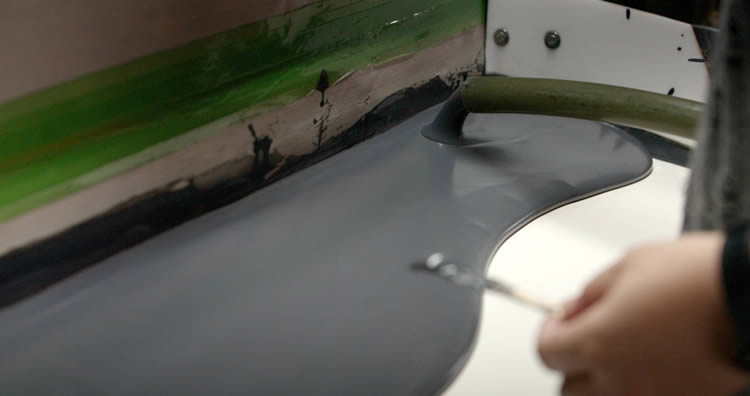
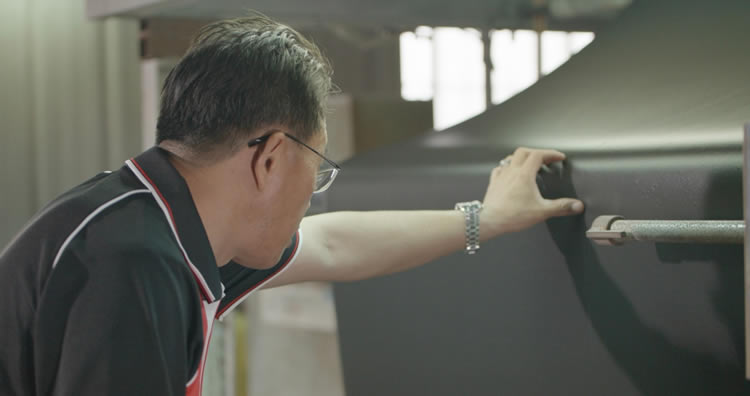
We provide end-to-end manufacturing capabilities under one roof—covering every stage from material sourcing and foaming, to precision molding, lamination, cutting, sewing, and strict quality control. This full-process control not only ensures product consistency and durability, but also allows for faster lead times and better customization flexibility.
With our flexible production capacity, we accommodate both small batch custom orders and high-volume mass production with equal efficiency. Whether you're a startup launching your first insole or pillow line, or a global brand scaling up to meet market demand, GuangXin is equipped to deliver reliable OEM/ODM solutions that grow with your business.
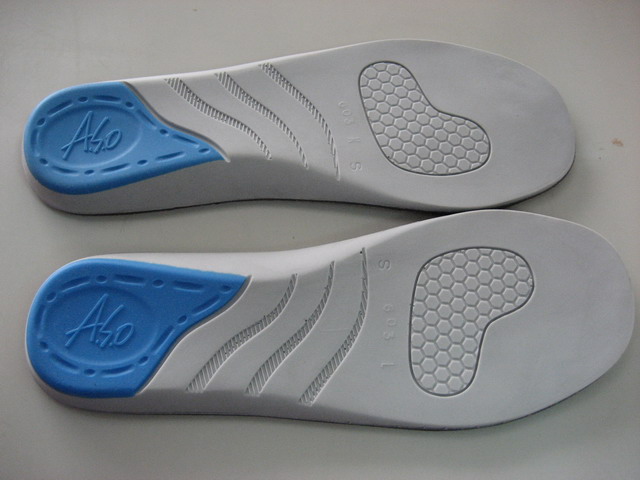
Customization & OEM/ODM Flexibility
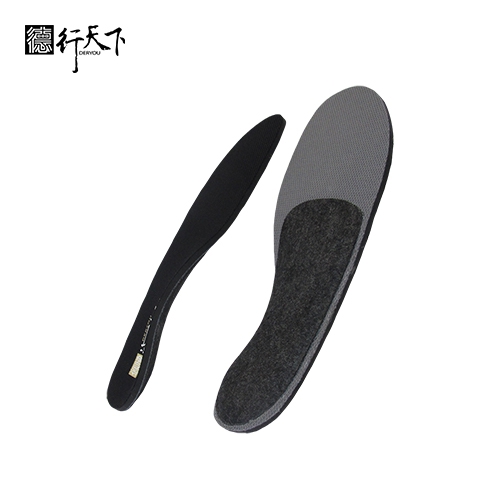
GuangXin offers exceptional flexibility in customization and OEM/ODM services, empowering our partners to create insole products that truly align with their brand identity and target market. We develop insoles tailored to specific foot shapes, end-user needs, and regional market preferences, ensuring optimal fit and functionality.
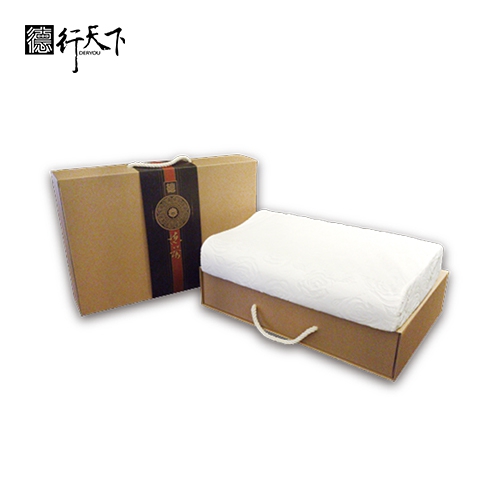
Our team supports comprehensive branding solutions, including logo printing, custom packaging, and product integration support for marketing campaigns. Whether you're launching a new product line or upgrading an existing one, we help your vision come to life with attention to detail and consistent brand presentation.
With fast prototyping services and efficient lead times, GuangXin helps reduce your time-to-market and respond quickly to evolving trends or seasonal demands. From concept to final production, we offer agile support that keeps you ahead of the competition.
Quality Assurance & Certifications
Quality is at the heart of everything we do. GuangXin implements a rigorous quality control system at every stage of production—ensuring that each insole meets the highest standards of consistency, comfort, and durability.
We provide a variety of in-house and third-party testing options, including antibacterial performance, odor control, durability testing, and eco-safety verification, to meet the specific needs of our clients and markets.
Our products are fully compliant with international safety and environmental standards, such as REACH, RoHS, and other applicable export regulations. This ensures seamless entry into global markets while supporting your ESG and product safety commitments.
ESG-Oriented Sustainable Production
At GuangXin Industrial, we are committed to integrating ESG (Environmental, Social, and Governance) values into every step of our manufacturing process. We actively pursue eco-conscious practices by utilizing eco-friendly materials and adopting low-carbon production methods to reduce environmental impact.
To support circular economy goals, we offer recycled and upcycled material options, including innovative applications such as recycled glass and repurposed LCD panel glass. These materials are processed using advanced techniques to retain performance while reducing waste—contributing to a more sustainable supply chain.
We also work closely with our partners to support their ESG compliance and sustainability reporting needs, providing documentation, traceability, and material data upon request. Whether you're aiming to meet corporate sustainability targets or align with global green regulations, GuangXin is your trusted manufacturing ally in building a better, greener future.
Let’s Build Your Next Insole Success Together
Looking for a reliable insole manufacturing partner that understands customization, quality, and flexibility? GuangXin Industrial Co., Ltd. specializes in high-performance insole production, offering tailored solutions for brands across the globe. Whether you're launching a new insole collection or expanding your existing product line, we provide OEM/ODM services built around your unique design and performance goals.
From small-batch custom orders to full-scale mass production, our flexible insole manufacturing capabilities adapt to your business needs. With expertise in PU, latex, and graphene insole materials, we turn ideas into functional, comfortable, and market-ready insoles that deliver value.
Contact us today to discuss your next insole project. Let GuangXin help you create custom insoles that stand out, perform better, and reflect your brand’s commitment to comfort, quality, and sustainability.
🔗 Learn more or get in touch:
🌐 Website: https://www.deryou-tw.com/
📧 Email: shela.a9119@msa.hinet.net
📘 Facebook: facebook.com/deryou.tw
📷 Instagram: instagram.com/deryou.tw
Arch support insole OEM from China
Are you looking for a trusted and experienced manufacturing partner that can bring your comfort-focused product ideas to life? GuangXin Industrial Co., Ltd. is your ideal OEM/ODM supplier, specializing in insole production, pillow manufacturing, and advanced graphene product design.
With decades of experience in insole OEM/ODM, we provide full-service manufacturing—from PU and latex to cutting-edge graphene-infused insoles—customized to meet your performance, support, and breathability requirements. Our production process is vertically integrated, covering everything from material sourcing and foaming to molding, cutting, and strict quality control.Taiwan insole ODM full-service provider factory
Beyond insoles, GuangXin also offers pillow OEM/ODM services with a focus on ergonomic comfort and functional innovation. Whether you need memory foam, latex, or smart material integration for neck and sleep support, we deliver tailor-made solutions that reflect your brand’s values.
We are especially proud to lead the way in ESG-driven insole development. Through the use of recycled materials—such as repurposed LCD glass—and low-carbon production processes, we help our partners meet sustainability goals without compromising product quality. Our ESG insole solutions are designed not only for comfort but also for compliance with global environmental standards.Thailand graphene product OEM service
At GuangXin, we don’t just manufacture products—we create long-term value for your brand. Whether you're developing your first product line or scaling up globally, our flexible production capabilities and collaborative approach will help you go further, faster.Eco-friendly pillow OEM manufacturer China
📩 Contact us today to learn how our insole OEM, pillow ODM, and graphene product design services can elevate your product offering—while aligning with the sustainability expectations of modern consumers.Innovative pillow ODM solution in Vietnam
An artist reconstruction of Ailurarctos from Shuitangba. The grasping function of its false thumb (shown in the right individual) has reached to the level of modern pandas, whereas the radial sesamoid may have protruded slightly more than its modern counterpart during walking (seen in the left individual). Credit: Illustration by Mauricio Anton Eating Bamboo? It’s All in the Wrist. When is a thumb not really a thumb? When it’s an elongated wrist bone of the giant panda that is used to grasp bamboo. Through its lengthy evolutionary history, the panda’s hand has never developed a truly opposable thumb. Instead, it evolved a thumb-like digit from a wrist bone, the radial sesamoid. This unique adaptation helps these bears subsist entirely on bamboo despite being bears (members of the order Carnivora, or meat-eaters). In a new paper published today (June 30, 2022), scientists report the discovery of the earliest bamboo-eating ancestral panda to have this “thumb.” Surprisingly, it’s longer than its modern descendants. The research was conducted by the Natural History Museum of Los Angeles County’s Curator of Vertebrate Paleontology Xiaoming Wang and colleagues. While the celebrated false thumb in contemporary giant pandas (Ailuropoda melanoleuca) has been known for more than 100 years, it was not understood how this wrist bone evolved due to a near-total absence of fossil records. A fossil false thumb from an ancestral giant panda, Ailurarctos, dating back 6–7 million years ago was uncovered at the Shuitangba site in the City of Zhaotong, Yunnan Province in south China. It gives scientists a first look at the early use of this extra (sixth) digit–and the earliest evidence of a bamboo diet in ancestral pandas–helping us better understand the evolution of this unique structure. Chengdu panda eating bamboo. Credit: Reproduction of photo by permission from Sharon Fisher “Deep in the bamboo forest, giant pandas traded an omnivorous diet of meat and berries to quietly consuming bamboos, a plant plentiful in the subtropical forest but of low nutrient value,” says NHM Vertebrate Paleontology Curator Dr. Xiaoming Wang. “Tightly holding bamboo stems in order to crush them into bite sizes is perhaps the most crucial adaptation to consuming a prodigious quantity of bamboo.” How to Walk and Chew Bamboo at the Same Time This discovery could also help solve an enduring panda mystery: why are their false thumbs so seemingly underdeveloped? As an ancestor to modern pandas, Ailurarctos might be expected to have even less well-developed false“thumbs,” but the fossil Wang and his colleagues discovered revealed a longer false thumb with a straighter end than its modern descendants’ shorter, hooked digit. So why did pandas’ false thumbs stop growing to achieve a longer digit? “Panda’s false thumb must walk and ‘chew’,” says Wang. “Such a dual function serves as the limit on how big this ‘thumb’ can become.” Panda gripping vs walking (white bone is the false thumb). Credit: Courtesy of the Natural History Museum of L.A. County Wang and his colleagues think that modern panda’s shorter false thumbs are an evolutionary compromise between the need to manipulate bamboo and the need to walk. The hooked tip of a modern panda’s second thumb lets them manipulate bamboo while letting them carry their impressive weight to the next bamboo meal. After all, the “thumb” is doing double duty as the radial sesamoid–a bone in the animal’s wrist. “Five to six million years should be enough time for the panda to develop longer false thumbs, but it seems that the evolutionary pressure of needing to travel and bear its weight kept the ‘thumb’ short–strong enough to be useful without being big enough to get in the way,” says Denise Su, associate professor at the School of Human Evolution and Social Change and research scientist at the Institute of Human Origins at Arizona State University, and co-leader of the project that recovered the panda specimens. “Evolving from a carnivorous ancestor and becoming a pure bamboo-feeder, pandas must overcome many obstacles,” Wang says. “An opposable ‘thumb’ from a wrist bone may be the most amazing development against these hurdles.” Reference: “Earliest giant panda false thumb suggests conflicting demands for locomotion and feeding” by Xiaoming Wang, Denise F. Su, Nina G. Jablonski, Xueping Ji, Jay Kelley, Lawrence J. Flynn and Tao Deng, 30 June 2022, Scientific Reports. DOI: 10.1038/s41598-022-13402-y The authors of this article are affiliated with the Natural History Museum of Los Angeles County, Los Angeles, CA, USA; Institute of Vertebrate Paleontology and Paleoanthropology, Chinese Academy of Sciences, Beijing, China; Arizona State University, Tempe, Arizona, USA; Pennsylvania State University, University Park, Pennsylvania, USA; Kunming Institute of Zoology, Chinese Academy of Sciences, Kunming, Yunnan, China; Yunnan Institute of Cultural Relics and Archaeology, Kunming, Yunnan, China; Harvard University, Cambridge, Massachusetts, USA. Funding was provided by the U.S.A. National Science Foundation, Yunnan Natural Science Foundation, National Natural Science Foundation of China, the Governments of Zhaotong and Zhaoyang, Institute of Vertebrate Paleontology and Paleoanthropology.
A blue-headed sunbird in the Albertine Rift: an example of a tropical bird with iridescent, colorful feathers. Credit: John Bates, Field Museum A family tree encompassing 9,409 bird species has enabled scientists to uncover why the tropics host such a diverse array of colorful birds and how these vibrant colors have evolved and dispersed over time. The color palette of birds visible from your window varies based on your location. In regions far from the Equator, birds typically exhibit drab colors, whereas closer to the tropics, you’ll likely observe a greater variety of colorful feathers. Scientists have been intrigued by the abundance of brilliantly-colored birds in the tropics compared to other areas. They have also questioned the origins of these vibrant birds, pondering whether the colorful feathers evolved in the tropics or if these birds had colorful ancestors that migrated to the region from elsewhere. In a new study published in the journal Nature Ecology and Evolution, scientists built a database of 9,409 birds to explore the spread of color across the globe. They found that iridescent, colorful feathers originated 415 times across the bird tree of life, and in most cases, arose outside of the tropics– and that the ancestor of all modern birds likely had iridescent feathers, too. Lead author Chad Eliason with hummingbirds in the Field Museum’s collections. Credit: Kate Golembiewski, Field Museum Mechanisms of Coloration and Study Methods “For decades, scientists have had this hypothesis that there are brighter or more colorful species of birds in the tropics,” says Chad Eliason, a research scientist at the Field Museum in Chicago and the paper’s lead author. “We wanted to find the mechanism to help us understand these trends– how these bright colors got there and how they spread across the bird family tree over time.” There are two main ways that color is produced in animals: pigments and structures. Cells produce pigments like melanin, which is responsible for black and brown coloration. Meanwhile, structural color comes from the way light bounces off different arrangements of cell structures. Iridescence, the rainbow shimmer that changes depending how light hits an object, is an example of structural color. Birds-of-paradise in the Field Museum’s collections. Credit: Kate Golembiewski, Field Museum Tropical birds get their colors from a combination of brilliant pigments and structural color. Eliason’s work focuses on structural color, so he wanted to explore that element of tropical bird coloration. He and his colleagues combed through photographs, videos, and even scientific illustrations of 9,409 species of birds– the vast majority of the 10,000-ish living bird species known to science. The researchers kept track of which species have iridescent feathers, and where those birds are found. The scientists then combined their data on bird coloration and distribution with a pre-existing family tree, based on DNA, showing how all the known bird species are related to each other. They fed the information to a modeling system to extrapolate the origins and spread of iridescence. “Basically, we did a lot of math,” says Eliason. Evolutionary Insights and Implications Given how modern species are related to each other and where they’re found, and overall patterns of how species form and how traits like colors change over time, the modeling software determined the most likely explanation for the bird colors we see today: colorful birds from outside the tropics often came to the region millions of years ago, and then branched out into more and more different species. The model also revealed a surprise about the ancestor of all modern birds. For background, birds are a specialized group of dinosaurs– the earliest known bird, Archaeopteryx, lived 140 million years ago. A sub-group of birds called Neornithes evolved 80 million years ago, and this group became the only birds (and dinosaurs) to survive the mass extinction 66 million years ago. All modern birds are members of Neornithes. The model produced by Eliason and his colleagues suggests that the common ancestor of all Neornithes, 80 million years ago, had iridescent feathers that still glitter across the bird family tree. “I was very excited to learn that the ancestral state of all birds is iridescence,” says Eliason. “We’ve found fossil evidence of iridescent birds and other feathered dinosaurs before, by examining fossil feathers and the preserved pigment-producing structures in those feathers. So we know that iridescent feathers existed back in the Cretaceous– those fossils help support the idea from our model that the ancestor of all modern birds was iridescent too.” The discovery that the first Neornithes was likely iridescent could have important implications for paleontology. ”We’re probably going to be finding a lot more iridescence in the fossil record now that we know to look,” says Eliason. While this new study sheds light on how iridescence spread through the bird family tree over the course of millions of years, some big questions remain. “We still don’t know why iridescence evolved in the first place,” says Eliason. “Iridescent feathers can be used by birds to attract mates, but iridescence is related to other aspects of birds’ lives too. For instance, tree swallows change color when the humidity changes, so iridescence could be related to the environment, or it might be related to another physical property of feathers, like water resistance. But knowing more about how there came to be so many iridescent birds in the tropics might help us understand why iridescence evolved.” Reference: “Transitions between colour mechanisms affect speciation dynamics and range distributions of birds” by Chad M. Eliason, Michaël P. J. Nicolaï, Cynthia Bom, Eline Blom, Liliana D’Alba and Matthew D. Shawkey, 26 July 2024, Nature Ecology & Evolution. DOI: 10.1038/s41559-024-02487-5
Researchers mapped 6,000 eye proteins and developed an AI-based “proteomic clock” to predict age. The study revealed accelerated aging in certain diseases and identified proteins linked to Parkinson’s, suggesting an avenue for early diagnosis. The findings could revolutionize precision medicine and clinical trial approaches. An AI-powered proteomic clock from eye fluid reveals disease-driven aging and may enable early Parkinson’s detection. A team of researchers has mapped almost 6,000 proteins from different cell types within the eye by analyzing tiny drops of eye fluid that are routinely removed during surgery. In a study recently published in the journal Cell, the researchers used an AI model to create a “proteomic clock” from this data that can predict a healthy person’s age based on their protein profile. The clock revealed that diseases such as diabetic retinopathy and uveitis cause accelerated aging within specific cell types. Surprisingly, the researchers also detected proteins associated with Parkinson’s disease within eye fluid, which they say could offer a pathway to earlier Parkinson’s diagnoses. Eye as a Window to Diseases “What’s amazing about the eye is we can look inside and see diseases happening in real-time,” says senior author Vinit Mahajan, a surgeon and professor of ophthalmology at Stanford University. “Our primary focus was to connect those anatomical changes to what’s happening at the molecular level inside the eyes of our patients.” The eye is a difficult organ to sample in living patients because, like the brain, it is non-regenerative, and taking a tissue biopsy would cause irreparable damage. An alternative method is to use liquid biopsies—samples of fluid taken from near the cells or tissues of interest. Though liquid biopsies can provide a snapshot of what proteins are present in the region of interest, they have thus far been limited in their ability to measure large numbers of proteins within the small volumes of fluid, and they are also unable to provide information on which cells produced which proteins, which is important for diagnosing and treating diseases. Advanced Protein Mapping and Findings To map protein production by different types of cells within the eye, Mahajan’s team used a high-resolution method to characterize proteins in 120 liquid biopsies taken from the aqueous or vitreous humor of patients undergoing eye surgery. Altogether, they identified 5,953 proteins—ten times the number of proteins previously characterized in similar studies. Using a software tool they created called TEMPO, the researchers were able to trace each protein back to specific cell types. To investigate the relationship between disease and molecular aging, the researchers built an AI machine-learning model that can predict the molecular age of the eye based on a subset of 26 proteins. The model was able to accurately predict the age of healthy eyes but showed that diseases were associated with significant molecular aging. For diabetic retinopathy, the degree of aging increased with disease progression and this aging was accelerated by as much as 30 years for individuals with severe (proliferative) diabetic retinopathy. These signs of aging were sometimes observable before the patient displayed clinical symptoms of the underlying disease and lingered in patients who had been successfully treated. The researchers also detected several proteins that are associated with Parkinson’s disease. These proteins are usually identified postmortem and current diagnostic methods aren’t capable of testing for them, which is one reason Parkinson’s diagnoses are so difficult. Screening for these markers in eye fluid could enable earlier diagnosis of Parkinson’s disease and later therapeutic monitoring. Implications and Future Directions The authors say that these results suggest that aging may be organ- or even cell-specific, which could yield advances in precision medicine and clinical trial design. “These findings demonstrate that our organs are aging at different rates,” says first author and ophthalmologist Julian Wolf of Stanford University. “The use of targeted anti-aging drugs could be the next step in preventative, precision medicine.” “If we’re going to use molecular therapies, we should be characterizing the molecules in our patients,” says Mahajan. “I think reclassifying patients based on their molecular patterns and which cells are being affected can really improve clinical trials, drug selection, and drug outcomes.” Next, the researchers plan to characterize samples from a larger number of patients and a broader range of eye diseases. They also say that their method could be used to characterize other difficult-to-sample tissues. For example, liquid biopsies of cerebrospinal fluid could be used to study or diagnose the brain, synovial fluid could be used to study joints, and urine could be used to study the kidneys. Reference: “Liquid-biopsy proteomics combined with AI identifies cellular drivers of eye aging and disease in vivo” by Julian Wolf, Ditte K. Rasmussen, Young Joo Sun, Jennifer T. Vu, Elena Wang, Camilo Espinosa, Fabio Bigini, Robert T. Chang, Artis A. Montague, Peter H. Tang, Prithvi Mruthyunjaya, Nima Aghaeepour, Antoine Dufour, Alexander G. Bassuk and Vinit B. Mahajan, 19 October 2023, Cell. DOI: 10.1016/j.cell.2023.09.012 This research was supported by the National Institutes of Health, Stanford University, Research to Prevent Blindness, the VitreoRetinal Surgery Foundation, the Lundbeck Foundation, and the BrightFocus Foundation.
DVDV1551RTWW78V
Orthopedic pillow OEM solutions China 》delivering product excellence through every detailHigh-performance insole OEM Thailand 》functional, flexible, and built for scaleThailand custom insole OEM supplier 》experience-driven OEM/ODM for thoughtful product design
下一則: Indonesia custom insole OEM supplier 》where innova
限會員,要發表迴響,請先登入


