Introduction – Company Background
GuangXin Industrial Co., Ltd. is a specialized manufacturer dedicated to the development and production of high-quality insoles.
With a strong foundation in material science and footwear ergonomics, we serve as a trusted partner for global brands seeking reliable insole solutions that combine comfort, functionality, and design.
With years of experience in insole production and OEM/ODM services, GuangXin has successfully supported a wide range of clients across various industries—including sportswear, health & wellness, orthopedic care, and daily footwear.
From initial prototyping to mass production, we provide comprehensive support tailored to each client’s market and application needs.
At GuangXin, we are committed to quality, innovation, and sustainable development. Every insole we produce reflects our dedication to precision craftsmanship, forward-thinking design, and ESG-driven practices.
By integrating eco-friendly materials, clean production processes, and responsible sourcing, we help our partners meet both market demand and environmental goals.


Core Strengths in Insole Manufacturing
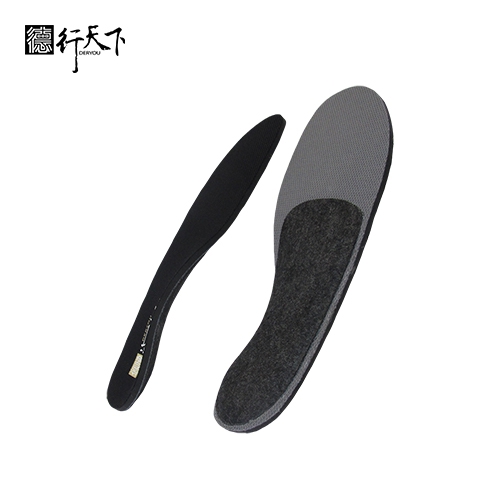
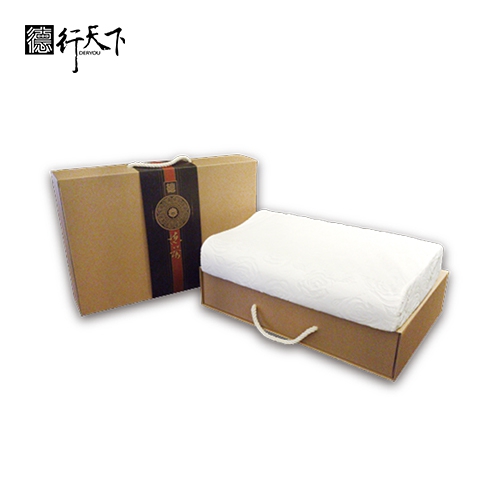
At GuangXin Industrial, our core strength lies in our deep expertise and versatility in insole and pillow manufacturing. We specialize in working with a wide range of materials, including PU (polyurethane), natural latex, and advanced graphene composites, to develop insoles and pillows that meet diverse performance, comfort, and health-support needs.
Whether it's cushioning, support, breathability, or antibacterial function, we tailor material selection to the exact requirements of each project-whether for foot wellness or ergonomic sleep products.
We provide end-to-end manufacturing capabilities under one roof—covering every stage from material sourcing and foaming, to precision molding, lamination, cutting, sewing, and strict quality control. This full-process control not only ensures product consistency and durability, but also allows for faster lead times and better customization flexibility.
With our flexible production capacity, we accommodate both small batch custom orders and high-volume mass production with equal efficiency. Whether you're a startup launching your first insole or pillow line, or a global brand scaling up to meet market demand, GuangXin is equipped to deliver reliable OEM/ODM solutions that grow with your business.
Customization & OEM/ODM Flexibility
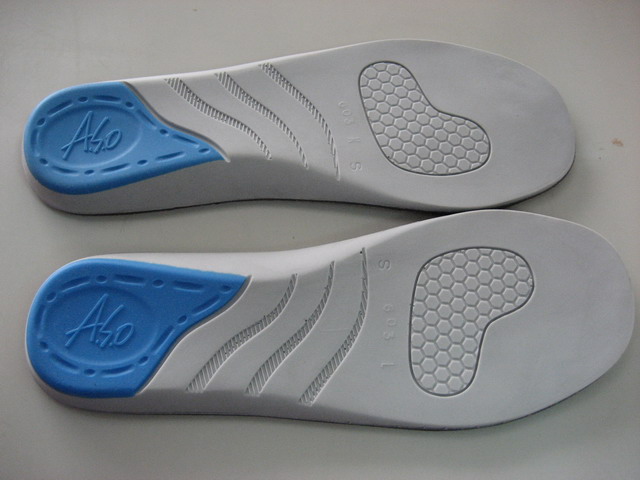
GuangXin offers exceptional flexibility in customization and OEM/ODM services, empowering our partners to create insole products that truly align with their brand identity and target market. We develop insoles tailored to specific foot shapes, end-user needs, and regional market preferences, ensuring optimal fit and functionality.
Our team supports comprehensive branding solutions, including logo printing, custom packaging, and product integration support for marketing campaigns. Whether you're launching a new product line or upgrading an existing one, we help your vision come to life with attention to detail and consistent brand presentation.
With fast prototyping services and efficient lead times, GuangXin helps reduce your time-to-market and respond quickly to evolving trends or seasonal demands. From concept to final production, we offer agile support that keeps you ahead of the competition.
Quality Assurance & Certifications
Quality is at the heart of everything we do. GuangXin implements a rigorous quality control system at every stage of production—ensuring that each insole meets the highest standards of consistency, comfort, and durability.
We provide a variety of in-house and third-party testing options, including antibacterial performance, odor control, durability testing, and eco-safety verification, to meet the specific needs of our clients and markets.
Our products are fully compliant with international safety and environmental standards, such as REACH, RoHS, and other applicable export regulations. This ensures seamless entry into global markets while supporting your ESG and product safety commitments.
ESG-Oriented Sustainable Production
At GuangXin Industrial, we are committed to integrating ESG (Environmental, Social, and Governance) values into every step of our manufacturing process. We actively pursue eco-conscious practices by utilizing eco-friendly materials and adopting low-carbon production methods to reduce environmental impact.
To support circular economy goals, we offer recycled and upcycled material options, including innovative applications such as recycled glass and repurposed LCD panel glass. These materials are processed using advanced techniques to retain performance while reducing waste—contributing to a more sustainable supply chain.
We also work closely with our partners to support their ESG compliance and sustainability reporting needs, providing documentation, traceability, and material data upon request. Whether you're aiming to meet corporate sustainability targets or align with global green regulations, GuangXin is your trusted manufacturing ally in building a better, greener future.
Let’s Build Your Next Insole Success Together
Looking for a reliable insole manufacturing partner that understands customization, quality, and flexibility? GuangXin Industrial Co., Ltd. specializes in high-performance insole production, offering tailored solutions for brands across the globe. Whether you're launching a new insole collection or expanding your existing product line, we provide OEM/ODM services built around your unique design and performance goals.
From small-batch custom orders to full-scale mass production, our flexible insole manufacturing capabilities adapt to your business needs. With expertise in PU, latex, and graphene insole materials, we turn ideas into functional, comfortable, and market-ready insoles that deliver value.
Contact us today to discuss your next insole project. Let GuangXin help you create custom insoles that stand out, perform better, and reflect your brand’s commitment to comfort, quality, and sustainability.
🔗 Learn more or get in touch:
🌐 Website: https://www.deryou-tw.com/
📧 Email: shela.a9119@msa.hinet.net
📘 Facebook: facebook.com/deryou.tw
📷 Instagram: instagram.com/deryou.tw
Thailand anti-bacterial pillow ODM design
Are you looking for a trusted and experienced manufacturing partner that can bring your comfort-focused product ideas to life? GuangXin Industrial Co., Ltd. is your ideal OEM/ODM supplier, specializing in insole production, pillow manufacturing, and advanced graphene product design.
With decades of experience in insole OEM/ODM, we provide full-service manufacturing—from PU and latex to cutting-edge graphene-infused insoles—customized to meet your performance, support, and breathability requirements. Our production process is vertically integrated, covering everything from material sourcing and foaming to molding, cutting, and strict quality control.Taiwan eco-friendly graphene material processing
Beyond insoles, GuangXin also offers pillow OEM/ODM services with a focus on ergonomic comfort and functional innovation. Whether you need memory foam, latex, or smart material integration for neck and sleep support, we deliver tailor-made solutions that reflect your brand’s values.
We are especially proud to lead the way in ESG-driven insole development. Through the use of recycled materials—such as repurposed LCD glass—and low-carbon production processes, we help our partners meet sustainability goals without compromising product quality. Our ESG insole solutions are designed not only for comfort but also for compliance with global environmental standards.Thailand ergonomic pillow OEM supplier
At GuangXin, we don’t just manufacture products—we create long-term value for your brand. Whether you're developing your first product line or scaling up globally, our flexible production capabilities and collaborative approach will help you go further, faster.Taiwan anti-bacterial pillow ODM production factory
📩 Contact us today to learn how our insole OEM, pillow ODM, and graphene product design services can elevate your product offering—while aligning with the sustainability expectations of modern consumers.Thailand graphene sports insole ODM
Pallas’s long-tongued bat (Glossophaga soricina), feeding on nectar from banana trees in Costa Rica. Credit: Julian Schneider Banana plantations are a reliable food source for nectar-feeding bats, but their effect on the bat’s gut microbiota is akin to that of a fast food diet on the human gut. Nectar-feeding bats foraging in intensively managed banana plantations in Costa Rica have a less diverse set of gut microbes in comparison to bats feeding in their natural forest habitat or organic plantations, reveals new research published today in Frontiers in Ecology and Evolution. This is the first study to show an association between habitat alteration, sustainable agriculture, and the gut microbiota of wildlife. “Organic and conventional monoculture banana plantations both provide a very reliable food source for some nectar-feeding bat species. However, bats foraging in the intensively managed plantations had a reduced diversity of gut microbes, which could be a sign of gut dysbiosis, an unhealthy imbalance of its microbial symbionts,” explains Priscilla Alpízar, first author of this study, a doctoral student at the Institute of Evolutionary Ecology and Conservation Genomics of the University of Ulm in Germany. “In contrast, bats foraging in the organic banana plantations had diverse and individualized gut microbiotas that were more akin to their natural forest-foraging counterparts.” Pallas’s long-tongued bat (Glossophaga soricina), feeding on nectar from banana trees in Costa Rica. Credit: Julian Schneider Fast food lowers bacterial diversity Gut dysbiosis is a persistent imbalance of the gut’s microbe community and has been linked to poor health, such as increased susceptibility to illness. Studies in humans have shown that a diet of fast food can cause dysbiosis by reducing the diversity of the bacteria found in the gut. This is one of the first studies to show that a similar effect can happen in wildlife. “We wanted to explore the impact that intensive plantations consisting of vast areas of solely banana plants have on local wildlife, and to understand if sustainable agriculture has the same effects,” says Alpizar. The researchers examined fecal samples from bats foraging in organic and intensive banana plantations, as well as from bats feeding in their natural habitat, to find out which bacterial groups were present, absent, more common, or linked to a specific habitat. They also measured the bat’s body condition, which included their size and weight. “Bats foraging in both the conventional and organic banana plantations were larger and heavier than their forest counterparts, which suggests the plantations provide a reliable food source,” reports Alpízar. Loss of useful bacteria? “We found an interesting link between the gut microbiome composition and the condition of the bats. Some gut bacteria were only associated with bats of higher residual body mass and those from the natural forests, suggesting these microbes could play a role in fat deposition. Since bats foraging in banana plantations don’t need to fly long distances to look for food, it makes sense that these bats don’t need special help from bacteria to store fat. However, for forest-foraging bats, fat deposition is important because food is seasonal and widely distributed in patches.” Further research is needed to understand if pesticides, or the provision of a plentiful but single food source, causes the changes to the bat’s gut microbiota, and further, if there are long-term consequences for the bat’s health. “Our study shows that more sustainable agricultural practices can have less of an impact on wildlife. Hopefully, our findings can lead the efforts to work together with producers and consumers to find more sustainable and bat-friendlier agricultural practices,” Alpízar concludes. Reference: “Agricultural Fast Food: Bats Feeding in Banana Monocultures Are Heavier but Have Less Diverse Gut Microbiota” by Priscilla Alpízar, Alice Risely, Marco Tschapka and Simone Sommer, 23 September 2021, Frontiers in Ecology and Evolution. DOI: 10.3389/fevo.2021.746783
Modifying mosquito gut genes to transmit antimalarial genes to their next generation holds promise as a strategy to combat malaria. Genetically modifying mosquitoes to express antimalarial genes and pass them on to their offspring is being tested as a new strategy to eliminate malaria. Altering a mosquito’s gut genes to make them spread antimalarial genes to the next generation of their species shows promise as an approach to curb malaria, suggests a preliminary study published today (April 13, 2021) in eLife. The study is the latest in a series of steps toward using CRISPR-Cas9 gene-editing technology to make changes in mosquito genes that could reduce their ability to spread malaria. If further studies support this approach, it could provide a new way to reduce illnesses and deaths caused by malaria. Growing mosquito resistance to pesticides, as well as malaria parasite resistance to antimalarial drugs, has created an urgent need for new ways to fight the disease. Gene drives are being tested as a new approach. They work by creating genetically modified mosquitoes that, when released into the environment, would spread genes that either reduce mosquito populations or make the insects less likely to spread the malaria parasite. But scientists must prove that this approach is safe and effective before releasing genetically modified mosquitoes into the wild. “Gene drives are promising tools for malaria control,” says first author Astrid Hoermann, Research Associate at Imperial College London, UK. “But we wanted a clear pathway for safely testing such tools in countries where the disease most commonly occurs.” In the study, Hoermann and colleagues genetically modified the malaria-transmitting mosquito Anopheles gambiae. They used the CRISPR-Cas9 technology to insert a gene that encodes an antimalarial protein amidst genes that are turned on after the mosquito eats a blood meal. The team did this in a manner that allowed the whole section of DNA to also function as a gene drive that could be passed on to most of the mosquitoes’ offspring. They initially inserted the gene along with a fluorescent marker to help them track it in three different spots in the DNA, and then later removed the marker, leaving only a minor genetic modification behind. Next, the team bred the mosquitoes to see if they were able to successfully reproduce and remain healthy. They also tested how well the malaria parasite developed in the mosquitoes’ guts. Their experiments provide preliminary evidence that this approach to genetic modifications could create successful gene drives. “These genetic modifications are passive, and could be tested in the field and undergo a stringent regulatory process to ensure they are safe and effective in blocking the parasite without raising concerns of accidental spread in the environment,” explains senior author Nikolai Windbichler, Senior Lecturer at the Department of Life Sciences, Imperial College London. “However, once we combine them with other mosquitoes with an active gene drive, they turn into gene drives themselves without the need for any further changes. Our approach thus brings gene drives one step closer to being tested in the field as a malaria elimination strategy.” Reference: “Converting endogenous genes of the malaria mosquito into simple non-autonomous gene drives for population replacement” by Astrid Hoermann, Sofia Tapanelli, Paolo Capriotti, Giuseppe Del Corsano, Ellen KG Masters, Tibebu Habtewold, George K Christophides and Nikolai Windbichler, 13 April 2021, eLife. DOI: 10.7554/eLife.58791 Funding: Bill and Melinda Gates Foundation
Weill Cornell Medicine scientists have discovered that astrocyte receptors can have opposite effects on cognitive function in male and female preclinical models. Published in Cell Reports, the study reveals that astrocytes play a crucial role in sex-specific brain mechanisms. Focusing on the mGluR3 receptor, the research demonstrated that increasing its levels enhanced memory in older females while reducing it impaired memory in young females. Conversely, in males, reducing mGluR3 enhanced memory. These findings suggest that therapeutics targeting astrocytic receptors may need to be evaluated for sex-specific effects, highlighting the importance of considering biological sex in neurological research. Research from Weill Cornell Medicine reveals that astrocyte receptors impact cognitive functions differently in males and females, suggesting a need for sex-specific approaches in developing treatments targeting these brain cells. Scientists at Weill Cornell Medicine have discovered the first evidence that receptors in astrocytes, brain cells that support and regulate neurons, can have contrasting effects on cognitive function in male and female preclinical models. This research highlights the role of astrocytes in contributing to gender-specific brain mechanisms. While many studies have tested the behavioral effects of astrocytic receptors, none of them have addressed whether biological sex plays a role and most have tested only males. This study, published on May 24 in Cell Reports, challenges the long-standing assumption that astrocytic signaling has similar cognitive effects in both sexes. “Our study reveals that previously reported cognitive effects in males can’t be extrapolated to females,” said Dr. Anna G. Orr, the Nan and Stephen Swid Assistant Professor of Frontotemporal Dementia Research and an assistant professor of neuroscience in the Feil Family Brain and Mind Research Institute and the Helen and Robert Appel Alzheimer’s Research Institute at Weill Cornell Medicine. Changes in astrocytic receptors are seen in various neurological conditions with known sex differences, including neurodegenerative disorders, schizophrenia, stroke, and epilepsy. However, the mechanisms promoting sex differences remain poorly understood. How do Male and Female Brains Differ? In the study, Dr. Samantha M. Meadows, first author and former graduate student in the Orr lab, focused on mGluR3, a predominant glutamate receptor in astrocytes and a top-altered gene in dementia. The team used gene editing and stimulation of engineered receptors in animal models to selectively manipulate astrocytes and examine the effects of mGluR3 and related receptors on learning, memory, and other cognitive and behavioral outcomes. The researchers found that increasing astrocytic mGluR3 levels enhanced memory in older females and reducing these levels was sufficient to impair memory in young females, demonstrating that mGluR3 promotes memory recall in females. However, in males, reducing mGluR3 enhanced memory, and increasing the receptor had no effects. “Interestingly, the cognitive impact of these receptors is not conserved among sexes,” Dr. Meadows said. This image of the mouse hippocampus, a part of the brain involved in learning and memory, shows mGluR3 receptors on astrocytes (green), neurons (red), and cell nuclei (blue). Credit: Orr Lab To understand if these divergent effects were unique to mGluR3 or reflected a broader feature of astrocytic receptor signaling, Dr. Meadows worked with co-author Dr. Adam L. Orr, an assistant professor of research in neuroscience in the Brain and Mind Research Institute and the Appel Alzheimer’s Disease Research Institute, to selectively stimulate different astrocytic receptors while mice performed tasks involving learning and memory. To their surprise, the team found further evidence that receptor activation caused either memory enhancement or impairment, depending on biological sex. “Normal brain function seems to require a sex-specific balance in astrocytic signaling,” Dr. Adam Orr said. This study suggests that mGluR3 modulators being developed for treating disorders such as schizophrenia and anxiety may need further study to assess their impact on different sexes. “Therapeutics influencing astrocytic receptors may cause sex-specific cognitive effects in part due to the divergent roles of astrocytes in males and females,” said Dr. Anna Orr. The lab is investigating what may cause the differential effects and if other brain functions are also changed in a sex-specific way. Reference: “Hippocampal astrocytes induce sex-dimorphic effects on memory” by Samantha M. Meadows, Fernando Palaguachi, Minwoo Wendy Jang, Avital Licht-Murava, Daniel Barnett, Till S. Zimmer, Constance Zhou, Samantha R. McDonough, Adam L. Orr and Anna G. Orr, 24 May 2024, Cell Reports. DOI: 10.1016/j.celrep.2024.114278
DVDV1551RTWW78V
Graphene insole manufacturer in Vietnam 》your competitive edge in product performance and speedSmart pillow ODM manufacturer Indonesia 》experience you can count on, quality you can trustErgonomic insole ODM support China 》small batch friendly, big on consistency
下一則: Thailand anti-odor insole OEM service 》your reliab
限會員,要發表迴響,請先登入


