Introduction – Company Background
GuangXin Industrial Co., Ltd. is a specialized manufacturer dedicated to the development and production of high-quality insoles.
With a strong foundation in material science and footwear ergonomics, we serve as a trusted partner for global brands seeking reliable insole solutions that combine comfort, functionality, and design.
With years of experience in insole production and OEM/ODM services, GuangXin has successfully supported a wide range of clients across various industries—including sportswear, health & wellness, orthopedic care, and daily footwear.
From initial prototyping to mass production, we provide comprehensive support tailored to each client’s market and application needs.
At GuangXin, we are committed to quality, innovation, and sustainable development. Every insole we produce reflects our dedication to precision craftsmanship, forward-thinking design, and ESG-driven practices.
By integrating eco-friendly materials, clean production processes, and responsible sourcing, we help our partners meet both market demand and environmental goals.
Core Strengths in Insole Manufacturing
At GuangXin Industrial, our core strength lies in our deep expertise and versatility in insole and pillow manufacturing. We specialize in working with a wide range of materials, including PU (polyurethane), natural latex, and advanced graphene composites, to develop insoles and pillows that meet diverse performance, comfort, and health-support needs.
Whether it's cushioning, support, breathability, or antibacterial function, we tailor material selection to the exact requirements of each project-whether for foot wellness or ergonomic sleep products.
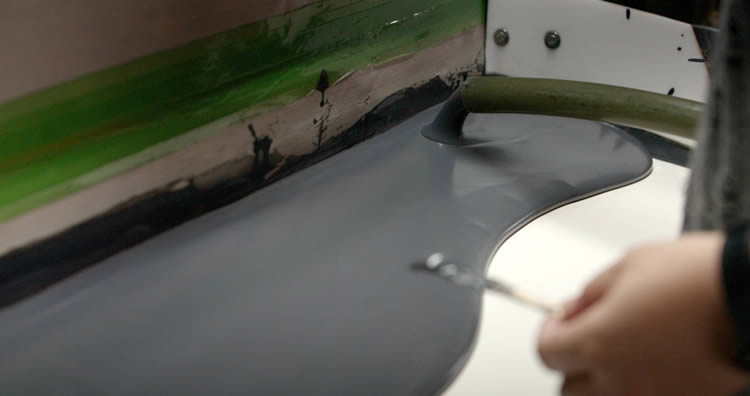
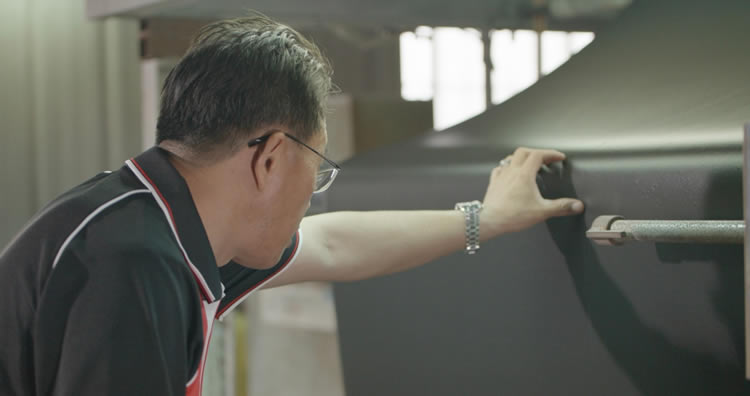
We provide end-to-end manufacturing capabilities under one roof—covering every stage from material sourcing and foaming, to precision molding, lamination, cutting, sewing, and strict quality control. This full-process control not only ensures product consistency and durability, but also allows for faster lead times and better customization flexibility.
With our flexible production capacity, we accommodate both small batch custom orders and high-volume mass production with equal efficiency. Whether you're a startup launching your first insole or pillow line, or a global brand scaling up to meet market demand, GuangXin is equipped to deliver reliable OEM/ODM solutions that grow with your business.
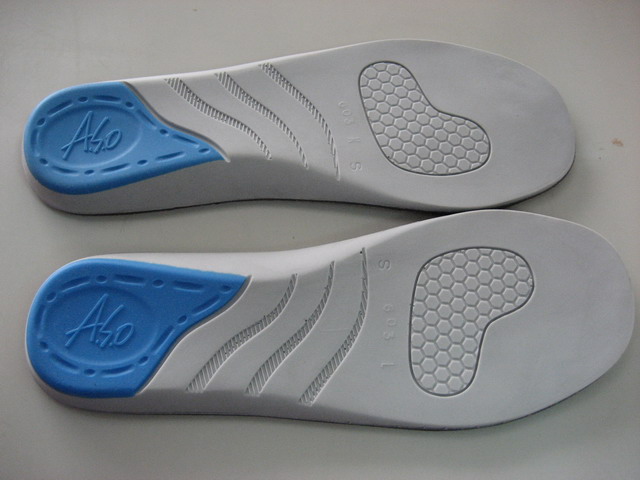
Customization & OEM/ODM Flexibility
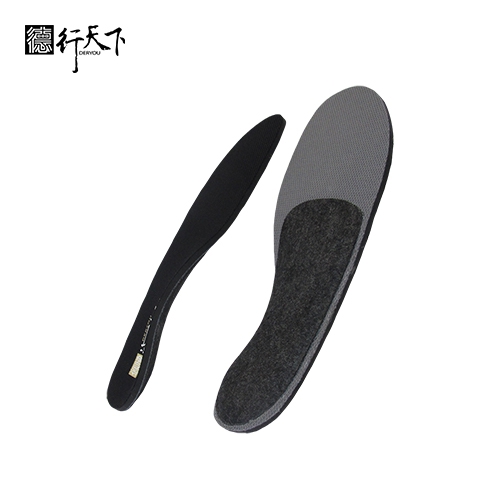
GuangXin offers exceptional flexibility in customization and OEM/ODM services, empowering our partners to create insole products that truly align with their brand identity and target market. We develop insoles tailored to specific foot shapes, end-user needs, and regional market preferences, ensuring optimal fit and functionality.
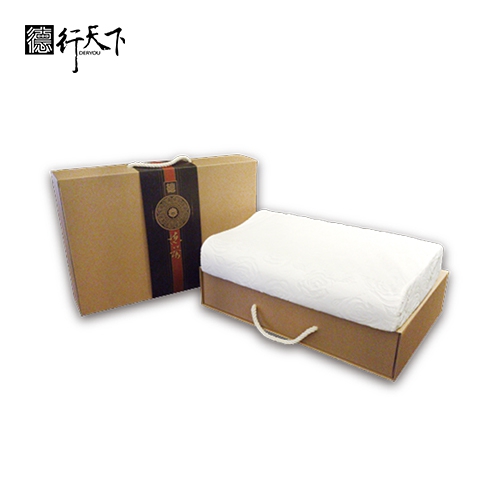
Our team supports comprehensive branding solutions, including logo printing, custom packaging, and product integration support for marketing campaigns. Whether you're launching a new product line or upgrading an existing one, we help your vision come to life with attention to detail and consistent brand presentation.
With fast prototyping services and efficient lead times, GuangXin helps reduce your time-to-market and respond quickly to evolving trends or seasonal demands. From concept to final production, we offer agile support that keeps you ahead of the competition.
Quality Assurance & Certifications
Quality is at the heart of everything we do. GuangXin implements a rigorous quality control system at every stage of production—ensuring that each insole meets the highest standards of consistency, comfort, and durability.
We provide a variety of in-house and third-party testing options, including antibacterial performance, odor control, durability testing, and eco-safety verification, to meet the specific needs of our clients and markets.
Our products are fully compliant with international safety and environmental standards, such as REACH, RoHS, and other applicable export regulations. This ensures seamless entry into global markets while supporting your ESG and product safety commitments.
ESG-Oriented Sustainable Production
At GuangXin Industrial, we are committed to integrating ESG (Environmental, Social, and Governance) values into every step of our manufacturing process. We actively pursue eco-conscious practices by utilizing eco-friendly materials and adopting low-carbon production methods to reduce environmental impact.
To support circular economy goals, we offer recycled and upcycled material options, including innovative applications such as recycled glass and repurposed LCD panel glass. These materials are processed using advanced techniques to retain performance while reducing waste—contributing to a more sustainable supply chain.
We also work closely with our partners to support their ESG compliance and sustainability reporting needs, providing documentation, traceability, and material data upon request. Whether you're aiming to meet corporate sustainability targets or align with global green regulations, GuangXin is your trusted manufacturing ally in building a better, greener future.
Let’s Build Your Next Insole Success Together
Looking for a reliable insole manufacturing partner that understands customization, quality, and flexibility? GuangXin Industrial Co., Ltd. specializes in high-performance insole production, offering tailored solutions for brands across the globe. Whether you're launching a new insole collection or expanding your existing product line, we provide OEM/ODM services built around your unique design and performance goals.
From small-batch custom orders to full-scale mass production, our flexible insole manufacturing capabilities adapt to your business needs. With expertise in PU, latex, and graphene insole materials, we turn ideas into functional, comfortable, and market-ready insoles that deliver value.
Contact us today to discuss your next insole project. Let GuangXin help you create custom insoles that stand out, perform better, and reflect your brand’s commitment to comfort, quality, and sustainability.
🔗 Learn more or get in touch:
🌐 Website: https://www.deryou-tw.com/
📧 Email: shela.a9119@msa.hinet.net
📘 Facebook: facebook.com/deryou.tw
📷 Instagram: instagram.com/deryou.tw
Taiwan sustainable material ODM production base
Are you looking for a trusted and experienced manufacturing partner that can bring your comfort-focused product ideas to life? GuangXin Industrial Co., Ltd. is your ideal OEM/ODM supplier, specializing in insole production, pillow manufacturing, and advanced graphene product design.
With decades of experience in insole OEM/ODM, we provide full-service manufacturing—from PU and latex to cutting-edge graphene-infused insoles—customized to meet your performance, support, and breathability requirements. Our production process is vertically integrated, covering everything from material sourcing and foaming to molding, cutting, and strict quality control.Latex pillow OEM production facility in Taiwan
Beyond insoles, GuangXin also offers pillow OEM/ODM services with a focus on ergonomic comfort and functional innovation. Whether you need memory foam, latex, or smart material integration for neck and sleep support, we deliver tailor-made solutions that reflect your brand’s values.
We are especially proud to lead the way in ESG-driven insole development. Through the use of recycled materials—such as repurposed LCD glass—and low-carbon production processes, we help our partners meet sustainability goals without compromising product quality. Our ESG insole solutions are designed not only for comfort but also for compliance with global environmental standards.Custom graphene foam processing Vietnam
At GuangXin, we don’t just manufacture products—we create long-term value for your brand. Whether you're developing your first product line or scaling up globally, our flexible production capabilities and collaborative approach will help you go further, faster.Indonesia orthopedic insole OEM manufacturer
📩 Contact us today to learn how our insole OEM, pillow ODM, and graphene product design services can elevate your product offering—while aligning with the sustainability expectations of modern consumers.Graphene-infused pillow ODM China
Many modern marine invertebrates have chromosomes with the same structure as their ancestors from over 600 million years ago. Marine invertebrates have preserved their ancient chromosomal structures for over 600 million years, revealing evolution’s conservative nature and the deep genetic links between modern animals and their distant ancestors. Many of today’s marine invertebrates, including sponges and jellyfish, have chromosomes with the same ancient structure they inherited from their primitive ancestors more than 600 million years ago, according to a new study. The surprise finding is a reminder that evolution is conservative — it keeps things that work well, like the organization of genes on a chromosome — and provides a key link between creatures alive today, including humans, and our very distant ancestors. “It emphasizes that even in something as fundamental as their chromosomes, diverse animals resemble each other,” said the study’s senior author, Daniel Rokhsar, the Marthella Foskett Brown Chair in the Department of Molecular and Cell Biology at the University of California, Berkeley. “That’s one of the reasons why we can learn so much about human biology from studying fruit flies, nematode worms, jellyfish, and other ‘simple’ model systems — it’s because of the underlying unity of all animals. What we learn about animal diversity affects how we think about ourselves.” The findings were published in the journal Science Advances. A fire or flame jellyfish (Rhopilema esculentum) photographed at the Monterey Bay Aquarium. These jellyfish, a popular food in Japan, are native to the warm temperate waters of the Pacific Ocean. Credit: Bill Abbott, Creative Commons License The new analysis predicts that the first multicellular animals carried their genes in 29 pairs of ancient chromosomal units. As the first animals arose in the oceans and evolved into diverse invertebrates, from sponges to worms to humans, many of these chromosomes have remained intact for half a billion years. For comparison, humans now have 23 pairs of chromosomes, for a total of 46, the result of two duplications and multiple mergers and chromosomal rearrangements since the earliest animals. The study, led by Rokhsar and Oleg Simakov of the University of Vienna in Austria, is the first to compare the chromosomal position of genes from diverse animals, such as sponges, jellyfish, sea scallops and other aquatic invertebrates, allowing the ancestral organization to be inferred and rare changes in chromosome organization to be studied. Though this kind of analysis has been done for fruit flies and many vertebrates, including humans, it is only recently that the chromosome-scale genomes of diverse invertebrates have been determined. The lancelet, or amphioxus, is an invertebrate, but has a similar body plan to a vertebrate. Credit: Vincent Moncorgé Evolution is Conservative Because of increasingly advanced techniques for identifying which genes are close to one another when the chromosome is curled up inside the nucleus, scientists over the past few years have begun assigning genes to chromosomes in several invertebrates: the Florida lancelet, Branchiostoma floridae, a dainty, quill-like sea creature also known as amphioxus; a scallop, Patinopecten yessoensis; a fresh water sponge, Ephydatia muelleri; and the fire jellyfish, Rhopilema esculentum, a cnidarian. Rokhsar, Simakov, and their team extended this set by determining the chromosomal sequences of a fifth animal, a hydra, Hydra vulgaris, another type of cnidarian. Hydra vulgaris is a freshwater species of cnidarians. Credit: Courtesy of the Smithsonian “What we find is remarkable: If you compare those five species with each other, you find that there’s extensive conservation; in many cases, whole chromosomes or big pieces of chromosomes have stayed together. A whole chromosome in a sponge might correspond to a chromosome in a jellyfish,” he said. “They’re not organized in exactly the same way — the genes are in a different order in the various species — but over these long-time scales, a chromosome behaves like a bag of genes that has maintained its integrity since the beginning of animal life in the pre-Cambrian era.” Once they discovered, in their sample of invertebrates, that genes tended to remain together on the same chromosome — something referred to as synteny, from the Greek for “on the same thread” — they predicted that the same would be true of other invertebrates, including sea urchins and various kinds of worms and mollusks. When they looked at the chromosomes of these organisms, they found similar conservation of DNA across chromosomes. All seemed to harken back to the same 29 chromosomal pairs that were present in the early animal ancestors. What does this mean for humans and other vertebrates? An aquarium specimen of the Japanese scallop, Patinopecten yessoensis. Credit: Harum Koh, Creative Commons License “If you compare amphioxus to scallops and then representatives of a lot of different vertebrates — different kinds of fish, like lampreys, chickens, and so forth — you can see that there are 18 different groups of genes that seem to always stick together,” said Rokhsar, who is also a Chan Zuckerberg Biohub investigator and a member of the Joint Genome Institute at the Lawrence Berkeley National Laboratory. “They always travel together on the same piece of DNA, and so the simplest interpretation is that there were 18 ancestral chromosomes in the proto-vertebrate ancestor.” Rokhsar and his team have long suspected that chromosomes were more preserved than people thought. Over the past 20 years, he and his group have sequenced and analyzed the genomes of diverse animals, including a sea squirt, a placozoan, a species of lancelet and a different species each of sponge, choanoflagellate, sea anemone, octopus, acorn worm, leech, limpet and polychaete worm. While the early “draft” genomes were often fragmented, they nevertheless showed signs that there were anciently conserved groups of genes linked together across diverse animals. Newer technologies that allow whole chromosomes to be determined have confirmed those early hypotheses. The sponge Ephydatia muelleri. Credit: Pfliegler Walter The fact that the genes of diverse invertebrates group together so faithfully, despite hundreds of millions of years of independent evolution, could indicate that for genes to jump around among chromosomes is a lot harder than scientists presumed from their studies of vertebrates, where genes have rearranged more frequently, likely because of genetic drift. “Animals like amphioxus live in huge populations where the rare mutants with rearranged chromosomes are at a disadvantage and typically die out, whereas, in small, subdivided populations, which is more typical of mammals, rearrangements are more likely to survive and spread. That’s one hypothesis,” said Rokhsar. Vertebrates Mixed It Up Alternatively, there may be some unknown reason why sets of genes have to remain together. One famous example is the Hox genes, which determine which end of the animal embryo forms the head and which the tail, and all gradations in between. These genes are all clustered together on one chromosome in most invertebrates, and this clustering is important for their deployment during development. The functional clustering of these genes may be an exception, however, and there’s no evidence yet that the clusters found in the recent study are functionally related, Rokhsar said. The colored lines link similar genes across the chromosomes of five invertebrates — a scallop, a lancelet, a sponge, a jellyfish and a hydra. The amazing lack of crossover shows that genes have largely remained on the same chromosomes through over half a billion years of evolution. Credit: Daniel Rok, Science Advances The simple conservation of chromosomes stops with invertebrates, because early in vertebrate evolution, the entire genome was duplicated twice in the lineage leading to jawed vertebrates, a group that includes mammals, birds, reptiles, amphibians and most fish. During the course of these large-scale duplications, a series of chromosomal reorganizations forged the genomes of the earliest jawed vertebrates, which eventually gave rise to humans. By tracking groups of genes as they moved from one chromosome to another as the earliest vertebrates evolved, however, Rokhsar and collaborators were able to leap over the vertebrate-invertebrate divide and connect the earliest animal chromosomes with those of contemporary vertebrates. “One of the cool things is that once we infer these ancient proto-chromosomes and organize them on the tree of life, then we can make predictions. If you go and sequence some other genomes, we predict that you will inevitably find that these genes are mixed together on the same chromosome,” he said. “Unlike physics or chemistry, you don’t usually get to make such predictions in biology. But now we know something, in a sense, about almost all animal genomes from this comparison.” For more on this research, see Unraveling the Ancient Stories Hidden in DNA Code. Reference: “Deeply conserved synteny and the evolution of metazoan chromosomes” by Oleg Simakov, Jessen Bredeson, Kodiak Berkoff, Ferdinand Marletaz, Therese Mitros, Darrin T. Schultz, Brendan L. O’Connell, Paul Dear, Daniel E. Martinez, Robert E. Steele, Richard E. Green, Charles N. David and Daniel S. Rokhsar, 2 February 2022, Science Advances. DOI: 10.1126/sciadv.abi5884 The work was supported by the National Institutes of Health (RO1 HD080708), the Chan Zuckerberg Biohub, and the Molecular Genetics Unit of the Okinawa Institute of Science and Technology Graduate University (OIST) in Japan, where Rokhsar has a joint appointment as a visiting professor. Other co-authors of the paper are Jessen Bredeson, Kodiak Berkoff and Therese Mitros of UC Berkeley; Ferdinand Marletaz of OIST and University College in the U.K.; Darrin Schultz of UC Santa Cruz and the Monterey Bay Aquarium Research Institute; Brendan O’Connell and Richard Green of UC Santa Cruz; the late Paul Dear of Mote Research Ltd. in the U.K.; Daniel Martinez of Pomona College; Robert Steele of UC Irvine; and Charles David of the Ludwig Maximilian University of Munich in Germany.
Groundbreaking research reveals how ammonia-oxidizing microorganisms coexist by preferring different nitrogen sources, significantly advancing our understanding of the global nitrogen cycle and suggesting new strategies for reducing nitrogen-related environmental pollution. A study led by the University of Oklahoma enhances scientific understanding of ammonia oxidation. Assistant Professor Wei Qin from the University of Oklahoma has led new research that fundamentally alters the understanding of ammonia oxidation, a key element of the global nitrogen cycle. This research was recently published in the journal Nature Microbiology. Ammonia-oxidizing microorganisms, commonly called AOM, use ammonia for energy and account for the annual oxidation of approximately 2.3 trillion kilograms of nitrogen in soil, freshwater, the subsurface, and man-made ecosystems. One major question that has remained unanswered for decades is how different lineages of AOM species coexist in the same environment: do they compete for ammonia or instead use other alternative compounds for their energy needs? “The different lineages of AOM are simultaneous growing in the same environment and were thought to primarily compete for ammonia,” Qin said. “Our collaborative research focused on determining why and how these metabolically conserved lineages are able to coexist without direct competition for inorganic nitrogen (ammonia), and we examined their abilities to use organic nitrogen (urea) instead.” The Role of Urea in AOM Diversity and Coexistence More than half of the AOM species have adapted to utilize urea, a widely available organic nitrogen compound that accounts for approximately 40 percent of all nitrogen in fertilizers, as an alternative energy source. This process, however, requires AOM to use an additional energy because urea is a more complex molecular structure and needs to first be broken down into ammonia inside the AOM cells before further utilization. Knowing this, Qin’s collaborative team sought to understand how AOM acquires and metabolizes ammonia and urea when both are available simultaneously. “We always called urea an alternative substrate to ammonia,” Qin said. “Now, we realize that a major lineage of AOM actually prefer urea and repress the use of ammonia when urea is present. This discovery challenges dominant assumptions that had persisted for more than 100 years since the cultivation of the first AOM species.” The research findings show that different AOM lineages employ different regulatory strategies for ammonia or urea utilization, thereby minimizing direct competition with one another and allowing for coexistence. These differential preferences reveal a hidden physiological biodiversity and have real-world consequences that will need to be explored further. “The AOM produces either nitrate, which leaches into groundwater and surrounding bodies of water, causing eutrophication, or nitrous oxide, which is a powerful greenhouse gas,” Qin said. “Once we confirm which AOM lineages prefer urea, we could investigate their contribution to nitrate leaching and greenhouse gas production in the environment. This is necessary for developing sustainable and practical approaches to reducing these nitrogen pollutants in natural and engineered ecosystems. This will likely be the focus of future research.” Reference: “Ammonia-oxidizing bacteria and archaea exhibit differential nitrogen source preferences” by Wei Qin, Stephany P. Wei, Yue Zheng, Eunkyung Choi, Xiangpeng Li, Juliet Johnston, Xianhui Wan, Britt Abrahamson, Zachary Flinkstrom, Baozhan Wang, Hanyan Li, Lei Hou, Qing Tao, Wyatt W. Chlouber, Xin Sun, Michael Wells, Long Ngo, Kristopher A. Hunt, Hidetoshi Urakawa, Xuanyu Tao, Dongyu Wang, Xiaoyuan Yan, Dazhi Wang, Chongle Pan, Peter K. Weber, Jiandong Jiang, Jizhong Zhou, Yao Zhang, David A. Stahl, Bess B. Ward, Xavier Mayali, Willm Martens-Habbena and Mari-Karoliina H. Winkler, 31 January 2024, Nature Microbiology. DOI: 10.1038/s41564-023-01593-7
The interplay of environmental conditions and geographical barriers such as mountains and lakes determine where plants thrive – an international study shows how these patterns have developed over millions of years. Credit: Holger Kreft Global research team explores how environmental factors and dispersal barriers influence biodiversity. Why do certain plants flourish in some regions but not in others? A study led by researchers at the University of Göttingen sheds light on the factors that determine where plants grow and how these patterns have evolved over millions of years. The team analyzed data from nearly 270,000 seed plant species across the globe. Their findings, published in Nature Ecology & Evolution, reveal that both environmental conditions and natural barriers to movement, such as mountains, oceans, and climate zones, play key roles in shaping global plant diversity. To uncover these patterns, the researchers used advanced techniques that combine current plant distribution data with information about evolutionary relationships between species. They also incorporated modern environmental data and reconstructed Earth’s past climate and geography to understand how these factors have influenced plant distributions through deep time. The research showed that with enough time, plants can overcome the barriers of vast distances and geography, but they often remain limited by the environments they encounter. Credit: Holger Kreft The team examined how variations in climate, soil, and other environmental factors determine where plants can thrive and how physical barriers – such as oceans, mountain ranges, and areas with inhospitable climates – restrict plant dispersal. Environment vs. Barriers The findings show that environmental conditions, particularly climate, are important factors in shaping plant distributions, with their influence remaining consistent across evolutionary timescales. Physical barriers like oceans and mountains played a significant role in limiting the spread of more recently evolved plant groups but had a much smaller effect on ancient plant groups, which have had longer periods to disperse widely. Past tectonic plate positions and movements, reconstructed from geological data, were found to have only a modest impact on plant diversity, with their strongest effects occurring between 20 and 50 million years ago. “These findings reveal a fundamental process in nature,” says Dr Lirong Cai from the University of Göttingen and the German Centre for Integrative Biodiversity Research (iDiv). “Given enough time, plants can overcome the barriers of vast distances and geography, but they often remain limited by the environments they encounter.” Reference: “Environmental filtering, not dispersal history, explains global patterns of phylogenetic turnover in seed plants at deep evolutionary timescales” by Lirong Cai, Holger Kreft, Pierre Denelle, Amanda Taylor, Dylan Craven, Wayne Dawson, Franz Essl, Mark van Kleunen, Jan Pergl, Petr Pyšek, Marten Winter, Francisco J. Cabezas, Viktoria Wagner, Pieter B. Pelser, Jan J. Wieringa and Patrick Weigelt, 29 November 2024, Nature Ecology & Evolution. DOI: 10.1038/s41559-024-02599-y
DVDV1551RTWW78V
Taiwan graphene sports insole ODM 》small batch friendly, big on consistencyTaiwan OEM/ODM hybrid insole development factory 》proven by years of experience in OEM/ODM for wellness productsODM pillow for sleep brands China 》seamless coordination from idea to finished product
下一則: Graphene sheet OEM supplier Thailand 》a manufactur
限會員,要發表迴響,請先登入


