Introduction – Company Background
GuangXin Industrial Co., Ltd. is a specialized manufacturer dedicated to the development and production of high-quality insoles.
With a strong foundation in material science and footwear ergonomics, we serve as a trusted partner for global brands seeking reliable insole solutions that combine comfort, functionality, and design.
With years of experience in insole production and OEM/ODM services, GuangXin has successfully supported a wide range of clients across various industries—including sportswear, health & wellness, orthopedic care, and daily footwear.
From initial prototyping to mass production, we provide comprehensive support tailored to each client’s market and application needs.
At GuangXin, we are committed to quality, innovation, and sustainable development. Every insole we produce reflects our dedication to precision craftsmanship, forward-thinking design, and ESG-driven practices.
By integrating eco-friendly materials, clean production processes, and responsible sourcing, we help our partners meet both market demand and environmental goals.

Core Strengths in Insole Manufacturing
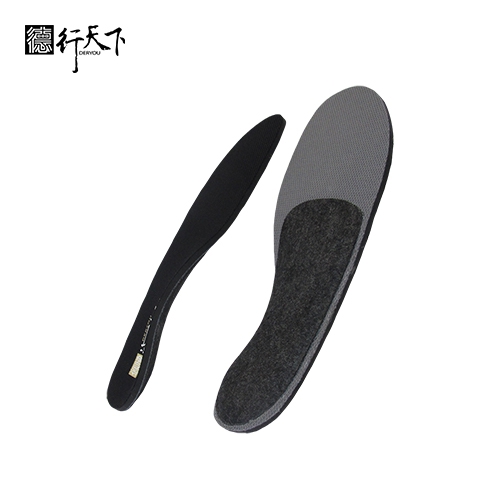
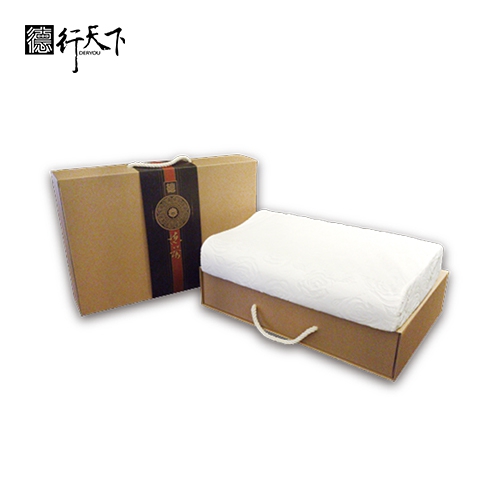
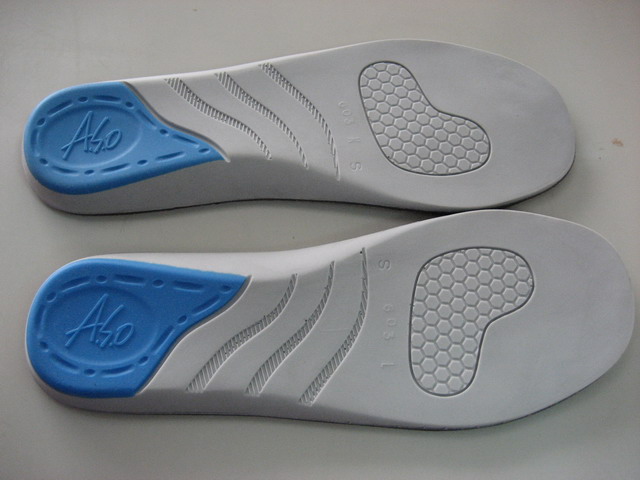
At GuangXin Industrial, our core strength lies in our deep expertise and versatility in insole and pillow manufacturing. We specialize in working with a wide range of materials, including PU (polyurethane), natural latex, and advanced graphene composites, to develop insoles and pillows that meet diverse performance, comfort, and health-support needs.
Whether it's cushioning, support, breathability, or antibacterial function, we tailor material selection to the exact requirements of each project-whether for foot wellness or ergonomic sleep products.
We provide end-to-end manufacturing capabilities under one roof—covering every stage from material sourcing and foaming, to precision molding, lamination, cutting, sewing, and strict quality control. This full-process control not only ensures product consistency and durability, but also allows for faster lead times and better customization flexibility.
With our flexible production capacity, we accommodate both small batch custom orders and high-volume mass production with equal efficiency. Whether you're a startup launching your first insole or pillow line, or a global brand scaling up to meet market demand, GuangXin is equipped to deliver reliable OEM/ODM solutions that grow with your business.
Customization & OEM/ODM Flexibility
GuangXin offers exceptional flexibility in customization and OEM/ODM services, empowering our partners to create insole products that truly align with their brand identity and target market. We develop insoles tailored to specific foot shapes, end-user needs, and regional market preferences, ensuring optimal fit and functionality.
Our team supports comprehensive branding solutions, including logo printing, custom packaging, and product integration support for marketing campaigns. Whether you're launching a new product line or upgrading an existing one, we help your vision come to life with attention to detail and consistent brand presentation.
With fast prototyping services and efficient lead times, GuangXin helps reduce your time-to-market and respond quickly to evolving trends or seasonal demands. From concept to final production, we offer agile support that keeps you ahead of the competition.
Quality Assurance & Certifications
Quality is at the heart of everything we do. GuangXin implements a rigorous quality control system at every stage of production—ensuring that each insole meets the highest standards of consistency, comfort, and durability.
We provide a variety of in-house and third-party testing options, including antibacterial performance, odor control, durability testing, and eco-safety verification, to meet the specific needs of our clients and markets.
Our products are fully compliant with international safety and environmental standards, such as REACH, RoHS, and other applicable export regulations. This ensures seamless entry into global markets while supporting your ESG and product safety commitments.
ESG-Oriented Sustainable Production
At GuangXin Industrial, we are committed to integrating ESG (Environmental, Social, and Governance) values into every step of our manufacturing process. We actively pursue eco-conscious practices by utilizing eco-friendly materials and adopting low-carbon production methods to reduce environmental impact.
To support circular economy goals, we offer recycled and upcycled material options, including innovative applications such as recycled glass and repurposed LCD panel glass. These materials are processed using advanced techniques to retain performance while reducing waste—contributing to a more sustainable supply chain.
We also work closely with our partners to support their ESG compliance and sustainability reporting needs, providing documentation, traceability, and material data upon request. Whether you're aiming to meet corporate sustainability targets or align with global green regulations, GuangXin is your trusted manufacturing ally in building a better, greener future.
Let’s Build Your Next Insole Success Together
Looking for a reliable insole manufacturing partner that understands customization, quality, and flexibility? GuangXin Industrial Co., Ltd. specializes in high-performance insole production, offering tailored solutions for brands across the globe. Whether you're launching a new insole collection or expanding your existing product line, we provide OEM/ODM services built around your unique design and performance goals.
From small-batch custom orders to full-scale mass production, our flexible insole manufacturing capabilities adapt to your business needs. With expertise in PU, latex, and graphene insole materials, we turn ideas into functional, comfortable, and market-ready insoles that deliver value.
Contact us today to discuss your next insole project. Let GuangXin help you create custom insoles that stand out, perform better, and reflect your brand’s commitment to comfort, quality, and sustainability.
🔗 Learn more or get in touch:
🌐 Website: https://www.deryou-tw.com/
📧 Email: shela.a9119@msa.hinet.net
📘 Facebook: facebook.com/deryou.tw
📷 Instagram: instagram.com/deryou.tw
Memory foam pillow OEM factory China
Are you looking for a trusted and experienced manufacturing partner that can bring your comfort-focused product ideas to life? GuangXin Industrial Co., Ltd. is your ideal OEM/ODM supplier, specializing in insole production, pillow manufacturing, and advanced graphene product design.
With decades of experience in insole OEM/ODM, we provide full-service manufacturing—from PU and latex to cutting-edge graphene-infused insoles—customized to meet your performance, support, and breathability requirements. Our production process is vertically integrated, covering everything from material sourcing and foaming to molding, cutting, and strict quality control.Thailand eco-friendly graphene material processing
Beyond insoles, GuangXin also offers pillow OEM/ODM services with a focus on ergonomic comfort and functional innovation. Whether you need memory foam, latex, or smart material integration for neck and sleep support, we deliver tailor-made solutions that reflect your brand’s values.
We are especially proud to lead the way in ESG-driven insole development. Through the use of recycled materials—such as repurposed LCD glass—and low-carbon production processes, we help our partners meet sustainability goals without compromising product quality. Our ESG insole solutions are designed not only for comfort but also for compliance with global environmental standards.Taiwan pillow ODM development service
At GuangXin, we don’t just manufacture products—we create long-term value for your brand. Whether you're developing your first product line or scaling up globally, our flexible production capabilities and collaborative approach will help you go further, faster.Soft-touch pillow OEM service in Taiwan
📩 Contact us today to learn how our insole OEM, pillow ODM, and graphene product design services can elevate your product offering—while aligning with the sustainability expectations of modern consumers.Graphene insole manufacturer in Indonesia
Sponge sneezing. Sponges are among the oldest creatures on Earth and play an essential role in many underwater ecosystems. New research finds that sponges ‘sneeze’ to clear their water channels. With each sneeze, the sponge releases a type of mucus that is eaten by other animals. The study was conducted by Niklas Kornder of the University of Amsterdam (UvA) and colleagues, the results were published today (August 10, 2022) in the scientific journal Current Biology. Fossil evidence shows sponges date back over 650 million years ago, making them among the oldest animals on the planet. They may appear at first to be simple creatures, but sponges fulfill a key role in many underwater ecosystems. They feed by pumping water through a network of in and outflow channels in their bodies, filtering up to thousands of liters of seawater every day. By perfecting this process, the sponge is able to feed on dissolved organic matter, a food source that is inaccessible to most other sea creatures. Different types of sponges in the ocean. A. Chondrilla caribensis (encrusting), b. Aplysina archeri (tube), c. Verongula gigantea (vase), d. Xestospongia muta (barrel). Credit: Benjamin Mueller Surprising Behavior After feeding on the dissolved organic matter, the sponge produces a mucus-like waste carrier. “It was expected that the waste is released with the outflowing water through their outflow pores,” Kornder explains. To study this theory, the scientists took specimens of purple tube sponges and placed them in an aquarium to collect the mucus. They also placed a camera to film a time-lapse of the sponge surface. When analyzing the video footage the researchers were very surprised, Kornder shares: “Every three to eight hours, sponges contracted and then relaxed their surface tissues. At first, we thought our focus was temporarily off, but quickly realized the animals were ‘sneezing.’” https://youtu.be/EiC7OJ2JL3E Time-lapse footage of the Indo-Pacific sponge Chelonaplysilla sp. Credit: Current Biology/Kornder et al The footage revealed that with each sneeze the collected mucus is released and the sponge is left with a clean surface. Although sponge sneezing has been described before, it was generally thought of as a way for the sponge to regulate water flow. The time-lapses also showed that the mucus was continuously streamed out of the inflow openings, not the outflow openings, and slowly transported along distinct paths towards central collection points on the surfaces of the sponges. While diving in the Caribbean oceans the scientists saw many small critters feeding off the energy-rich mucus on the sponges. This shows directly how the sponge benefits the entire ecosystem by using the energy from the dissolved organic matter in the water and turning it into a source of food to enter the food chain. A Long Sneeze “A sponge sneeze is not exactly the same as a human sneeze, because such a sneeze lasts around half an hour,” says Kornder. “But they are indeed comparable, because, for both sponges and humans, sneezing is a mechanism to get rid of waste.” Time-lapse footage of the massive tube sponge Aplysina. Credit: Current Biology/Kornder et al These types of behaviors show the incredible flexibility of sponges to adapt to their environment that have allowed them to thrive for over 650 million years. The team plans to continue studying sponge sneezing. “By combining electron microscopy with histological studies we want to investigate the underlying mechanism,” Kornder says. They will also include more sponge species. Reference: “Sponges sneeze mucus to shed particulate waste from their seawater inlet pores” by Niklas A. Kornder, Yuki Esser, Daniel Stoupin, Sally P. Leys, Benjamin Mueller, Mark J.A. Vermeij, Jef Huisman and Jasper M. de Goeij, 10 August 2022, Current Biology. DOI: 10.1016/j.cub.2022.07.017
Dr. Lin Tian and her research team have developed new technology that will shed light on the diverse behavioral effects of opioid actions in the brain in response to painful and rewarding experiences. Credit: Helena Pinheiro Scientists have developed new biosensors that enable real-time tracking of opioid signaling in the brain, offering profound insights into the effects of opioids and enhancing the development of targeted therapeutics. New findings from a researcher at the Max Planck Florida Institute for Neuroscience could revolutionize our understanding of how opioids impact the brain. Despite the extensive discussion surrounding the ongoing opioid crisis, our current knowledge of how opioids operate in the brain remains quite limited. This is primarily due to challenges in observing and measuring opioid effects in the brain in real time. However, a recent technological breakthrough, led by Dr. Lin Tian and her research team and collaborators, recently published in Nature Neuroscience, has overcome these limitations and is set to transform how scientists study opioid signaling in the brain. What do we know about opioid signaling? Pharmaceutical opioids, such as morphine and oxycodone, and illicit opioid drugs like heroin, affect the brain and body by binding to opioid receptors on the surface of cells in the nervous system. These receptors normally respond to naturally produced chemicals that are released in your brain, called endogenous opioids, including endorphins, enkephalins, and dynorphins. Released in response to pleasurable activities such as laughter, sex, and exercise and aversive activities like injury and trauma, these chemicals bind opioid receptors and reduce the ability of neurons to receive and transmit signals. These cellular effects ultimately lead to the cognitive and behavioral effects associated with opioids, including positive feelings, pain relief, and addiction. Challenges in understanding opioid signaling Numerous questions remain about how these behavioral effects are caused by opioids and whether it is possible to harness specific opioid properties such as pain relief without undesirable effects, such as addiction. The opioid scientific literature is extensive and has confirmed that targeting the opioid system is of clinical interest – not only for pain management but also, more recently, for the treatment of mental health disorders such as anxiety and depression. Development of therapeutics that can target these health challenges while preventing the tragedy of the current opioid epidemic requires further understanding of the diverse effects of opioids in the brain. The diversity of opioid effects on the brain is driven by more than 20 different opioid chemicals produced in the brain and more than 500 different synthetic opioids. Most of these different opioids interact with all three types of opioid receptors with different strengths. Their varied effects depend on the concentration of opioids, the specific receptors present and the brain circuits involved. “Efforts are underway to harness various therapeutic properties of opioids by targeting specific receptor actions and brain circuits to develop more effective and safer therapeutics. However, these efforts have been hampered by our inability to measure diverse opioid signaling in real-time in the brain effectively,” said Dr. Tian. New technology opens the door to understanding opioids in brain Through a massive effort developing and testing over 1,000 variants, Dr. Tian’s team has optimized highly sensitive biosensors based on the three opioid receptors. These biosensors, originally developed while Tian was at the University of California, Davis, emit fluorescence upon opioid binding to the sensor and turn off when the opioid is no longer there. The biosensors, therefore, serve as a proxy for opioid binding to specific opioid receptors. Introducing these sensors into the brain of an animal provides a way to visualize opioid signaling across the brain in real time. “The power of this new technology is that we now have the tools to understand the natural opioid system in the brain, including how to distinguish between different opioid effects. We can track endogenous opioid release in real-time, triggered by both reward and aversion, and see the differences in opioid signaling in different brain circuits.” Dr. Tian’s team has already been sharing these new tools widely to accelerate the impact this new technology will have on the understanding of opioids. Reference: “Unlocking opioid neuropeptide dynamics with genetically encoded biosensors” by Chunyang Dong, Raajaram Gowrishankar, Yihan Jin, Xinyi Jenny He, Achla Gupta, Huikun Wang, Nilüfer Sayar-Atasoy, Rodolfo J. Flores, Karan Mahe, Nikki Tjahjono, Ruqiang Liang, Aaron Marley, Grace Or Mizuno, Darren K. Lo, Qingtao Sun, Jennifer L. Whistler, Bo Li, Ivone Gomes, Mark Von Zastrow, Hugo A. Tejeda, Deniz Atasoy, Lakshmi A. Devi, Michael R. Bruchas, Matthew R. Banghart and Lin Tian, 15 July 2024, Nature Neuroscience. DOI: 10.1038/s41593-024-01697-1 This research was supported by National Institutes of Health including the NIH BRAIN Initiative (U01NS103522, U01NS120820, and U01NS113295), National Institute of Drug Addiction (R37DA033396, R61DA051489, K99058709) and the National Institute of Mental Health (ZIA-MH002970-04) and the National Institutes of Health grants (DA008863, DA058300, and DK126740).
Figure 1: Expression of the sayonara gene in the wings of a fruit fly causes the wings to shrivel due to apoptosis. Credit: Reproduced from Ref. 1 and licensed under CC BY 4.0. © 2023 Y. Ikegawa et al. Despite what’s written in textbooks, fruit flies use a similar cell-stress sensor as mammals to initiate programmed cell death. Contrary to established understanding, RIKEN researchers have discovered a BH3-only protein in fruit flies that triggers programmed cell death or apoptosis. This discovery challenges previous assumptions and suggests that fruit flies share a similar apoptosis mechanism with humans and nematodes. RIKEN geneticists have uncovered a protein in fruit flies that many textbooks say doesn’t exist. The protein detects stress in cells and sets them on a pathway to self-destruction when they are overly stressed. Damaged cells in our bodies eliminate themselves by initiating a suicidal process of programmed cell death known as apoptosis. This process is essential for our health and for ensuring that cells don’t become cancerous. The molecular cascade behind this process is highly complex, but it is triggered by a single protein that belongs to a family of proteins known as BH3-only proteins. These proteins sense stress in cells and are found in many animals including mammals and nematodes. However, for the last two decades, fruit flies, and possibly all insects, were thought to lack BH3-only proteins. Instead, they were believed to rely on a different cell-death program. A Surprising Find in Fruit Fly Genetics But now, in a surprise discovery, Sa Kan Yoo of the RIKEN Center for Biosystems Dynamics Research and co-workers have found that fruit flies do indeed harbor a BH3-only protein. They named the gene that encodes for it sayonara after the Japanese word for ‘farewell’. Sa Kan Yoo (left) and Yuko Ikegawa. Credit: © 2023 RIKEN When the team caused the sayonara gene to be expressed in fruit-fly wings, they observed apoptosis occurring, resulting in withering of the wings (Fig. 1). According to Yoo, the gene was hidden in plain sight. “We didn’t do anything fancy,” he says. “We used the genetic sequence for a human BH3-only protein and checked whether the genome of fruit flies has a similar sequence—it’s a very common way to find genes in fruit flies that correspond to human ones.” Yoo suspects that incomplete sequencing of the fruit fly’s genome may explain why researchers didn’t find the gene in fruit flies 20 years ago. “Genomic sequencing was incomplete back then, so probably scientists couldn’t find the gene and after a while they just gave up.” The fruit fly’s lack of a BH3-only protein subsequently became enshrined in textbooks. But for Yoo it posed an interesting challenge. “I thought it might be fun to check it,” he says. “And after just a few hours, I found something that looked suspiciously like a BH3-only protein.” Implications for Insect and Human Biology The finding implies that fruit flies, and probably other insects, aren’t so different when it comes to apoptosis. “It means that fruit flies aren’t an exception or a bit weird,” says Yoo. “Rather we found they have a similar mechanism for regulating apoptosis as humans and nematodes.” The team is now exploring exactly what happens after the BH3-only protein is activated. They are also investigating if other insects have BH3-only proteins. Reference: “Evidence for existence of an apoptosis-inducing BH3-only protein, sayonara, in Drosophila” by Yuko Ikegawa, Christophe Combet, Mathieu Groussin, Vincent Navratil, Sabrina Safar-Remali, Takuya Shiota, Abdel Aouacheria and Sa Kan Yoo, 2 February 2023, The EMBO Journal. DOI: 10.15252/embj.2021110454
DVDV1551RTWW78V
Indonesia anti-odor insole OEM service 》designed for quality-conscious brands who care about user experienceInnovative insole ODM solutions in Taiwan 》delivering consistent quality from sample to mass productionChina athletic insole OEM supplier 》experience you can count on, quality you can trust
限會員,要發表迴響,請先登入


