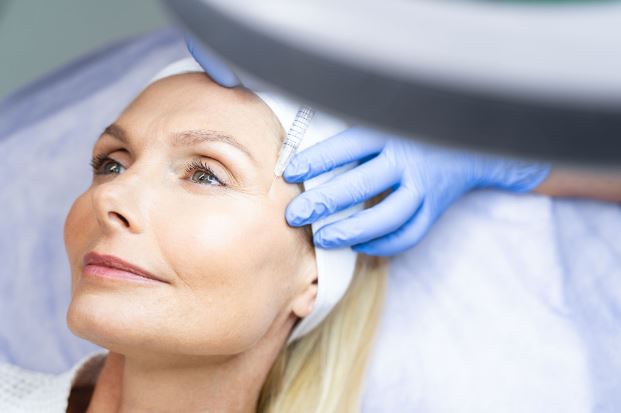
Deciding to pursue facial rejuvenation surgery is a significant commitment, and understanding the full process from initial consultation through long-term recovery makes the journey considerably less daunting. A deep plane facelift Denver patients consider is widely regarded by board-certified plastic surgeons as the gold standard for restoring youthful facial contours with natural-looking, long-lasting results. This guide walks through every phase of the experience, from selecting a surgeon and preparing for surgery to navigate recovery milestones and maintaining results over the years that follow.
Choosing a Surgeon and Completing Pre-Surgical Preparation
The foundation of a successful outcome begins before the surgery itself. Patients should seek surgeons certified by the American Board of Plastic Surgery (ABPS), a credential that reflects rigorous training standards and a high volume of specialized cosmetic procedures. This verification is the single most important step in the selection process.
Initial consultations are typically scheduled several weeks in advance and involve a thorough discussion of aesthetic goals alongside a comprehensive health screening. Medical clearance is often required, including a physical exam and routine blood work. Patients with relevant cardiac history may need clearance from a cardiologist, potentially including an electrocardiogram.
Full medication disclosure is essential. Blood thinners and certain supplements must be stopped prior to surgery to reduce the risk of bleeding and hematoma. Patients who smoke must stop completely at least four to six weeks before the procedure. Nicotine constricts blood vessels and significantly increases the risk of serious healing complications.
Financial planning is part of the pre-surgical process as well. In Denver, the cost of a facelift typically ranges from $20,000 to $31,000, with combined procedures such as a neck lift starting around $22,000. Because facelifts are cosmetic procedures, health insurance coverage is rarely available. Many practices offer financing options such as CareCredit to help manage the investment.
How the Deep Plane Technique Works
A deep plane facelift generally takes three to five hours, with the timeframe varying based on case complexity and whether complementary procedures such as eyelid surgery or a brow lift are included to achieve comprehensive facial harmony.
The defining characteristic of the deep plane approach is dissection beneath the superficial musculoaponeurotic system, known as the SMAS. By releasing specific facial ligaments at this deeper structural layer, the surgeon repositions the deeper facial tissues and the overlying skin as a single, tension-free unit. This is what distinguishes the deep plane technique from traditional facelift approaches that rely primarily on skin tension.
The structural focus of this method is what produces the results patients are seeking: restored volume in the cheeks, a defined jawline, and an overall appearance that reads as naturally younger rather than surgically altered. The tension-free repositioning eliminates the windblown or overstretched appearance that can result from techniques that pull skin alone.
The procedure is performed under either general anesthesia, which involves complete unconsciousness managed by an anesthesiologist, or twilight sedation, which combines local anesthesia with intravenous medications that allow the patient to remain deeply relaxed while breathing independently. The choice between the two is made based on the patients medical history and the surgeons recommendation for the specific procedure being performed.
Early Recovery: Days One Through Seven
The first 24 to 48 hours after surgery are focused entirely on rest, protection, and monitoring. Swelling and bruising are most pronounced during this initial window and are a normal part of the healing process rather than an indicator of complications.
A supportive bandage is placed around the face following surgery to support the repositioned tissues and minimize swelling. Small drainage tubes may be used to draw off excess fluid and are typically removed within the first one to two days. Keeping the head elevated continuously, including during rest, and applying cold compresses are standard instructions during this phase.
Swelling and bruising generally peak during the first few days and begin subsiding around day five. Pain is typically well-controlled with prescribed medications and decreases substantially after the first two to four days, transitioning to a sensation of tightness rather than acute discomfort. Sutures are removed between days seven and ten, which marks an important milestone in early healing and represents the end of the most restricted phase of recovery.
Weeks Two Through Four: Returning to Social Life
The second week of recovery brings a notable improvement in both appearance and comfort for most patients. According to the American Society of Plastic Surgeons, residual swelling and bruising at this stage are typically manageable with makeup, and most patients can resume light social activities within two weeks of surgery.
Between days ten and fourteen, bruising transitions to yellow-green tones that are easily concealed. Some patients continue to feel tightness or numbness around the jawline and neck during this period, which is a normal part of healing as sensory nerves begin to regenerate.
By approximately two weeks post-surgery, most patients feel comfortable attending casual social events with minor makeup adjustments. By the three-week mark, roughly 90% of patients feel ready to return to work and broader social activities. Light physical activity may be resumed with surgeon clearance at this stage, though strenuous exercise remains restricted to prevent blood pressure increases that could compromise tissue healing.
Long-Term Results and What to Expect at One Year
While patients often look presentable within a few weeks, the final result of a deep plane facelift matures gradually over a full year. By months two and three, the majority of visible swelling has resolved and facial contours appear smoother and more refined. Subtle healing and contour refinement continue below the surface for up to twelve months after surgery.
Because the deep plane technique addresses the structural layers of the face rather than relying on skin tension, results are significantly more durable than those achieved with traditional approaches. Patients can generally expect their results to last ten to fifteen years, with many experiencing longevity beyond that range depending on individual aging patterns.
Post-operative skincare plays a meaningful role in preserving those results. Incisions must be protected from UV exposure rigorously during the first year, with daily application of broad-spectrum SPF 30 or higher as a non-negotiable part of the recovery routine. Harsh products including exfoliants and retinoids should be avoided until the surgical team explicitly clears their use.
Deep Plane vs. Traditional Facelift: Understanding the Difference
For patients evaluating their options, understanding how the deep plane technique compares to a traditional SMAS lift helps set accurate expectations for both the investment and the outcome.
A traditional SMAS lift primarily involves tightening the skin and suturing the superficial SMAS layer. Because this technique relies more heavily on skin tension, results can sometimes produce a tight or pulled appearance. The longevity of a traditional facelift is generally shorter because the deeper structural descent that drives facial aging is not fully corrected.
The deep plane approach releases underlying ligaments and moves muscle and skin together as a unified layer, producing a soft, natural result that reads as genuinely rejuvenated rather than surgically modified. Midface and cheek elevation are more pronounced with this technique, and the tension-free nature of the repositioning is what allows the results to last significantly longer.
The deep plane procedure is more technically complex and carries a higher cost than traditional alternatives, but for patients seeking comprehensive, long-lasting facial rejuvenation, it represents the most structurally thorough option available.
下一則: Top Tips for Finding Massage Therapy in Denver, CO
限會員,要發表迴響,請先登入


