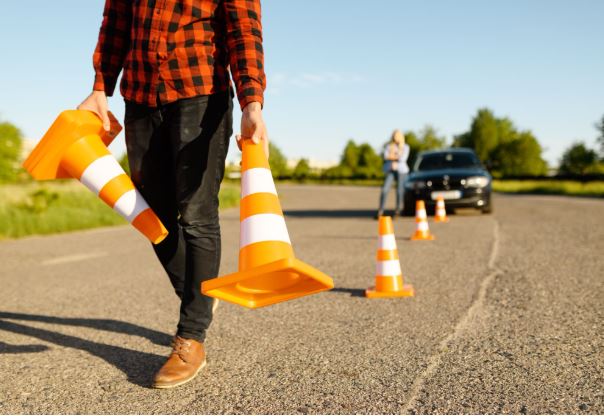
Starting driving lessons is a genuine milestone. For most new drivers, it also comes with a fair amount of nerves. The good news is that preparation goes a long way toward replacing anxiety with confidence. Knowing exactly what to bring, how to dress, and what to expect before you arrive at a Westminster driving school means your instructor can spend your time together focused on teaching you to drive, not managing logistics. This guide covers everything you need to know before your first lesson.
Bring the Right Documents
Paperwork might not feel like the most exciting part of learning to drive, but arriving without the correct documents will get your lesson canceled before it starts. State-certified driving schools operate under strict regulatory requirements, and there are no workarounds.
The single most important item is your physical learners permit. Digital photos on your phone, photocopies, and screenshots are not accepted. You need the original, physical document in hand. In Colorado, this means presenting your valid Colorado instruction permit before you can get behind the wheel. If your permit includes a vision restriction, you must also bring and wear your corrective lenses, whether glasses or contacts. Driving without them when required invalidates the permit for that session, and instructors are legally required to turn you away.
It is also important to confirm ahead of time that all registration forms, liability waivers, and payment arrangements are taken care of before the day of your lesson. If you are a minor, a parent or guardians signature is required on official documents, so plan for that step in advance rather than scrambling the morning of your appointment.
Wear the Right Shoes
Footwear is the most safety-critical clothing decision you will make for a driving lesson. Thick-soled boots reduce your ability to feel the pressure you are applying to the brake or accelerator. Flip-flops, backless sandals, and high heels can slip off or get wedged under the pedals, which is a genuine safety hazard in a moving vehicle.
The right choice is simple: wear closed-toe shoes with flat, thin, non-slip soles. Standard sneakers are ideal. If you own only heavy boots for a given season, it is worth changing into a pair of sneakers for your lesson.
Beyond footwear, your clothing should allow free movement. You will need to rotate your upper body comfortably to check blind spots, and anything too tight or restrictive makes that harder than it needs to be. Dressing in comfortable layers is also a smart move, since vehicle climate control varies and you may not be able to predict whether your lesson car runs warm or cold.
Review Your Handbook Before You Go
You do not need to be an expert on road rules before your first lesson, but a quick review beforehand makes a meaningful difference. Spending even 20 to 30 minutes reading over the Colorado Driver Handbook at dmv.colorado.gov helps you recall basic road signs, right-of-way rules, and common speed limits, so your instructor does not have to spend paid driving time covering classroom basics.
You should also take a few minutes to think about what you most want to work on. Communicating specific concerns to your instructor upfront, whether that is merging onto a busy street, parallel parking, or simply managing the steering wheel smoothly, allows them to tailor the lessons pacing and focus toward your actual needs.
Get Your Mindset Right
Nervousness before a first driving lesson is completely normal, and every professional instructor expects it. What matters is arriving with an open, patient mindset rather than pressure to perform. You are not expected to drive well on day one. That is the entire point of being there.
One thing that tends to calm new drivers significantly is understanding the physical setup of a lesson vehicle. Driving school cars are equipped with dual controls, meaning the instructor has a brake pedal on their side of the car. If anything goes wrong at any point, they can stop the vehicle immediately. You are never alone in managing the safety of the car.
Try approaching your first lesson with a single goal: pay attention and be coachable. Progress comes faster for students who stay relaxed, ask questions, and accept corrections without frustration.
Take Care of Yourself Before the Lesson
Driving for the first time demands sustained focus and rapid processing of a lot of incoming information. Your physical state directly affects how well you absorb instruction and how safely you react to what happens around you.
Aim for a good nights sleep before your lesson. Fatigue slows reaction time and makes it harder to retain what you are being taught. Before you leave home, eat a light meal or snack so your blood sugar is stable, and bring water. Avoid consuming high amounts of caffeine, since excessive caffeine can amplify baseline anxiety and cause jitteriness that interferes with smooth steering and pedal control. A normal cup of coffee or tea is fine for those accustomed to it, but this is not the morning to overdo it.
Plan your departure early enough to arrive 10 to 15 minutes before your scheduled lesson. Rushing to a driving appointment starts you off in an elevated state of stress before you have even touched the steering wheel. Arriving a little early gives you time to settle in, use the restroom, and shift mentally into a calm and ready state.
What Happens During the Lesson
Understanding the structure of a typical first lesson helps remove some of the uncertainty. Most initial sessions run between one and two hours. They begin with a thorough vehicle orientation before the engine is ever started. Your instructor will walk you through adjusting the seat and mirrors properly, fastening your seatbelt, and locating all the basic controls, including turn signals, windshield wipers, headlights, and hazard lights.
When the driving portion begins, reputable schools do not send first-time drivers into heavy traffic. Expect to start in a low-risk setting such as an empty parking lot or a quiet residential street. From there you will practice the foundational skills: starting the engine smoothly, pressing and releasing the accelerator and brake with control, and learning how the steering responds to your inputs.
Throughout the session, your instructor will provide ongoing feedback. They will point out what you are doing well, offer real-time corrections, and explain the reasoning behind each safety technique. At the end of the lesson, they will summarize your progress and outline what to focus on before your next session.
A Quick Pre-Lesson Checklist
Before you head out the door, run through this list:
Physical learners permit, glasses or contacts if required by your permit, flat-soled closed-toe shoes, a light snack and water bottle, and the address of your lesson location confirmed in advance. That is everything you need to walk in ready.
下一則: Medicare Advantage Enrollment Dates and Deadlines 2027: A Clear Guide to Timing, Coverage Changes, and Important Medicare Windows
- Why Professional Jewelry Evaluations Can Help You Maximize Value
- Comparing GAE, PAE, and UFE: Which Embolization Treatment Is Right for You?
- Why Personalized Physiotherapy Treatment Plans Work Better Than Generic Exercises
- Navigating Vehicle Hail Damage Repair in Denver: Documentation, Insurance, and Shop Selection
- Mesureur de Rapport de Transformation : Contrôler les Performances des Transformateurs
- Medicare Advantage Enrollment Dates and Deadlines 2027: A Clear Guide to Timing, Coverage Changes, and Important Medicare Windows
限會員,要發表迴響,請先登入


