Stylish garden tables to enhance your outdoor dining and entertaining are tables that combine great design with robust, weather-prepped materials. They provide outdoor meals with a defined focal point and assist in setting the mood for laid-back or dressy get-togethers. Size, seating capacity, finish and sun and rain resistance are key details. To sift through options, the following sections parse styles, materials and design tips.
Define Your Outdoor Style
Define how you want guests to feel in your garden: calm and quiet, casual and social, or more formal and refined. Imagine a table filled to capacity at dusk. Now consider the cacophony, the lighting, and the length of time people remain seated. This is how you select a table that matches real life, not just photos.
At your home’s exterior and landscaping. A slick, city balcony with metal railing calls for a slim frame table, whereas an old world home with stone paths may be best paired with wood or wrought iron. Align key lines, colors, and scale so the dining zone seems like it belongs to the same narrative.
Choose a basic color scheme, typically two primary colors and one accent. Maybe soft grey and sand with black accents, or warm wood with deep green and cream. See if you prefer matte, glossy, or texturized. These little decisions shift the tone more than most realize.
Get inspiration before you buy. Pin photos, list favorite materials and note down musts like seating for six or room for a grill, so you keep on point.
Minimalist Modern
Keep shapes simple: slim rectangle or round tables with straight legs, no scrolls or carving. Neutral tones — think black, white, and grey — keep the space serene, and one accent — perhaps muted olive or charcoal — brings depth without mess. Coordinate with plain chairs of the same hue, sleek cushions, and one bold centerpiece like a low planter or lone lantern. Powder-coated aluminum or steel, and tempered glass or high-pressure laminate provide a clean, sharp look that endures rain and sun very nicely.
Rustic Charm
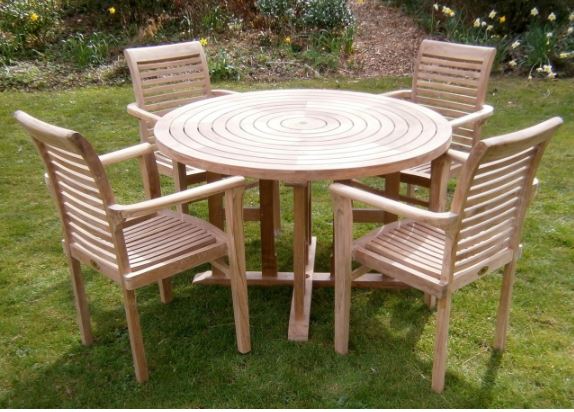
Rustic style depends on character. A solid wood table in oak, acacia, or teak with knots, grain, and small marks on show feels warm and grounded, particularly in gardens with stone, gravel, or dense planting.
Choose natural stains or transparent oil that preserve the original tonality, then complement with wrought iron accents via chair frames or candle holders. Soft textiles, think woven seat pads and thick throws, plus metal or glass lanterns pull the scene together and make cool evenings more inviting.
Coastal Retreat
Coastal looks breezy and spacious. A table in pale teak, eucalyptus or whitewashed wood exudes that sun-bleached vibe and does wonders on balconies, decks and poolside settings.
Employ a palette of white, soft beige, sand, and a touch of blues. Weathered or faux-driftwood finishes bring in that salt and air feeling without sandy beach gear. Sprinkle in slim stripes on cushions, rope-handle lanterns, plain glassware, and flowy fabrics that dance in the breeze, so the entire area feels effortless and laid back.
Bohemian Eclectic
Boho is flowy and layered. Feel free to combine a petite metal café table with a low wooden side table or pair a vibrant tiled tabletop with plain stools, as long as the space still flows and there’s room for people to circulate.
Color does the heavy lifting here: rich reds, oranges, teal, or mustard, plus patterns that draw on different cultures, such as block prints or geometric motifs. Pavilion of pillows, flameless throws, woven place mats, and mismatched plates or glassware bring in dimension.
Complete with hanging lanterns, potted plants at varying heights, and perhaps a macrame wall piece or plant hanger, so the dining area feels collected over time, not purchased in one afternoon.
Choose Your Stylish Garden Table
The perfect garden table for you will suit your space, your weather, and your outdoor entertaining style.
1. Material Matters
Teak and other hardwoods remain steady and sturdy for years in sun and rain, but require light cleaning and, if you desire to maintain the rich color, oiling once or twice a year. Aluminum is light, rust-proof, and requires just a quick wipe, so it’s perfect for balconies or roof terraces where you’re always shifting the seating arrangements. Both resin and plastic are easy to wipe down and tend to be low-priced. The cheap ones fade, warp, or look beaten up after a couple of hot summers.
In damp or coastal environments, powder-coated aluminum or resin cope with wetness and salt more effectively than raw steel. Dry, hot climates favor teak or acacia, while very cold areas perform best with metals and composite tops that manage frost. For a lighter-footprint alternative, seek out FSC-certified wood, recycled plastic, or composite boards that combine wood fibers with recycled plastics.
Teak is very durable, weather-hardy, has a higher price, and requires some care. Aluminum is rust-free, light, has a modern look, and can scratch. Resin is easy to care for, budget-friendly, may fade, and is not as solid.
2. Size and Shape
With a tape measure in hand, begin with space. Your tables should have a minimum of 90 cm from table edge to walls, railings, or planters so people can slide chairs back and still walk around. In a narrow patio, a slim rectangular table along one side maintains an open walkway.
Round tables accommodate 2 to 4 people and have a casual, conversational vibe. Square or rectangular tables work better once you get to 6 to 8 seats. As a rough guide:
-
2 people: 70–80 cm wide bistro table
-
4 people: 120 cm round or 120 centimeters by 75 centimeters rectangle
-
6 people: 150–180 × 90 cm rectangle
-
8 people: 200–240 × 100 cm rectangle
Always calculate chair width plus a 20 to 30 cm gap between chairs so guests aren’t cramped.
3. Functionality First
Select characteristics that fit your outdoor lifestyle. Built-in storage shelves under the table assist with placemats and small items. A central hole for a parasol provides shade for meals during the day.
If you entertain small dinners and large parties, an extendable table with concealed leaves or a fold-out end provides extra seating without occupying space on a daily basis. Foldable and nesting tables fit nicely into small balconies or shared courtyards since you can store them flat. For easy clean up, smooth, sealed tops like ceramic, tempered glass or high-pressure laminate wipe clean quickly after food or drinks.
Select a stylish design that doubles as mealtime, laptop, and board game appropriate. The table deserves to earn its spot outside.
4. Weather Resistance
Look for labels that mention UV-resistant and waterproof finishes to keep color steady and water from soaking in. Frames should utilize rust-proof hardware like stainless steel screws and corrosion-resistant coatings on metal components.
If you have crazy temperature swings or high humidity, seek out materials that don’t crack or swell, like aluminum frames with ceramic or composite tops. For care, use this quick list: clean the table at the end of each season, cover it with a breathable cover when not in use, tighten bolts once or twice a year, and if needed, re-oil or reseal wood before heavy rain or winter.
5. Ergonomic Comfort
Normal outdoor dining tables are around 72 to 75 cm high, which go with most chairs at around 43 to 48 cm seat height, giving you enough room for your legs. Rounded edges or softly beveled corners prevent bumps and play more nicely with kid-friendly homes or narrow walkways.
Complement the table with back-supporting chairs that allow you to comfortably sit upright at the correct distance from the top. Test that you can cross your legs or shift without hitting the underside. Before you buy, press on the table corners to see if it wobbles, check the joints, and make sure the frame feels solid, not loose or shaky.
The Material Deep Dive
Material selection defines how your garden table appears, feels, and performs in actual weather. Both choices come with compromises in fashion, maintenance, and durability.
Natural Woods
Hardwoods such as teak, eucalyptus, and acacia are great for outdoor use, as they are dense, oil-rich and rot slowly. Teak, in particular, manages to resist rain, sun and humidity in a variety of climates from coastal to hot inland and frequently lasts decades with minimal maintenance.
Wood requires frequent maintenance to remain keen. Light cleaning, a soft brush, and annual coating of outdoor oil or sealant assist in staving off greying and surface cracks. In wet or very cold areas, covers and furniture pads delay damage from moisture and frost.
Natural grain is an obvious attraction. Every board appears slightly different, and a lot of folks love how teak ages to a gentle silver-grey. For a warmer tone, a bit of light sanding and oil will revive the original color.
Softwoods such as pine or fir function solely when pressure-treated, sealed, and sheltered. Even then, they dent and warp super quick and are better for covered patios or balconies.
Sleek Metals
Aluminum and stainless steel complement contemporary spaces and mixed-material concepts. Aluminum won’t rust, remains lightweight and will nestle in roof terraces or petite courtyards where you shuffle furniture frequently. Stainless steel adds strength and weight, which is ideal for windy locations.
Powder-coated frames provide a matte or satin color layer that helps resist scratches and corrosion. Dark colors conceal stains. Lighter shades remain cooler in fierce sunshine.
Heat is something to keep an eye on. Bare metal in full sun can get hot to the touch, so spice it up with placemats or match it with a slatted top in wood or ceramic.
Modern Composites
Composite tables utilize blends like wood fibers and plastic or fully synthetic slats. They fit bustling households seeking a set it and forget about it surface that does not require oiling or staining.
Colors tend to be UV-stable, so they fade slowly even in strong sun. Several designs imitate the timber grain or stone but are lighter and won’t splinter, which makes it better for families or rental units.
Many composite frames still use aluminum or steel underneath, so look for good hardware and caps that prevent water from getting to joints.
Woven Synthetics
Synthetic rattan/wicker is perfect for a softer, lounge-y style while bypassing the rottage that natural cane suffers through rain and humidity. These weaves typically rest on iron frames, therefore they remain grounded yet light to maneuver.
Cleaning is simple: rinse with water, use mild soap, and let it dry. Good-quality fibers resist mold and mildew, which comes in handy in damp or coastal regions. UV-treated strands retain color better and do not become brittle as quickly.
Comfort is in the cushions, so select outdoor-grade foam and covers that dry quickly and utilize removable, washable covers. Neutral weaves such as grey or natural taupe complement a majority of cushion colors and seasonal updates.
Quick Comparison Snapshot
-
Natural Woods * Pros: Warm look, unique grain, ages with character, repairable.
-
Cons: Needs oil or sealant, can stain or warp, pricier hardwoods.
-
Sleek Metals * Pros: Strong, slim profiles, rust-resistant options, easy to mix.
-
Cons: Can get hot or cold, may scratch, cheap steel can rust.
-
Modern Composites * Pros: Low care, weatherproof, fade-resistant, often wood-look.
-
Cons: Less “natural” feel, quality varies, harder to refinish.
-
Woven Synthetics * Pros: Classic look, light, easy to clean, good for lounge setups.
-
Cons: Weave can sag, cheaper fibers fade, needs cushion storage.
Beyond the Dining Table
Garden tables are about more than just plates and drinks. A couple of savvy selections define the way folks wander, lounging and sipping in your backyard haven.
Integrated Features
Tables with built-in fire pits or coolers give a definite focus. A fire bowl at the center can toast a crisp night and keep guests lingering together. An inset ice well or side cooler keeps beverages near at hand, reducing those excursions inside and maintaining a clear dining surface.
Secret stowage beneath the tabletop or in bench bases camouflages cushions, lanterns, or blankets. It maintains order, particularly in smaller patios or balconies.
Adjustable-height tables transition from a low coffee setting to standard dining height, and some can even rise to bar level. One helps you serve up casual snacks in the afternoon and complete dinner in the evening. Umbrella hole models provide shade when out in an open area. Combine them with a substantial base and a wide canopy for improved relaxation in intense sun.
Removable leaves or drop-end panels allow you to expand or compress the table top. A small 4-seater can expand to accommodate 6 to 8 for the weekends and then contract to save space during the week.
Modular Systems
Modular tables and side pieces go together like building blocks. You could line up skinny tables for a great big feast, then separate them into clusters for an intimate brunch or working session.
Combine tables with coordinating benches, stools, and low coffee units to connect dining and lounge areas. When you’re expecting extra guests, just add sections. For a quick family dinner, keep the core module. Flat, stackable components slide against a wall or into a shed, making storage easy in tiny houses.
Sustainable Choices
Recycled aluminium, reclaimed teak or composite boards with recycled plastic supports reduce the need for new raw materials. Responsible hardwood, with tags such as FSC, indicates that the wood was sourced from controlled forests, not rampant deforestation.
Seeking out third-party marks like FSC or GREENGUARD provides additional reassurance on sourcing and emissions, which is invaluable if you care about indoor-outdoor air quality.
Solid joinery, UV-stable finishes and corrosion-resistant hardware help a table extend more seasons, so you swap out less often and reduce long-run waste. Brands that share supply-chain details, source of wood or metal, and repair or spare-part options help you align your outdoor setup with your values too.
Conclusion
Nothing sets the feel of your entire yard like a great garden table. Style, size, and material all influence the way you dine, lounge, and entertain al fresco. A tiny metal bistro table transforms a balcony into a tranquil coffee nook. There’s nothing like a long teak table to transform a patio into the destination for big dinners.
Trends may wax and wane, but good form, clever space utilization and low-maintenance remain crucial. Whether it’s a fold flat table, a bench with storage or a slim bar table, these pieces can transform the way the space feels immediately.
Have a yard, porch, or even a mini-deck. Begin with that one table that suits your life today and build the rest of the space around it.
下一則: The Recovery Process After a Hair Transplant Explained
- Summer Plans with Fencing Upgrades
- How to Modernize an Older Hotel Property
- How to Choose a Denver SEO Company in 2026: A Practical Guide
- Mesureur de Rapport de Transformation : Contrôler les Performances des Transformateurs
- Comprobación de Aislamiento 10 kV y Prueba de Capacidad de Baterías en Sistemas Eléctricos
- The Recovery Process After a Hair Transplant Explained
限會員,要發表迴響,請先登入


