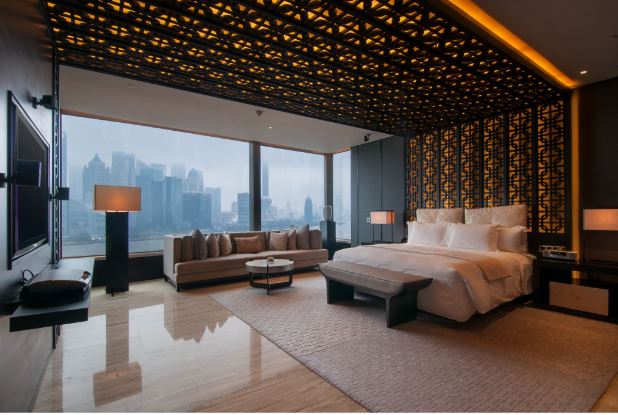
Bringing an aging hotel into the modern era can feel like an overwhelming task, especially for owners balancing guest expectations with budget constraints. But modernizing doesn’t always mean gutting the place and starting over. In many cases, it’s about being strategic, understanding what today’s guests value, and creating a clear property improvement plan for hotel upgrades that align with long-term goals.
Whether youre dealing with a mid-century roadside motel or a once-grand resort that’s lost its shine, you can breathe new life into your property by focusing on a few key areas that deliver impact without breaking the bank.
Start with the Guest Experience
Modern travelers are more discerning than ever. They want comfort, cleanliness, technology, and design that feels fresh. The best way to kick off any modernization plan is by seeing your hotel through the eyes of your guests. Walk every inch of the property. Sit on the beds, turn on the lights, open the windows, and notice what feels outdated or awkward.
Read reviews online and note what customers are consistently mentioning, both positive and negative. Are they frustrated with check-in times? Do they complain about musty rooms or lackluster decor? This feedback becomes your guidepost. It doesn’t matter how much you invest in a new lobby if the rooms still smell like the 1980s.
Upgrade the Essentials First
Before you install trendy wall murals or expensive art, make sure the basics are in top shape. Nothing ruins a guest’s stay like bad lighting, thin walls, or a mattress that sags like a hammock.
Start here:
-
Beds and linens: These are non-negotiable. Modern travelers expect clean, crisp sheets, supportive mattresses, and pillows that don’t feel like overused couch cushions.
-
Bathrooms: You don’t need to replace every tile, but upgrading the showerhead, re-caulking the tub, and adding soft-close toilet seats can make a room feel new.
-
Climate control: No one wants to fiddle with a noisy AC unit or sleep in a room that won’t cool down. Quiet, efficient HVAC systems are worth the investment.
Focus on Lighting and Technology
One of the fastest ways to make a hotel feel dated is poor lighting. Dim yellow bulbs, mismatched fixtures, and lack of natural light drag the atmosphere down. Replace all bulbs with warm LED lighting, and consider installing dimmer switches in guest rooms for more control. If your hallways feel gloomy, brighten them up with wall sconces or track lighting.
Guests also expect a certain level of tech integration. At a minimum, offer fast, reliable Wi-Fi throughout the property. It should be included in the room rate, not treated like a luxury add-on. Smart TVs with streaming capabilities, multiple outlets and USB charging ports near the beds, and keyless room entry options will set you apart.
Refresh the Aesthetic Without Major Renovation
A tired-looking room doesn’t always need a full remodel. Sometimes a fresh coat of paint, new flooring, and updated furniture can do the trick. Stick with a cohesive color scheme that reflects the area’s identity or your hotel’s theme.
Choose modern, durable furniture that is easy to clean and maintain. Swap heavy drapes for lighter curtains or shades. Remove bulky armoires and opt for sleek open shelving or wall-mounted solutions. If your flooring is old carpet, consider vinyl plank. It’s modern, durable, and easy to clean.
And don’t underestimate the power of art and greenery. Local artwork, curated prints, and low-maintenance plants can transform sterile spaces into something inviting and current.
Make the Lobby a Destination
Your lobby is the guests first impression, and it sets the tone for the stay. It doesn’t need to be flashy, but it should feel welcoming, clean, and purposeful. Invest in comfortable seating, good lighting, and clear signage.
You might also consider small additions that serve guests and enhance their experience. A water station with fruit-infused options, a coffee nook, or a local guide wall with maps, event flyers, and recommendations can go a long way.
If you have space, think about creating multi-functional areas. A corner with coworking desks or charging stations can attract digital nomads and business travelers.
Go Green Where It Matters
Sustainability isn’t just a buzzword anymore. Guests want to know you’re making an effort. You don’t need to install solar panels tomorrow, but you can begin with easy, cost-effective changes.
-
Install refillable soap and shampoo dispensers in the bathrooms
-
Offer towel and sheet reuse programs
-
Use energy-efficient lighting and water-saving fixtures
-
-
Source local products for breakfast or amenities where possible
-
-
Highlight these efforts in your marketing and in-room materials. Not only do they save you money, but they show guests that you care about your impact.
Don’t Overlook the Exterior
First impressions begin in the parking lot. Peeling paint, cracked pavement, weeds, and faded signage are all signals that a hotel is past its prime. Improving curb appeal doesn’t need to be expensive.
Repaint the facade with neutral tones and modern accents. Power wash the walls and walkways. Replace old signage with something clean and legible. Add landscaping that suits the climate. Native plants, gravel beds, or potted arrangements can all make a space feel more alive.
Good exterior lighting is also key for safety and atmosphere. Pathway lights, uplighting on trees or architecture, and well-lit entrances all make a difference.
Invest in Staff Training and Culture
Modernization isn’t just about furniture and fixtures. It’s also about the service culture. Friendly, responsive staff can make up for small flaws in a building. Provide training that reflects modern guest expectations. Emphasize hospitality, problem-solving, and local knowledge.
Encourage team members to be proactive and empowered to make guests feel welcome. When staff feel valued and supported, that energy shows in their interactions with guests.
Phase Upgrades to Fit Your Budget
You don’t have to tackle everything at once. Modernization can happen in phases. Maybe you start with the guest rooms this year and work on the exterior next year. The key is having a clear plan that balances your timeline, guest satisfaction, and return on investment.
Prioritize improvements that have the most visible or impactful return first. For example, updated beds, modern lighting, and Wi-Fi upgrades often pay off quickly in better reviews and repeat bookings.
Know When to Partner with Professionals
Some upgrades require professional help. Whether it’s an interior designer who can help unify your aesthetic or a contractor for bigger structural changes, working with the right people saves you money in the long run.
Get multiple quotes, ask for references, and work with partners who understand the hospitality industry. Look for vendors who’ve helped other hotels modernize while staying operational.
Final Thoughts
Bringing an older hotel up to date is absolutely achievable with the right mindset and plan. It’s not about copying trends or pouring money into flash. It’s about understanding your property, your guests, and what changes will offer the biggest return in comfort, satisfaction, and revenue.
When you invest wisely in upgrades, refresh the aesthetics, and focus on service, even the oldest hotel can feel brand new.
下一則: 7 Examples of Common Commercial Restorations
限會員,要發表迴響,請先登入


