It usually doesnt happen during business hours.
A sprinkler line starts leaking at 11:40 pm A fire alarm panel fails a late inspection. A critical electrical repair requires isolating circuits that power detection systems. Within minutes, a building that was fully protected becomes temporarily exposed.
Emergency repairs and maintenance are unpredictable but the risks they introduce are immediate. Fire Watch Services Near Me ensure that every corner of your property is regularly inspected for potential fire hazards.
This is where fire watch services step in, not as a backup plan, but as an active safety layer that keeps fire risk under control while systems are offline.
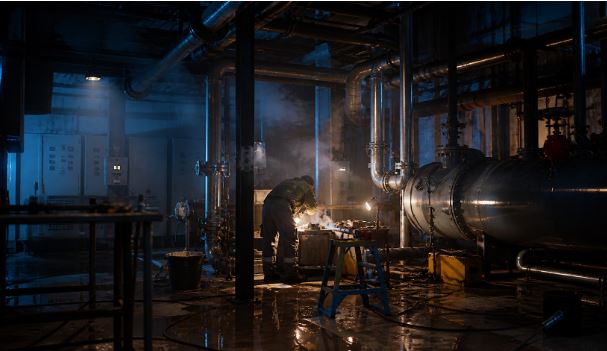
Why Emergency Repairs Trigger Fire Watch Requirements
Any time a fire protection system is impaired even partially risk increases instantly. Regulations recognize this and require compensating measures.
Fire watch becomes mandatory in situations such as:
-
Sprinkler system shutdowns for repair
-
Fire alarm malfunctions or upgrades
-
Electrical maintenance affecting detection systems
-
Water supply interruptions to suppression systems
These are not rare scenarios. In large facilities, maintenance and unexpected failures are part of ongoing operations.
During these periods, fire safety compliance depends on human monitoring rather than automated systems.
What Fire Watch Services Actually Do During Repairs
Fire watch during emergency maintenance is structured, continuous, and highly responsive. Its not simply “keeping an eye out” its a disciplined process designed to prevent incidents.
Continuous Area Coverage
Fire watch guards are assigned specific zones, ensuring no part of the affected area is left unmonitored.
Coverage typically includes:
-
Mechanical and electrical rooms
-
Repair zones where systems are offline
-
Occupied areas that rely on impaired systems
-
Emergency exits and access routes
Real-Time Hazard Detection
During repairs, conditions can change quickly. Equipment may overheat, wiring may be exposed, and temporary setups can introduce new risks.
Fire watch personnel actively monitor for:
-
Smoke or unusual odors
-
Heat buildup near repair work
-
Sparks or Ignition sources
-
Obstructed exits or safety hazards
Immediate Response Protocol
If a fire risk is detected, guards are trained to act without delay:
-
Contact emergency services
-
Alert occupants or site supervisors
-
Initiate evacuation if required
This immediate response capability is critical when automated systems are unavailable.
Documentation and Reporting
Every patrol and observation is logged, including:
-
Time and location of patrols
-
Identified hazards
-
Actions taken
These records are essential for demonstrating compliance and ensuring accountability.
Step-by-Step: How Fire Watch Integrates Into Emergency Maintenance
Understanding how fire watch services operate during repairs requires looking at the sequence of events.
1. System Impairment Identified
A system failure or maintenance need is detected. This could be planned or unexpected.
2. Fire Watch Is Initiated
Before or immediately after the system is taken offline, fire watch personnel are deployed.
In emergency fire watch situations, response time is critical coverage begins as quickly as possible.
3. Risk Assessment on Site
Guards or supervisors assess:
-
The extent of system impairment
-
High-risk zones
-
Occupancy levels
This determines patrol routes and monitoring intensity.
4. Continuous Monitoring Begins
Guards patrol the property at defined intervals, ensuring active fire risk monitoring throughout the repair process.
5. Coordination With Maintenance Teams
Fire watch personnel stay in communication with technicians performing repairs.
This ensures:
-
Awareness of changing conditions
-
Immediate response if repair work introduces new risks
6. System Restoration and Clearance
Once repairs are complete and systems are fully operational, fire watch continues until clearance is given often by a fire marshal or authority having jurisdiction.
Real-World Scenarios Where Fire Watch Prevents Escalation
Scenario 1: Sprinkler System Repair in a Warehouse
A warehouse shuts down its sprinkler system to fix a pressure issue.
Risk: Large volumes of stored goods create a high fire load.
Fire watch role:
-
Monitor storage aisles continuously
-
Check for overheating equipment
-
Ensure clear access paths for emergency response
Scenario 2: Electrical Maintenance in an Office Building
Electrical panels are being repaired, temporarily disabling alarm systems.
Risk: Delayed detection of electrical faults.
Fire watch role:
-
Focus on electrical rooms and wiring zones
-
Detect early signs of overheating or burning
-
Coordinate with maintenance teams
Scenario 3: Emergency Plumbing Repair in a Hotel
Water supply to sprinkler systems is interrupted.
Risk: Reduced suppression capability in an occupied building.
Fire watch role:
-
Monitor guest areas and service corridors
-
Ensure evacuation routes remain accessible
-
Provide immediate response capability
Compliance During Emergency Repairs: What Businesses Must Know
Fire watch during maintenance is not optional it is often required by fire safety regulations.
Authorities such as OSHA, NFPA, and local fire marshals mandate fire watch under specific conditions.
Key compliance expectations:
-
Immediate implementation when systems are impaired
-
Continuous monitoring until full restoration
-
Deployment of trained personnel
-
Accurate documentation of all activities
Failure to meet these fire watch requirements can lead to:
-
Fines or penalties
-
Operational shutdowns
-
Increased liability in case of incidents
Compliance ensures that safety is maintained even when systems are not.
The Role of Fire Watch Guards in High-Stress Situations
Emergency repairs often create high-pressure environments. Decisions must be made quickly, and risks can evolve rapidly.
Fire watch guards provide stability in these situations by:
-
Maintaining constant vigilance
-
Acting as a direct link to emergency services
-
Supporting coordination between teams
-
Ensuring that safety protocols are followed
Their presence allows maintenance teams to focus on repairs while safety remains actively managed.
Choosing Fire Watch Services for Emergency Situations
Emergency repairs demand more than standard service they require rapid, reliable, and adaptable fire watch coverage.
What to look for:
Fast Response Capability The provider should be able to deploy guards quickly, often within hours.
Experience With Emergency Scenarios Handling unpredictable conditions requires practical experience.
Strong Communication Systems Clear coordination between guards, management, and maintenance teams is essential.
Compliance Knowledge Understanding regulatory requirements ensures that coverage meets legal standards.
Scalable Coverage Large or complex sites may require multiple guards or adjusted patrol strategies.
The Cost of Skipping Fire Watch During Repairs
Some organizations underestimate the importance of fire watch during maintenance, viewing it as an additional cost.
The reality is that the cost of not having fire watch is far greater.
Potential consequences include:
-
Fire incidents escalating due to delayed detection
-
Damage to property and infrastructure
-
Business interruption and revenue loss
-
Legal and insurance complications
Fire watch services act as a safeguard against these outcomes, ensuring that temporary repairs do not lead to permanent damage.
A Critical Insight: Repairs Increase Risk Before They Reduce It
Maintenance and repairs are intended to improve safety but during the process, they often increase risk.
Systems are offline. Conditions are unstable. Hazards are introduced.
Fire watch exists to manage this transitional phase.
It ensures that:
-
Risks are actively monitored
-
Hazards are addressed immediately
-
Safety remains continuous
Final Thought: Protection Doesnt Pause for Repairs
Fire safety is often associated with systems that operate automatically. But during emergency repairs, those systems step aside.
What replaces them is not guesswork its structured, human-driven protection.
Fire watch services ensure that even when systems are offline, safety remains active, responsive, and compliant.
Because in the moments when protection is most vulnerable, its not the systems that matter its who is watching.
下一則: The Ultimate Resource for Finding Professional Fire Watch Companies
- Building a Reliable Reloading Bench: Components That Make the Biggest Difference
- How Apparel Decorators Can Reduce Material Waste Without Sacrificing Quality
- How Divorce Mediation Can Help Parents Prepare for Future Life Changes
- Why Professional Jewelry Evaluations Can Help You Maximize Value
- Summer Plans with Fencing Upgrades
- After the Storm: 5 Costly Errors in Car Hail Damage Repair
限會員,要發表迴響,請先登入


